


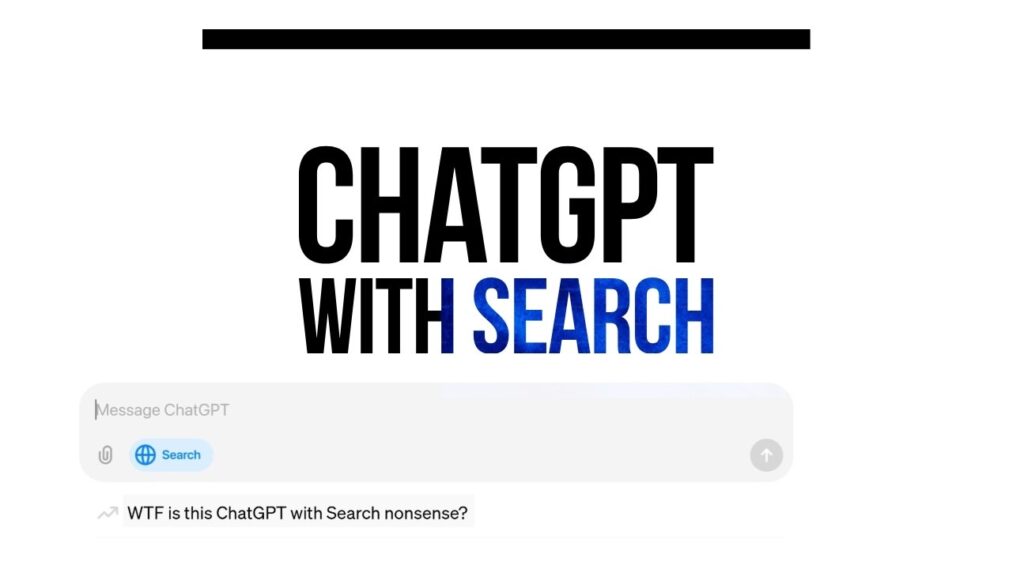
OpenAI has launched a new AI-powered search feature within ChatGPT, providing live, real-time search capabilities directly through ChatGPT’s interface. This new ChatGPT Search function allows users to pull up-to-date information seamlessly, turning ChatGPT into a powerful search tool that is now competing with established players like Google. Initially available for ChatGPT Plus and Team users, OpenAI aims to expand this functionality to free users in the coming months, marking a significant shift in the search landscape.
What is ChatGPT Search, and How Does it Work?
ChatGPT Search enables users to access current web data without leaving the ChatGPT interface. Designed to handle diverse queries—ranging from sports scores to breaking news and financial updates—the feature integrates real-time web searches into ChatGPT’s responses. When a user asks a question that requires up-to-date information, ChatGPT will decide whether to initiate a web search automatically. However, users can also trigger a search manually by clicking on a web search icon within the interface.
Unlike other search engines, ChatGPT Search provides direct links to sources in its responses, offering transparent access to information without requiring users to sift through multiple search results. OpenAI’s goal with this approach is to bring the ease of natural language processing to the realm of search while offering accuracy through real-time data.
Expanding Access: Who Can Use ChatGPT Search?
OpenAI initially rolled out ChatGPT Search exclusively for paid ChatGPT Plus and Team users, along with selected waitlist members who had early access to the experimental SearchGPT version. However, the company has announced plans to extend this functionality to free, educational, and enterprise accounts soon. According to OpenAI, the gradual expansion will allow the team to monitor usage and make improvements based on user feedback before rolling it out to all users.
Seamless Integration with ChatGPT’s Interface
The integration of ChatGPT Search into the existing ChatGPT interface is one of its key advantages. Rather than creating a separate app or website, OpenAI embedded this new feature directly within ChatGPT’s familiar environment. Users can interact with ChatGPT as they typically would, with the added benefit of a search tool that operates automatically or on demand. This integration makes ChatGPT Search more convenient than other AI search tools, aligning closely with the user experience OpenAI aims to provide.
Currently, ChatGPT Search is accessible across various platforms, including the ChatGPT website, as well as on desktop and mobile apps for iOS, Android, macOS, and Windows. By making the feature widely available across different devices, OpenAI ensures that users can leverage its capabilities in both professional and personal contexts, wherever they might need it.
Built on Advanced Technology: The Foundation of ChatGPT Search
ChatGPT Search’s functionality is powered by a refined version of OpenAI’s advanced GPT-4 language model, enhanced to manage search operations effectively. OpenAI has also revealed that the underlying model is further fine-tuned with techniques developed during the prototype phase with SearchGPT, which began with around 10,000 test users earlier this year.
OpenAI’s adoption of real-time data access reflects the current trend in the tech industry, where search is becoming a core feature in AI models. Tech giants like Microsoft and Google have already equipped their AI products with similar live search capabilities, signaling that real-time data processing is a competitive edge in AI development.
ChatGPT Search: A Clean, Efficient Search Experience
A notable difference between ChatGPT Search and traditional search engines like Google is the absence of ads. OpenAI has intentionally designed ChatGPT Search to provide a clean, distraction-free experience by omitting the typical sponsored content that often fills search result pages. As a result, users get fast, reliable answers without the clutter of advertisements, reminiscent of the early days of Google when searches focused solely on relevant results.
OpenAI’s revenue model, heavily reliant on subscriptions rather than advertising, allows it to maintain this clean interface. This structure is in stark contrast to other AI-powered search engines, some of which are now beginning to include ads. By prioritizing user experience, ChatGPT Search aligns with OpenAI’s vision of providing clear and efficient access to information.
New Partnerships and Enhanced Data Access
OpenAI has formed partnerships with well-regarded data providers, such as Reuters and the Financial Times, to ensure ChatGPT Search delivers trustworthy and current information. These partnerships allow ChatGPT to access a broader array of high-quality, real-time data, further improving the accuracy and depth of information available to users. This extensive data access distinguishes ChatGPT Search from other AI tools, ensuring that users can rely on its responses for time-sensitive or complex queries.
Redefining the Future of AI and Search
ChatGPT Search’s rollout represents a new era for OpenAI and the broader AI community. By enabling real-time data access, OpenAI sets a precedent for future advancements in AI-based search tools. Sam Altman, OpenAI’s CEO, has described this feature as a transformative addition to ChatGPT, and the team remains focused on continuous improvement, including potential updates that could further refine the tool’s capabilities and user experience.
As ChatGPT Search evolves, it may well influence broader changes in the search industry, pushing traditional search engines to rethink their own models and adapt to the user preference for natural language interaction