


The Telangana government has taken significant strides in ensuring social welfare and inclusivity by announcing updates on key initiatives, including ration cards and Indiramma housing schemes. These measures aim to bring tangible benefits to eligible citizens across the state.
This article outlines the essential details of the announcements, including the latest developments, processes for application, and the government’s commitment to delivering these welfare programs.
Key Initiatives for Public Welfare
Sanctioning of Ration Cards and Indiramma Houses
Deputy Chief Minister Mallu Bhatti Vikramarka, along with other ministers, emphasized that ration cards and Indiramma houses will be provided to all eligible beneficiaries in Telangana. Citizens who previously missed applying for these schemes now have an opportunity to do so during Gram Sabhas, which have commenced across the state.
The ministers assured the public that these schemes aim to address housing shortages and food security. Applications can now be submitted at the local Gram Sabhas, ensuring transparency and accessibility for all.
Progress of Gram Sabhas and Scheme Implementation
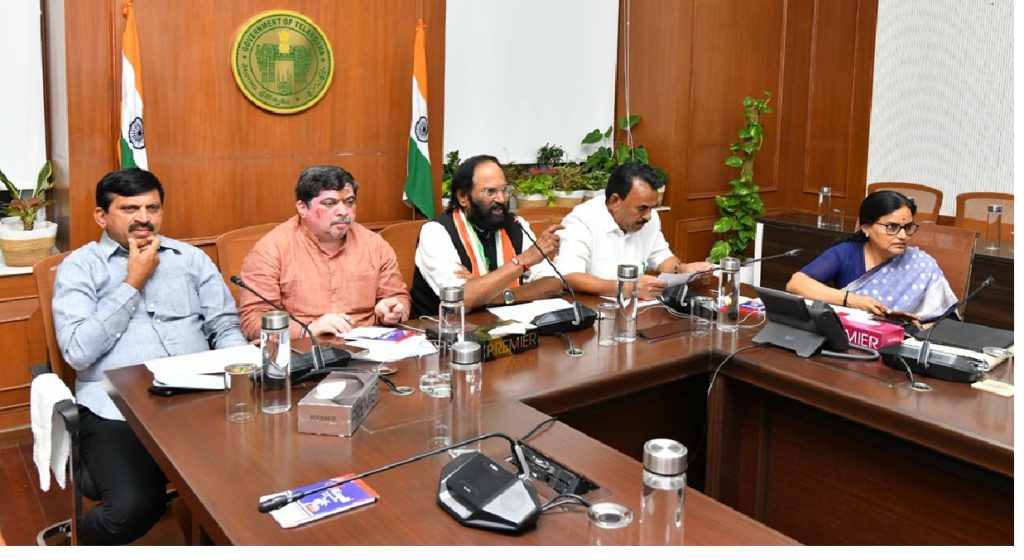
A video conference chaired by Deputy Chief Minister Vikramarka reviewed the progress of Gram Sabhas and public participation in four major welfare schemes. The conference included notable ministers:
- Revenue, Housing, and Information & Public Relations Minister Ponguleti Srinivas Reddy
- BC Welfare Minister Ponnam Prabhakar
- Agriculture Minister Tummala Nageswara Rao
- Civil Supplies Minister Uttam Kumar Reddy
- Excise Minister Jupally Krishna Rao
- Women and Child Welfare Minister Anasuya Seethakka
- Chief Secretary Shanti Kumari
Budget and Scope
The implementation of the schemes, including Rythu Bharosa and Indiramma Atmiya Bharosa, involves a budget of approximately ₹40,000 crores. The government has already received a significant number of applications, reflecting the overwhelming demand for these benefits.
The ministers highlighted that this initiative marks the first large-scale issuance of benefits like ration cards and housing in nearly a decade, emphasizing its importance for eligible households.
Details on Scheme Applications and Eligibility
Ration Cards
The issuance of ration cards is a continuous process, ensuring that all eligible citizens receive benefits. The government clarified that the current list of eligible beneficiaries has not been finalized. Individuals whose names are missing from the initial list should apply during the Gram Sabhas.
To apply, beneficiaries must provide:
- Name
- Aadhaar number
- Address
- Other relevant details
The government is committed to reviewing all applications thoroughly to ensure fair distribution.
Indiramma Housing
For the Indiramma housing scheme, a list of applicants without houses or with house plots but no construction has been prepared. The government has instructed officials to review these applications during Gram Sabhas and encourage those who missed earlier opportunities to reapply.
Gram Sabhas: A Platform for Participation
On the first day, Gram Sabhas were successfully conducted in 4,098 villages, highlighting the government’s dedication to transparency and public involvement. Chief Secretary Shanti Kumari commended district collectors and secretaries for their effective organization.
During the Gram Sabhas:
- Applications for ration cards and Indiramma houses are being accepted.
- A dedicated process ensures that all documents, including Aadhaar and address proof, are verified.
Addressing Public Concerns
Many eligible citizens expressed concerns about being excluded from the beneficiary list. The government reassured them that the process is ongoing, and they can still apply. Ministers clarified that there is no need to worry if names are missing from the current list.
Key Government Directives
- Application Period: Citizens can apply during Gram Sabhas, scheduled until January 24.
- Information Submission: Applicants must submit family details, Aadhaar cards, and other necessary documents.
- Transparency: Lists of beneficiaries will be published post-verification.
Future Plans for Implementation
The Telangana government plans to launch four schemes, including Rythu Bharosa, on January 26. Current efforts focus on finalizing beneficiary lists and ensuring proper implementation.
Updates on Beneficiary Data
- The government has prepared data for 11.65 lakh applicants and issued 6.68 lakh ration cards.
- Additional details for 1.36 crore citizens and 41.25 lakh ration cards are under review.
- How to Apply for These Schemes
Eligible citizens should attend Gram Sabhas with the required documents, including:
- Aadhaar card (family head and members)
- Address proof
- Contact information
- Caste certificate (if applicable)
Applications will be reviewed, and approved beneficiaries will receive their ration cards or housing benefits promptly.
Ensuring Inclusivity and Welfare
The Telangana government’s initiative underscores its commitment to inclusive governance and welfare for all. By prioritizing transparency and accessibility, the state aims to empower citizens and address long-standing issues like housing shortages and food security.
Citizens are encouraged to actively participate in Gram Sabhas and utilize this opportunity to apply for these schemes, ensuring that no eligible individual is left behind.