


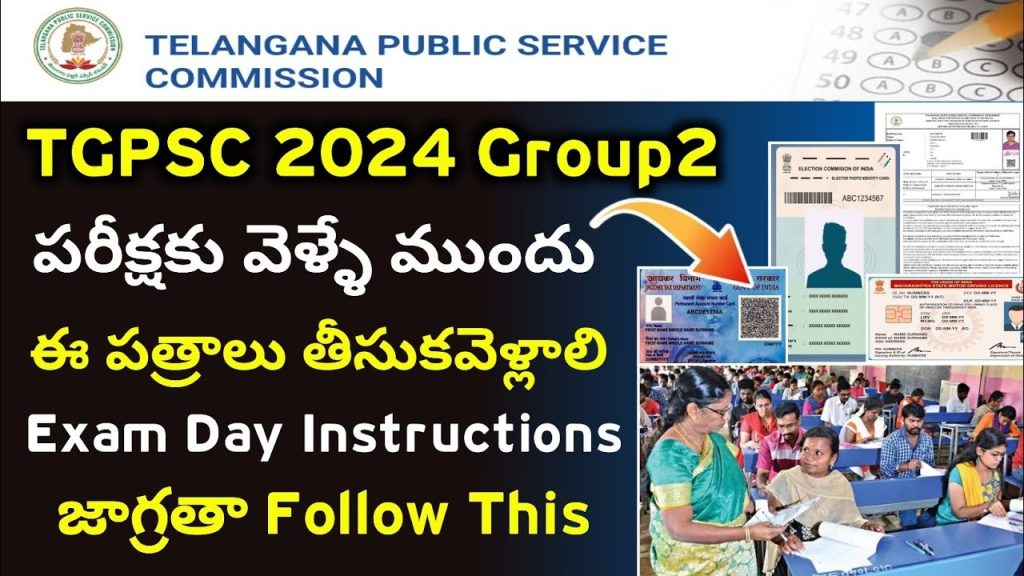
TSPSC Group 2 Question Paper: Key Insights and Preparation Tips for December 2024 Exam
The Telangana State Public Service Commission (TSPSC) Group 2 exam paper conducted on 15 December 2024is a significant milestone for candidates aspiring for state government jobs. With the December 2024 examination recently concluded, understanding the structure, question patterns, and preparation strategies can provide valuable insights for future aspirants. This article delves into the details of the TSPSC Group 2 question paper, its challenges, and actionable tips for success.
Overview of TSPSC Group 2 Exam
The TSPSC Group 2 exam is a competitive test designed to recruit qualified candidates for mid-level government positions in Telangana. The examination assesses a candidate’s knowledge across various subjects, including general studies, history, economy, and more.
For the December 2024 session, the test followed the established format but introduced a few noteworthy changes that added a layer of complexity. A thorough understanding of the syllabus, along with consistent practice, is essential for candidates aiming to perform well.
Exam Pattern and Question Paper Analysis
The TSPSC Group 2 exam typically consists of four papers:
- Paper I: General Studies and General Abilities
- Paper II: History, Polity, and Society
- Paper III: Economy and Development
- Paper IV: Telangana Movement and State Formation
Each paper carries equal weight, emphasizing the importance of balanced preparation.
Highlights of the December 2024 Question Paper
The December 2024 TSPSC Group 2 question paper adhered to the established syllabus but featured a higher proportion of application-based and analytical questions. This shift aimed to test candidates’ conceptual clarity and problem-solving abilities rather than rote memorization.
Key observations from the question paper:
General Studies: Focused heavily on current affairs, environmental issues, and science and technology.
History and Polity: Included detailed questions about Indian freedom movements, Telangana’s history, and constitutional developments.
Economy and Development: Featured data interpretation and case studies on rural development, economic reforms, and welfare schemes.
Telangana Movement: Covered milestones and challenges during the statehood movement.
Candidates who focused on understanding concepts and practicing mock tests found themselves better equipped to handle the challenging sections.
Challenges Faced by Aspirants
Despite rigorous preparation, many candidates encountered specific challenges:
- Time Management: Balancing time between four lengthy papers proved difficult for many.
- Complex Questions: Analytical and case-study-based questions required deeper comprehension and critical thinking.
- Dynamic Syllabus: The integration of recent developments into the syllabus demanded consistent updates in study material.
Preparation Strategies for Future Aspirants
To excel in future TSPSC Group 2 exams, a well-structured preparation plan is crucial. Here are some strategies:
- Understand the Syllabus Thoroughly
Familiarize yourself with every topic mentioned in the official syllabus. Prioritize subjects based on your strengths and the weightage they carry.
- Stay Updated on Current Affairs
Current events play a pivotal role, especially in Paper I. Follow reliable news sources, and maintain a diary to note significant updates for revision.
- Practice Mock Tests and Previous Papers
Solving mock tests and analyzing past question papers can help identify patterns and improve time management. Make a habit of reviewing incorrect answers to strengthen weak areas.
- Focus on Conceptual Clarity
Rather than memorizing facts, strive to understand underlying concepts. Analytical and application-based questions require a solid grasp of fundamentals.
- Join Study Groups or Coaching
Collaborative learning through study groups or expert guidance from coaching institutes can provide new perspectives and study techniques.
- Revise Regularly
Allocate dedicated time for periodic revisions. A strong recall of previously studied topics will boost your confidence during the exam.
Role of Online Resources in Preparation
The digital age offers numerous tools to aid TSPSC aspirants. From online classes to interactive mock tests, candidates can access quality resources anytime. Platforms offering video tutorials, doubt-solving sessions, and comprehensive study materials have gained immense popularity.
Utilize mobile apps, e-books, and government websites for updated content and exam notifications. However, ensure the reliability of the sources to avoid misinformation.
Conclusion
The TSPSC Group 2 exam conducted in December 2024 reaffirmed its reputation as a challenging yet rewarding opportunity for government job seekers. With strategic preparation and a focus on conceptual understanding, aspirants can overcome hurdles and secure their dream roles.
Begin your preparation early, stay disciplined, and make the most of available resources to excel in this prestigious exam.