


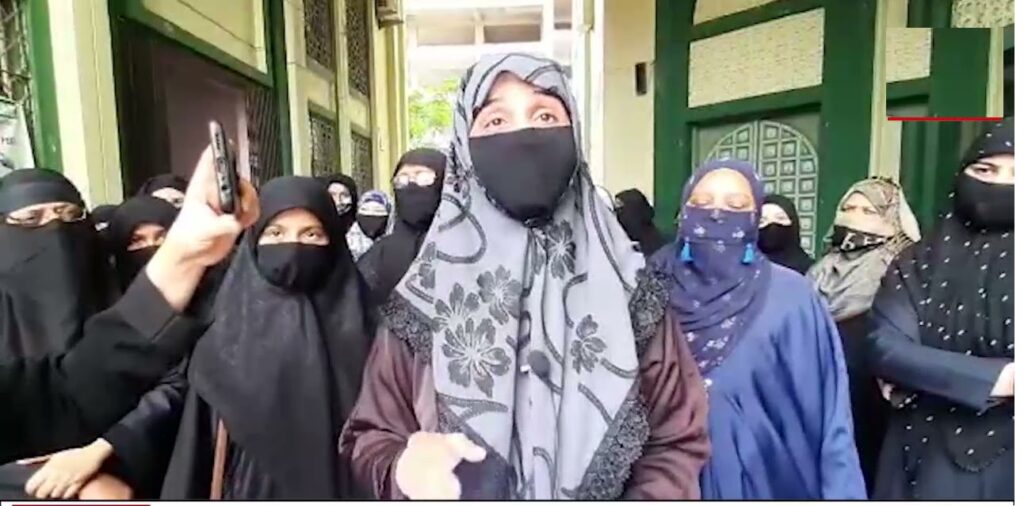
Telangana High Court Permitting Shia Women to Enter Ibadat Khana , Explore the significant judgment by the Telangana High Court allowing Shia Muslim women from the Akhbari sect to enter Ibadat Khana for religious prayers. Uncover the legal proceedings, objections, and the broader implications of this decision.
Permitting Inclusivity: Telangana High Court’s Progressive Ruling
In a groundbreaking decision, Justice Nagesh Bheemapaka of the Telangana High Court has issued an interim order directing the Muttawali Committee of Ibadat Khana Hussaini to allow women belonging to the Akhbari sect of Shia Muslims to conduct religious ceremonies, including majlis and jashns, at Ibadat Khana.
Legal Proceedings and Fundamental Rights
The verdict follows a writ petition filed by Anjuman-e-Alavi of Shia Imamia Ithna Achari Akbhari Society, represented by Secretary Asma Fatima. The petitioner argued against discrimination and the violation of the fundamental right to practice religion. The judge, in response, referred to religious scriptures to underscore the principle of equal rights for women in religious practices.
Waqf Board’s Role and Counter Affidavit
The Muttawali Committee, tasked with overseeing Ibadat Khana, has been instructed to implement the interim directions. Simultaneously, the Telangana State Waqf Board has been directed to file a counter affidavit explaining any objections to the entry of women into Ibadat Khana. The petitioner had previously submitted representations to the Waqf Board, urging the authorities to permit Shia Muslim women inside the religious space.
Background of the Case
Justice Nagesh Bheemapaka of the High Court issued an interim direction on Monday, responding to a petition filed by the secretary of Anjuman-e-Alavi, Shia Imamia Ithna Ashari Akhbari. The petitioner raised concerns about the discriminatory practices of the self-styled mutawalli committee, which allegedly prohibited women members of the Akhbari sect from leading prayers within the premises.
Allegations of Discrimination
Mir Lukman Ali, the counsel representing the petitioner society, argued that the mutawalli committee of the Ibadat Khana failed to adhere to the Wakf Board’s provisions. The committee, it was claimed, arbitrarily restricted women from the Akhbari sect from participating in prayers within the premises. Adding to the complexity, Ali pointed out that the committee allowed Shia women of the Usooli sect to engage in prayers and activities not specified in the Wakf Nama. Furthermore, Ali raised concerns about the silence of the Wakf Board and the police regarding these allegations of discrimination.
Court’s Observations and Decision
Justice Bheemapaka strongly criticized the decision of the mutawalli committee, labeling it biased against women, particularly those belonging to certain sections. The judge emphasized that such chauvinism goes against the principles of worship, stating that every individual, irrespective of gender, has the right to worship according to their beliefs. To address the immediate concerns, the judge issued interim directions, allowing women members of the Akhbari sect to perform prayers within the premises.
Future Legal Steps
Additionally, the Telangana High Court directed both the Wakf Board and the mutawalli committee of the Ibadat Khana to present their contentions in response to the petitions. This sets the stage for a legal discourse that will further determine the future course of actions and ensure a fair and inclusive environment for religious practices.
In conclusion, the Telangana High Court’s intervention serves as a beacon for religious freedom and gender equality. By addressing the concerns raised by the Akhbari Sect of Shia Muslims, the court reaffirms the fundamental right of every individual to worship without discrimination, fostering a more inclusive and tolerant society.
Frequently Asked Questions
Q1: What is the significance of the Telangana High Court’s ruling?
The ruling signifies a step towards gender inclusivity, allowing Shia Muslim women equal access to religious spaces.
Q2: How did the judge justify the decision based on religious scriptures?
The judge cited religious scriptures to emphasize the equality of rights for women in religious practices.
Q3: What role does the Muttawali Committee play in this context?
The Muttawali Committee is instructed to permit women from the Akhbari sect to conduct religious ceremonies at Ibadat Khana.
Q4: What actions are the Telangana State Waqf Board expected to take?
The Waqf Board is directed to file a counter affidavit, addressing any objections to the entry of women into Ibadat Khana.
Exploring Related Topics
Shiite Rituals in Tehran and Historical Context
Delve into the research on Shiite rituals in Tehran, exploring the historical context and significance. Understand the anthropological perspectives and their relevance in the broader Islamic framework.
Shia Personal Status Law and Societal Implications
Explore the Shia Personal Status Law and its societal implications. Gain insights into how legal frameworks impact the lives of Shia individuals, with a focus on personal status and societal norms.
Maha’s First Shia Girl: Breaking Stereotypes in Aviation
Discover the inspiring journey of Maha, the first Shia girl with a commercial pilot’s license. Uncover the challenges faced and the triumphs achieved, symbolizing empowerment and breaking stereotypes in the aviation industry.
In conclusion, the Telangana High Court’s judgment marks a significant stride towards inclusivity, ensuring equal rights for Shia Muslim women in their religious practices. This landmark decision not only addresses the immediate concerns raised in the petition but also opens avenues for broader discussions on religious freedoms and gender equality.