


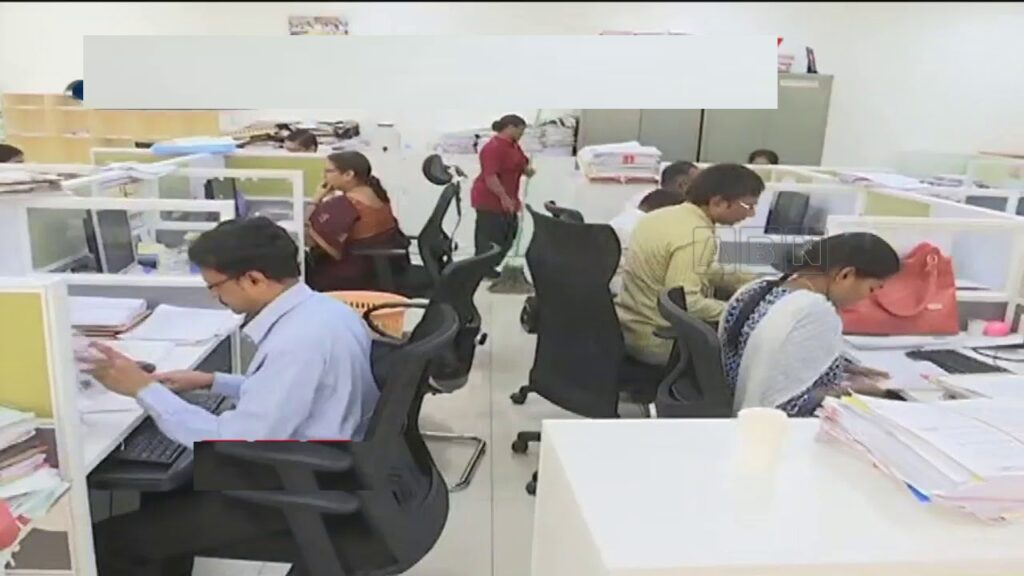
Telangana Government Ban on Furniture Purchases for Departments. This decision, effective until May 31, 2026, underscores the state’s commitment to stringent financial management. Below, we provide a detailed overview of the directive, the rationale behind it, and the specific exceptions to the rule.
Ban on Furniture Purchases for Departments
Background and Initial Ban
The government initially imposed the ban on furniture purchases for its departments as a cost-saving measure. This directive was set to expire but has now been extended due to ongoing financial constraints. All secretariat departments, heads of departments, and district collectors should take note of this extension.
New Extension Details
The recent review by the government concluded that the state’s financial situation necessitates the continuation of the ban. Therefore, from July 11, 2024, until May 31, 2026, government departments and offices are prohibited from purchasing new furniture. This extension aims to maintain fiscal discipline amid economic challenges.
Exceptions to the Ban
Specific Departments and Institutions
Despite the broad scope of the ban, certain essential departments and institutions are exempt. These include hospitals, hostels, residential schools, and residential colleges. These exemptions ensure that critical public services continue to operate effectively without compromising on necessary resources.
Newly Created Offices and Constitutional Authorities
Newly established offices and colleges also fall under the exceptions. This consideration allows for the proper furnishing of these new entities to ensure they function efficiently from the outset. Additionally, constitutional authorities, such as the Governor’s Secretariat and the High Court of Andhra Pradesh, are exempt from this directive. These institutions require uninterrupted operational capability, justifying their exemption.
Rationale Behind the Ban
Financial Prudence
The primary reason for the extension is the state’s stringent financial position. By limiting expenditures on non-essential items such as furniture, the government aims to allocate resources more effectively and manage the state’s finances prudently.
Strategic Resource Allocation
This directive reflects a strategic approach to resource allocation, ensuring that available funds are directed towards more critical areas. The government is prioritizing essential services and new establishments that contribute significantly to public welfare and administrative efficiency.
Implications for Government Departments
Compliance Requirements
All government departments and offices must comply with this extended ban. This directive requires careful planning and resource management to ensure that operations continue smoothly without new furniture purchases.
Operational Adjustments
Departments may need to adopt innovative solutions to meet their needs without new furniture. This could include reallocating existing resources, repairing old furniture, or finding alternative ways to optimize office environments.
Conclusion
The extension of the ban on furniture purchases by government departments until May 31, 2026, highlights the state’s commitment to fiscal responsibility. While the directive imposes restrictions, the specific exceptions ensure that essential services and newly established entities are not adversely affected. By understanding the rationale and complying with the guidelines, government departments can contribute to the state’s financial stability and strategic resource management.
By adhering to these updated instructions, government departments can navigate the restrictions effectively, ensuring continued functionality and support for essential public services.