


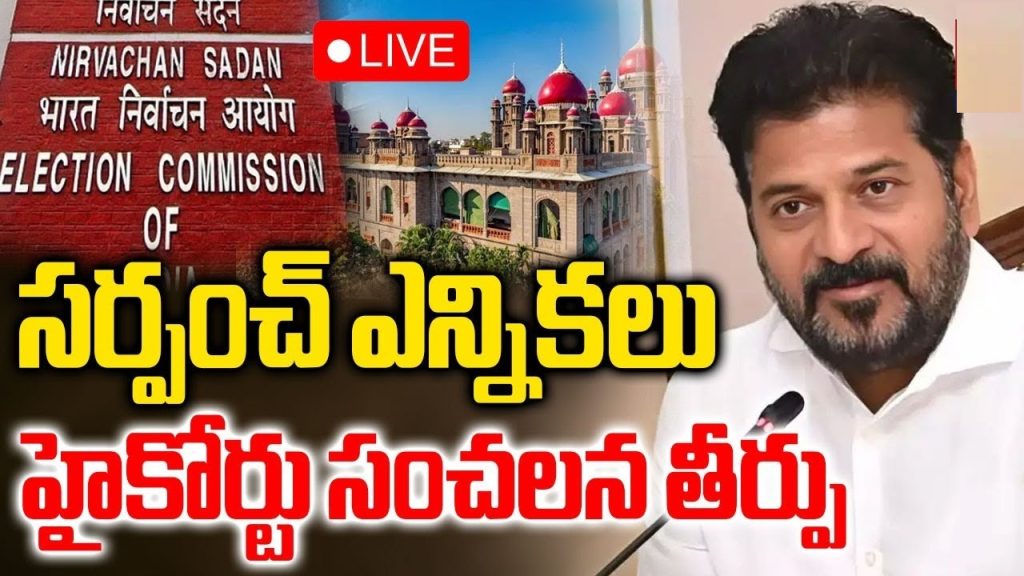
The drums of rural democracy are beating across Telangana as villages prepare for what could be the most significant Sarpanch elections in Telangana 2025. Picture this: over 1.67 crore rural voters holding the power to shape their community’s future, choosing leaders who will directly impact their daily lives—from ensuring clean drinking water reaches every household to implementing development schemes that transform villages into thriving communities.
After years of delays and legal battles, the stage is finally set for these crucial elections that will determine leadership across 12,733 gram panchayats. Having covered rural elections for over a decade, I can tell you that this isn’t just another electoral exercise—it’s a defining moment for grassroots governance in Telangana.
Here’s what this comprehensive guide promises you: Whether you’re an aspiring candidate preparing to file nominations, a voter wanting to understand the process, or simply someone interested in Telangana’s political dynamics, you’ll walk away with crystal-clear insights into eligibility criteria, the revolutionary 42% BC reservation framework, campaign strategies that actually work, and the key issues shaping these elections. By the end, you’ll have the insider knowledge to navigate these elections like a seasoned political observer.
Election Schedule and Timeline: The Five-Phase Democratic Marathon
The Telangana State Election Commission has orchestrated these elections with military precision. State Election Commissioner Rani Kumudini announced a carefully structured five-phase schedule that runs from October 9 to November 11, 2025—a timeline that reflects both the magnitude of the exercise and the lessons learned from previous electoral experiences.
Here’s how the electoral calendar unfolds:
MPTC and ZPTC Elections (First Two Phases):
- Phase I: Nominations begin October 9, polling on October 23
- Phase II: Nominations start October 13, polling on October 27
- Vote counting: November 11 for both phases
Gram Panchayat Elections (Three Phases):
- Phase I: Nominations October 17-19, polling October 31
- Phase II: Nominations October 21-23, polling November 4
- Phase III: Nominations October 25-27, polling November 8
What strikes me as particularly smart about this schedule is the decision to conduct ZPTC and MPTC elections first, followed by gram panchayats. This departure from the traditional sequence allows for better resource allocation and gives political parties time to assess their performance before the crucial sarpanch contests.
The scale is breathtaking: 12,733 gram panchayats will elect their sarpanches and 1,12,288 ward members across 31 districts and 565 mandals. The State Election Commission has established 15,522 polling locations specifically for gram panchayat elections, ensuring that democracy remains accessible to even the most remote villages.
One crucial detail that candidates must remember: the Model Code of Conduct came into effect immediately after the schedule announcement, meaning every campaign activity is now under strict scrutiny.
Eligibility Criteria and Qualifications: Who Can Lead Your Village?
After watching numerous candidates stumble during the qualification verification process, I’ve learned that understanding eligibility criteria isn’t just important—it’s absolutely critical for anyone seriously considering a sarpanch bid.
Basic Qualifications Every Candidate Must Meet:
Age Requirement: You must be at least 21 years old by the nomination filing date. This isn’t negotiable, and I’ve seen promising candidates disqualified for being even a few days short.
Residency Status: You must be a resident of the gram panchayat where you’re contesting and your name must appear on the village voter list. This sounds simple, but migration patterns and address changes often create complications.
Educational Criteria: While the Telangana Panchayat Raj Act doesn’t mandate specific educational qualifications for sarpanch positions, basic literacy is practically essential for handling administrative responsibilities.
The Two-Child Policy Maze:
This is where things get complicated, and I’ve seen countless aspiring leaders caught off-guard. The rules around the two-child policy are nuanced:
- If you had three children before May 31, 1995, you’re eligible to contest
- If you had two children before this date and then had another child, you’re disqualified
- If you had twins in one pregnancy after having one child (before the cut-off date), you remain eligible even with three children total
- If three children were born in a single pregnancy after June 1, 1995, you’re still eligible
Disqualifications That End Political Dreams:
The list of disqualifying factors is extensive and often catches candidates by surprise:
Government Employment: All central, state, and local government employees, including gram sevaks and aided institution employees, cannot contest.
Criminal Background: Anyone convicted of a criminal offense or facing charges under certain acts becomes ineligible. The disqualification period extends five years beyond sentence completion.
Financial Irregularities: If you owe money to the gram panchayat or have been declared bankrupt, your political aspirations must wait
Corruption History: Government employees dismissed for corruption or breach of trust face a five-year bar from contesting
Contract Restrictions: Anyone holding contracts with gram panchayats, mandal parishads, or government departments cannot run for office.
Here’s a personal insight from covering these elections: many potential candidates discover these restrictions only during the nomination filing process. Smart aspirants verify their eligibility well in advance, sometimes consulting legal experts to interpret complex scenarios.
Nomination Process and Documentation: Your Path to the Ballot
The nomination process has become significantly more streamlined since 2019, thanks to digital initiatives that I’ve watched transform the electoral experience. However, the devil remains in the details, and preparation is everything.
The Digital Revolution in Nominations:
The Telangana State Election Commission introduced online nomination filing through the Te-poll portal, a game-changer that allows candidates to submit their papers digitally before physically delivering them to the Returning Officer. In 2019, 357 sarpanch candidates and 526 ward member candidates used this facility—numbers that are expected to grow substantially in 2025.
Critical Documents You Cannot Afford to Miss:
Identity Proof: Voter ID card, Aadhaar card, or passport
Age Verification: Birth certificate or school leaving certificate
Caste Certificate: Essential for reserved categories, must be recent
Income Certificate: Required for certain categories
Educational Certificates: While not mandatory, helpful for credibility
Character Certificate: From local police station
Affidavit: Declaring assets, liabilities, and criminal cases
Financial Requirements:
The security deposit structure reflects the inclusive nature of these elections:
- General Category: ₹500
- Reserved Categories (SC/ST/BC): ₹250
While these amounts might seem nominal, they represent a significant commitment for many rural candidates. The deposit is forfeited if you receive less than one-sixth of the total valid votes polled.
The Scrutiny Process—Where Dreams Meet Reality:
Returning Officers conduct scrutiny with judicial rigor. From my observations, about 10-15% of nominations face rejection during scrutiny, primarily due to:
- Incomplete documentation
- Eligibility issues discovered during verification
- Improper caste certificate formats
- Missing proposer signatures
Timeline Management:
Each phase allows three days for nomination filing, followed by one day for scrutiny, and three days for withdrawal. This compressed timeline demands meticulous preparation. Late submissions or document errors leave no room for corrections.
Pro tip from the field: Successful candidates often visit the Returning Officer’s office days before filing to clarify documentation requirements and address potential issues early.
Reservation Framework and the Revolutionary 42% BC Quota
The Sarpanch elections in Telangana 2025 will be remembered for one groundbreaking change: the implementation of 42% reservation for Backward Classes, a move that has reshaped the entire electoral equation and sparked nationwide debate.
The Numbers That Changed Everything:
The new reservation matrix looks like this:
- Backward Classes: 42%
- Scheduled Castes: 15%
- Scheduled Tribes: 10%
- Total Reservations: 67%
This configuration shatters the traditional 50% reservation ceiling, making Telangana one of the first states to implement such extensive quotas in local body elections.
Legal Battle and Supreme Court Intervention:
The journey to this 42% quota wasn’t smooth. Multiple petitions challenged the government’s decision, arguing it violated the Supreme Court’s 50% ceiling mandate. However, the Supreme Court dismissed the primary challenge in October 2025, allowing the elections to proceed with the enhanced quotas—though it granted petitioners the liberty to approach the Telangana High Court.
What many don’t realize is the political calculation behind this move. The Congress government’s decision fulfilled a key electoral promise, potentially securing significant BC community support in these crucial elections.
How Reservation Rotation Works:
The rotation system ensures no single category monopolizes reserved seats across election cycles. Areas reserved for specific categories in 2019 will rotate to different categories in 2025, promoting broader representation.
For Scheduled Areas with significant tribal populations, special provisions ensure STs get at least half the seats, with all sarpanch positions reserved exclusively for tribal candidates.
Data Sources Driving Decisions:
The reservation allocation draws from two key sources:
- 2011 Census: For SC and ST population data in sarpanch allocations
- SEEEPC Survey 2024: For BC population data and ward-level details
This dual-source approach ensures both historical accuracy and contemporary relevance.tgnns
Women’s Reservation—The Constant Factor:
Across all categories, women’s reservation remains a cornerstone, ensuring female representation in leadership positions regardless of caste-based quotas.
From my interactions with candidates, this new reservation framework has energized BC communities while creating anxiety among traditional political elites. The real test will be whether this translates into meaningful governance improvements at the village level.
Campaign Strategies and Political Dynamics: The Battle for Rural Hearts
Having observed campaign strategies across multiple election cycles, I can tell you that rural political campaigns have undergone a dramatic transformation. The days of purely traditional campaigning are fading, replaced by sophisticated strategies that blend grassroots connect with modern communication techniques.
Digital Campaigning: The New Frontier
Social media has penetrated even remote villages, and smart candidates are capitalizing on this shift. WhatsApp groups have become command centers, allowing candidates to share their vision, respond to concerns, and coordinate campaign activities in real-time.
Facebook pages and Instagram profiles help candidates showcase development work and community connections. However, the key isn’t just having a digital presence—it’s about authenticity. Voters can spot manufactured personas from miles away.
Door-to-Door Strategy: Still the Gold Standard
Despite digital advances, personal campaigning remains paramount in village politics. Successful candidates invest months in house-to-house visits, understanding family dynamics, local grievances, and community aspirations.
The most effective campaigners I’ve observed follow a systematic approach:
- Morning rounds: Meeting farmers before they head to fields
- Afternoon sessions: Connecting with women’s groups and elderly residents
- Evening gatherings: Participating in community discussions and local events
Political Party Dynamics: A Three-Way Contest
Congress Strategy: The ruling party banks heavily on its flagship schemes—Indiramma Housing, Rythu Bharosa, and improved PDS supply. Party leaders are deploying ministers and MPs as district-level in-charges, hoping to convert governance performance into electoral success.
BRS Comeback Attempts: The former ruling party faces the challenge of rebuilding after losing both Assembly and Lok Sabha elections. However, their grassroots network remains intact, and they’re betting on anti-incumbency against the Congress government. Internal surveys suggest rural dissatisfaction with some Congress policies could work in BRS favor.x
BJP’s Expansion Plans: The BJP sees these elections as crucial for building organizational strength. Having won eight Assembly and eight Lok Sabha seats, they’re using this momentum to establish deeper rural roots.
Local Issues vs. Larger Politics:
While parties will certainly raise broader issues like the urea crisis, 42% BC reservation implementation, and government performance, successful candidates focus primarily on hyper-local concerns:
- Infrastructure needs: Roads, drainage, streetlights
- Water supply reliability: Bore wells, pipeline maintenance
- Sanitation facilities: Public toilets, waste management
- Educational facilities: School building repairs, teacher availability
Campaign Finance Reality Check:
Despite legal spending limits, village elections often involve significant financial resources. Smart candidates focus on relationship-building over expensive displays, understanding that credibility trumps cash in small communities.
Key Issues and Challenges: What Voters Really Care About
After spending countless hours in village meetings and community gatherings, I’ve identified the core issues that truly resonate with rural voters in these Sarpanch elections in Telangana 2025.
Infrastructure Deficits: The Foundation Challenge
Rural infrastructure remains the most pressing concern across Telangana villages. Despite significant investments under various schemes, gaps persist:
Road Connectivity: Internal village roads often become impassable during monsoons. Voters judge their sarpanches primarily on road maintenance and connectivity improvements.
Drinking Water Security: With groundwater depletion and irregular pipeline supply, ensuring reliable water access has become a make-or-break issue for incumbents.
Electricity Infrastructure: While grid connectivity has improved, transformer failures and power line maintenance remain perpetual challenges that sarpanches must navigate.
Digital Divide: Internet connectivity for education and government services has become essential, especially post-COVID. Villages with reliable connectivity often outperform others economically.
Governance Accountability: Building Trust
Village-level governance faces several structural challenges that directly impact voter confidence:
Financial Transparency: Many voters remain unaware of gram panchayat budgets and expenditures. Successful candidates promise and deliver regular financial disclosure and community participation in budget planning.
Scheme Implementation: The gap between government announcements and ground-level implementation often becomes an electoral issue. Voters closely monitor how effectively their leaders facilitate benefit delivery.
Grievance Redressal: The speed and effectiveness of addressing citizen complaints significantly influences voter perception of leadership effectiveness.
Development Priorities vs. Political Considerations:
Smart candidates understand that voters prioritize tangible development over political rhetoric:
Agricultural Support: With farming remaining the primary occupation, issues like crop insurance, fair pricing, and agricultural extension services matter immensely.
Employment Generation: Rural unemployment, especially among youth, has become a critical concern. Voters favor leaders who can facilitate skill development and employment opportunities.
Healthcare Access: Primary healthcare infrastructure and the availability of medical services during emergencies often determine electoral outcomes.
Social Harmony: In diverse communities, maintaining peace and ensuring inclusive development across all social groups remains a key leadership challenge.
Corruption and Clean Governance:
Based on my interactions with voters, corruption remains a significant concern:
Transparent Contracting: Fair allocation of development contracts and transparent bidding processes
Equal Treatment: Ensuring development benefits reach all communities without favoritism
Financial Accountability: Proper utilization of government funds and grants
Voters increasingly demand leaders who demonstrate integrity and can be held accountable for their decisions and actions.
Political Accountability and Future Implications
The outcome of these elections will send strong signals about Telangana’s political trajectory. For the Congress government, success would validate their development agenda and policy decisions. For the BRS, strong performance could position them for a comeback in future Assembly elections. For the BJP, expanding their rural footprint would strengthen their long-term growth strategy in the state.
The Role of Technology in Modern Rural Elections:
The Te-poll portal and digital nomination facilities represent just the beginning of technology’s integration into rural democracy. Expect to see more innovations in voter education, result dissemination, and post-election governance tracking.
Women’s Participation: Beyond Reservations
While legal reservations ensure women’s presence in leadership positions, the quality of their participation and the support they receive will determine the long-term impact on rural governance effectiveness.
Conclusion: Your Voice, Your Village, Your Future
As we stand on the threshold of these historic Sarpanch elections in Telangana 2025, one thing becomes crystal clear: this isn’t just another electoral exercise—it’s a defining moment for grassroots democracy in our state.
Having witnessed the transformation of rural Telangana over the past decade, I can confidently say that these elections carry unprecedented significance. The new 42% BC reservation framework, the digital innovations in the electoral process, and the evolved political dynamics have created a perfect storm of change that will reshape village leadership for years to come.
The power truly lies in your hands. Whether you’re considering candidacy or preparing to vote, remember that sarpanches wield real influence over daily life—from ensuring your street gets proper lighting to making sure government schemes reach your doorstep efficiently.
For aspiring candidates, my advice is simple: start with genuine community service, understand your village’s real needs, and build authentic relationships. The most successful sarpanches I’ve encountered didn’t win elections—they earned them through years of consistent community engagement.
For voters, this is your moment to choose leaders who will prioritize your village’s development over personal gains. Look beyond party symbols and campaign promises. Evaluate candidates based on their track record, accessibility, and vision for your community’s future.
Take action today: Verify your voter registration, understand the candidates in your gram panchayat, and participate actively in this democratic celebration. Your village’s next five years depend on the choices made in the coming weeks.
The future of rural Telangana is being written right now, one village at a time. Make sure your voice becomes part of this historic narrative.
Frequently Asked Questions (FAQs)
Q1: What is the minimum age requirement for contesting Sarpanch elections in Telangana 2025?
A1: The minimum age requirement for contesting sarpanch elections is 21 years, which must be completed by the date of filing nominations. This age requirement is non-negotiable, and candidates must provide valid age proof through birth certificates or school leaving certificates during the nomination process.
Q2: How does the new 42% BC reservation policy affect the Sarpanch elections in Telangana 2025?
A2: The 42% BC reservation significantly changes the electoral dynamics, bringing total reservations to 67% (42% BC + 15% SC + 10% ST). This policy, approved by the government and cleared by the Supreme Court, means that in many gram panchayats, sarpanch positions will be reserved for BC candidates. The reservation rotation system ensures different categories get opportunities across election cycles, promoting broader representation in village leadership.
Q3: Can candidates file nominations online for the Sarpanch elections in Telangana 2025?
A3: Yes, candidates can file nominations online through the Te-poll portal introduced by the Telangana State Election Commission. However, online filing is only the first step—candidates must still personally deliver the duly signed nomination papers to the Returning Officer within the specified timeframe. The online system helps streamline the process and allows for better document management, but physical verification remains mandatory.