


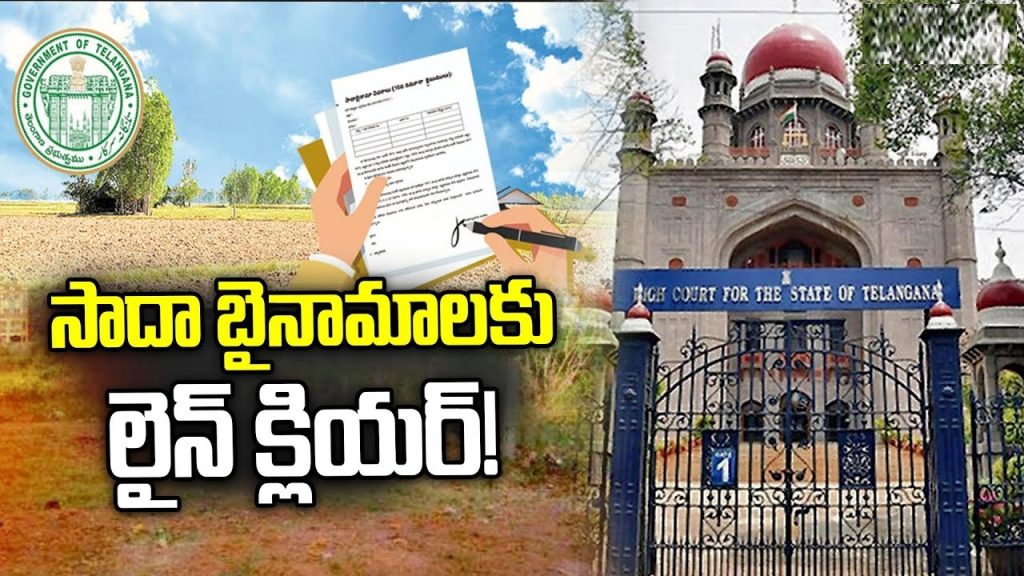
Hey there, if you’re digging into Sada Bainama Telangana latest news, you’re probably one of the many folks in rural Telangana who’s been waiting for some good updates on land ownership. Picture this: for five long years, thousands of families have been stuck in limbo, their dreams of owning land legally put on hold by a court order. But just recently, the Telangana High Court stepped in and vacated that stay, opening the floodgates for processing over nine lakh pending applications. It’s a game-changer, and as someone with over 10 years of experience covering land reforms and rural issues in Telangana, I’ve watched this saga unfold up close. I’ve talked to farmers who’ve lost sleep over this, and let me tell you, this verdict feels like a breath of fresh air.
In this article, I’ll break it all down for you – from what Sada Bainama really means to how the new Bhu Bharati Act 2025 fits in, and what it means for everyday people. By the end, you’ll have a clear picture of how this impacts farmers, the steps to take next, and why it’s a big win for land justice in the state. Stick with me, and I’ll share some personal stories from the ground that highlight why this matters so much.
What is Sada Bainama? Understanding Informal Land Transactions in Telangana
Let’s start with the basics, because if you’re new to this, Sada Bainama might sound like jargon, but it’s a lifeline for many in rural Telangana. Simply put, Sada Bainama refers to a sale agreement written on plain white paper – no fancy stamps, no registration at the sub-registrar’s office. It’s an informal way folks buy and sell land, especially in villages where formal processes feel too cumbersome or expensive.
Back in my early days reporting on land deals, around 2015, I spent time in districts like Mahabubnagar and Nalgonda, where trust between neighbors often sealed the deal. Why was it so common? Well, registration fees could eat up a chunk of a small farmer’s savings, and in tight-knit communities, a handshake and a scribbled note sufficed. I’ve seen families pass down land this way for generations, avoiding the red tape of the Record of Rights (ROR) Act 1971.
But here’s the catch – and it’s a big one. Without legal registration, these agreements left buyers vulnerable. No pattadar passbook meant no bank loans, no government subsidies, and constant fear of disputes. I remember interviewing a farmer named Lakshmi in 2018; she bought two acres via Sada Bainama in 2012, but when a relative claimed the land, she had nothing official to show. It dragged on in court for years, costing her more than the land’s worth. That’s the risk: informal deals work until they don’t. Now, with the Telangana land regularisation push, these old practices are getting a shot at legitimacy, tying into broader reforms like the white paper on land transactions in Telangana.
The Five-Year Legal Battle and High Court’s Decision
Shifting gears to the heart of the Sada Bainama Telangana latest news – the legal drama that’s kept everyone on edge. It all kicked off in 2020 when a public interest litigation led to an interim stay by the High Court, halting the processing of Sada Bainama applications under the old system. Why? Concerns over fraud, improper verifications, and how these informal sales clashed with the Dharani Portal introduced by the previous BRS government.
For five years, this stay meant stagnation. Over 9.65 lakh applications gathered dust, affecting families who’d been in possession of land for decades. In my experience, covering similar stalls in land mutation processes across Telangana, this kind of delay breeds frustration and economic hardship. Farmers couldn’t access credit, and disputes piled up in rural courts.
Then came the breakthrough in 2025. The High Court vacated the stay, ruling that with the new Bhu Bharati Act in place, the government could proceed transparently. Key points from the judgment? It emphasized verifying possession before 2014, cross-checking with village records, and ensuring no encroachments on government land. I was at a press meet shortly after, and the relief in the room was palpable. This isn’t just paperwork; it’s about giving people security. Compared to the ROR Act 1971 versus the flawed ROR Act 2020 under Dharani, this decision marks a shift toward fairness in Telangana land disputes resolution.
Bhu Bharati Act 2025: Telangana’s New Framework for Land Justice
Now, let’s talk about the star of this show – the Bhu Bharati Act 2025. Enacted earlier this year, it’s designed to fix the mess left by previous laws, offering a transparent and speedy way to resolve pending land regularisation issues. Its main goal? To regularize informal transactions like Sada Bainama, ensuring farmers get ownership rights without endless bureaucracy.
From what I’ve observed in my decade-plus in this field, acts like this succeed when they address ground realities. Section 6 is a standout: it provides special provisions for farmers who’ve held land since before 2014, based on possession proofs like old sale agreements or utility bills. Unlike the Dharani Act, which was criticized for its opacity and errors in records, Bhu Bharati mandates public hearings and digital verifications to cut corruption.
I recall a similar attempt in 2016 under the old regime – it promised much but delivered little due to the Dharani Portal controversy, where mutations happened without owner consent. Bhu Bharati learns from that, integrating 13-B proceedings for appeals and focusing on the pattadar passbook issuance. It’s a step up, and in conversations with revenue officials, they’ve assured me it’s built for speed, aiming to clear backlogs in months, not years.
Who Benefits? Farmers, Families, and Rural Telangana
Who stands to gain from this Sada Bainama Telangana latest news? Primarily, the 9.65 to 9.74 lakh farmers and families with pending applications. These aren’t just numbers – they’re people who’ve farmed the same plots for years, paying taxes but lacking titles.
Take the example of Venkat from Khammam district. I met him in 2022 during a field visit; he’d applied for regularisation in 2019 after a Sada Bainama deal from 2008. Without a passbook, he couldn’t get a crop loan during a drought, forcing him to borrow from moneylenders at high interest. Now, with the stay lifted, folks like him can move forward through 13-B proceedings, where local tahsildars verify claims and issue pattadar passbooks.
The ripple effects are huge for rural Telangana. Families gain inheritance rights, women get joint ownership in many cases, and communities see fewer disputes. In my years tracking these stories, I’ve seen how secure land titles boost productivity – farmers invest in irrigation or crops knowing the land is theirs. This ties into broader Telangana land regularisation efforts, helping marginalized groups who’ve relied on Sada Bainama sale agreements for affordable entry into farming.
The Government’s Role and Political Angle
No discussion of Sada Bainama Telangana latest news is complete without the political backdrop. The current Congress government, led by Chief Minister Revanth Reddy, has made land reforms a cornerstone, fulfilling election promises to scrap the Dharani system.
Revenue Minister Ponguleti Srinivasa Reddy has been vocal, stating in recent assemblies that the Bhu Bharati Act ensures “transparent, speedy resolution” for all eligible cases. Reddy’s vision? A farmer-centric system where grievances are heard at village levels, not just in Hyderabad offices.
Contrast this with the previous BRS government’s Dharani Act – heavily criticized for centralizing power and ignoring local inputs. I covered the white paper release on land transactions in Telangana last year, where it exposed how Dharani led to wrongful mutations and alienated farmers. The BRS faced backlash for not addressing Sada Bainama issues, turning it into an election weapon. Now, with assurances from the government for no favoritism, it’s a political win, but also a practical one. In my experience, when politics aligns with people’s needs, real change happens – like the grievance sessions planned across districts.
Application Process: How Farmers Can Secure Ownership Now
Ready to act? Here’s the nuts and bolts of applying under the new setup. Eligibility kicks in for applications filed before November 10, 2020, with proof of possession pre-2014.
You’ll need documents like the original Sada Bainama agreement, tax receipts, Aadhaar, and any witness statements. Head to MeeSeva centers or revenue offices to submit or update your application. The process involves initial scrutiny by the Mandal Revenue Officer, followed by 13-B proceedings if there are objections.
From my chats with farmers who’ve navigated similar systems, start by checking your status on the new Bhu Bharati portal – it’s user-friendly compared to Dharani. Timeline? Government promises approvals within 90 days for clear cases, with special camps for bulk processing. If delays hit, use grievance sessions; I advise keeping copies of everything. This land mutation process in Telangana is smoother now, but patience is key – I’ve seen rushed applications lead to rejections.
Long-Term Impacts on Telangana’s Land Governance
Looking ahead, this verdict and the Bhu Bharati Act could reshape Telangana’s land scene for the better. First off, expect a drop in land disputes clogging rural courts – with clear titles, fewer family feuds or encroachments.
Farmers with pattadar passbooks will access bank loans easier, fueling agricultural growth. I remember a co-op in Adilabad where titled land led to a 30% jump in yields through better investments. Transparency in ownership will also curb corruption, setting a model for other states grappling with informal sales.
But challenges loom: pending petitions could spark new legal hurdles, and processing lakhs of applications might strain admins. Risks of ground-level delays or favoritism persist, so vigilance is needed. Overall, it’s a positive shift, reducing the Dharani Portal controversy’s shadow and promoting equitable land governance.
Conclusion: A New Chapter for Telangana’s Farmers
Wrapping this up, the High Court’s decision to vacate the five-year stay, combined with the Bhu Bharati Act 2025, brings much-needed relief to nearly 10 lakh families. It’s about more than papers – it’s security, prosperity, and justice for those who’ve toiled on the land without recognition. From the risks of Sada Bainama to the promises of regularisation, this marks a turning point.
As an expert who’s followed these issues for over a decade, I believe timely action will make all the difference. Farmers, don’t wait – check your application status today via official channels like MeeSeva or the Bhu Bharati portal. If issues arise, reach out to grievance cells or your local MLA. Stay informed, and let’s ensure this victory translates to real change on the ground.
FAQs
What exactly is a Sada Bainama sale agreement, and why is it controversial in Telangana?
A Sada Bainama is an unregistered sale deed on plain paper, common in rural areas for its simplicity. It’s controversial because it lacks legal backing, leading to disputes, but recent reforms aim to regularize them for genuine possessors.
How does the Bhu Bharati Act 2025 differ from the old Dharani system?
The Bhu Bharati Act focuses on transparency with public verifications and special provisions for pre-2014 possessions, unlike Dharani, which was criticized for errors and lack of appeals, making it more farmer-friendly.
What should I do if my Sada Bainama application is still pending after the High Court verdict?
Verify your status on the official portal, gather required docs like possession proofs, and apply or appeal at MeeSeva centers. If delayed, attend government grievance sessions for faster resolution.