Site icon Telangana NavaNirmana Sena

Revanth Reddy Padayatra: Revitalization Walk Along the Musi River

Introduction to the Musi River Revitalization Plan The Musi River, a once-vibrant waterway flowing through Telangana, holds both historical significance and potential for community development. Recognizing the need for its revival, Chief Minister Revanth Reddy has outlined an ambitious revitalization project aimed at restoring the river’s natural beauty and improving regional infrastructure. Despite opposition, the plan is designed to benefit the entire region, showcasing the government's commitment to environmental restoration and community welfare. Launch of the Musi River Revitalization Yatra In a symbolic gesture marking the start of the Musi River Revitalization, the Telangana government is set to launch a yatra, or pilgrimage, to bring attention to the project’s importance. Beginning at Begumpet Airport, Chief Minister Revanth Reddy will travel by helicopter to Yadagirigutta to seek blessings from the Lakshmi Narasimha Swamy temple, a spiritual step he believes will aid in the successful execution of this endeavor. Following this, he will review developmental activities led by the Yadagirigutta Temple Development Authority. Commencing the Revitalization Walk Along the Musi River The key element of this campaign is the Musi Revitalization Walk, where Chief Minister Revanth Reddy will embark on a padyatra (foot march) along the Musi River’s right bank. This 2.5-kilometer stretch begins at Sangam and ends at Bheema Lingam, showcasing specific areas targeted for the river's ecological and community-centered restoration. The padyatra, starting in the early afternoon, emphasizes the importance of reconnecting with the river and highlights the government's dedication to engaging citizens in the revitalization process. At the culmination of the padyatra, Revanth Reddy will address the gathered crowd from a specially designed “Musi Revitalization Chariot.” This mobile platform will allow him to share his vision, counteract opposing narratives, and rally support for the project’s environmental and social goals. Addressing Opposition and Criticisms As with many large-scale government projects, the Musi River Plan faces scrutiny from opposition parties, which allege potential misuse of funds and question the initiative’s true intent. Critics argue that the plan prioritizes certain benefits while neglecting the needs of local communities. However, Chief Minister Reddy’s approach to moving forward with the plan, despite criticisms, reflects his commitment to the vision. By standing firm, he sends a clear message that the Musi River revitalization will proceed for the greater good of Telangana's people and ecology. The Revitalization Plan’s Broader Impact on Telangana Politics The padyatra and the associated development plans serve not only an environmental purpose but also hold political significance. With the upcoming elections in Telangana, Revanth Reddy’s presence among the public and his focus on an environmentally focused project may strengthen his position, potentially swaying voter opinion. The project serves as a rallying point for local communities and offers a platform for addressing residents’ longstanding concerns about environmental degradation, public health, and regional development. The Path Forward: How the Government Plans to Manage the Musi River Issue Moving forward, the success of the Musi River Revitalization Plan will largely depend on the government’s ability to balance environmental goals with the economic and social needs of affected communities. The plan includes proposals for the construction of sewage treatment plants (STPs) to prevent pollution, initiatives to improve sanitation, and measures to promote green spaces along the riverbanks. Environmental experts and activists continue to call for sustainable development practices, urging the Telangana government to implement long-term policies that address both ecological preservation and community well-being

Introduction to the Musi River Revitalization Plan

The Musi River, a once-vibrant waterway flowing through Telangana, holds both historical significance and potential for community development. Recognizing the need for its revival, Chief Minister Revanth Reddy has outlined an ambitious revitalization project aimed at restoring the river’s natural beauty and improving regional infrastructure. Despite opposition, the plan is designed to benefit the entire region, showcasing the government’s commitment to environmental restoration and community welfare.

Launch of the Musi River Revitalization Yatra

In a symbolic gesture marking the start of the Musi River Revitalization, the Telangana government is set to launch a yatra, or pilgrimage, to bring attention to the project’s importance. Beginning at Begumpet Airport, Chief Minister Revanth Reddy will travel by helicopter to Yadagirigutta to seek blessings from the Lakshmi Narasimha Swamy temple, a spiritual step he believes will aid in the successful execution of this endeavor. Following this, he will review developmental activities led by the Yadagirigutta Temple Development Authority.

Commencing the Revitalization Walk Along the Musi River

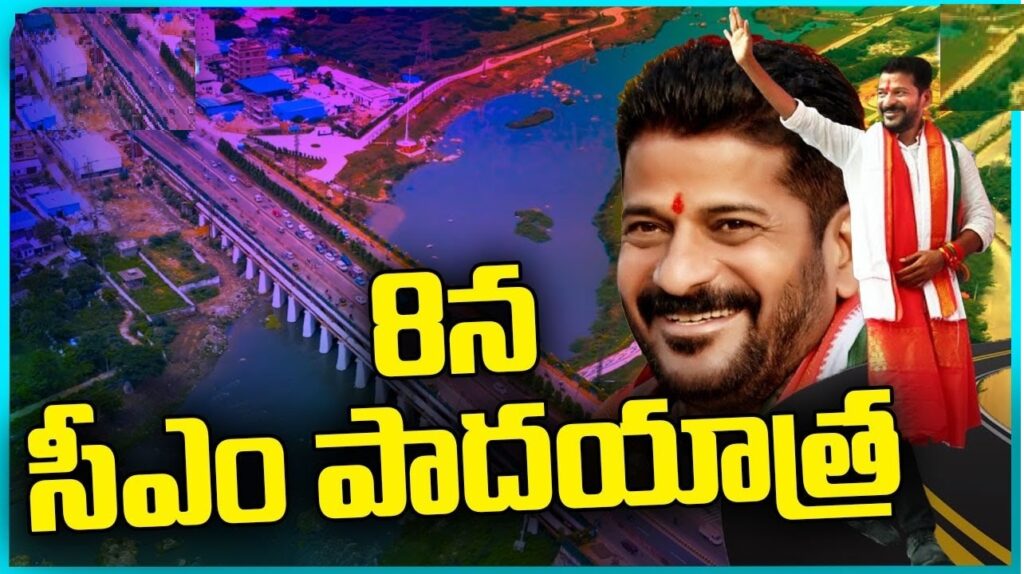
The key element of this campaign is the Musi Revitalization Walk, where Chief Minister Revanth Reddy will embark on a padyatra (foot march) along the Musi River’s right bank. This 2.5-kilometer stretch begins at Sangam and ends at Bheema Lingam, showcasing specific areas targeted for the river’s ecological and community-centered restoration. The padyatra, starting in the early afternoon, emphasizes the importance of reconnecting with the river and highlights the government’s dedication to engaging citizens in the revitalization process.

At the culmination of the padyatra, Revanth Reddy will address the gathered crowd from a specially designed “Musi Revitalization Chariot.” This mobile platform will allow him to share his vision, counteract opposing narratives, and rally support for the project’s environmental and social goals.

Addressing Opposition and Criticisms

As with many large-scale government projects, the Musi River Plan faces scrutiny from opposition parties, which allege potential misuse of funds and question the initiative’s true intent. Critics argue that the plan prioritizes certain benefits while neglecting the needs of local communities. However, Chief Minister Reddy’s approach to moving forward with the plan, despite criticisms, reflects his commitment to the vision. By standing firm, he sends a clear message that the Musi River revitalization will proceed for the greater good of Telangana’s people and ecology.

The Revitalization Plan’s Broader Impact on Telangana Politics

The padyatra and the associated development plans serve not only an environmental purpose but also hold political significance. With the upcoming elections in Telangana, Revanth Reddy’s presence among the public and his focus on an environmentally focused project may strengthen his position, potentially swaying voter opinion. The project serves as a rallying point for local communities and offers a platform for addressing residents’ longstanding concerns about environmental degradation, public health, and regional development.

The Path Forward: How the Government Plans to Manage the Musi River Issue

Moving forward, the success of the Musi River Revitalization Plan will largely depend on the government’s ability to balance environmental goals with the economic and social needs of affected communities. The plan includes proposals for the construction of sewage treatment plants (STPs) to prevent pollution, initiatives to improve sanitation, and measures to promote green spaces along the riverbanks.

Environmental experts and activists continue to call for sustainable development practices, urging the Telangana government to implement long-term policies that address both ecological preservation and community well-being

Exit mobile version