


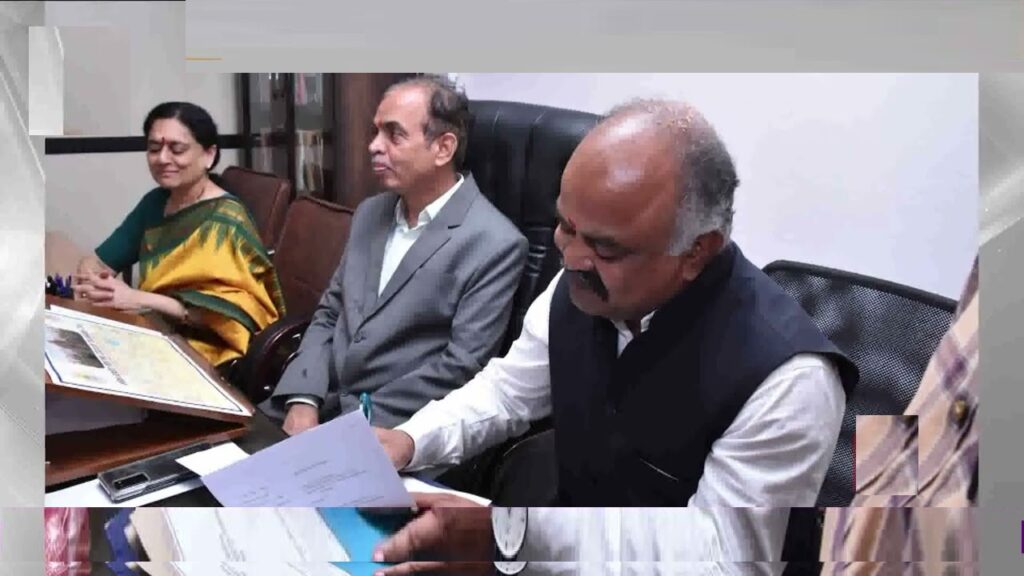
The Telangana Real Estate Regulatory Authority (TSRERA) Rajasheker Reddy appointed as Chairperson Real Estate Appellate Tribunal Telangana , stands as a pivotal institution in the real estate sector, ensuring transparency, accountability, and consumer protection. With real estate transactions often being complex and fraught with risks, TSRERA emerges as a regulatory body to streamline processes and instill trust among stakeholders.
History of TSRERA
The TSRERA was established in the wake of the Real Estate (Regulation and Development) Act, 2016, which aimed to regulate and promote the real estate sector. This legislation was a response to the widespread irregularities and malpractices prevalent in real estate transactions. Telangana, adapting this central act, formed TSRERA to cater specifically to the state’s needs and challenges.
Legal Framework
The backbone of TSRERA lies in the Real Estate (Regulation and Development) Act of 2016, commonly known as RERA. This act mandates all states to form their own regulatory authorities. Telangana swiftly adapted the act, incorporating specific provisions to address local issues, thereby enhancing the efficiency and effectiveness of TSRERA.
Structure of TSRERA
TSRERA is structured to ensure comprehensive oversight of the real estate sector. At the helm are key officials, including the Chairperson and Members appointed by the state government. These officials are entrusted with the authority to enforce regulations, resolve disputes, and ensure compliance with the act.
Functions and Responsibilities
The primary functions of TSRERA revolve around regulating and promoting the real estate sector. This includes ensuring transparency in project advertisements, maintaining a public database of registered projects, and protecting consumers’ interests by enforcing accountability among builders and developers.
Registration Process
Registering a project with TSRERA involves several steps. Developers must submit detailed project information, including land status, approvals, and financial details. Additionally, they need to pay a registration fee. This process is designed to ensure that all projects are thoroughly vetted before being marketed to the public.
Role in Project Approvals
TSRERA plays a crucial role in project approvals. It sets stringent criteria for project registration, ensuring that only those projects which meet all legal and financial requirements are approved. This certification acts as a seal of credibility, enhancing consumer confidence.
Compliance and Monitoring
Builders and developers are required to adhere to strict compliance norms set by TSRERA. The authority employs various monitoring mechanisms, including regular inspections and audits, to ensure ongoing compliance. Non-compliance can lead to severe penalties, ensuring that developers maintain high standards.
Grievance Redressal Mechanism
One of the significant functions of TSRERA is its robust grievance redressal mechanism. Consumers can file complaints regarding any aspect of their real estate transaction. TSRERA then investigates these complaints and provides resolutions, ensuring that consumer rights are protected.
Impact on Real Estate Market
TSRERA has significantly impacted the real estate market in Telangana. The introduction of this regulatory authority has led to increased transparency and reduced fraudulent practices. However, it also faces challenges such as ensuring widespread awareness and dealing with non-cooperative builders.
Consumer Benefits
Consumers stand to gain immensely from TSRERA’s regulations. The assurance of project completion, access to verified project information, and the availability of a grievance redressal mechanism are some of the key benefits that enhance consumer confidence in real estate transactions.
Developer Responsibilities
Developers under TSRERA have clear responsibilities, including timely project completion and adherence to the approved plans. Failure to comply with these obligations can result in penalties, thereby ensuring that developers remain committed to their promises.
Case Studies
Numerous success stories highlight the effectiveness of TSRERA. For instance, there have been cases where TSRERA’s intervention has led to the completion of stalled projects, ensuring that consumers receive their promised homes. These cases underscore the authority’s pivotal role in safeguarding consumer interests.
Future Prospects
Looking ahead, TSRERA is poised to further strengthen its regulatory framework. With ongoing developments and enhancements, the authority aims to address emerging challenges in the real estate sector, ensuring long-term stability and growth.
Conclusion
In summary, the Telangana Real Estate Regulatory Authority plays an indispensable role in the state’s real estate sector. By ensuring transparency, accountability, and consumer protection, TSRERA fosters a more reliable and trustworthy market. Its continued evolution promises to bring even greater benefits to all stakeholders involved in real estate transactions.
FAQs
What is the main function of TSRERA? The main function of TSRERA is to regulate the real estate sector, ensuring transparency, accountability, and consumer protection.
How can consumers check if a project is registered with TSRERA? Consumers can check the registration status of a project on the official TSRERA website, which provides detailed information on all registered projects.
What are the penalties for non-compliance with TSRERA regulations? Penalties for non-compliance can include fines, imprisonment, or both, depending on the severity of the violation.
How does TSRERA ensure transparency in real estate transactions? TSRERA ensures transparency by maintaining a public database of registered projects, enforcing strict advertising guidelines, and providing a platform for consumers to file complaints.
Can TSRERA decisions be challenged in court? Yes, TSRERA decisions can be challenged in the Real Estate Appellate Tribunal and further in higher courts if necessary.