


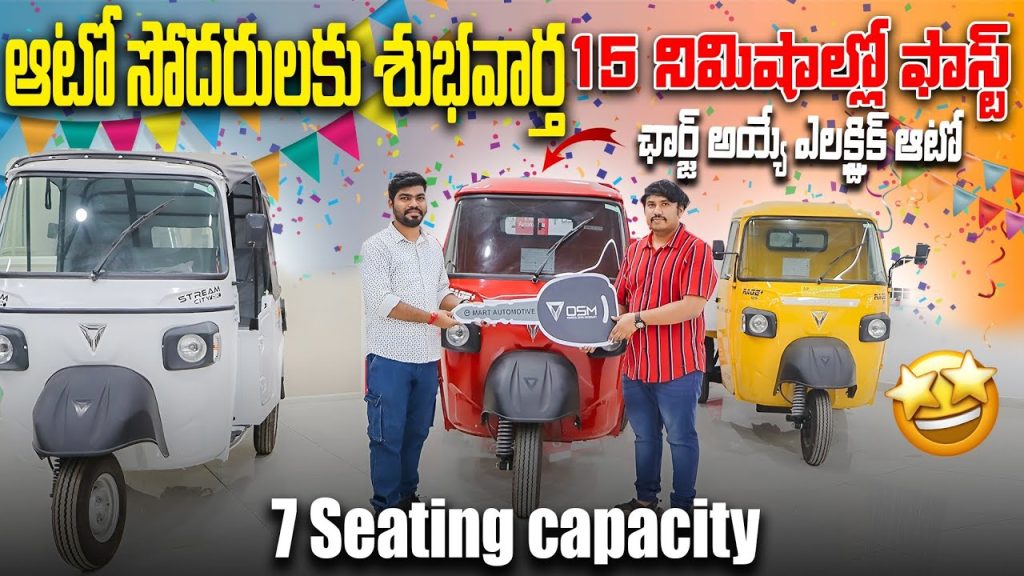
The Government of Telangana has taken a significant step toward promoting sustainable urban transport by issuing new permits for 3-wheeled contract carriages within Hyderabad’s Outer Ring Road (ORR). Announced on June 6, 2025, through G.O.Rt.No.263 by the Transport, Roads, and Buildings (Tr.I) Department, this initiative aims to address the rising demand for eco-friendly transport options while tackling urban challenges like pollution and congestion. In this comprehensive article, we’ll explore the details of this policy, its implications for Hyderabad’s transportation landscape, and how it aligns with the state’s vision for a greener future.
Understanding Telangana’s Push for Sustainable Transport
Hyderabad, a bustling metropolis, has witnessed rapid urbanization and population growth in recent years. This expansion has led to increased traffic congestion, air pollution, and a higher demand for efficient last-mile connectivity. To address these issues, the Telangana government has prioritized sustainable transport solutions, with a focus on electric vehicles (EVs). The new policy, detailed in G.O.Rt.No.263, builds on previous orders to regulate 3-wheeled contract carriages while introducing fresh permits for electric auto rickshaws within the ORR limits.
The decision reflects a broader vision to reduce the city’s carbon footprint and promote cleaner alternatives to traditional diesel and petrol vehicles. By encouraging the adoption of electric three-seater auto rickshaws, the government aims to improve air quality, reduce noise pollution, and create a more sustainable urban environment for Hyderabad’s residents.
Key Highlights of the New Transport Policy
The Transport, Roads, and Buildings Department has outlined several critical aspects of the policy to ensure its effective implementation. Let’s break down the key points:
1. Building on Previous Orders for 3-Wheeled Carriages
The foundation of this policy rests on earlier government orders (G.Os) that regulated 3-wheeled contract carriages in Hyderabad. Specifically:
- G.O.Ms.No.137, issued on October 11, 2002, by the Transport, Roads, and Buildings (Tr.II) Department, laid the groundwork for managing contract carriages.
- G.O.Ms.No.41, released on November 16, 2024, updated the regulatory framework to align with current needs.
- A directive from the Transport Commissioner, TG, Hyderabad (Lr.No.6027/R/2021), dated February 27, 2025, further emphasized the need to control the number of 3-wheeled carriages.
These orders collectively highlight the government’s ongoing efforts to streamline the transport sector while addressing emerging challenges like urban congestion and environmental degradation.
2. Full Exemption of Road Tax and Registration Fees
A major incentive in this policy is the complete exemption of road tax and registration fees for electric three-seater auto rickshaws operating in both Greater Hyderabad Municipal Corporation (GHMC) and non-GHMC areas. This exemption, effective until December 31, 2026, aims to encourage operators to transition to electric vehicles (EVs) by reducing the financial burden of registration and taxation.
This move not only makes electric auto rickshaws a more attractive option for operators but also aligns with Telangana’s broader goal of promoting green mobility. By lowering the cost of entry for EV operators, the government hopes to accelerate the shift away from fossil fuel-based vehicles.
3. Addressing Hyderabad’s Urban Challenges
Hyderabad’s rapid urbanization has brought both opportunities and challenges. The city’s population has grown significantly, leading to the formation of new layouts and residential areas within the ORR. This growth has resulted in a sharp increase in the floating population, putting pressure on the city’s transport infrastructure.
The rise in traffic has also contributed to higher levels of air and noise pollution, prompting the government to take action. The new permits for electric auto rickshaws are a strategic response to these challenges, offering a cleaner and quieter alternative to traditional vehicles. Additionally, the policy aims to curb the menace of illegal liquified petroleum gas (LPG) and compressed natural gas (CNG) auto rickshaws, which have been a growing concern in Hyderabad.
4. Issuing New Permits for Electric Auto Rickshaws
The Transport Commissioner of Telangana, Hyderabad, has been tasked with issuing additional permits for new auto rickshaws within the ORR limits, with specific quotas for different categories of electric three-wheelers. The breakdown is as follows:
| Sl.No. | Vehicle Category | Number of Vehicles |
|---|---|---|
| 1 | New Electric Three-Wheeler Auto Rickshaws | 20,000 |
| 2 | New Three-Wheeler Auto Rickshaws (CNG) | 10,000 |
| 3 | New Three-Wheeler Auto Rickshaws (LPG) | 10,000 |
| 4 | Retrofitted Electric Three-Wheeler Auto Rickshaws | 25,000 |
These quotas reflect the government’s commitment to promoting electric vehicles while allowing a balanced mix of fuel types to meet the city’s diverse transport needs. The inclusion of retrofitted electric auto rickshaws also encourages operators to upgrade existing vehicles, further supporting the transition to greener alternatives.
5. Ensuring Fair Permit Issuance
To prevent misuse and ensure equitable access, the Transport Commissioner has been directed to issue only one permit per person. This measure aims to avoid monopolization of permits and ensure that a wider pool of operators can benefit from the policy. Additionally, the government has prohibited the transfer of old permits or the issuance of new permits for diesel and petrol vehicles within the ORR, reinforcing its focus on sustainable transport options.
6. Implementation and Oversight
The Transport Commissioner, TG, Hyderabad, is responsible for issuing necessary permissions to District Transport Officers and providing clear guidelines for the policy’s implementation. This structured approach ensures that the rollout of new permits is efficient, transparent, and aligned with the government’s objectives.
Why This Policy Matters for Hyderabad’s Future
The introduction of new permits for electric auto rickshaws is a game-changer for Hyderabad’s transport sector. Here’s why this policy is a step in the right direction:
Promoting Environmental Sustainability
Electric auto rickshaws produce zero tailpipe emissions, making them a vital tool in the fight against air pollution. Hyderabad, like many Indian cities, struggles with poor air quality, which has serious health implications for residents. By incentivizing the adoption of electric three-wheelers, the government is taking proactive steps to reduce the city’s carbon footprint and improve public health.
Reducing Noise Pollution
Traditional auto rickshaws, particularly those running on diesel or petrol, contribute significantly to noise pollution in urban areas. Electric auto rickshaws, on the other hand, operate much more quietly, creating a more pleasant environment for both residents and commuters. This reduction in noise pollution is especially important in densely populated areas within the ORR.
Enhancing Last-Mile Connectivity
Auto rickshaws play a crucial role in providing last-mile connectivity, helping commuters bridge the gap between public transport hubs and their final destinations. The addition of 65,000 new auto rickshaws (including 45,000 electric ones) will significantly improve access to affordable and reliable transport options, making it easier for Hyderabad’s residents to navigate the city.
Supporting Economic Growth
The policy also has economic benefits, particularly for auto rickshaw operators. The exemption of road tax and registration fees reduces the cost of operating electric vehicles, making it a financially viable option for small-scale operators. Additionally, the focus on retrofitted vehicles allows existing operators to upgrade their fleets without incurring the cost of purchasing new vehicles.
Challenges and Opportunities in Implementing the Policy
While the policy is a promising step forward, its success will depend on effective implementation and addressing potential challenges. Let’s explore some of the opportunities and hurdles that lie ahead.
Opportunities for Growth
- Expansion of EV Infrastructure: The increased adoption of electric auto rickshaws will likely drive demand for charging infrastructure. This presents an opportunity for public and private stakeholders to collaborate on building a robust network of charging stations across Hyderabad.
- Job Creation: The policy will create new opportunities for auto rickshaw operators, mechanics, and technicians specializing in electric vehicles. This can contribute to local employment and skill development.
- Public Awareness: The government can leverage this initiative to raise awareness about the benefits of electric vehicles, encouraging more residents to adopt sustainable transport options.
Potential Challenges
- Charging Infrastructure Gaps: While the policy promotes electric auto rickshaws, the lack of widespread charging infrastructure could hinder their adoption. The government will need to work with stakeholders to ensure that operators have easy access to charging stations.
- Operator Compliance: Ensuring that operators adhere to the one-permit-per-person rule and avoid illegal practices (such as using LPG/CNG in unauthorized vehicles) will require strict enforcement and monitoring.
- Public Acceptance: While electric auto rickshaws offer numerous benefits, some commuters may be hesitant to switch from traditional vehicles due to concerns about reliability or availability. Public awareness campaigns can help address these concerns and build trust in the new system.
How Hyderabad Compares to Other Indian Cities
Hyderabad is not the first Indian city to promote electric auto rickshaws, but its approach is notable for its scale and ambition. Cities like Delhi and Bengaluru have also introduced policies to encourage EV adoption in the transport sector, with varying degrees of success.
- Delhi: The Delhi government has implemented the Delhi Electric Vehicle Policy, which offers subsidies and incentives for electric auto rickshaws. However, challenges like limited charging infrastructure and high upfront costs have slowed adoption.
- Bengaluru: Bengaluru has seen a rise in electric auto rickshaws through private initiatives, with companies like MetroRide offering app-based e-rickshaw services. The Karnataka government has also provided incentives to promote EV adoption.
Hyderabad’s policy stands out for its comprehensive approach, combining tax exemptions, permit quotas, and a focus on retrofitted vehicles. By addressing both supply (through permits) and demand (through financial incentives), Telangana is positioning Hyderabad as a leader in sustainable urban transport.
The Road Ahead: Telangana’s Vision for Green Mobility
The issuance of new permits for electric auto rickshaws is just one part of Telangana’s broader vision for green mobility. The state has set ambitious targets to reduce greenhouse gas emissions and transition to a low-carbon economy. This policy aligns with national initiatives like the Faster Adoption and Manufacturing of (Hybrid &) Electric Vehicles (FAME) scheme, which aims to promote EV adoption across India.
Moving forward, the Telangana government can build on this momentum by:
- Investing in Infrastructure: Expanding the network of charging stations and creating dedicated lanes for electric auto rickshaws can further incentivize their adoption.
- Strengthening Enforcement: Regular inspections and penalties for non-compliance can ensure that operators adhere to the policy’s guidelines.
- Encouraging Innovation: Partnering with startups and tech companies to develop innovative solutions, such as battery-swapping stations or app-based ride-hailing services, can enhance the efficiency of electric auto rickshaws.
Conclusion: A Greener Future for Hyderabad
The Telangana government’s decision to issue new permits for 3-wheeled electric auto rickshaws marks a significant milestone in Hyderabad’s journey toward sustainable urban transport. By prioritizing electric vehicles, the state is addressing critical challenges like air pollution, noise pollution, and traffic congestion while improving last-mile connectivity for residents.
With a clear focus on implementation, oversight, and public awareness, this policy has the potential to transform Hyderabad’s transport landscape. As the city continues to grow, initiatives like these will play a crucial role in ensuring that Hyderabad remains a livable, vibrant, and environmentally conscious metropolis.
For auto rickshaw operators, commuters, and environmental advocates alike, this policy is a win-win, paving the way for a cleaner, greener, and more connected Hyderabad. As Telangana leads by example, other states can look to this model as a blueprint for promoting sustainable transport in their own cities.