


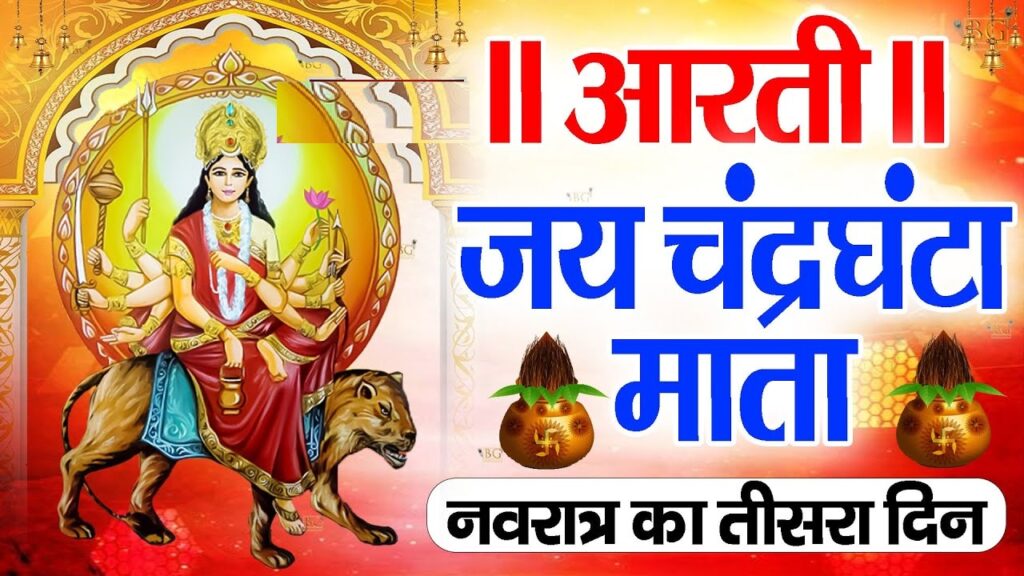
As Navratri unfolds, devotees across India immerse themselves in the nine-day celebration dedicated to Goddess Durga. One of the most significant days during this festival is the third day, which honors Maa Chandraghanta, a powerful manifestation of the goddess. On this day, believers perform rituals and prayers with great devotion to seek her divine blessings.
The Significance of Day 3 in Navratri
The third day of Shardiya Navratri 2024 is dedicated to Maa Chandraghanta, who symbolizes bravery and protection. The goddess is depicted riding a fierce tiger, signifying her strength to vanquish evil. Her ten arms hold a variety of weapons, and her serene face radiates calmness amidst battle. This imagery inspires devotees to confront their inner fears and challenges with courage and grace.
How to Perform Maa Chandraghanta’s Puja
Worshipping Maa Chandraghanta on the third day of Navratri involves specific rituals and offerings. Here’s a step-by-step guide to ensure the puja is conducted flawlessly:
- Purification and Clean Attire: Start the day by taking a bath and wearing clean or new clothes, symbolizing purity.
- Setting Up the Altar: Place the idol of Maa Chandraghanta on a clean platform in your worship area.
- Offering Rituals: Bathe the idol with saffron, Ganga water, and kewra essence. Adorn the goddess with fresh clothes, preferably in yellow, and offer jasmine flowers, panchamrit, and sugar.
- Lighting of Lamps: Light an oil lamp and incense sticks to purify the space and invoke the presence of Maa Chandraghanta.
- Chanting of Mantras: Recite the Vedic mantras and prayers to invoke the goddess’s blessings.
- Special Offerings (Bhog): The offering of kheer (rice pudding) and milk-based sweets is a must during this ritual, as it is said to please Maa Chandraghanta.
- Concluding with Aarti: Complete the ritual by performing aarti, where the lamp is circled around the goddess in devotion.
- Apology for Mistakes: It’s common to conclude by asking for forgiveness for any mistakes made during the worship.
The Symbolism of Maa Chandraghanta
Maa Chandraghanta, often associated with the moon, is believed to bring tranquility and harmony into the lives of her devotees. The half-moon bell (or Chandraghanta) on her forehead signifies the calming sound of her divine protection, keeping away negativity and fear. Devotees are urged to maintain a calm mind and focus on their spiritual growth during this day of Navratri.
The Color of the Day: Grey
The color grey is symbolic for the third day of Navratri, representing neutrality, balance, and calmness. Wearing grey during the worship of Maa Chandraghanta is believed to invite her blessings for inner strength and emotional balance. This color also resonates with the idea of finding peace amidst chaos, a key theme of her divine form.
Maa Chandraghanta’s Favorite Offerings
During the puja, offering the right items is essential. The favorite food offerings (bhog) of Maa Chandraghanta include:
- Kheer (milk pudding)
- Milk-based sweets
- Yellow-colored flowers such as marigolds and jasmine
- White lotus flowers are also considered auspicious
These offerings are believed to please the goddess, bringing prosperity and happiness to the devotee’s life.
Chanting the Stuti Mantra
Devotees often recite the following stuti mantra to invoke the blessings of Maa Chandraghanta:
“Ya Devi Sarvabhuteshu Maa Chandraghanta Rupena Samsthita, Namastasyai Namastasyai Namastasyai Namo Namah.”
This mantra praises the goddess for her divine form and seeks her protection from evil forces.
Understanding the Deeper Cultural Roots
Navratri is not only about the spiritual practices but also a time for communities to come together and celebrate their shared heritage. In different parts of India, particularly Gujarat, Navratri is a time for Garba and Dandiya Raas, where devotees dance in circles to the beat of traditional Gujarati folk music.
The Garba dance, performed around a clay lantern called the Garbi, symbolizes life and fertility. This ancient tradition continues to evolve, with new flavors added each year. Many cultural associations introduce local delicacies and crafts during Navratri, allowing people to reconnect with their roots.
As Bhavik Shah from the Cyberabad Gujarati Association mentions, “Garba is not just a dance; it is a tribute to Goddess Durga, the life-giver. The Garbi, or the clay lantern, symbolizes the womb, the core of creation, and through our dance, we honor this feminine energy.”
Navratri as a Time for Community and Unity
Beyond the religious significance, Navratri is a time of bonding and unity. As Krupa Bhagat, a financial analyst from Miyapur, states, “We wait for this festival all year. It’s a moment to feel connected to our homeland, to enjoy the prayers, the Garba, the delicious food, and to be united as a community.”
In various cities and towns, the festival brings people together regardless of their background. It is a shared cultural experience that strengthens ties within the community.
Conclusion: Embracing the Spirit of Navratri 2024
Navratri 2024 is not just a religious observance but a celebration of life, culture, and spiritual awakening. The third day, devoted to Maa Chandraghanta, inspires devotees to face their challenges with courage, grace, and balance. By participating in these rituals and immersing in the celebration of Navratri, devotees feel a deeper connection to the divine and to their cultural roots.
So, as the festivities continue, let the blessings of Maa Chandraghanta guide you toward strength, peace, and prosperity throughout the remainder of Navratri 2024.