


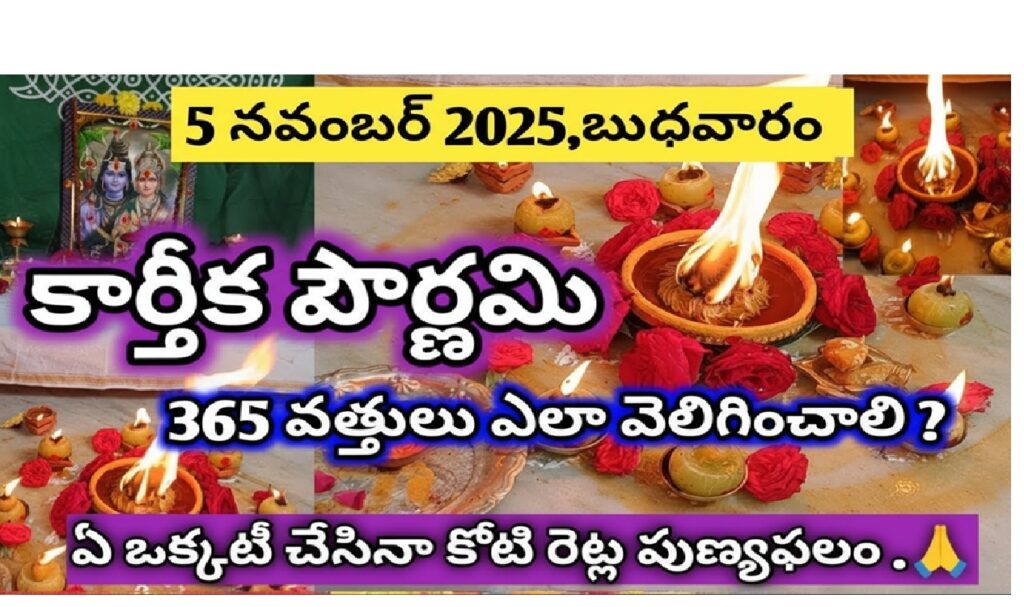
Karthika Pournami 2025 stands as one of the most sacred and spiritually significant festivals in the Hindu calendar, marking the culmination of the holy month of Kartik. This divine celebration, also known as Kartik Purnima, Tripurari Purnima, and Dev Deepawali, falls on Wednesday, November 5, 2025, bringing together millions of devotees across India and around the world in worship, devotion, and spiritual awakening. The festival represents the triumph of light over darkness, divine grace over ignorance, and spiritual illumination over worldly attachments, making it an essential occasion for those seeking blessings, prosperity, and liberation.
Karthika Pournami 2025 Date and Purnima Tithi Timings
Understanding the precise timing of Karthika Pournami is crucial for devotees planning to observe this sacred day with appropriate rituals and ceremonies. According to the Hindu Panchang for 2025, the Purnima Tithi begins at 10:36 PM on Tuesday, November 4, 2025, and concludes at 6:48 PM on Wednesday, November 5, 2025. Following the traditional practice of observing festivals during the Udaya Tithi (sunrise period), scholars and pandits recommend celebrating Karthika Pournami on November 5, 2025, as the Purnima Tithi remains active during sunrise on this day.
The moonrise on this auspicious day occurs at 5:11 PM, creating a celestial alignment that amplifies the spiritual energy available to devotees. This timing holds particular significance as evening rituals and lamp lighting ceremonies traditionally commence during moonrise, symbolizing the divine illumination that dispels the darkness of ignorance and negativity.
Auspicious Timings for Sacred Rituals and Worship
The effectiveness of spiritual practices performed on Karthika Pournami depends significantly on choosing the right muhurat (auspicious timing). The 2025 celebration offers several powerful time windows for different religious activities:
Brahma Muhurta for Holy Bath and Charity: The most sacred time for Kartik Snan (holy bath) and Daan (charity) falls during Brahma Muhurta, between 4:52 AM and 5:44 AM on November 5. This pre-dawn period carries exceptional spiritual potency, and taking a dip in sacred rivers during this window is believed to wash away accumulated sins and grant divine merit equivalent to thousands of holy baths performed throughout the year.
Morning Puja Muhurat: For devotees performing worship rituals in the morning, the auspicious timing extends from 7:58 AM to 9:20 AM. This period remains ideal for conducting elaborate pujas, reciting sacred texts, and offering prayers to Lord Vishnu, Lord Shiva, and Goddess Lakshmi.
Evening Pradosh Kaal Puja: The evening worship window, particularly significant for Deepdaan (lamp offering), spans from 5:15 PM to 7:05 PM. This timing coincides with sunset and moonrise, creating a spiritually charged atmosphere perfect for lighting lamps, performing Ganga Aarti, and offering evening prayers.
The Profound Spiritual Significance of Karthika Pournami
Karthika Pournami carries multifaceted spiritual importance that transcends ordinary full moon days, making it one of the holiest occasions in Hindu tradition. The festival’s significance stems from several divine events and mythological narratives that occurred on this sacred day.
Lord Shiva’s Victory Over Tripurasura: According to ancient scriptures, Karthika Pournami commemorates Lord Shiva’s triumph over the demon Tripurasura, who had built three formidable flying cities and terrorized the universe. Lord Shiva destroyed these three cities with a single arrow, earning the name “Tripurari” (destroyer of the three cities). This mythological event symbolizes the destruction of ego, desire, and ignorance—the three metaphorical cities that imprison the human soul. The festival thus celebrates not just a divine victory but the potential for every devotee to overcome their inner demons through spiritual practice and devotion.
Lord Vishnu’s Matsya Avatar: Karthika Pournami also marks the day when Lord Vishnu manifested as Matsya, his first incarnation, to save the Vedas and humanity from the great deluge. This divine intervention demonstrated the protective aspect of the supreme consciousness and established the principle that dharma (righteousness) and sacred knowledge would always be preserved regardless of cosmic challenges
Birth of Lord Kartikeya: The festival celebrates the birth of Lord Kartikeya (also known as Murugan, Skanda, or Subrahmanya), the warrior son of Lord Shiva and Goddess Parvati. Born from six divine sparks that emerged from Lord Shiva and nurtured by the Krittikas (six celestial handmaidens), Kartikeya represents courage, valor, and the divine energy that defeats negative forces. His birth on this day adds another layer of significance, particularly for devotees seeking strength, wisdom, and protection from adversities.
Dev Deepawali – The Festival of Gods: Karthika Pournami is celebrated as Dev Deepawali, meaning the “Diwali of the Gods”. According to Hindu beliefs, on this sacred night, all the gods and goddesses descend to Earth, particularly to the ghats of Varanasi (Kashi), to celebrate the divine victory and witness the spectacular illumination created by millions of earthen lamps. This celestial gathering creates an atmosphere of unprecedented spiritual energy, making any worship or charitable act performed on this day exponentially more powerful.
Sacred Karthika Pournami Puja Rituals and Observances
Observing Karthika Pournami with proper rituals ensures devotees receive maximum spiritual benefits and divine blessings. The traditional observance includes several interconnected practices that purify the body, mind, and soul.
Pre-Dawn Holy Bath (Kartik Snan): The day begins with a sacred bath, ideally taken in holy rivers such as the Ganges, Yamuna, Godavari, Krishna, or Narmada. This Kartik Snan holds exceptional purifying power, believed to remove sins accumulated over countless lifetimes and grant moksha (liberation) from the cycle of birth and death. For devotees unable to visit sacred rivers, mixing Ganga Jal (holy Ganges water) into bathing water at home serves the same spiritual purpose. During the bath, devotees should meditate on Lord Vishnu or Lord Shiva while chanting appropriate mantras such as “Om Namo Narayanaya” or “Om Namah Shivaya”.
Sankalp (Sacred Vow): After the purifying bath, devotees take a Sankalp—a formal vow declaring their intention to observe the Karthika Pournami fast and perform worship for the well-being, prosperity, and happiness of their family. This conscious commitment creates a spiritual contract that focuses the devotee’s energy and intention throughout the day.
Morning Worship of Deities: The main puja involves worshiping Lord Vishnu, Goddess Lakshmi, Lord Shiva, and Goddess Parvati with complete devotion. The worship setup includes installing idols or pictures of these deities on a clean altar covered with red or yellow cloth, offering traditional items like flowers, incense, ghee lamps, sandalwood paste, turmeric, kumkum, rice grains (akshat), fruits, and sweets. Many devotees perform elaborate rituals including Rudrabhishekam for Lord Shiva, Satyanarayan Puja for Lord Vishnu, and special offerings to Goddess Lakshmi for prosperity
365-Lamp Deep Aradhana: One of the most distinctive traditions of Karthika Pournami involves lighting 365 wicks or lamps, symbolizing continuous devotion throughout all 365 days of the year. This spectacular ritual, performed especially in Telangana and Andhra Pradesh, represents uninterrupted spiritual practice and remembrance of the divine. The lamps are typically arranged in traditional patterns using banana stem pieces as lamp holders, creating a magnificent display of light that illuminates homes, temples, and riverbanks.
Tulsi Worship: The sacred Tulsi (holy basil) plant receives special veneration on Karthika Pournami, as the entire Kartik month is considered the wedding season of Tulsi and Lord Vishnu. Devotees adorn the Tulsi plant with traditional wedding items like bangles, vermillion, and sarees, offer prayers, perform circumambulation (parikrama), and present food offerings. This ritual honors the divine feminine energy represented by Tulsi and invokes blessings for domestic harmony and spiritual growth.
Fasting Rules and Breaking the Fast (Vrat Vidhi and Parana)
The Karthika Pournami fast follows specific guidelines that maximize its spiritual effectiveness while maintaining the devotee’s physical well-being. Observers typically consume only water, fruits, milk, and simple vegetarian preparations throughout the day, completely avoiding grains, spices, onions, garlic, tea, coffee, tobacco, and any tamasic (heavy or impure) foods. Some dedicated practitioners observe Nirjala fast, abstaining even from water until the fast is broken in the evening.
The day should be spent in spiritual activities including mantra chanting, reading sacred texts like the Bhagavad Gita or Vishnu Purana, visiting temples, and performing acts of charity. Breaking the fast (Parana) occurs in the evening after offering Arghya (water offering) to the moon and performing Deepdaan. Before consuming food, devotees should donate items like food, clothing, sesame seeds, ghee, or rice to Brahmins or those in need, accompanied by Dakshina (monetary offering) according to their capacity. The first meal typically consists of fruits, milk-based preparations, or light vegetarian food.
Deep Daan – The Sacred Lamp Offering Ritual
Deep Daan (lamp offering) represents the central ritual of Karthika Pournami, symbolizing the victory of light over darkness and knowledge over ignorance. This ancient practice involves lighting earthen lamps filled with mustard oil or desi ghee and placing them in significant locations to honor the divine and invite spiritual illumination.
Devotees light lamps in odd numbers considered particularly auspicious—5, 7, 11, 21, 51, 101, or even 365 wicks in a single large lamp. These diyas are strategically placed under Tulsi or Peepal trees, in the prayer room, at the main entrance of homes, on terraces, balconies, along riverbanks, and floating in sacred waters. The ritual of floating lamps in rivers, particularly beautiful to witness on the ghats of Varanasi, creates a mesmerizing spectacle as thousands of tiny flames drift on the water’s surface, reflecting divine light back to the heavens.
Charity and Donations – The Power of Kartik Daan
Charity (Daan) performed on Karthika Pournami carries extraordinary spiritual power, generating merit (Punya) that lasts as long as the sun and moon continue to shine. The scriptures emphasize that charitable acts on this day bring blessings equivalent to performing major sacrificial rituals like Ashvamedha Yagna.
Food and Grains (Annadaan): Donating staple foods like rice, wheat, pulses, or cooked meals represents one of the highest forms of charity, as it directly sustains life and alleviates hunger. On Karthika Pournami, Annadaan pleases both Goddess Annapurna (the deity of nourishment) and Goddess Lakshmi, bringing prosperity and abundance into the donor’s life.
Clothing (Vastradaan): Offering new clothes to the poor and needy strengthens one’s financial position and enhances social respect and prestige. This act of compassion recognizes the basic human need for dignity and protection from the elements.
Sesame Seeds, Ghee, and Oil: These traditional offerings carry specific spiritual significance, with sesame seeds representing longevity and ghee symbolizing purity and divine illumination.
Monetary Donations and Essential Items: Contributing money, household necessities, or supporting religious institutions and charitable causes generates lasting positive karma. The key principle is that all donations should be made with pure intentions, without expectation of return, and accompanied by proper Sankalp.
Karthika Masam – The Sacred Month of Spiritual Observances
Understanding Karthika Pournami requires appreciation of the entire Kartik month (Karthika Masam), which represents the most spiritually potent period in the Hindu calendar. This eighth lunar month, falling during October-November, is dedicated to Lord Shiva and Lord Vishnu, who are believed to exist in divine union during this time.
Daily Lamp Lighting (Deepa Aradhana): Throughout the month, devotees light oil lamps every evening, particularly before images of deities and under sacred Tulsi plants. This daily practice, called Deepa Aradhana, symbolizes dispelling internal darkness and ignorance while illuminating consciousness with spiritual wisdom
Karthika Somavara (Mondays in Kartik Month): Mondays during Kartik month hold special significance for Lord Shiva’s devotees. The four Kartik Mondays in 2025 fall on October 27, November 3, November 10, and November 17. Devotees observe fasts on these Mondays, breaking them only after sighting the moon in the evening, and perform Rudrabhishekam with offerings of bilva leaves, flowers, and cooked rice.
Kartik Ekadashi: The eleventh day (Ekadashi) of Kartik month, also known as Prabodhini Ekadashi, marks the end of Chaturmas (four-month period of penance) and begins the five-day festival culminating in Karthika Pournami. Fasting on Kartik Ekadashi purifies the body and mind while bringing renewed energy and spiritual focus.
Dev Deepawali Celebrations in Varanasi
Varanasi (Kashi), India’s holiest city, transforms into a celestial realm during Dev Deepawali on Karthika Pournami. The ancient ghats along the Ganges River illuminate with more than one million earthen lamps, creating one of the world’s most spectacular spiritual displays.
The celebration includes grand Ganga Aarti ceremonies performed simultaneously on multiple ghats, with hundreds of priests waving massive multi-tiered oil lamps in synchronized choreography while chanting Vedic hymns. The spectacle is enhanced by modern additions like 3D projection mapping, laser shows, and eco-friendly aerial fireworks that light up the sky above the sacred river. Devotees believe that bathing in the Ganges and witnessing the Ganga Aarti on this night grants liberation from the cycle of rebirth
Regional Celebrations Across India
Pushkar Fair in Rajasthan: The famous Pushkar Camel Fair coincides with Karthika Pournami, running from October 30 to November 5, 2025. This week-long extravaganza combines spiritual devotion with cultural festivities, as thousands of pilgrims take holy dips in Pushkar Lake while attending camel races, folk performances, and traditional markets. The fair culminates on Kartik Purnima when the spiritual merit of bathing in Pushkar’s sacred waters reaches its peak.
Boita Bandana in Odisha: The people of Odisha celebrate their rich maritime heritage through Boita Bandana (boat festival) on Karthika Pournami. In the early morning, devotees float miniature boats made from banana stems, paper, or cork in rivers and water bodies, commemorating the ancient Sadhabas (Odia maritime traders) who sailed to Southeast Asia. This unique tradition honors Odisha’s 2,500-year-old seafaring history while reinforcing cultural identity and pride.
Spiritual Benefits and Divine Blessings
The scriptures and spiritual teachers enumerate numerous benefits for sincere observers of Karthika Pournami. Material benefits include removal of financial obstacles, success in endeavors, protection from negative forces, family harmony, and overall prosperity. More importantly, spiritual benefits encompass purification of accumulated karmas, rapid advancement on the spiritual path, increased devotion and detachment from worldly attachments, direct experience of divine presence, and significant progress toward moksha (liberation).
The day is particularly auspicious for fulfilling desires, as prayers offered with pure intention receive divine blessing from Lord Vishnu, Lord Shiva, and Goddess Lakshmi. However, spiritual masters emphasize that the highest benefit comes from performing all rituals with selfless devotion, without attachment to results, allowing divine grace to work according to cosmic law.
Mantras and Prayers for Karthika Pournami
Chanting sacred mantras amplifies the spiritual energy of Karthika Pournami observances. Essential mantras include:
For Lord Vishnu: “Om Namo Narayanaya” or “Om Vishnave Namah” invokes the sustaining and preserving aspect of divine consciousness.
For Goddess Lakshmi: “Om Shreem Hreem Shreem Kamale Kamalalaye Praseed Praseed Shreem Hreem Shreem Mahalakshmyai Namah” attracts prosperity and abundance
For Lord Shiva: “Om Namah Shivaya” connects devotees with the transformative power of consciousness.
For the Moon: “Om Som Somaya Namah” or “Om Chandraya Namah” honors Chandra (the moon deity), whose energy peaks on Purnima
Conclusion – Embracing Divine Light and Spiritual Transformation
Karthika Pournami 2025 offers a precious opportunity for spiritual renewal, karmic purification, and divine communion. By observing this sacred day with proper rituals, sincere devotion, and charitable actions, devotees align themselves with cosmic energies that facilitate rapid spiritual evolution. The festival’s emphasis on light—both external lamps and internal illumination—reminds practitioners that true worship involves dispelling the darkness of ignorance within the heart while spreading compassion and wisdom in the world.
Whether taking a holy dip in the Ganges at Varanasi, lighting 365 lamps at home, participating in the Pushkar Fair, or floating miniature boats in Odisha, each tradition serves the common purpose of reconnecting with the divine essence that transcends all forms. As millions of lamps flicker across India on this sacred night, they mirror the awakening of consciousness within countless souls, making Karthika Pournami truly a celebration of humanity’s eternal journey from darkness to light, from bondage to liberation, from ignorance to enlightenment.