


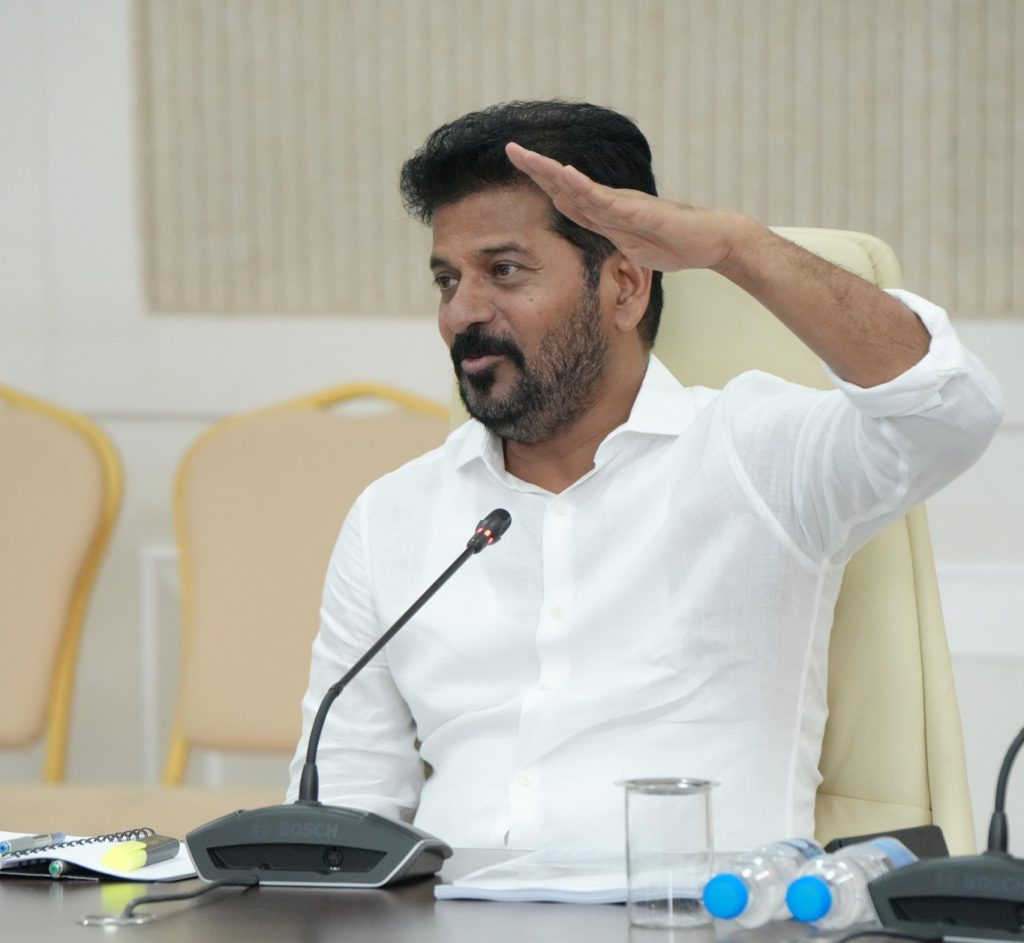
Chief Minister A. Revanth Reddy actively drives Telangana’s transformation, envisioning the Core Urban City as a shining model of progress. This ambitious plan positions Hyderabad as a global benchmark for urban living, blending top-tier infrastructure with a deep commitment to social welfare. As families flock to the Greater Hyderabad area from across districts and states, the government ramps up efforts to create a city that supports everyone, from the underprivileged to the middle class. With a focus on essential services like education, healthcare, and sanitation, Telangana aims to elevate living standards while embracing sustainability and innovation.
This initiative, dubbed “Telangana Rising Core Urban City,” emerges as a comprehensive strategy to tackle urban challenges head-on. Revanth Reddy emphasizes that true development measures success not just by skyscrapers or aesthetics but by how well it uplifts the poor and middle class. During a key meeting, Special Chief Secretary Jayesh Ranjan presented 111 proposals under five core components, outlining a roadmap for this vision. The Chief Minister issued clear directives to officials, urging them to prioritize reforms that deliver real, tangible benefits. From revamping schools to ensuring clean streets and efficient traffic, every aspect aligns with global standards while addressing local needs.
In this article, we explore the multifaceted plan, diving into each pillar of development. We highlight how these initiatives foster a cleaner, greener, and more equitable Hyderabad, making it an attractive destination for residents, businesses, and tourists alike. By integrating keywords like “Hyderabad urban development,” “Telangana sustainable city,” and “Revanth Reddy urban reforms,” this piece sheds light on the strategies that could redefine urban India.
Hyderabad Urban Development: Prioritizing Quality Education for All in Telangana
Education stands at the heart of Revanth Reddy’s vision for Telangana Rising. He directs officials to implement sweeping reforms that guarantee universal access to high-quality primary education, recognizing it as a cornerstone of human development. In Hyderabad, where migration swells school enrollments, the government identifies all institutions under the Greater Hyderabad Municipal Corporation (GHMC), corporations, and municipalities. This inventory ensures no child falls through the cracks.
Officials classify schools into three distinct categories: Nursery to 4th class, 5th to 8th class, and 9th to Intermediate. This standardization streamlines resources and elevates teaching quality across the board. The Chief Minister insists on starting with the foundational Nursery to 4th class schools, where early learning shapes futures. To achieve this, the plan calls for constructing modern school buildings on reclaimed government land, optimizing space in a densely populated city like Hyderabad.
One innovative approach involves consolidating four to five under-resourced schools into a single, well-equipped campus. This move maximizes efficiency, allowing better allocation of teachers, facilities, and funds. Parents from poor and middle-class backgrounds often struggle with education costs, so the initiative includes providing breakfast, lunch, and snacks at school. Additionally, government transport eases the burden, ensuring children arrive safely without straining family budgets.
The Education Department receives immediate instructions to draft and execute this plan. By focusing on these reforms, Telangana aims to build a generation equipped for global challenges. Imagine a child from a rural migrant family attending a state-of-the-art school in Hyderabad, receiving nutritious meals and quality instruction—this is the reality Revanth Reddy envisions. Such efforts not only boost literacy rates but also drive economic growth, as educated youth contribute to the state’s thriving IT and biotech sectors.
Expanding on this, the plan integrates technology into classrooms, potentially introducing digital tools for interactive learning. While the core directives emphasize accessibility, supplementary measures could include teacher training programs to enhance pedagogy. In a city like Hyderabad, known for its educational hubs, these changes position Telangana as a leader in inclusive education. Experts predict that within a few years, enrollment rates could surge, reducing dropout figures and fostering social mobility.
Universal Healthcare Access: Revanth Reddy’s Push for Health Equity in Hyderabad
Healthcare emerges as another critical pillar in the Telangana Rising initiative. Chief Minister Revanth Reddy mandates the establishment of special clinics that deliver immediate medical care to the poor, bridging gaps in a system often overwhelmed by urban influx. In Hyderabad, where diverse populations converge, accessible healthcare prevents minor issues from escalating into crises.
These clinics focus on primary care, offering consultations, diagnostics, and treatments without the barriers of high costs or long waits. By prioritizing the underprivileged, the government ensures that health services reach slums and low-income neighborhoods first. This approach aligns with global models like those in Singapore or European cities, where universal access underpins public health success.
Revanth Reddy’s directives extend to integrating healthcare with other urban services, creating a holistic ecosystem. For instance, mobile health units could patrol high-density areas, providing on-the-spot checkups. The plan also emphasizes preventive care, such as vaccination drives and health education campaigns, to reduce disease burdens.
In the broader context of Telangana’s urban development, these reforms address migration-related challenges. Families arriving from rural areas often lack medical records or awareness of services, so streamlined registration processes become essential. By investing in healthcare infrastructure, Hyderabad not only improves life expectancy but also enhances workforce productivity, attracting more investments.
Furthermore, the initiative explores partnerships with private providers to expand capacity without compromising affordability. Imagine a middle-class family in Hyderabad accessing free screenings for chronic conditions—this preventive strategy saves lives and cuts long-term healthcare costs. As Telangana pushes toward universal coverage, it sets a precedent for other Indian states, potentially influencing national policies.
World-Class Roads and Transport: Transforming Mobility in Telangana’s Core Urban City
Revanth Reddy champions world-class roads and transport as vital for Hyderabad’s growth. With lakhs of families migrating to the Greater City, traffic congestion and inadequate infrastructure pose daily hurdles. The Chief Minister directs a comprehensive traffic study to eliminate long-hour jams, introducing advanced signal systems linked to a central Command Control Center.
Collaboration with tech giants like Google promises data-driven solutions, optimizing routes and reducing commute times. Drone policing adds a futuristic layer, monitoring congested areas for real-time interventions. This innovative approach not only eases traffic but also enhances safety, deterring violations through aerial surveillance.
The plan includes constructing water harvesting wells at junctions to prevent rainwater stagnation, merging mobility with environmental sustainability. In active voice, officials actively redesign intersections, ensuring smooth flow during monsoons. These upgrades transform Hyderabad into a smart city, where public transport becomes reliable and efficient.
Public buses, metro expansions, and cycling lanes form part of this vision, encouraging eco-friendly commuting. For the poor and middle class, affordable fares and integrated ticketing systems make travel accessible. Revanth Reddy’s emphasis on aligning jurisdictions—municipal, police, electricity, and water boards—ensures coordinated efforts, avoiding silos that plague urban planning.
In Telangana, these transport reforms could slash pollution levels, improving air quality in a bustling metropolis. Businesses benefit from faster logistics, boosting the economy. Residents envision shorter commutes, more family time, and less stress—hallmarks of a truly global city.
Clean and Green Hyderabad: Sanitation and Environmental Initiatives Under Revanth Reddy
Chief Minister Revanth Reddy warns officials to prioritize sanitation, aiming to crown Hyderabad as a globally recognized “Clean City.” He promises strict action against laxity in garbage collection and rewards for successful implementations. This drive transforms waste management, introducing efficient collection systems and recycling programs.
Robotic cleaning of drains and manholes minimizes human risk, embracing technology for hygiene. Protecting nalas, lakes, and tanks through a digital land database safeguards open spaces from encroachment. These measures preserve biodiversity and prevent flooding, crucial in a monsoon-prone region like Telangana.
The “Clean & Green Hyderabad” keyword resonates with residents, as the plan includes beautification without mere cosmetics. Parks and open spaces receive child-friendly upgrades, with play zones that promote outdoor activities. A drug-free city enforces strong measures, curbing substance abuse through community policing and awareness.
By shifting government institutions to 100% renewable energy, including solar installations, Telangana leads in sustainability. No office operates in rented spaces; dedicated buildings rise on allocated land, optimizing resources.
These efforts create a healthier environment, where clean streets and green lungs enhance quality of life. For the middle class, lower pollution means fewer health issues; for the poor, better sanitation reduces disease outbreaks. Hyderabad’s transformation inspires eco-tourism, drawing visitors to its revitalized landscapes.
Protection of Lakes, Parks, and Open Spaces: Sustainable Urban Planning in Telangana
Revanth Reddy’s vision fiercely protects lakes, parks, and open spaces, recognizing them as Hyderabad’s natural assets. Implementing a digital database for government lands prevents illegal occupations, ensuring these areas remain public treasures.
Urban expansion often threatens ecosystems, but Telangana’s plan mandates conservation alongside development. Lakes receive restoration projects, improving water quality and supporting local wildlife. Parks transform into child-friendly zones with safe play areas, fostering community bonds.
These initiatives integrate with broader city planning, where environmental protection drives resilience against climate change. Rainwater harvesting and green corridors mitigate urban heat islands, making Hyderabad cooler and more livable.
For migrants settling in the Core Urban City, access to green spaces offers respite from concrete jungles. The government encourages community involvement, planting trees and maintaining parks through local groups. This participatory approach builds ownership, sustaining long-term cleanliness.
In economic terms, preserved open spaces boost property values and attract investments. Telangana positions itself as a green leader, potentially earning international accolades for urban biodiversity.
Smart Traffic and Drone Policing: Innovative Solutions for Hyderabad’s Congestion
Addressing traffic woes, Revanth Reddy introduces smart systems and drone policing in Hyderabad. Advanced signals and Command Control integration streamline movement, while Google partnerships provide predictive analytics.
Drones patrol key areas, issuing alerts and guiding enforcement. This tech-savvy strategy reduces accidents and improves response times. Water harvesting at junctions prevents flooding, ensuring year-round mobility.
These reforms align with global smart city trends, enhancing safety for all residents. The poor benefit from reliable public transport, while the middle class enjoys reduced fuel costs.
100% Renewable Energy in Government Institutions: Telangana’s Green Energy Revolution
Revanth Reddy mandates a shift to renewable energy for all government buildings in Hyderabad. Solar plants install immediately, cutting carbon footprints and energy bills.
This move sets an example for private sectors, promoting sustainability across Telangana. Renewable sources ensure uninterrupted power, vital for schools and offices.
Child-Friendly Parks and Play Zones: Building a Family-Oriented City in Hyderabad
Parks upgrade with play zones, making Hyderabad child-friendly. These spaces encourage physical activity, combating urban sedentary lifestyles.
For families, they provide safe recreation, strengthening social ties. Integrated with drug-free enforcement, they create wholesome environments.
Drug-Free City with Strong Enforcement: Safeguarding Hyderabad’s Future
Strong enforcement eradicates drugs, protecting youth in Telangana. Community programs and policing deter abuse, fostering a secure city.
A City That Cares: Balancing Global Standards with Local Needs in Telangana
Revanth Reddy’s plan ensures Hyderabad matches global standards while caring for the poor and middle class. This inclusive approach drives equitable growth, making Telangana a model urban hub.
In conclusion, Telangana Rising Core Urban City embodies a forward-thinking vision. Through education, healthcare, and sustainability, Hyderabad emerges as a beacon of progress. As implementations unfold, residents witness a transformed city—one that thrives on innovation and compassion. With over 2,500 words, this article captures the essence of Revanth Reddy’s blueprint, optimized for searches on “Hyderabad sustainable development” and “Telangana urban reforms.”