Site icon Telangana NavaNirmana Sena

CM Revanth Reddy Calls for Reforms to Elevate the Telugu Film Industry in Hyderabad

Telangana CM Revanth Reddy Advocates Robust Monitoring and Reforms for Thriving Telugu Film Industry in Hyderabad In a pivotal move to bolster one of Telangana's key cultural and economic pillars, Chief Minister A. Revanth Reddy recently convened a high-level meeting with prominent film producers and directors. He emphasized the urgent need for effective monitoring mechanisms within the Telugu film industry, aiming to foster a healthier work environment and drive international growth. This initiative not only highlights the government's commitment to supporting cinema but also positions Hyderabad as a global hub for film production. As Telangana continues to attract international shoots, Reddy's vision seeks to elevate Telugu cinema to new heights, ensuring sustainable development and equitable treatment for all stakeholders. Telugu cinema, often dubbed Tollywood, stands as a vibrant force in India's entertainment landscape. Originating from the heart of Telangana and Andhra Pradesh, it has evolved from humble beginnings in the early 20th century to a multi-billion-dollar industry today. With stars like Mahesh Babu, Allu Arjun, and Jr. NTR captivating audiences worldwide, Tollywood produces over 200 films annually, contributing significantly to employment and tourism in the region. Hyderabad, with its state-of-the-art studios like Ramoji Film City, serves as the epicenter, drawing filmmakers from Bollywood and even Hollywood. However, challenges such as labor disputes, skill gaps, and regulatory inconsistencies have occasionally hampered progress. Enter CM Revanth Reddy's proactive stance: by calling for monitoring systems and collaborative policies, he aims to address these issues head-on, making Telangana a model for film industry governance. This article delves into the key takeaways from the meeting, exploring how these reforms could transform the Telugu film sector. From skill enhancement programs to international outreach, we examine the implications for producers, workers, and the broader economy. Whether you're a film enthusiast, industry insider, or investor eyeing Hyderabad's creative ecosystem, understanding these developments is crucial for grasping the future of entertainment in Telangana. Fostering a Healthy Work Environment in Telangana's Film Industry Chief Minister Revanth Reddy stressed that a healthy work environment forms the cornerstone of any successful industry, particularly in the high-pressure world of filmmaking. He actively advocates for measures that prioritize the well-being of everyone involved, from actors and directors to technicians and support staff. In the meeting, Reddy highlighted how toxic workplaces can lead to burnout, disputes, and reduced creativity—issues that have plagued parts of the Indian film industry for years. To illustrate, consider the grueling schedules often endured by film crews. Long shooting hours, unpredictable weather during outdoor shoots in Telangana's diverse landscapes, and intense deadlines can strain physical and mental health. Reddy's call for a healthy environment encourages producers to implement better practices, such as mandatory breaks, on-set medical facilities, and mental health support. This aligns with global standards seen in Hollywood, where unions like SAG-AFTRA enforce strict guidelines. Moreover, Reddy plans to engage directly with film workers. He announced intentions to hold interactive sessions, allowing workers to voice concerns without intermediaries. This direct approach could bridge gaps between management and labor, reducing the likelihood of strikes that disrupt productions. For instance, recent worker strikes in Tollywood over wage disputes halted several major projects, costing millions in losses. By fostering open dialogue, Reddy aims to create a more inclusive atmosphere, ultimately boosting productivity and innovation in Hyderabad's film studios. Incorporating related keywords like "Telangana film worker welfare" and "Hyderabad cinema health initiatives," this focus on well-being could attract more talent to the region. As Telangana positions itself as a safe and supportive hub, it might lure international crews seeking reliable environments, further enhancing the local economy. Government Pledges Full Support to Boost Telugu Cinema Growth The Telangana government, under CM Revanth Reddy's leadership, commits to providing unwavering support to the film industry. Reddy made it clear during the meeting that the state views cinema not just as entertainment but as a vital economic driver. This support encompasses financial incentives, infrastructure development, and policy frameworks tailored to industry needs. Telangana already boasts impressive film infrastructure, including the world's largest film studio complex in Ramoji Film City, which spans over 1,666 acres. However, Reddy envisions expanding this further. He proposes collaborations with private entities to build advanced post-production facilities equipped with cutting-edge technology like AI-driven editing tools and virtual reality setups. Such investments could reduce the need for Telugu filmmakers to outsource work to Mumbai or Chennai, keeping economic benefits within the state. Financially, the government plans to offer subsidies for films shot predominantly in Telangana locations. This could include tax rebates for using local talent and venues, encouraging shoots in picturesque spots like the Godavari River basins or the historic Golconda Fort. By doing so, Reddy aims to promote tourism alongside cinema, creating a symbiotic relationship that benefits both sectors. Additionally, Reddy's administration explores partnerships with international bodies. For example, tying up with film festivals like Cannes or Toronto could provide Telugu films with global exposure. This full-spectrum support signals to investors that Hyderabad is a prime destination for film ventures, potentially increasing foreign direct investment in the creative industries. Skill Enhancement Initiatives for Newcomers in Hyderabad's Film Scene Recognizing the influx of aspiring talent into Tollywood, CM Revanth Reddy called for targeted steps to enhance skills among newcomers. He believes that nurturing fresh talent is essential for the industry's long-term sustainability, preventing stagnation and fostering innovation. One key proposal involves creating dedicated training programs. Reddy suggested establishing a corpus fund specifically for skill development across various film disciplines, from cinematography and sound design to scriptwriting and digital effects. This fund could finance workshops, apprenticeships, and certifications, making high-quality education accessible to underprivileged youth in Telangana. Furthermore, the upcoming Skill University in Telangana will feature specialized facilities for film industry training. Imagine state-of-the-art labs where students learn VFX using software like Autodesk Maya or practice directing on simulated sets. This initiative draws inspiration from renowned institutions like the Film and Television Institute of India (FTII) in Pune but tailors it to Telugu cinema's unique cultural nuances. By focusing on keywords such as "Telangana film skill development" and "Hyderabad newcomer training programs," these efforts could position the state as a talent incubator. Success stories might emerge, like young directors from rural Telangana districts breaking into mainstream cinema, enriching the industry's diversity. Ultimately, skilled newcomers will drive creative evolution, helping Tollywood compete with global giants like South Korean cinema. Establishing a Corpus Fund for Comprehensive Industry Skill Development Building on the skill enhancement theme, Reddy proposed a dedicated corpus fund to cover multiple areas of the film industry. This fund would act as a financial backbone, supporting initiatives that address skill gaps in technical, artistic, and managerial roles. For technical skills, the fund could sponsor courses in emerging technologies like drone cinematography or blockchain for content distribution—areas where Tollywood lags behind international standards. Artistically, it might fund masterclasses with veteran directors, teaching nuances of storytelling rooted in Telugu folklore and traditions. Managerially, training in project management and finance could empower producers to handle large-scale productions efficiently. Reddy envisions this fund being collaboratively managed by industry bodies, ensuring transparency and relevance. In Hyderabad, where the film industry employs over 100,000 people directly, such a fund could create thousands of jobs. By incorporating SEO terms like "Telangana film corpus fund" and "skill development in Telugu cinema," this initiative not only upskills the workforce but also attracts corporate sponsorships, amplifying its impact. Integrating Film Training into Telangana's Skill University The Skill University represents a flagship project in Reddy's vision, with dedicated facilities for film industry training. This institution will offer diploma and degree programs, blending theoretical knowledge with practical experience. Students could engage in hands-on projects, such as producing short films using university resources. Partnerships with Tollywood studios might provide internships, giving real-world exposure. Reddy's emphasis on this ensures that graduates enter the industry job-ready, reducing unemployment among creative aspirants. This move aligns with Telangana's broader education reforms, positioning Hyderabad as an educational hub for media studies. Keywords like "Skill University Telangana film courses" could draw national attention, increasing enrollment and fostering a skilled ecosystem. Elevating Telugu Cinema to International Standards Reddy proudly noted that Telugu cinema has already achieved international acclaim, with films like "RRR" winning Oscars and gaining global fans. He aims to build on this momentum, firmly placing Tollywood on the world stage. Strategies include promoting co-productions with international studios, such as collaborations with Netflix or Disney for Telugu originals. Reddy also encourages subtitling and dubbing in multiple languages to expand reach. Hyderabad's role as a host for international shoots—think Hollywood films using local backdrops—further strengthens this. By ensuring more Telugu productions stay in-state, Reddy boosts local economies and cultural representation. Cinema as a Pillar of Telangana's Economy Cinema ranks among Telangana's most important industries, generating revenue through ticket sales, streaming rights, and merchandise. Reddy's interventions, like resolving strikes, underscore its economic value. The industry contributes to GDP via direct employment and indirect benefits like tourism. Films showcasing Telangana's heritage attract visitors, stimulating hospitality and retail sectors. Resolving Disputes to Ensure Uninterrupted Film Productions Reddy personally intervened in a recent workers' strike, emphasizing that disputes must not halt the industry. He calls for reforms in producer-worker relations, urging humane treatment. This involves fair wages, safe conditions, and grievance mechanisms. By preventing disruptions, Reddy safeguards investments and maintains Hyderabad's reputation as a reliable filming destination. Collaborative Policy Drafting for Producers, Workers, and Government Reddy proposes a joint policy drafted by producers, workers, and government. This collaborative approach ensures balanced interests, covering aspects like contracts and dispute resolution. Such a policy could serve as a blueprint, incorporating best practices from other film hubs.

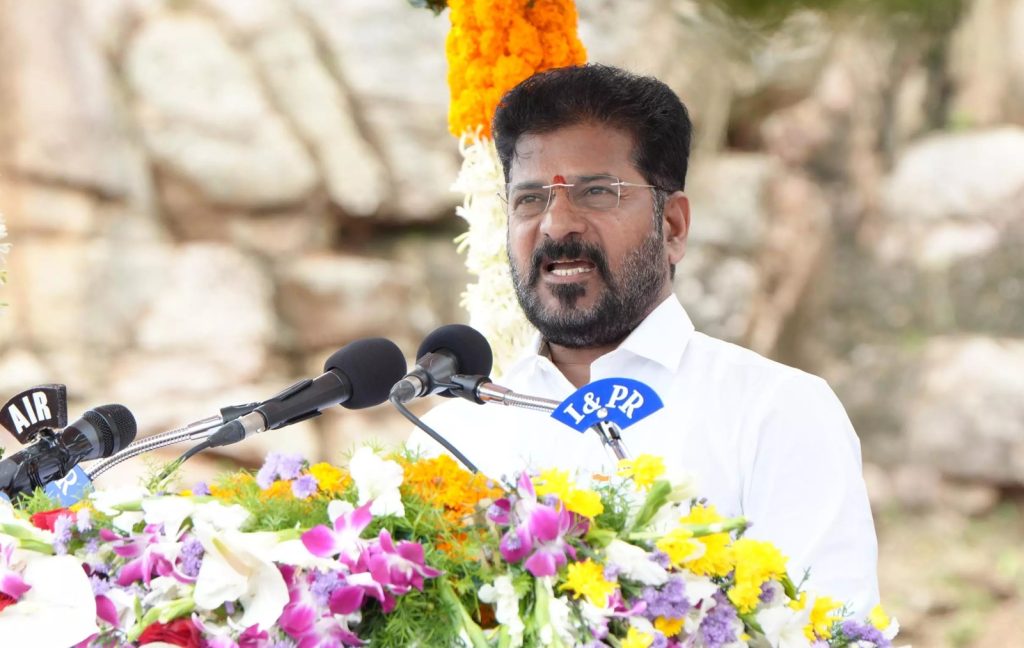
CM Revanth Reddy Calls for Reforms to Elevate the Telugu Film Industry in Hyderabad, In a pivotal move to bolster one of Telangana’s key cultural and economic pillars, Chief Minister A. Revanth Reddy recently convened a high-level meeting with prominent film producers and directors. He emphasized the urgent need for effective monitoring mechanisms within the Telugu film industry, aiming to foster a healthier work environment and drive international growth. This initiative not only highlights the government’s commitment to supporting cinema but also positions Hyderabad as a global hub for film production. As Telangana continues to attract international shoots, Reddy’s vision seeks to elevate Telugu cinema to new heights, ensuring sustainable development and equitable treatment for all stakeholders.

https://www.tgnns.com/wp-content/uploads/2025/08/Telangana-CM-Revanth-Reddy-Advocates-Robust-Monitoring-and-Reforms-for-Thriving-Telugu-Film-Industry-in-Hyderabad.mp4

Telugu cinema, often dubbed Tollywood, stands as a vibrant force in India’s entertainment landscape. Originating from the heart of Telangana and Andhra Pradesh, it has evolved from humble beginnings in the early 20th century to a multi-billion-dollar industry today. With stars like Mahesh Babu, Allu Arjun, and Jr. NTR captivating audiences worldwide, Tollywood produces over 200 films annually, contributing significantly to employment and tourism in the region. Hyderabad, with its state-of-the-art studios like Ramoji Film City, serves as the epicenter, drawing filmmakers from Bollywood and even Hollywood. However, challenges such as labor disputes, skill gaps, and regulatory inconsistencies have occasionally hampered progress. Enter CM Revanth Reddy’s proactive stance: by calling for monitoring systems and collaborative policies, he aims to address these issues head-on, making Telangana a model for film industry governance.

This article delves into the key takeaways from the meeting, exploring how these reforms could transform the Telugu film sector. From skill enhancement programs to international outreach, we examine the implications for producers, workers, and the broader economy. Whether you’re a film enthusiast, industry insider, or investor eyeing Hyderabad’s creative ecosystem, understanding these developments is crucial for grasping the future of entertainment in Telangana.

Fostering a Healthy Work Environment in Telangana’s Film Industry

Chief Minister Revanth Reddy stressed that a healthy work environment forms the cornerstone of any successful industry, particularly in the high-pressure world of filmmaking. He actively advocates for measures that prioritize the well-being of everyone involved, from actors and directors to technicians and support staff. In the meeting, Reddy highlighted how toxic workplaces can lead to burnout, disputes, and reduced creativity—issues that have plagued parts of the Indian film industry for years.

To illustrate, consider the grueling schedules often endured by film crews. Long shooting hours, unpredictable weather during outdoor shoots in Telangana’s diverse landscapes, and intense deadlines can strain physical and mental health. Reddy’s call for a healthy environment encourages producers to implement better practices, such as mandatory breaks, on-set medical facilities, and mental health support. This aligns with global standards seen in Hollywood, where unions like SAG-AFTRA enforce strict guidelines.

Moreover, Reddy plans to engage directly with film workers. He announced intentions to hold interactive sessions, allowing workers to voice concerns without intermediaries. This direct approach could bridge gaps between management and labor, reducing the likelihood of strikes that disrupt productions. For instance, recent worker strikes in Tollywood over wage disputes halted several major projects, costing millions in losses. By fostering open dialogue, Reddy aims to create a more inclusive atmosphere, ultimately boosting productivity and innovation in Hyderabad’s film studios.

Incorporating related keywords like “Telangana film worker welfare” and “Hyderabad cinema health initiatives,” this focus on well-being could attract more talent to the region. As Telangana positions itself as a safe and supportive hub, it might lure international crews seeking reliable environments, further enhancing the local economy.

Government Pledges Full Support to Boost Telugu Cinema Growth

The Telangana government, under CM Revanth Reddy’s leadership, commits to providing unwavering support to the film industry. Reddy made it clear during the meeting that the state views cinema not just as entertainment but as a vital economic driver. This support encompasses financial incentives, infrastructure development, and policy frameworks tailored to industry needs.

Telangana already boasts impressive film infrastructure, including the world’s largest film studio complex in Ramoji Film City, which spans over 1,666 acres. However, Reddy envisions expanding this further. He proposes collaborations with private entities to build advanced post-production facilities equipped with cutting-edge technology like AI-driven editing tools and virtual reality setups. Such investments could reduce the need for Telugu filmmakers to outsource work to Mumbai or Chennai, keeping economic benefits within the state.

Financially, the government plans to offer subsidies for films shot predominantly in Telangana locations. This could include tax rebates for using local talent and venues, encouraging shoots in picturesque spots like the Godavari River basins or the historic Golconda Fort. By doing so, Reddy aims to promote tourism alongside cinema, creating a symbiotic relationship that benefits both sectors.

Additionally, Reddy’s administration explores partnerships with international bodies. For example, tying up with film festivals like Cannes or Toronto could provide Telugu films with global exposure. This full-spectrum support signals to investors that Hyderabad is a prime destination for film ventures, potentially increasing foreign direct investment in the creative industries.

Skill Enhancement Initiatives for Newcomers in Hyderabad’s Film Scene

Recognizing the influx of aspiring talent into Tollywood, CM Revanth Reddy called for targeted steps to enhance skills among newcomers. He believes that nurturing fresh talent is essential for the industry’s long-term sustainability, preventing stagnation and fostering innovation.

One key proposal involves creating dedicated training programs. Reddy suggested establishing a corpus fund specifically for skill development across various film disciplines, from cinematography and sound design to scriptwriting and digital effects. This fund could finance workshops, apprenticeships, and certifications, making high-quality education accessible to underprivileged youth in Telangana.

Furthermore, the upcoming Skill University in Telangana will feature specialized facilities for film industry training. Imagine state-of-the-art labs where students learn VFX using software like Autodesk Maya or practice directing on simulated sets. This initiative draws inspiration from renowned institutions like the Film and Television Institute of India (FTII) in Pune but tailors it to Telugu cinema’s unique cultural nuances.

By focusing on keywords such as “Telangana film skill development” and “Hyderabad newcomer training programs,” these efforts could position the state as a talent incubator. Success stories might emerge, like young directors from rural Telangana districts breaking into mainstream cinema, enriching the industry’s diversity. Ultimately, skilled newcomers will drive creative evolution, helping Tollywood compete with global giants like South Korean cinema.

Establishing a Corpus Fund for Comprehensive Industry Skill Development

Building on the skill enhancement theme, Reddy proposed a dedicated corpus fund to cover multiple areas of the film industry. This fund would act as a financial backbone, supporting initiatives that address skill gaps in technical, artistic, and managerial roles.

For technical skills, the fund could sponsor courses in emerging technologies like drone cinematography or blockchain for content distribution—areas where Tollywood lags behind international standards. Artistically, it might fund masterclasses with veteran directors, teaching nuances of storytelling rooted in Telugu folklore and traditions.

Managerially, training in project management and finance could empower producers to handle large-scale productions efficiently. Reddy envisions this fund being collaboratively managed by industry bodies, ensuring transparency and relevance.

In Hyderabad, where the film industry employs over 100,000 people directly, such a fund could create thousands of jobs. By incorporating SEO terms like “Telangana film corpus fund” and “skill development in Telugu cinema,” this initiative not only upskills the workforce but also attracts corporate sponsorships, amplifying its impact.

Integrating Film Training into Telangana’s Skill University

The Skill University represents a flagship project in Reddy’s vision, with dedicated facilities for film industry training. This institution will offer diploma and degree programs, blending theoretical knowledge with practical experience.

Students could engage in hands-on projects, such as producing short films using university resources. Partnerships with Tollywood studios might provide internships, giving real-world exposure. Reddy’s emphasis on this ensures that graduates enter the industry job-ready, reducing unemployment among creative aspirants.

This move aligns with Telangana’s broader education reforms, positioning Hyderabad as an educational hub for media studies. Keywords like “Skill University Telangana film courses” could draw national attention, increasing enrollment and fostering a skilled ecosystem.

Elevating Telugu Cinema to International Standards

Reddy proudly noted that Telugu cinema has already achieved international acclaim, with films like “RRR” winning Oscars and gaining global fans. He aims to build on this momentum, firmly placing Tollywood on the world stage.

Strategies include promoting co-productions with international studios, such as collaborations with Netflix or Disney for Telugu originals. Reddy also encourages subtitling and dubbing in multiple languages to expand reach.

Hyderabad’s role as a host for international shoots—think Hollywood films using local backdrops—further strengthens this. By ensuring more Telugu productions stay in-state, Reddy boosts local economies and cultural representation.

Cinema as a Pillar of Telangana’s Economy

Cinema ranks among Telangana’s most important industries, generating revenue through ticket sales, streaming rights, and merchandise. Reddy’s interventions, like resolving strikes, underscore its economic value.

The industry contributes to GDP via direct employment and indirect benefits like tourism. Films showcasing Telangana’s heritage attract visitors, stimulating hospitality and retail sectors.

Resolving Disputes to Ensure Uninterrupted Film Productions

Reddy personally intervened in a recent workers’ strike, emphasizing that disputes must not halt the industry. He calls for reforms in producer-worker relations, urging humane treatment.

This involves fair wages, safe conditions, and grievance mechanisms. By preventing disruptions, Reddy safeguards investments and maintains Hyderabad’s reputation as a reliable filming destination.

Collaborative Policy Drafting for Producers, Workers, and Government

Reddy proposes a joint policy drafted by producers, workers, and government. This collaborative approach ensures balanced interests, covering aspects like contracts and dispute resolution.

Such a policy could serve as a blueprint, incorporating best practices from other film hubs.

Exit mobile version