Site icon Telangana NavaNirmana Sena

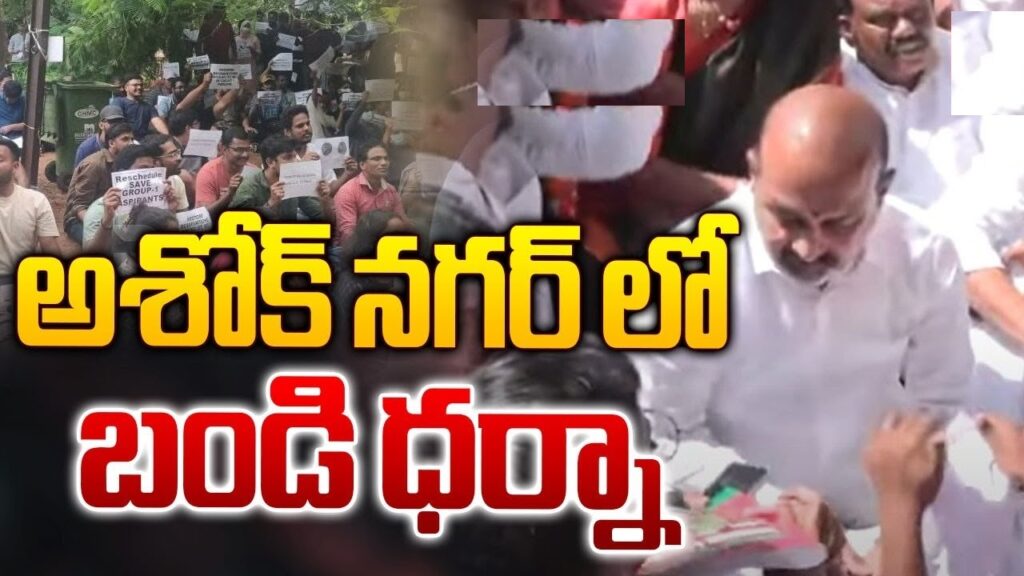
Bandi Sanjay at Ashok Nagar to meet protesting TGPSC Group 1 Aspirants

The Telangana Group 1 exam has recently sparked a wave of protests among students. The controversy centers on concerns about the fairness of the examination and the perceived threat to social reservations. As students voice their frustrations, many are demanding that the exam be postponed until all legal issues are resolved. This article delves into the core reasons behind the protests and the potential impact on both students and the government. The Core Issue: GO 29 and Its Impact on Social Reservations The primary concern fueling these protests is the government's order (GO) number 29, which students believe undermines the reservation system that ensures fair opportunities for marginalized communities. Many protesters argue that GO 29 takes away social reservations, a key aspect of Telangana's affirmative action policies. These reservations play a crucial role in offering equal opportunities to historically disadvantaged groups, and any alteration to this system is met with strong opposition. One of the protesting students stated, "GO 29 is clearly unconstitutional and violates Articles 14 and 16 of the Indian Constitution, which guarantee equality before the law and equal opportunities in matters of public employment." This sentiment resonates with many students who feel that their rights are being threatened. Concerns Over the Group 1 Exam Paper and Process Beyond the issue of reservations, students are also raising concerns about the transparency of the Group 1 exam. The protestors argue that they have never seen the Group 1 exam paper before, and this lack of transparency gives an unfair advantage to certain candidates. This secrecy, they claim, is detrimental to the principle of fair competition. Many students feel that those who have access to privileged information or resources may perform better, creating an uneven playing field. This sentiment was expressed by a student who said, "The people who will write the mains will know more, giving them an unfair advantage. This is not a fair process at all." Legal Cases and Pending Issues Adding to the students' frustration is the fact that more than 30 legal cases regarding the Group 1 exam are still pending in court. Students argue that these unresolved cases create uncertainty and stress, making it difficult for them to prepare for the exam with a clear mind. One of the protesters voiced this concern: "We are not asking for the exam to be postponed indefinitely. We just want the government to reschedule it until all legal issues are cleared. Only then can we write the exam with mental peace and confidence." Mental Health Concerns Amid the Protest The prolonged uncertainty surrounding the Group 1 exam has taken a toll on students' mental health. With 563 available posts and over 30,000 aspirants competing, the stakes are incredibly high. Students have spent years preparing for this exam, and the thought of it being conducted under unclear and potentially unfair circumstances has created a significant amount of anxiety. A protester emphasized the emotional strain by stating, "We have been waiting for 10 years, and we can wait for two more months if needed. But we need clarity. Our mental health is at stake, and we deserve to compete fairly." The Call for Government Action Despite these concerns, the government has yet to provide a clear response to the students' demands. While there have been meetings between student representatives and Telangana Public Service Commission (TGPSC) officials, including Chairman Mahendra Reddy, no concrete decisions have been made. Students continue to urge the government to listen to their pleas, with one protester saying, "We are not just students; we are citizens who have invested years of our lives into this process. The least the government can do is hear us out and resolve the issues before proceeding with the exam." The Future of the Group 1 Exam: What Lies Ahead? As the scheduled date of the Group 1 exam approaches, uncertainty looms large. Students are adamant that the exam should only be conducted once all legal matters have been settled and their concerns about social reservations and exam fairness are addressed. Until then, protests are likely to continue, with students determined to fight for their rights. The government, on the other hand, must balance the need for timely exams with the need to ensure fairness and transparency in the process. The outcome of this standoff will have significant implications, not just for the students involved but for the broader issue of social justice in Telangana. Conclusion The ongoing protests against the Telangana Group 1 exam highlight deep-rooted concerns about reservation policies, transparency, and fairness in the examination process. With legal cases pending and student voices growing louder, it remains to be seen how the government will address these issues. What is clear, however, is that the students are not backing down, and they are determined to ensure that the exam is conducted under fair and transparent conditions. The resolution of this issue will be a test not just for the Telangana government but for the state’s commitment to upholding the principles of social justice and equality for all.

Bandi Sanjay at Ashok Nagar to meet protesting TGPSC Group 1 Aspirants, The Telangana Group 1 exam has recently sparked a wave of protests among students. The controversy centers on concerns about the fairness of the examination and the perceived threat to social reservations. As students voice their frustrations, many are demanding that the exam be postponed until all legal issues are resolved. This article delves into the core reasons behind the protests and the potential impact on both students and the government.

https://www.tgnns.com/wp-content/uploads/2024/10/Bandi-Sanjay-at-Ashok-Nagar-to-meet-protesting-TGPSC-Group-1-Aspirants.mp4

The Core Issue: GO 29 and Its Impact on Social Reservations

The primary concern fueling these protests is the government’s order (GO) number 29, which students believe undermines the reservation system that ensures fair opportunities for marginalized communities. Many protesters argue that GO 29 takes away social reservations, a key aspect of Telangana’s affirmative action policies. These reservations play a crucial role in offering equal opportunities to historically disadvantaged groups, and any alteration to this system is met with strong opposition.

One of the protesting students stated, “GO 29 is clearly unconstitutional and violates Articles 14 and 16 of the Indian Constitution, which guarantee equality before the law and equal opportunities in matters of public employment.” This sentiment resonates with many students who feel that their rights are being threatened.

Concerns Over the Group 1 Exam Paper and Process

Beyond the issue of reservations, students are also raising concerns about the transparency of the Group 1 exam. The protestors argue that they have never seen the Group 1 exam paper before, and this lack of transparency gives an unfair advantage to certain candidates. This secrecy, they claim, is detrimental to the principle of fair competition.

Many students feel that those who have access to privileged information or resources may perform better, creating an uneven playing field. This sentiment was expressed by a student who said, “The people who will write the mains will know more, giving them an unfair advantage. This is not a fair process at all.”

Legal Cases and Pending Issues

Adding to the students’ frustration is the fact that more than 30 legal cases regarding the Group 1 exam are still pending in court. Students argue that these unresolved cases create uncertainty and stress, making it difficult for them to prepare for the exam with a clear mind.

One of the protesters voiced this concern: “We are not asking for the exam to be postponed indefinitely. We just want the government to reschedule it until all legal issues are cleared. Only then can we write the exam with mental peace and confidence.”

Mental Health Concerns Amid the Protest

The prolonged uncertainty surrounding the Group 1 exam has taken a toll on students’ mental health. With 563 available posts and over 30,000 aspirants competing, the stakes are incredibly high. Students have spent years preparing for this exam, and the thought of it being conducted under unclear and potentially unfair circumstances has created a significant amount of anxiety.

A protester emphasized the emotional strain by stating, “We have been waiting for 10 years, and we can wait for two more months if needed. But we need clarity. Our mental health is at stake, and we deserve to compete fairly.”

The Call for Government Action

Despite these concerns, the government has yet to provide a clear response to the students’ demands. While there have been meetings between student representatives and Telangana Public Service Commission (TGPSC) officials, including Chairman Mahendra Reddy, no concrete decisions have been made.

Students continue to urge the government to listen to their pleas, with one protester saying, “We are not just students; we are citizens who have invested years of our lives into this process. The least the government can do is hear us out and resolve the issues before proceeding with the exam.”

The Future of the Group 1 Exam: What Lies Ahead?

As the scheduled date of the Group 1 exam approaches, uncertainty looms large. Students are adamant that the exam should only be conducted once all legal matters have been settled and their concerns about social reservations and exam fairness are addressed. Until then, protests are likely to continue, with students determined to fight for their rights.

The government, on the other hand, must balance the need for timely exams with the need to ensure fairness and transparency in the process. The outcome of this standoff will have significant implications, not just for the students involved but for the broader issue of social justice in Telangana.

Conclusion

The ongoing protests against the Telangana Group 1 exam highlight deep-rooted concerns about reservation policies, transparency, and fairness in the examination process. With legal cases pending and student voices growing louder, it remains to be seen how the government will address these issues. What is clear, however, is that the students are not backing down, and they are determined to ensure that the exam is conducted under fair and transparent conditions.

The resolution of this issue will be a test not just for the Telangana government but for the state’s commitment to upholding the principles of social justice and equality for all.

Exit mobile version