


Introduction to Yes Bank’s Remarkable Rally
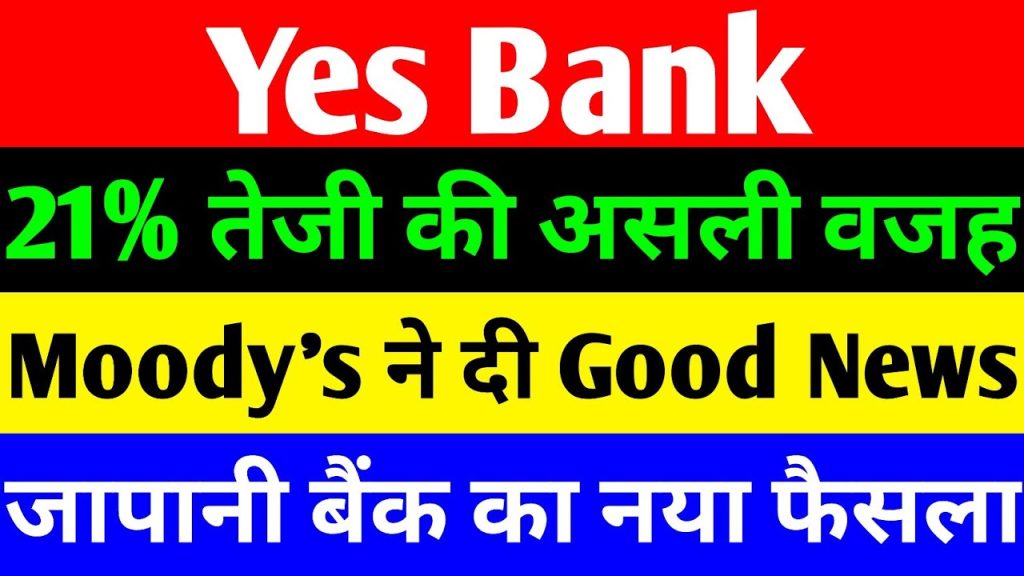
Yes Bank, once grappling with financial instability and governance challenges, is now scripting a compelling comeback. In recent trading sessions, its stock has soared, climbing over 21% in just five days, reaching levels around ₹21.62 with a 3.15% intraday gain. This surge stands in stark contrast to the flat performance of broader indices like the BSE Sensex and Nifty Bank, which have shown minimal movement. The catalyst? A transformative investment by Japan’s Sumitomo Mitsui Banking Corporation (SMBC), which is set to acquire a 20% stake in Yes Bank, positioning itself as the bank’s largest shareholder. This article unpacks the dynamics driving Yes Bank’s stock, evaluates its financial health, and assesses the potential for sustained growth.
The Japanese Connection: SMBC’s Game-Changing Investment
SMBC’s Strategic Stake Acquisition
The announcement of SMBC’s 20% stake acquisition has electrified the market, injecting renewed confidence in Yes Bank’s future. This move marks the culmination of a multi-year search for a strong promoter to stabilize the bank’s ownership structure. SMBC, a powerhouse in global finance, brings not only capital but also strategic expertise, signaling a long-term commitment to Yes Bank’s growth. The deal, valued at approximately ₹4,500 crore, has pushed the stock to levels last seen before significant market corrections, with analysts noting its potential to reshape the bank’s trajectory.
Moody’s Optimistic Outlook
Moody’s, a leading global rating agency, has labeled SMBC’s investment as “credit positive” for Yes Bank. According to Moody’s, this partnership will bolster Yes Bank’s balance sheet, enhance its capital adequacy, and provide a robust strategic framework for growth. While the 20% stake limits SMBC’s immediate influence, Moody’s suggests that future increases in stake could lead to a rating upgrade, further strengthening investor confidence. This positive sentiment has fueled buying interest, with over 10 crore shares traded in recent sessions, reflecting strong market enthusiasm.
Long-Term Benefits for Yes Bank
SMBC’s entry is more than a financial transaction; it’s a strategic alignment that could redefine Yes Bank’s market positioning. The Japanese institution’s global network and expertise in retail and corporate banking are expected to enhance Yes Bank’s product offerings and operational efficiency. Additionally, discussions about merging SMBC’s Indian NBFC operations with Yes Bank could significantly expand the bank’s business scale, pending regulatory approval from the Reserve Bank of India (RBI). Such a merger would diversify revenue streams and strengthen Yes Bank’s competitive edge in India’s crowded banking sector.
Yes Bank’s Financial Performance: A Turnaround in Progress
Sales and Profit Growth Trends
Yes Bank’s financial metrics reflect a bank on the mend. Over the past decade, sales growth averaged 10%, but a challenging period saw it dip to 3%. However, recent data shows a strong recovery, with sales growth rebounding to 18% over three years and stabilizing at 12% annually. Profit growth tells an even more compelling story, surging from 17% to an impressive 32% over three years, with a one-year profit growth rate of 90%. These figures underscore Yes Bank’s ability to navigate past challenges and capitalize on improving market conditions.
Balance Sheet Strengthening
The bank’s balance sheet is also showing signs of resilience. Capital infusion from SMBC, coupled with prudent asset management, has improved Yes Bank’s capital adequacy ratio, a critical metric for banking stability. Non-performing assets (NPAs), which once plagued the bank, are gradually declining, signaling better credit underwriting and risk management. These improvements position Yes Bank to pursue growth opportunities without the overhang of legacy issues.
Operational Efficiency Gains
Yes Bank’s focus on operational efficiency is yielding results. The bank has streamlined its branch network, optimized its digital banking platforms, and enhanced customer acquisition strategies. These efforts have driven higher transaction volumes and improved fee-based income, reducing reliance on interest income alone. As the bank continues to digitize, its cost-to-income ratio is expected to improve, further boosting profitability.
Board Restructuring and Leadership Transition
Search for a New CEO
A pivotal aspect of Yes Bank’s transformation is its leadership transition. The bank is actively seeking a new CEO to replace Prashant Kumar, with a global recruitment firm engaged to identify top talent from India and abroad. This move reflects Yes Bank’s ambition to bring in a leader with international expertise to steer the bank through its next growth phase. The appointment of a high-caliber CEO could further enhance investor confidence and signal a new era of governance and innovation.
Board Realignment
SMBC’s entry is also reshaping Yes Bank’s board composition. With a 20% stake, SMBC is expected to appoint two board members, increasing its influence over strategic decisions. Meanwhile, the State Bank of India (SBI), which holds a significant stake, will reduce its board representation from two members to one. This shift tilts the balance of power toward SMBC, potentially streamlining decision-making and aligning the board with the bank’s long-term vision.
Governance Overhaul
The board restructuring is part of a broader governance overhaul aimed at restoring trust among stakeholders. Yes Bank’s past challenges, including regulatory scrutiny and promoter disputes, had eroded investor confidence. The infusion of SMBC’s capital and expertise, coupled with a revamped board, positions the bank to address these concerns and build a more transparent and accountable governance framework.
Market Dynamics and Investor Sentiment
Retail Investors vs. Institutional Players
The Yes Bank rally has exposed a divergence in investor behavior. Retail investors, often swayed by negative broker commentary, have been quick to book profits or exit positions during past volatility. In contrast, institutional investors, including foreign portfolio investors (FPIs) and domestic mutual funds, have steadily increased their stakes. FPIs, for instance, raised their holding from 26.74% in December to 26% in March, while domestic institutional investors (DIIs) boosted their stake from 38.84% to 39.52%. This institutional buying underscores confidence in Yes Bank’s long-term potential, even as retail investors remain cautious.
Brokerage Perspectives
Brokerage houses like Kotak Institutional Equities have maintained a cautious stance, arguing that Yes Bank’s fundamentals have not yet undergone a transformative shift. Kotak suggests that the bank’s business model remains unchanged, limiting its ability to outperform peers. However, this skepticism contrasts with the market’s bullish sentiment, driven by SMBC’s investment and improving financials. Investors must weigh these conflicting narratives when making decisions, balancing short-term gains with long-term growth prospects.
Market Indices Context
The broader market provides context for Yes Bank’s outperformance. The BSE Sensex, up by just 0.13% at 81,700, and the Nifty Bank, nearly flat at 54,000, reflect a lackluster market environment. Yes Bank’s ability to rally in such conditions highlights the stock-specific nature of its surge, driven by positive news flow and institutional buying. This decoupling from broader market trends suggests that Yes Bank’s story is unique, with catalysts that transcend general market sentiment.
Risks and Challenges Ahead
Regulatory Hurdles
While SMBC’s investment is a significant positive, regulatory approvals remain a key hurdle. The proposed merger of SMBC’s NBFC with Yes Bank, if pursued, will require RBI’s nod, which is not guaranteed. Any delays or rejections could temper investor enthusiasm and impact the stock’s momentum.
Profit Booking Pressure
With the stock gaining 21% in five sessions, profit booking is a near-term risk. Technical indicators suggest the stock is approaching overbought territory, and a pullback could occur if investors lock in gains. However, strong fundamentals and institutional support may limit the extent of any correction.
Competitive Landscape
India’s banking sector is highly competitive, with private banks like HDFC Bank and ICICI Bank dominating market share. Yes Bank must differentiate itself through innovative products, superior customer service, and digital leadership to capture market share. SMBC’s expertise could play a crucial role here, but execution will be key.
Future Outlook: Is Yes Bank a Buy?
Bullish Case
The bullish case for Yes Bank rests on several pillars:
- SMBC’s Strategic Partnership: The Japanese giant’s investment and expertise will drive growth and stability.
- Financial Recovery: Strong sales and profit growth, coupled with a healthier balance sheet, signal a sustainable turnaround.
- Governance Reforms: A new CEO and restructured board will enhance transparency and decision-making.
- Market Sentiment: Institutional buying and positive analyst commentary (e.g., Moody’s) bolster confidence.
For long-term investors, Yes Bank offers an attractive risk-reward profile, especially if SMBC increases its stake or the NBFC merger materializes.
Bearish Considerations
On the flip side, investors should consider:
- Short-Term Volatility: Profit booking could trigger a near-term correction.
- Regulatory Risks: RBI approvals for strategic moves like the NBFC merger are uncertain.
- Brokerage Skepticism: Firms like Kotak remain unconvinced about fundamental improvements.
Short-term traders may need to exercise caution, while long-term investors should focus on the bank’s structural improvements.
Investment Strategy
For those considering Yes Bank, a balanced approach is advisable:
- Long-Term Investors: Accumulate on dips, leveraging the bank’s improving fundamentals and SMBC’s backing.
- Short-Term Traders: Monitor technical levels (e.g., ₹21.50–₹22) for potential profit-taking or breakout opportunities.
- Risk Management: Consult financial advisors and conduct independent research to align investments with risk tolerance.
Conclusion: Yes Bank’s Path to Redemption
Yes Bank’s resurgence is a testament to the power of strategic partnerships and disciplined execution. SMBC’s investment has not only injected capital but also restored investor faith in a bank that was once on the brink. With a restructured board, a global CEO search, and improving financials, Yes Bank is poised for a brighter future. While risks like regulatory hurdles and profit booking persist, the bank’s long-term prospects appear robust, particularly for investors with a horizon beyond short-term volatility.
Before investing, conduct thorough research or consult a financial advisor to ensure alignment with your goals. Yes Bank’s journey is far from over, but the current rally signals a promising new chapter. Stay informed, stay strategic, and seize the opportunities this dynamic stock presents.
Disclaimer: This article is for educational purposes only and does not constitute financial advice. Always perform your own research before making investment decisions.