


Yes Bank, one of India’s prominent private-sector banks, has been navigating a transformative phase marked by strategic management shifts, evolving stock performance, and macroeconomic tailwinds. With recent updates signaling robust changes, including boardroom reshuffles and a favorable economic climate, Yes Bank is poised for a potential rebound. This article explores the latest developments, their implications for investors, and the broader economic context driving optimism for the bank’s future.
Yes Bank’s Management Overhaul: A New Chapter Begins
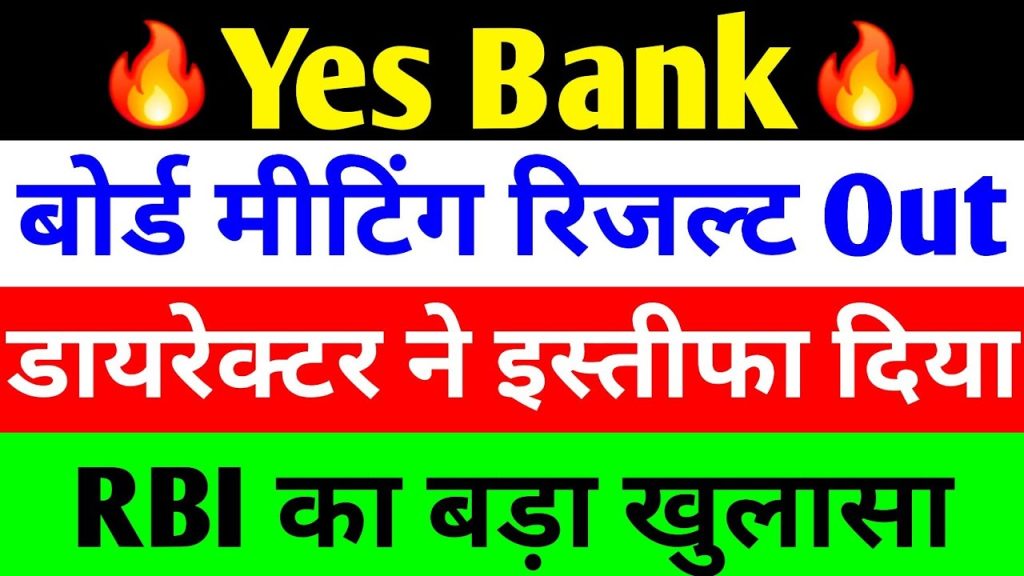
Yes Bank has undergone significant management changes to strengthen its leadership and align with its recovery strategy. The bank’s board recently accepted the resignation of Shweta Jalan, a non-executive director representing Vervinda Holdings Limited, on June 26, 2025. Following this, the board approved the appointment of D. Shiva Kumar as an additional director on June 27, 2025, to fill the vacancy. This move, pending shareholder approval, underscores Yes Bank’s commitment to refreshing its leadership to drive growth.
Why Management Changes Matter
Leadership transitions often signal a company’s intent to pivot or strengthen its strategic direction. For Yes Bank, these changes come at a critical juncture as the bank works to rebuild investor confidence following past challenges. The appointment of D. Shiva Kumar, backed by Vervinda Holdings’ foreign direct investment (FDI), highlights the bank’s focus on leveraging experienced leadership to navigate competitive markets. Investors should monitor how these changes influence Yes Bank’s operational efficiency and strategic decisions.
The Role of FDI in Yes Bank’s Revival
Foreign direct investment has played a pivotal role in Yes Bank’s recovery. Since Sumitomo Mitsui Banking Corporation (SMBC) increased its stake, the bank has pursued aggressive reforms to stabilize its operations. The FDI infusion, coupled with strategic board appointments, positions Yes Bank to capitalize on global expertise and financial backing, fostering a stronger foundation for sustainable growth.
Yes Bank Stock Performance: Navigating Volatility
Yes Bank’s stock has experienced fluctuations, closing at ₹20.22 with a modest 0.70% gain recently. Despite this uptick, the stock remains below its historical highs, trading significantly lower than its one-year peak of ₹27.44 and three-year high of ₹32.85. The stock’s performance reflects broader market dynamics and investor sentiment toward the banking sector.
Historical Context of Yes Bank’s Stock
To understand Yes Bank’s current position, consider its historical performance:
- Three-Month High: ₹23.39
- One-Year High: ₹27.44
- Three-Year High: ₹32.85
- Five-Year Low: ₹10.50
The stock’s current price is notably higher than its five-year low of ₹10.50, a level at which other banks, including State Bank of India (SBI), acquired shares during Yes Bank’s rescue phase orchestrated by the Reserve Bank of India (RBI). However, it remains below the ₹12.50 deal price set during those transactions, indicating room for growth.
Quarterly Performance and Triggers
Yes Bank is preparing for its first-quarter results for the fiscal year 2025-26, with the quarter ending on June 30, 2025. Analysts anticipate that these results could serve as a catalyst for the stock, potentially driving a breakout from its current trading range. The bank’s trading window will close on July 1, 2025, in compliance with SEBI’s insider trading regulations, and will reopen 48 hours after the results are announced. Investors should watch for key metrics such as net profit, non-performing assets (NPAs), and net interest income (NII) to gauge the bank’s health.
Financial Performance: A Glimpse of Progress
Yes Bank’s financial performance in recent quarters offers insights into its recovery trajectory. In the March 2025 quarter, the bank reported a remarkable 63% surge in net profit, reaching ₹738 crore compared to ₹452 crore in the same quarter the previous year. This growth stems from reduced provisioning and lower risk exposure, signaling improved asset quality.
Reduction in Non-Performing Assets
One of the standout achievements for Yes Bank is the significant reduction in non-performing assets. In Q4 2024, bad loans dropped to ₹38 crore from ₹471 crore a year earlier. This decline reflects the bank’s proactive measures to clean up its balance sheet, a critical factor in restoring investor trust.
Growth in Net Interest Income
Yes Bank also saw a 6% increase in net interest income, reaching ₹276 crore. This growth, driven by improved lending margins and operational efficiency, underscores the bank’s ability to generate stable revenue streams despite market challenges. As Yes Bank continues to optimize its loan portfolio, this metric will be crucial for sustaining profitability.
Brokerage Perspectives: Cautious Optimism
While Yes Bank has made strides, some brokerage houses maintain a “sell” rating, citing concerns about its long-term competitiveness. However, the bank’s recent achievements, including reduced NPAs and robust profit growth, challenge this skepticism. Investors should weigh these perspectives against Yes Bank’s ongoing reforms and market potential.
RBI’s Economic Report: A Macro Boost for Yes Bank
The Reserve Bank of India’s latest report for the January-March 2025 quarter paints an optimistic picture for India’s economy, with implications for Yes Bank and the broader banking sector. The report highlights a current account surplus of $13.5 billion, equivalent to 1.3% of India’s GDP, a significant improvement from the $4.6 billion surplus in the same period last year.
Understanding the Current Account Surplus
A current account surplus indicates that India’s exports of goods and services, along with investment income and remittances, exceed its imports. This surplus, driven by increased exports and reduced imports, strengthens India’s balance of payments and boosts foreign exchange reserves. For banks like Yes Bank, this macroeconomic stability creates a favorable environment for lending and investment activities.
Implications for the Banking Sector
The RBI’s report signals robust economic growth, with India’s annual current account deficit for 2024-25 dropping to $23.3 billion (0.6% of GDP) from $26 billion (0.7% of GDP) the previous year. This improvement reflects rising exports and enhanced investment income, which bolster the banking sector’s ability to fund growth. For Yes Bank, a stronger economy translates to increased loan demand and improved credit quality.
India’s Economic Position: A Global Perspective
India’s current account surplus positions it as an emerging player in global trade, drawing comparisons to China’s export-driven economy. While China’s large surpluses have fueled its foreign exchange reserves, India’s surplus, though nascent, signals a shift toward export-led growth. This trend bodes well for Yes Bank, as increased economic activity drives demand for banking services.
Strategic Outlook for Yes Bank
Yes Bank’s recovery hinges on its ability to leverage management changes, financial improvements, and macroeconomic tailwinds. The bank’s focus on reducing NPAs, boosting net interest income, and aligning with global investors like SMBC positions it for long-term success. However, challenges remain, including stock volatility and the need for sustained profitability.
Key Strategies for Growth
- Strengthening Asset Quality: Continued reduction in bad loans will enhance Yes Bank’s balance sheet and attract investor confidence.
- Leveraging FDI: Partnerships with global institutions like SMBC provide capital and expertise to drive innovation and growth.
- Enhancing Leadership: The appointment of experienced directors like D. Shiva Kumar ensures strategic alignment and operational efficiency.
- Capitalizing on Economic Growth: India’s current account surplus and rising exports create opportunities for Yes Bank to expand its lending portfolio.
Investor Considerations
Investors eyeing Yes Bank should conduct thorough research and consult financial advisors before making decisions. The bank’s stock offers potential for growth, particularly with upcoming quarterly results and macroeconomic support. However, its volatility and brokerage skepticism warrant caution. Monitoring key metrics like NPAs, net profit, and market sentiment will be critical for informed investment decisions.
Conclusion: Yes Bank’s Path to Recovery
Yes Bank stands at a pivotal moment, with management changes, financial improvements, and a favorable economic backdrop setting the stage for a potential turnaround. The bank’s ability to reduce bad loans, boost profitability, and align with global investors positions it as a compelling player in India’s banking sector. As the economy strengthens, Yes Bank has an opportunity to capitalize on rising demand and investor confidence. For those considering investment, staying informed about the bank’s performance and market trends will be key to navigating its promising yet volatile journey.
Disclaimer: This article is for educational purposes only. Always consult a financial advisor and conduct your own research before making investment decisions.