


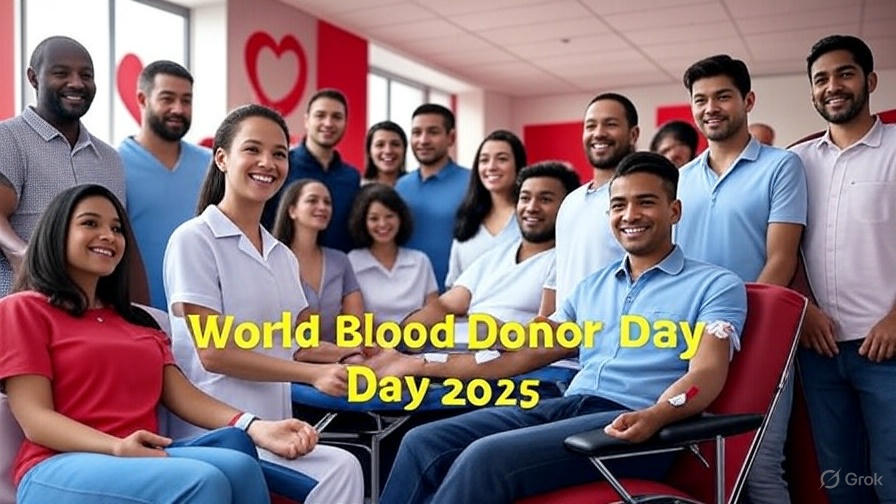
Every year, World Blood Donor Day, celebrated on June 14, shines a spotlight on the critical importance of blood donation. This global event, initiated by the World Health Organization (WHO), aims to raise awareness about the life-saving impact of donating blood and to honor the selfless individuals who contribute to saving millions of lives. Blood donation is not just an act of generosity; it’s a vital lifeline for patients battling anemia, cancer, sickle cell disease, and other life-threatening conditions. In this comprehensive guide, we’ll explore the benefits of blood donation, who can donate, who cannot, and how this simple act can transform lives. Whether you’re a first-time donor or a regular contributor, this article will equip you with everything you need to know about blood donation and its profound impact.
What Is World Blood Donor Day?
World Blood Donor Day is an annual event established by the WHO to emphasize the importance of safe blood supplies and to encourage voluntary, unpaid blood donations. Held on June 14, it coincides with the birthday of Karl Landsteiner, the Nobel Prize-winning scientist who discovered the ABO blood group system. The day serves as a reminder that blood cannot be manufactured in a lab or factory—it relies entirely on the generosity of donors. According to the WHO, millions of lives are saved each year through blood transfusions, yet many regions still face shortages, particularly in low- and middle-income countries.
By celebrating World Blood Donor Day, communities worldwide come together to promote blood donation, dispel myths, and educate people about its benefits. From organizing blood drives to sharing inspiring stories of donors and recipients, this day fosters a sense of unity and compassion, encouraging more people to step forward and donate.
Why Blood Donation Matters
Blood is an irreplaceable resource that hospitals and clinics rely on daily. It’s used in surgeries, trauma care, cancer treatments, and for patients with chronic conditions like sickle cell anemia or thalassemia. Without timely access to safe blood, countless lives are at risk. The WHO estimates that blood donations save millions of lives annually, yet shortages persist due to low donation rates, fear, and misconceptions. World Blood Donor Day plays a pivotal role in addressing these challenges by promoting voluntary donations and ensuring blood banks are adequately stocked.
The Life-Saving Benefits of Blood Donation
Blood donation is not only a gift to others but also offers surprising health benefits for donors. Contrary to common fears of weakness or harm, donating blood is a safe and rewarding process when done under proper medical supervision. Below, we dive into the key benefits of blood donation for both the donor and the recipient.
Health Benefits for Donors
Donating blood can positively impact your physical and mental well-being. Here are some science-backed benefits:
- Stimulates New Blood Cell Production
When you donate blood, your body works to replenish the lost volume by producing new blood cells. This process can enhance your body’s ability to regenerate healthy cells, keeping your circulatory system in top shape. - Reduces Risk of Cardiovascular Issues
Studies suggest that regular blood donation may lower the risk of heart attacks and strokes. By reducing excess iron levels in the blood, donation helps prevent the buildup of harmful substances that can contribute to cardiovascular disease. - Improves Cholesterol Levels
Donating blood can help regulate cholesterol levels, as it reduces oxidative stress in the body. This contributes to better overall heart health and a lower risk of cholesterol-related complications. - Boosts Mental Well-Being
The act of donating blood fosters a sense of purpose and fulfillment. Knowing you’ve helped save lives can reduce stress, improve mood, and enhance your emotional well-being. - Free Health Check-Up
Before donating, you undergo a mini health screening, including checks for blood pressure, hemoglobin levels, and pulse. This can help identify potential health issues early, giving you a chance to address them proactively.
Impact on Recipients
One unit of donated blood (approximately 350–450 ml) can save up to three lives. Blood is separated into components—red blood cells, plasma, and platelets—each serving a unique purpose:
- Red Blood Cells: Used for trauma patients, surgical cases, and those with anemia.
- Plasma: Essential for burn victims, patients with clotting disorders, and those undergoing organ transplants.
- Platelets: Critical for cancer patients, bone marrow transplant recipients, and individuals with blood disorders.
By donating blood, you provide a lifeline to patients who might otherwise face life-threatening situations due to blood shortages.
Who Can Donate Blood?
Not everyone is eligible to donate blood, as safety for both the donor and recipient is paramount. Blood banks follow strict guidelines to ensure the process is safe and effective. Here’s a breakdown of the eligibility criteria:
General Eligibility Requirements
To donate blood, you must meet the following conditions:
- Age: Be between 18 and 65 years old. Some regions may allow 16- or 17-year-olds to donate with parental consent.
- Weight: Weigh at least 50 kg (approximately 110 lbs). In some cases, a minimum of 45 kg may be acceptable for smaller donations (e.g., 350 ml).
- Hemoglobin Levels: Have a hemoglobin level of at least 12.5 g/dL for men and 12.0 g/dL for women.
- Overall Health: Be in good general health, free from chronic illnesses or infections.
- Lifestyle: Avoid high-risk behaviors, such as unprotected sex with multiple partners or intravenous drug use, which could increase the risk of transmitting infections like HIV.
Before donating, you’ll fill out a detailed health questionnaire covering your medical history, recent travel, and lifestyle habits. A medical professional will also conduct a brief physical exam to confirm your eligibility.
Who Cannot Donate Blood?
Certain conditions disqualify individuals from donating blood, either temporarily or permanently, to ensure safety. Here are some common restrictions:
- Pregnancy or Breastfeeding: Pregnant women and those breastfeeding cannot donate until at least six months after delivery or weaning.
- Menstruation: Women who are menstruating should avoid donating due to temporary blood loss, which could lead to anemia.
- Recent Surgery or Tattoos: If you’ve had major or minor surgery, a tattoo, or a piercing within the last 12 months, you must wait before donating.
- Chronic Illnesses: Individuals with conditions like cancer, diabetes (if on insulin), or heart disease are typically ineligible.
- Infections: Those with active infections, such as hepatitis, HIV, or recent exposure to infectious diseases, cannot donate.
- High-Risk Behaviors: People with multiple sexual partners or a history of intravenous drug use are restricted due to the risk of transmitting bloodborne infections.
If you’re unsure about your eligibility, consult with your local blood bank or healthcare provider for personalized guidance.
How Often Can You Donate Blood?
To ensure donor safety, blood donation frequency is regulated:
- Men: Can donate every three months (approximately four times a year).
- Women: Can donate every four months (approximately three times a year) due to higher risks of iron deficiency.
Your body typically takes about 24–48 hours to replenish the blood volume lost during donation, but it requires up to three months to fully restore red blood cells, proteins, and clotting factors. Following donation, rest, stay hydrated, and maintain a nutritious diet to aid recovery.
Busting Common Myths About Blood Donation
Many people hesitate to donate blood due to misconceptions. Let’s debunk some of the most common myths:
Myth 1: Blood Donation Causes Weakness
One of the biggest fears is that donating blood will leave you weak or fatigued. In reality, donating blood is safe for healthy individuals, and any temporary tiredness can be managed with rest and proper nutrition. Most donors resume normal activities within a day.
Myth 2: Blood Donation Is Painful
The donation process involves a quick needle prick, which may cause mild discomfort but is not painful. The procedure itself takes about 10–15 minutes, and trained professionals ensure your comfort throughout.
Myth 3: Donating Blood Takes Too Much Time
The entire process, including registration, health screening, donation, and recovery, typically takes 30–60 minutes. You can easily fit it into a busy schedule, and the impact of saving lives far outweighs the time commitment.
Myth 4: Only Certain Blood Types Are Needed
All blood types are in demand, as each serves a unique purpose. Whether you have a common type like O+ or a rare type like AB-, your donation is valuable and can make a difference.
How to Prepare for Blood Donation
To ensure a smooth and safe donation experience, follow these preparation tips:
- Eat a Balanced Meal: Have a nutritious meal 2–3 hours before donating to stabilize your blood sugar and energy levels. Avoid heavy, fatty foods that could cause nausea.
- Stay Hydrated: Drink plenty of water before and after donation to help your body recover quickly.
- Get Enough Rest: Ensure you’re well-rested the night before to avoid dizziness or fatigue.
- Avoid Strenuous Activity: Refrain from heavy exercise or lifting for 24 hours before and after donation.
- Bring Identification: Carry a valid ID, as most blood banks require it for registration.
After donating, rest for 10–15 minutes, enjoy a provided snack or juice, and avoid driving or strenuous activities for a few hours to prevent lightheadedness.
The Blood Donation Process: What to Expect
If you’re a first-time donor, knowing what to expect can ease any anxiety. Here’s a step-by-step overview:
- Registration: Provide your details and complete a health questionnaire.
- Health Screening: A medical professional checks your blood pressure, pulse, and hemoglobin levels to confirm eligibility.
- Donation: A sterile needle is inserted into a vein in your arm, and 350–450 ml of blood is collected in a specialized bag. The process takes 10–15 minutes.
- Recovery: Rest for a few minutes, enjoy a snack, and hydrate to replenish fluids.
Blood banks follow strict safety protocols, using sterile, single-use equipment to eliminate the risk of infection.
The Ripple Effect of Blood Donation
A single blood donation can have a far-reaching impact. Beyond saving lives, it fosters a culture of compassion and community. Here’s how your donation creates a ripple effect:
- Supports Emergency Care: Blood is critical for accident victims, surgical patients, and those in critical care.
- Empowers Communities: Voluntary donations reduce reliance on paid or replacement donors, ensuring a safer and more sustainable blood supply.
- Inspires Others: Your act of donating can motivate friends, family, and colleagues to do the same, amplifying the impact.
Many blood banks offer voluntary donor cards, valid for one year, which allow you or your family to access blood units in emergencies—a practical benefit for your generosity.
How World Blood Donor Day Encourages Action
World Blood Donor Day serves as a global call to action. Blood banks, hospitals, and organizations host events, blood drives, and campaigns to encourage donations. By participating, you contribute to a collective effort to address blood shortages and save lives. Here are ways to get involved:
- Donate Blood: Find a local blood bank or mobile blood drive and schedule a donation.
- Spread Awareness: Share information about blood donation on social media or with your community to dispel myths and inspire others.
- Organize a Blood Drive: Partner with local organizations to host a donation event in your workplace or neighborhood.
- Volunteer: Support blood donation campaigns by helping with logistics, registration, or donor care.
Addressing Challenges in Blood Donation
Despite its importance, blood donation faces challenges, including low awareness, fear, and logistical barriers. In many regions, cultural stigmas or lack of access to blood banks hinder participation. World Blood Donor Day addresses these issues by promoting education, improving access to donation centers, and ensuring safe, equitable blood supplies.
Overcoming Fear and Hesitation
First-time donors often worry about dizziness, fainting, or discomfort. While these are rare, blood banks take precautions to minimize risks:
- Hydration and Nutrition: Drinking water and eating a balanced meal before donation reduces the chance of dizziness.
- Resting Post-Donation: Sitting or lying down for a few minutes after donating helps stabilize your body.
- Professional Supervision: Trained staff monitor donors throughout the process to ensure safety.
By addressing these concerns, blood banks create a welcoming environment for all donors.
The Global Impact of Blood Donation
Blood donation is a universal need, but its challenges vary across regions. In high-income countries, advanced healthcare systems ensure steady supplies, but in low- and middle-income countries, shortages are common due to limited infrastructure and awareness. World Blood Donor Day advocates for global equity in blood access, encouraging governments and organizations to invest in safe blood systems.
According to the WHO, only 54% of countries have a national blood policy, and many lack sufficient voluntary donors. By supporting World Blood Donor Day, you contribute to a global movement to bridge these gaps and ensure no patient is left without life-saving blood.
Conclusion: Be a Life-Saver This World Blood Donor Day
Blood donation is a powerful act of kindness that saves lives and strengthens communities. By donating, you not only help patients in need but also improve your own health and well-being. World Blood Donor Day reminds us that every drop counts, and together, we can build a world where no one dies due to a lack of blood.
Ready to make a difference? Find a blood donation center near you, schedule an appointment, and take the first step toward becoming a life-saver. Whether it’s your first time or your fiftieth, your contribution matters. Let’s celebrate World Blood Donor Day by giving the gift of life.