


Introduction to Vedanta’s Market Buzz
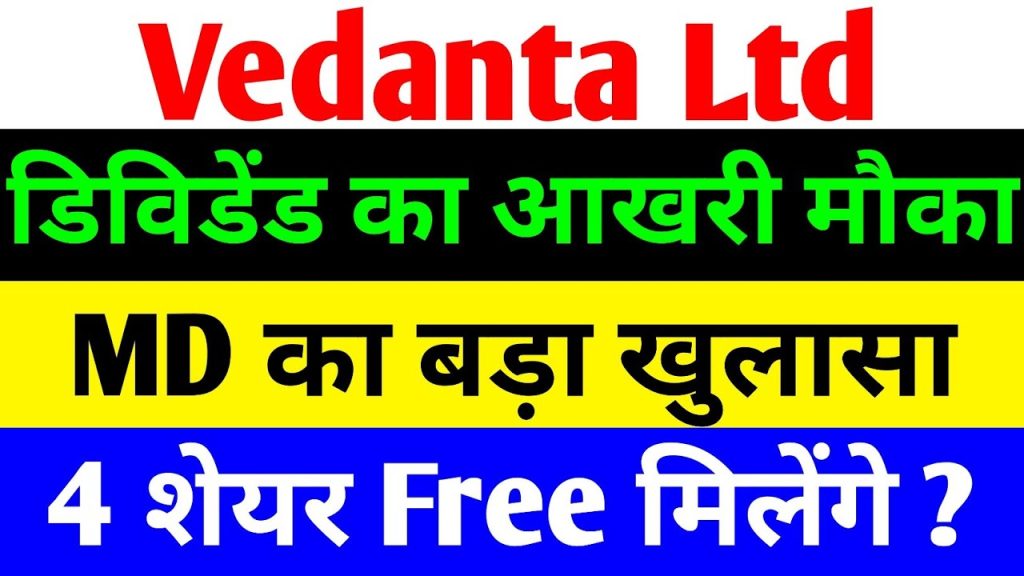
Vedanta Ltd., a diversified natural resources giant, is capturing investor attention with its latest announcements. The company has declared a ₹7 per share interim dividend for FY26, with June 23, 2025, marking the last trading day to qualify. Additionally, Vedanta’s strategic demerger plan to split into five independent entities promises to unlock significant shareholder value. Amidst a turbulent market influenced by geopolitical tensions, such as the Israel-Iran conflict, Vedanta’s stock remains resilient. This article provides a comprehensive overview of Vedanta’s dividend opportunity, demerger details, financial performance, and a competitive analysis with peers like Gravita India, Ratan India, and Shivalik Bimetal Controls.
Vedanta’s Dividend Opportunity: Key Details
Dividend Announcement and Record Date
Vedanta Ltd. announced a first interim dividend of ₹10 per share for FY26 on October 23, 2024, totaling a payout of approximately ₹3,791 crore. The board fixed Tuesday, October 30, 2024, as the record date, meaning investors must hold shares by the close of trading on October 29, 2024, to be eligible. Under India’s T+1 settlement cycle, purchases made on October 29, 2024, qualify for the dividend, while those made on or after October 30, 2024, do not. This dividend reinforces Vedanta’s reputation as a high-yield stock, offering a dividend yield of around 7.12%, the highest among large-cap companies in India.
Historical Dividend Performance
Vedanta has a stellar track record of rewarding shareholders. In FY25, the company distributed ₹43.5 per share across four interim dividends, totaling over ₹17,000 crore. The breakdown includes:
- June 2024: ₹7 per share
- August 2024: ₹4 per share
- September 2024: ₹20 per share
- December 2024: ₹8.5 per share
Over the past four years, Vedanta has paid out more than ₹80,000 crore in dividends, with a significant portion benefiting its promoter group, Vedanta Resources, which holds a 56.38% stake. The company’s consistent dividend policy makes it a favorite among income-focused investors.
Why the Dividend Matters
For investors, the ₹10 per share dividend represents a lucrative opportunity to earn passive income. With a share price hovering around ₹456.40 as of October 29, 2024, the dividend yield remains attractive. Investors purchasing shares before the ex-dividend date can secure this payout, which will be credited to eligible shareholders’ accounts shortly after the record date. However, market volatility, driven by global events, may influence short-term price movements, so timing is critical.
Vedanta’s Demerger Plan: Unlocking Value
What Is the Demerger?
Vedanta is undergoing a transformative restructuring by splitting its operations into five independent listed companies. Each entity will focus on a specific business segment, including aluminum, oil and gas, power, steel and ferrous materials, and base metals. Hindustan Zinc, a subsidiary, will remain a separate listed entity. This demerger aims to:
- Enhance operational efficiency
- Attract segment-specific investors
- Improve capital allocation
- Drive independent growth strategies
For every share of Vedanta Ltd. held, shareholders will receive one share of each of the five new companies. This structure allows each business to operate autonomously, with dedicated management teams making tailored decisions.
Benefits for Shareholders
The demerger is a game-changer for Vedanta’s shareholders. By creating focused entities, the company expects to unlock significant value. Each new company can pursue its growth trajectory, potentially leading to higher valuations. For example, the aluminum business may attract investors interested in lightweight metals for electric vehicles, while the oil and gas segment could benefit from rising energy demand. The demerger also reduces the complexity of Vedanta’s conglomerate structure, making it easier for investors to evaluate each business.
Timeline and Progress
Vedanta announced the demerger plan in 2023, with implementation expected to conclude by FY26. The company has already secured key regulatory approvals and is finalizing the legal and operational separation. Investors can anticipate receiving shares in the new entities within the next 12–18 months, depending on the completion of formalities. This long-term strategy positions Vedanta as a forward-thinking player in the natural resources sector.
Market Context: Geopolitical Impact on Vedanta Shares
Global Tensions and Market Volatility
The broader market has faced pressure due to escalating tensions between Israel and Iran. Reports of U.S. airstrikes on Iranian nuclear sites and Iran’s threat to block key oil routes have sparked fears of supply disruptions. India, heavily reliant on imported oil, could face economic challenges if these routes are closed. On October 29, 2024, the BSE Sensex fell by 580 points, or 0.7%, to 81,828, reflecting these concerns. Despite the downturn, Vedanta’s stock showed resilience, trading at ₹456.40 with a modest 0.49% gain.
Vedanta’s Resilience in a Falling Market
Vedanta’s ability to hold steady in a bearish market underscores its strength. The Nifty Metal Index, which includes Vedanta, rose by 0.65% to 9,198, outperforming the broader market. This performance highlights the metal sector’s appeal as a safe haven amid geopolitical uncertainty. Vedanta’s stock also traded near its intraday high of ₹467.75, signaling strong buying interest at lower levels.
Short-Term Price Outlook
Analysts remain optimistic about Vedanta’s near-term prospects. Sumeet Bagadia of Choice Broking recommends holding the stock with short-term targets of ₹480 and ₹500, citing positive technical indicators. However, investors should remain cautious of market volatility driven by global events. Profit booking at higher levels, as seen around the 82,000 mark on the Sensex, could cap short-term gains.
Financial Performance: Vedanta’s FY25 Highlights
Revenue and Profit Metrics
Vedanta’s financial performance in FY25 demonstrates its operational strength. Key highlights include:
- Revenue Growth: Consolidated revenue rose by 1.65% to ₹40,455 crore, up from ₹39,795 crore in FY24.
- Net Profit: Net profit dipped by 1.8% to ₹3,483 crore, compared to ₹3,547 crore in FY24, but the fourth quarter showed significant improvement.
- EBITDA Margin: EBITDA margin contracted to 28.34% from 29.61% due to higher operational costs and financial pressures. Analysts had estimated a margin of 31.2%.
The company’s Q4 FY25 was particularly strong, with a 154.4% surge in net profit to ₹3,483 crore, driven by lower costs and higher production volumes.
Tax Contributions and Transparency
Vedanta released a Tax Transparency Report for FY15–FY25, detailing its contributions to domestic and international governments. In FY25 alone, the company paid ₹55,349 crore in taxes, including direct and indirect taxes, royalties, and dividends. Over the decade, Vedanta’s total tax contribution reached ₹44,830 crore. The company operates across 15 Indian states, with Rajasthan contributing ₹25,436 crore and Odisha ₹9,176 crore to government revenues.
Net Cash Flow Achievement
A significant milestone for Vedanta in FY25 was achieving a positive net cash flow of ₹149 crore in March 2025, reversing a negative ₹414 crore in March 2024. This improvement reflects better capital management and operational efficiency, bolstering investor confidence.
Competitive Analysis: Vedanta vs. Peers
Financial Ratios Comparison
To assess Vedanta’s investment potential, let’s compare its financial ratios with peers like Hindustan Zinc, Hindalco, Gravita India, Ratan India (Ram Ratna Wires), and Shivalik Bimetal Controls.
| Company | P/E Ratio | EPS (₹) | ROE (%) |
|---|---|---|---|
| Vedanta Ltd. | 9.78 | 45.85 | 25.51 |
| Hindustan Zinc | 18.22 | 24.33 | 55.28 |
| Hindalco Industries | 22.95 | 28.42 | 6.03 |
| Hindustan Copper | 51.56 | 4.85 | 13.53 |
| Gravita India | 64.33 | 26.30 | 46.96 |
| Ram Ratna Wires | 55.52 | 12.18 | 1.31 |
| Shivalik Bimetal | 38.43 | 12.60 | 27.84 |
Key Insights
- Vedanta’s Valuation: With a P/E ratio of 9.78, Vedanta is the most undervalued among its peers, making it an attractive buy for value investors. Its EPS of ₹45.85 is the highest, reflecting strong per-share earnings.
- Hindustan Zinc: As Vedanta’s subsidiary, Hindustan Zinc commands a higher P/E of 18.22 and an impressive ROE of 55.28%, but its lower EPS suggests less earnings power per share.
- Gravita India: Despite a high P/E of 64.33, Gravita’s ROE of 46.96% indicates efficient capital utilization. However, its high valuation may deter conservative investors.
- Ratan India (Ram Ratna Wires): A P/E of 55.52 and a low ROE of 1.31% make Ram Ratna less appealing, as it struggles to generate returns on equity.
- Shivalik Bimetal Controls: With a P/E of 38.43 and ROE of 27.84%, Shivalik offers a balanced profile but lacks Vedanta’s scale and dividend appeal.
Why Vedanta Stands Out
Vedanta’s single-digit P/E ratio, combined with a robust EPS and a respectable ROE, positions it as a bargain compared to peers. The company’s diversified operations across zinc, aluminum, oil and gas, and power provide stability, while its dividend yield and demerger plan enhance its long-term appeal. Unlike Gravita India or Ram Ratna Wires, which face valuation or profitability challenges, Vedanta offers a compelling mix of income, growth, and value.
Vedanta’s Role in Nation Building
Chairman’s Vision
Anil Agarwal, Vedanta’s chairman, emphasizes the company’s commitment to India’s economic growth. In its FY25 annual report, Agarwal stated, “Vedanta is at the threshold of unparalleled opportunities. As India’s per capita income rises, demand for minerals, metals, and energy will grow exponentially.” The company aligns its operations with national priorities, contributing to infrastructure, manufacturing, and energy security.
Operational Footprint
Vedanta operates in 15 Indian states, with significant contributions in Rajasthan and Odisha. Its mining, refining, and power generation activities support local economies and government revenues. By adhering to regulatory standards and paying substantial taxes, Vedanta plays a pivotal role in nation-building.
Sustainability and Responsibility
Vedanta’s Tax Transparency Report highlights its commitment to ethical practices. The company’s focus on sustainable mining and energy solutions aligns with India’s environmental goals. By optimizing resource extraction and minimizing waste, Vedanta balances profitability with social responsibility.
Investment Considerations and Risks
Why Invest in Vedanta?
Vedanta offers several compelling reasons for investment:
- High Dividend Yield: A 7.12% yield makes it ideal for income-focused investors.
- Undervalued Stock: A low P/E ratio suggests significant upside potential.
- Demerger Benefits: The split into five companies could unlock substantial value.
- Strong Financials: Positive net cash flow and robust Q4 performance signal financial health.
- Sector Resilience: The metal sector’s strength amid market volatility supports Vedanta’s stability.
Potential Risks
Despite its strengths, Vedanta faces risks that investors should consider:
- Geopolitical Volatility: Escalating tensions in the Middle East could disrupt oil supplies, impacting India’s economy and Vedanta’s operations.
- Debt Concerns: While net cash flow has improved, Vedanta’s historical debt levels (₹73,000 crore in FY23) remain a concern for some analysts.
- Dividend Sustainability: JPMorgan projects a potential halving of dividends to ₹25 per share in FY26, which could affect income expectations.
- Market Corrections: Profit booking at higher market levels could pressure Vedanta’s share price in the short term.
Expert Recommendations
Analysts are generally bullish on Vedanta, with 11 out of 16 recommending a “buy” and four suggesting a “hold.” JPMorgan maintains a “neutral” rating with a ₹445 target price, citing balanced risk-reward. Investors should consult financial advisors and conduct thorough research before investing, as market conditions can change rapidly.
How to Capitalize on Vedanta’s Dividend
Steps to Secure the Dividend
To benefit from Vedanta’s ₹7 per share dividend, follow these steps:
- Purchase Shares by October 29, 2024: Buy Vedanta shares before the market closes on the last trading day to qualify for the dividend.
- Hold Until October 30, 2024: Ensure shares are in your demat account by the record date to be eligible.
- Monitor Payout: The dividend will be credited to your account within weeks, depending on the company’s schedule.
- Stay Informed: Track Vedanta’s announcements for updates on payment dates and future dividends.
Trading Strategy
For short-term traders, buying before the ex-dividend date and selling afterward may yield quick gains, though price adjustments post-dividend could offset benefits. Long-term investors should focus on Vedanta’s growth potential, leveraging the demerger and dividend income for compounded returns.
Conclusion: Is Vedanta a Smart Investment?
Vedanta Ltd. stands at a pivotal moment, offering investors a unique blend of high dividends, undervaluation, and transformative growth through its demerger. The ₹7 per share interim dividend, with a final trading day on October 29, 2024, presents a last-chance opportunity for income seekers. Despite market volatility driven by geopolitical tensions, Vedanta’s resilience, strong financials, and competitive edge over peers like Gravita India, Ratan India, and Shivalik Bimetal make it a standout choice. With a low P/E ratio, positive net cash flow, and a strategic restructuring on the horizon, Vedanta is poised for significant upside.
Before investing, conduct thorough research or consult a financial advisor to align your strategy with your goals. Vedanta’s combination of income, value, and growth potential makes it a compelling addition to any portfolio. Don’t miss the dividend deadline—act now to secure your share of Vedanta’s rewards.
Disclaimer: This article is for educational purposes only and does not constitute financial advice. Always perform your own research or seek professional guidance before making investment decisions.