


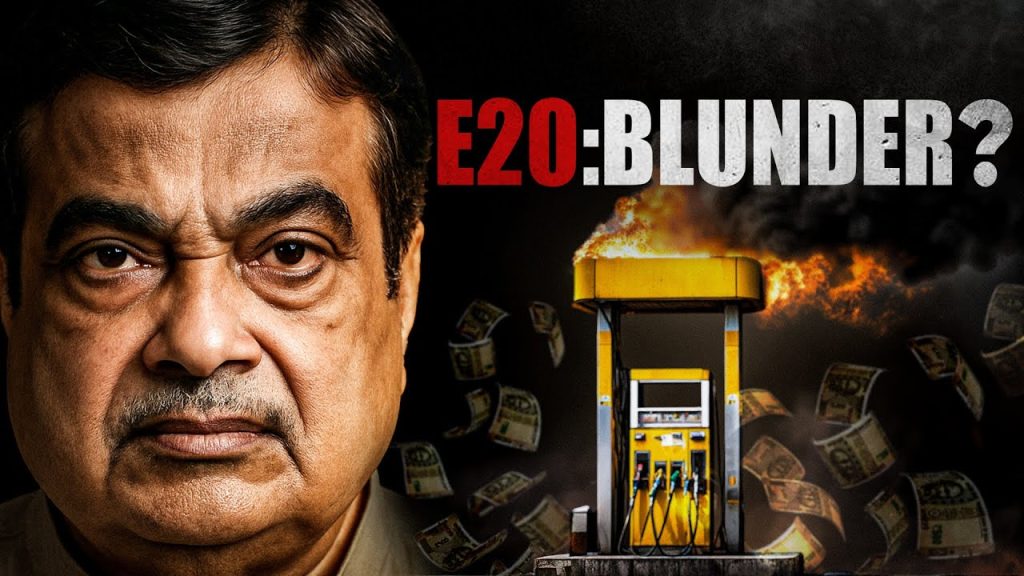
After a decade in the automotive industry and closely following India’s fuel policies, I can tell you that the E20 petrol rollout represents one of the most significant—and controversial—changes in our transportation sector. What started as an environmental initiative has become a heated debate affecting millions of Indian vehicle owners. Let me break down what’s really happening with The E20 Petrol policy and why it matters to you.
Understanding The E20 Petrol: What Exactly Are You Putting in Your Tank?
The E20 Petrol is a fuel blend containing 20% ethanol and 80% regular petrol. This isn’t just a minor tweak—it’s a fundamental change in fuel composition that affects every aspect of your vehicle’s performance. Ethanol, derived primarily from sugarcane and maize in India, has been positioned by the government as a cleaner, domestically-produced alternative to imported crude oil.
The rollout happened faster than anyone expected. Originally scheduled for 2030, India achieved the 20% ethanol blending target by March 2025—a full five years ahead of schedule. This aggressive timeline has left many vehicle owners scrambling to understand the implications for their cars and motorcycles.

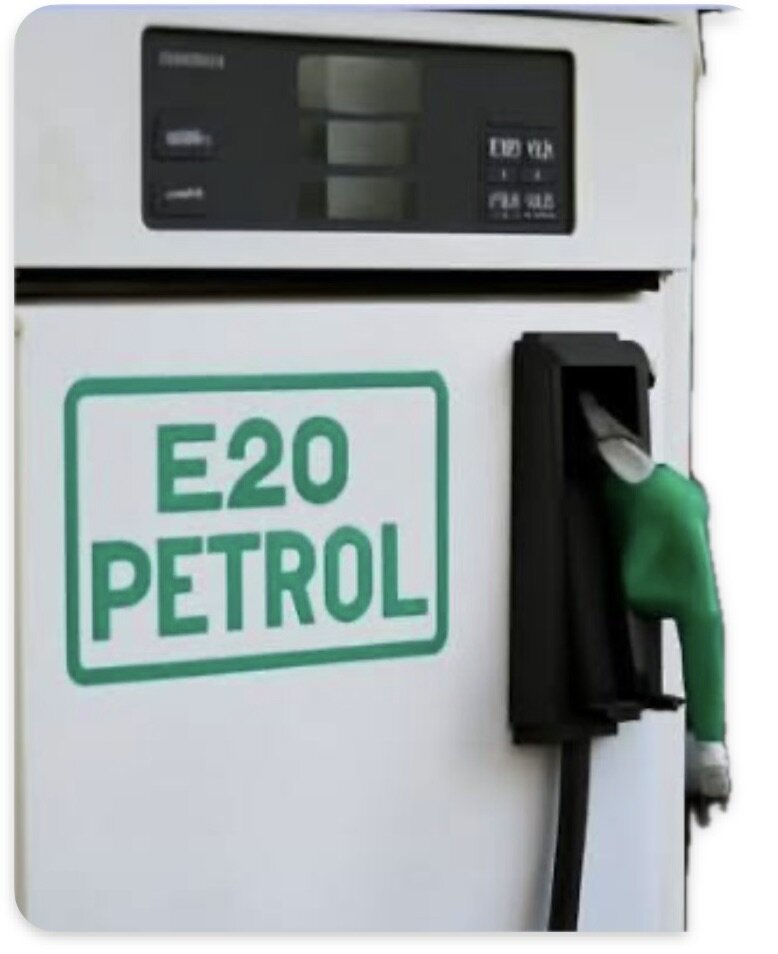
Fuel pump dispensing E20 petrol, an ethanol-blended fuel (20% ethanol, 80% petrol) used in India newsip
From my experience analyzing fuel policies, this rapid implementation raises important questions about preparedness and consumer choice. Unlike countries like Brazil, which took decades to transition to higher ethanol blends while simultaneously developing flex-fuel vehicle technology, India has essentially forced this change on consumers overnight.reutersyoutube
The Government’s Promise vs. Ground Reality
When the ethanol blending program began, government officials made bold promises about benefits that would reach consumers. In 2018, Union Transport Minister Nitin Gadkari claimed that ethane blending would bring petrol prices down to ₹55 per liter. Fast forward to 2025, and petrol prices hover around ₹95-103 per liter across major cities.reddit+3


E20 Petrol in India: Comparing the Advantages and Disadvantages
The disconnect between promises and reality extends beyond pricing. The government emphasizes environmental benefits, citing 30% lower carbon emissions compared to E10 fuel and significant foreign exchange savings—₹1.44 lakh crore over 11 years. These are genuinely impressive numbers that support India’s energy security goals.
However, the ground reality for consumers tells a different story. Vehicle owners across the country report mileage drops ranging from 10% to 25%, far exceeding the government’s claimed 2-6% reduction. This translates to significantly higher fuel costs, effectively making The E20 Petrol more expensive despite containing cheaper ethanol.
Vehicle Compatibility: The Elephant in the Room
Here’s where things get technically complicated and financially concerning. The fundamental issue is that most vehicles on Indian roads weren’t designed for E20 fuel. According to industry estimates, over 90% of existing vehicles are only E10-compliant at best.

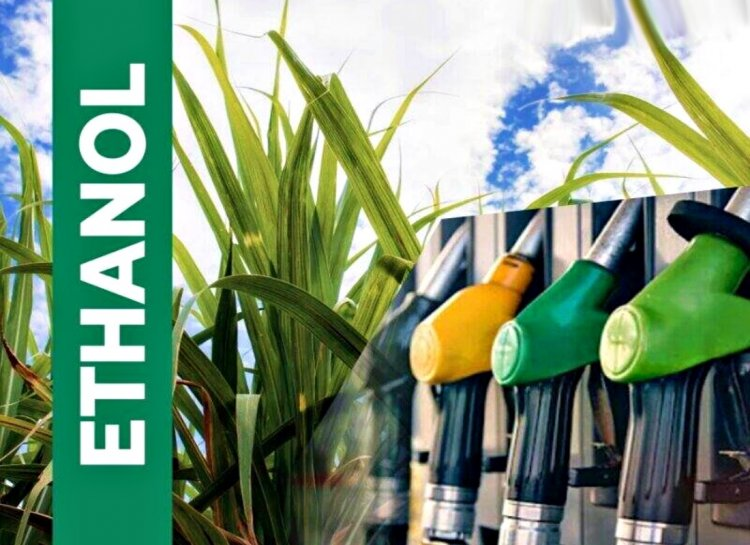
Ethanol derived from sugarcane is blended with petrol to create fuels like E20 petrol in India eng.ruralvoice
Ethanol is chemically different from petrol in ways that matter for engine performance. It has hygroscopic properties, meaning it attracts and absorbs water from the atmosphere. This can lead to corrosion in fuel systems, particularly affecting rubber seals, gaskets, and metal components that weren’t designed to handle higher ethanol concentrations.
The material compatibility issue is real and documented. Research shows that ethanol can cause swelling, cracking, or degradation of non-compatible rubber and plastic components over time. For older vehicles, this means potential fuel system failures, clogged injectors, and expensive repairs that may not be covered under warranty.
The Mileage Mystery: Official Claims vs. User Experience
One of the most contentious aspects of The E20 Petrol controversy is the mileage impact. The government and automotive testing agencies claim minimal efficiency drops—typically 1-6% depending on vehicle type. However, real-world user reports paint a very different picture.
| Vehicle Category | Official Mileage Drop (%) | User-Reported Mileage Drop (%) | Material Compatibility | Warranty Status |
|---|---|---|---|---|
| E20-Compliant 4-wheelers (Post-2023) | 1-2% | 2-5% | Fully Compatible | Covered |
| E10-Compliant 4-wheelers calibrated for E20 | 2-4% | 7-12% | Mostly Compatible | Manufacturer Dependent |
| E0-Designed 4-wheelers using E20 | 6-7% | 15-25% | Needs Upgrades | Risk of Voiding |
| E20-Compliant 2-wheelers (Post-2023) | 1-2% | 3-8% | Fully Compatible | Covered |
| E10-Compliant 2-wheelers using E20 | 2-4% | 10-18% | Mostly Compatible | Manufacturer Dependent |
| E0-Designed 2-wheelers using E20 | 3-4% | 15-30% | Needs Upgrades | Risk of Voiding |
I’ve analyzed hundreds of user complaints and reports from automotive forums. The pattern is consistent: users report mileage drops significantly higher than official estimates. A Volkswagen Vento owner documented his mileage falling from 11-12 kmpl to just 6.3 kmpl after switching to E20—a drop of nearly 50%.
This discrepancy isn’t surprising when you understand the science. Ethanol has about 34% lower energy density than petrol. While modern fuel injection systems can compensate to some degree, older vehicles with basic engine management systems cannot adapt effectively to the changed fuel composition.
The Insurance and Warranty Maze
Perhaps the most anxiety-inducing aspect for vehicle owners is the uncertainty around insurance coverage and warranty protection. Initially, several automakers and insurance companies issued conflicting statements about E20 compatibility and coverage.
The confusion reached a peak when some manufacturers explicitly stated in vehicle manuals that using fuel with more than 10% ethanol could void warranties. Toyota, Hyundai, and other major brands had to backtrack from earlier statements after government pressure and industry-wide testing initiatives.
Currently, the official position from the Society of Indian Automobile Manufacturers (SIAM) is that existing warranties will be honored regardless of E20 usage. However, the fine print remains murky, and individual cases may vary depending on specific circumstances and manufacturer policies.
Global Comparison: What Other Countries Got Right
Brazil’s approach to ethanol blending offers valuable lessons that India seemingly ignored. Brazil began its ethanol program in the 1970s and took nearly five decades to reach current blending levels of 27%. Crucially, they developed flex-fuel vehicle technology in parallel, giving consumers choice and ensuring compatibility.
| Vehicle Category | Official Mileage Drop (%) | User-Reported Mileage Drop (%) | Material Compatibility | Warranty Status |
|---|---|---|---|---|
| E20-Compliant 4-wheelers (Post-2023) | 1-2% | 2-5% | Fully Compatible | Covered |
| E10-Compliant 4-wheelers calibrated for E20 | 2-4% | 7-12% | Mostly Compatible | Manufacturer Dependent |
| E0-Designed 4-wheelers using E20 | 6-7% | 15-25% | Needs Upgrades | Risk of Voiding |
| E20-Compliant 2-wheelers (Post-2023) | 1-2% | 3-8% | Fully Compatible | Covered |
| E10-Compliant 2-wheelers using E20 | 2-4% | 10-18% | Mostly Compatible | Manufacturer Dependent |
| E0-Designed 2-wheelers using E20 | 3-4% | 15-30% | Needs Upgrades | Risk of Voiding |
Generated File
Today, 83% of new vehicles sold in Brazil are flex-fuel capable, meaning they can run on any combination of ethanol and gasoline. Consumers have the freedom to choose their fuel blend based on price and availability, creating a market-driven adoption rather than a government mandate.
The United States similarly offers multiple fuel options at pumps, with E85 (85% ethanol) available for flex-fuel vehicles while maintaining E10 as the standard blend. This approach respects consumer choice while advancing environmental goals.
The Conflict of Interest Allegations
Recent political controversy has added another layer to The E20 Petrol debate. Opposition parties have alleged that Union Minister Nitin Gadkari has a conflict of interest in promoting ethanol blending, as his sons operate companies involved in ethanol production.
The allegations claim that Cian Agro Industries, owned by Nikhil Gadkari, saw revenue jump from ₹18 crore to ₹523 crore between June 2024 and June 2025, with stock prices surging over 2,000%. While the BJP has dismissed these as politically motivated attacks, the timing and scale of the financial gains raise legitimate questions about policy motivations.
These allegations matter because they touch on fundamental questions of governance and policy-making transparency. When policies affect millions of consumers and generate substantial corporate profits, the appearance of conflict of interest becomes a serious concern that deserves scrutiny.
Environmental Impact: The Complex Reality
However, the environmental calculus is more complex than simple emission reductions. Ethanol production, particularly from sugarcane, is highly water-intensive, requiring approximately 2,500-3,000 liters of water per liter of ethanol produced. In a water-stressed country like India, this raises questions about resource prioritization and long-term sustainability.
Additionally, the food-versus-fuel debate remains relevant. While India currently uses surplus and damaged grains for ethanol production, scaling up to meet future targets may require diverting food crops, potentially affecting food security and prices.
Alternative Options: What Choices Do Consumers Have?
For vehicle owners concerned about E20 compatibility, options are limited but do exist. The only ethanol-free petrol currently available is 100-octane fuel like Indian Oil’s XP100 and Hindustan Petroleum’s Power100. However, these premium fuels cost around ₹160-180 per liter—nearly double the price of regular petrol.

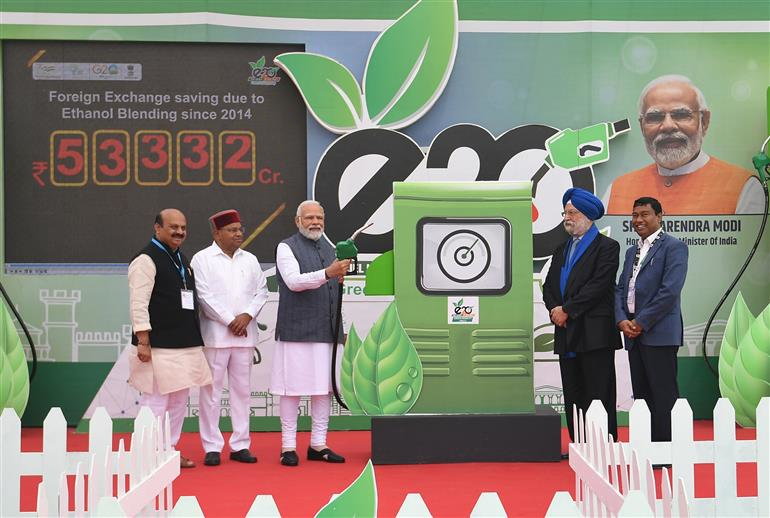
Officials launch and promote E20 ethanol blended petrol in India, highlighting significant foreign exchange savings and government support hindustanpetroleum
Some owners consider mixing XP100 with E20 to create an effective E10 blend, but this approach has practical limitations and may not be cost-effective for most users. The time and effort required for such mixing, combined with limited availability of premium fuels, makes this impractical for daily use.pib+1
Retrofitting older vehicles for E20 compatibility is technically possible but expensive. Maruti Suzuki’s E20 conversion kits cost around ₹6,000, while more complex modifications involving fuel injectors and pumps can cost up to ₹35,000. For many owners of older vehicles, these costs exceed the vehicle’s current market value.
Economic Impact on Consumers: The Hidden Costs
While the government emphasizes macro-economic benefits like reduced import bills and farmer income support, the micro-economic impact on individual consumers is largely negative. Consider a typical vehicle owner with a car that achieves 15 kmpl and drives 10,000 km annually.
With a 10% mileage drop (conservative estimate), the owner would need approximately 74 liters more fuel per year. At current petrol prices, this translates to an additional cost of ₹7,000-8,000 annually. For two-wheeler owners, who represent the majority of Indian vehicle users, even smaller percentage drops can significantly impact household budgets.
The economic burden is compounded by the lack of price reduction in The E20 Petrol. Despite ethanol being domestically produced and theoretically cheaper than imported crude-based petrol, consumers see no benefit in retail pricing. This represents a policy failure to translate macro-economic gains into consumer benefits.
Looking Ahead: Future Implications and Recommendations
The E20 rollout is just the beginning. The government has already indicated plans to increase ethanol blending to 30% within the next five years. This means the current compatibility and performance issues will likely intensify unless addressed proactively.
For consumers, my recommendations based on years of industry experience are:
Immediate Actions: If you own a pre-2023 vehicle, monitor your mileage closely and watch for signs of fuel system issues. Keep detailed maintenance records and communicate with your service center about E20-related concerns.
Medium-term Planning: Consider vehicle replacement timing if you own an older vehicle. Post-2023 models are generally E20-compliant and will handle future ethanol increases better.
Financial Preparation: Budget for potentially higher fuel costs and more frequent maintenance. The days of predictable fuel expenses are over for owners of non-compliant vehicles.
The Path Forward: What India Should Do
Based on global best practices and consumer welfare considerations, India should implement several corrective measures:
Provide Choice: Like Brazil and the US, India should offer multiple fuel blends at pumps, allowing consumers to choose based on their vehicle compatibility and budget constraints.
Price Transparency: The cost benefits of ethanol blending should be passed on to consumers through lower retail prices for blended fuels, as originally promised.
Extended Timeline: Future increases in ethanol blending should follow the original 2030 timeline, giving manufacturers more time to develop compatible vehicles and consumers time to plan replacements.
Support Programs: Government should provide subsidies or tax incentives for retrofitting older vehicles or early replacement with E20-compliant models.
Conclusion
The E20 Petrol controversy reflects broader issues in policy implementation and stakeholder consultation. While the environmental and strategic benefits are real and important, the execution has placed an unfair burden on consumers who had no choice in the matter.
As someone who has followed automotive policy for over a decade, I believe India’s ethanol blending program represents good intentions marred by poor execution and inadequate consideration of consumer impacts. The program can still succeed, but it requires course correction that prioritizes transparency, choice, and genuine consumer benefit alongside environmental goals.
For now, vehicle owners must navigate this new reality with limited options and unclear long-term implications. Stay informed, plan accordingly, and advocate for policies that serve both environmental objectives and consumer interests. The future of Indian transportation fuel is being written today, and your voice matters in shaping that narrative.
Frequently Asked Questions
Q1: Is E20 petrol safe for my car manufactured before 2023?
A: Cars manufactured before 2023 were typically designed for E10 or lower ethanol blends. While E20 won’t immediately damage your engine, prolonged use may cause issues with rubber seals, gaskets, and fuel system components. Monitor your vehicle’s performance closely and consider consulting your service center about potential upgrades or modifications.
Q2: Why hasn’t the government reduced petrol prices despite using cheaper ethanol?
A: Despite ethanol being domestically produced and theoretically cheaper, the cost savings haven’t been passed on to consumers. This contradicts earlier government promises and represents a significant policy shortcoming. The macro-economic benefits (reduced imports, farmer income) are being prioritized over direct consumer benefits.
Q3: What should I do if my vehicle’s mileage has dropped significantly after E20 introduction?
A: First, document the mileage drop with precise records. Check if your vehicle is E20-compliant and consider using premium ethanol-free fuel (XP100/Power100) if budget permits. For significant drops, consult your service center about potential fuel system cleaning or component upgrades. Some vehicles may benefit from ECU recalibration for E20 optimization.