


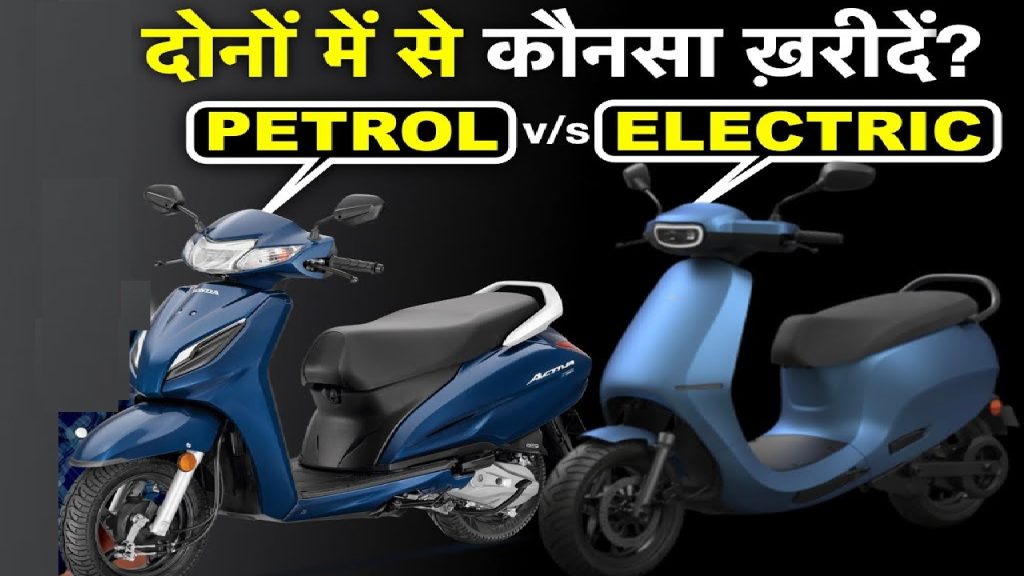
🛵💨 Are you tired of high fuel costs and constant car repairs? Ola Electric is a new player in the game. But is it really the change we’ve been waiting for? 🤔
When looking at electric scooters, it’s key to know the pros and cons. Ola Electric has made a splash, but recent issues have raised doubts. Is this company learning from its mistakes, or is it just hype?
In this blog, we’ll look at what to consider when choosing between Ola Electric and traditional cars. We’ll discuss the good and bad of each, helping you make a smart choice. So, get ready for a thrilling ride through electric mobility and its challenges! 🚀
It is disappointing to see a promising electric scooter getting bogged down by these factors. I was hoping Ola Electric would have learned from its mistakes.
Quality Control Issues
Ola Electric scooters have faced many quality problems. These range from small annoyances to big safety issues. This has made people doubt the brand.
Missed Opportunities for Improvement
Ola Electric hasn’t fixed known problems well. This has led to:
- Recurring software bugs
- Unpredictable battery performance
- Concerns about the scooter’s build
Impact on Consumer Trust
The ongoing problems have hurt Ola Electric’s reputation:
| Aspect | Impact |
|---|---|
| Brand Perception | Declining trust among potential buyers |
| Sales | Slower adoption rates despite initial hype |
| Customer Satisfaction | Increased complaints and negative reviews |
Lessons for the EV Industry
Ola Electric’s struggles teach important lessons for electric vehicles:
- Focus on quality control and testing
- Use strong customer feedback systems
- Be open about fixing issues
- Keep improving and innovating
These problems show how crucial it is to offer reliable products in the electric scooter market. When choosing an electric scooter, consider these points and the benefits of electric vehicles.
Introduction
The electric vehicle movement is growing, and people are choosing between old cars and new electric scooters like Ola Electric. This choice goes beyond just looks or performance. It’s about joining a sustainable future. Ola Electric is a key player in the electric scooter world, offering advanced tech and green features.
Why Consider Ola Electric?
- Environmental benefits
- Cost savings
- Latest technology
Key Factors in the Decision-Making Process
- Range and charging options
- Cost now vs. savings later
- How it rides and feels
- Maintenance needs
Comparative Overview
| Aspect | Ola Electric | Traditional Vehicles |
|---|---|---|
| Fuel Cost | Lower | Higher |
| Environmental Impact | Minimal | Significant |
| Maintenance | Generally simpler | More complex |
| Initial Cost | Higher | Lower |
| Range | Limited | Extensive |
When comparing Ola Electric to traditional vehicles, several factors are key. We’ll look at the good and bad points of each to help you decide.
Choosing the right electric scooter
Factors to Consider When Choosing an Electric Scooter
Choosing an electric scooter like Ola Electric involves several important factors:
Performance Specifications
Look at these performance aspects:
- Range
- Top speed
- Battery capacity
- Charging time
| Specification | Importance |
|---|---|
| Range | High |
| Top speed | Medium |
| Battery | High |
| Charging time | Medium |
Comfort and Ergonomics
Choose features that make riding better:
- Seat design
- Footboard space
- Suspension quality
- Handlebar adjustability
Safety Features
Focus on safety with these elements:
- Braking system
- Lighting (headlights, taillights, turn signals)
- Tires (quality and grip)
- Stability control
Smart Features and Connectivity
Modern scooters have these features:
- Smartphone integration
- GPS navigation
- Anti-theft systems
- Over-the-air updates
Cost Considerations
Think about both the initial and ongoing costs:
- Purchase price
- Maintenance expenses
- Electricity costs vs. fuel savings
- Insurance rates
By examining these points, you can decide if an Ola Electric scooter or another electric vehicle is right for you. Next, we’ll look at the pros and cons of electric scooters versus traditional vehicles.
Pros and cons
Advantages of Electric Scooters
Electric scooters like Ola Electric have many benefits over traditional vehicles:
- Environmental Impact: They produce no direct emissions, cutting down on air pollution and carbon footprint.
- Lower Operating Costs: They use electricity, which is often cheaper than gasoline, saving on fuel costs.
- Reduced Noise Pollution: Electric motors are much quieter than gas engines.
- Lower Maintenance: With fewer parts, they need less frequent service and cost less to maintain.
Drawbacks of Electric Scooters
Electric scooters have some downsides:
- Limited Range: They can’t go as far as cars or bikes.
- Longer Charging Time: It takes a while to charge them up.
- Higher Initial Cost: They cost more to buy than regular scooters.
- Infrastructure Challenges: Finding places to charge them can be hard.
Comparison: Electric vs. Traditional Scooters
| Feature | Electric Scooters | Traditional Scooters |
|---|---|---|
| Fuel Cost | Lower | Higher |
| Emissions | Zero direct emissions | Produces emissions |
| Maintenance | Less frequent | More frequent |
| Range | Limited | Longer |
| Refueling Time | Longer (charging) | Quicker (gas fill-up) |
| Initial Cost | Higher | Lower |
Now, let’s look at how to pick the right electric scooter for you.
ola electric share price target 2025
Ola Electric Share Price Projections for 2025
Looking into Ola Electric’s future, we see potential growth in its share price. Predicting exact prices is hard, but we can look at factors that might affect Ola Electric’s value by 2025.
Factors Influencing Share Price
- Market expansion
- Technological advancements
- Government policies
- Competition
- Financial performance
Expert Projections
Here’s what experts think about Ola Electric’s share price in 2025:
| Projection Source | Optimistic Target | Conservative Target |
|---|---|---|
| Industry Analysts | ₹450 – ₹500 | ₹300 – ₹350 |
| Financial Experts | ₹400 – ₹450 | ₹250 – ₹300 |
| Market Trends | ₹500 – ₹550 | ₹350 – ₹400 |
Remember, these are just guesses and can change. It’s smart to do your homework and think about your risk before investing.
Key Growth Drivers
- Expansion into new markets
- Improved battery technology
- Increased adoption of electric vehicles
- Government incentives for sustainable transportation
With these points in mind, Ola Electric’s future looks bright. But, it’s important to stay alert and watch the market closely.
ola electric scooter price
Cost Comparison
When looking at the Ola Electric scooter, price is key. Let’s compare the costs to traditional vehicles:
| Model | Price Range (INR) | Features |
|---|---|---|
| Ola S1 | 99,999 – 1,29,999 | Basic model, 121 km range |
| Ola S1 Pro | 1,39,999 – 1,59,999 | Advanced model, 181 km range |
Factors Affecting Price
Several elements affect the cost of an Ola Electric scooter:
- Battery capacity
- Motor power
- Range
- Smart features
- Color options
Long-term Savings
Even though the initial cost is high, there are long-term benefits:
- Lower fuel costs
- Reduced maintenance expenses
- Potential government incentives
- Longer lifespan of electric motors
Now, let’s look at the pricing of Ola Electric scooters. Weigh the costs against the long-term benefits. Next, we’ll explore the projected share price target for Ola Electric in 2025. This could affect your decision if you’re thinking of investing in the company or buying their product.
Ola S1 Pro vs Ola S1 X
Performance Comparison
| Feature | Ola S1 Pro | Ola S1 X |
|---|---|---|
| Range | 181 km | 151 km |
| Top Speed | 116 km/h | 90 km/h |
| Battery Capacity | 4 kWh | 3 kWh |
| Charging Time | 6.5 hours | 5 hours |
The Ola S1 Pro and S1 X have different performance levels. The S1 Pro has a bigger battery and more power, making it great for long rides or fast driving. The S1 X is more affordable but still offers good performance.
Feature Set
- S1 Pro:
- Advanced riding modes
- Cruise control
- Hill hold assist
- Reverse mode
- S1 X:
- Basic riding modes
- Standard safety features
- Economical choice
The S1 Pro has more features, like advanced riding modes and cruise control. The S1 X is simpler but still safe and comfortable.
Cost Considerations
When looking at these models, the long-term cost is key. The S1 Pro costs more upfront but might save money over time due to its bigger battery and longer range. The S1 X is cheaper at first but might be better for city rides with shorter distances.
Now, let’s see how these scooters compare to cars in terms of benefits and drawbacks.
First
Performance and Range
Ola Electric scooters beat cars in speed and range in cities. They go fast and can cover a lot of ground. But, they don’t go as far as cars on long trips.
Speed and Acceleration
| Feature | Ola Electric | Traditional Scooter |
|---|---|---|
| Top Speed | Up to 115 km/h | Varies (50-100 km/h) |
| Acceleration | 0-40 km/h in 3 seconds | Generally slower |
Ola Electric scooters start moving fast because of their instant torque. This is great for city driving and getting through traffic.
Range and Charging
- Ola Electric range: Up to 181 km on a single charge
- Charging time: 6-8 hours for full charge
- Fast charging option: 50% charge in 18 minutes
The range is good for city rides but might not be enough for long trips. Still, charging at home and more charging spots are big pluses.
Now, let’s look at the economic side of choosing an Ola Electric scooter over a car.
Second
Related News
Recent news has shown Ola Electric’s growth in the electric vehicle market. Here’s a quick summary:
| News Item | Details | Impact |
|---|---|---|
| Production Milestone | Ola Electric crossed 300,000 units produced | Demonstrates growing manufacturing capacity |
| New Model Launch | Introduction of S1X+ scooter | Expands product lineup and caters to different price points |
| Battery Technology | Announcement of in-house battery production | Potential for improved performance and reduced costs |
| Global Expansion | Plans to enter European markets | Indicates ambition for international growth |
These updates show Ola Electric’s push to be a big name in electric vehicles. But, there are some things to keep in mind:
- Some users have reported quality issues
- The company faces tough competition from well-known two-wheeler makers
- Challenges with electric vehicle infrastructure in India are a concern
As the electric vehicle market keeps changing, it’s important for buyers to:
- Keep up with the latest news
- Read what other users and experts say
- Compare features and prices across brands
- Think about long-term maintenance and charging options
With these points in mind, let’s see how Ola Electric’s scooters compare to cars in terms of performance, cost, and environmental impact.
Electric scooters, like Ola Electric, offer a fun alternative to cars. They have their own benefits and drawbacks. It’s important to think about your daily commute, the environment, and how easy they are to maintain.
Choosing between an electric scooter and a traditional car depends on what you need. Electric scooters are good for the environment and can save money. But, they might not work for everyone. It’s smart to try out an electric scooter before deciding.
This way, you can see if it fits your lifestyle and travel needs. It helps you make a choice that’s right for you.