


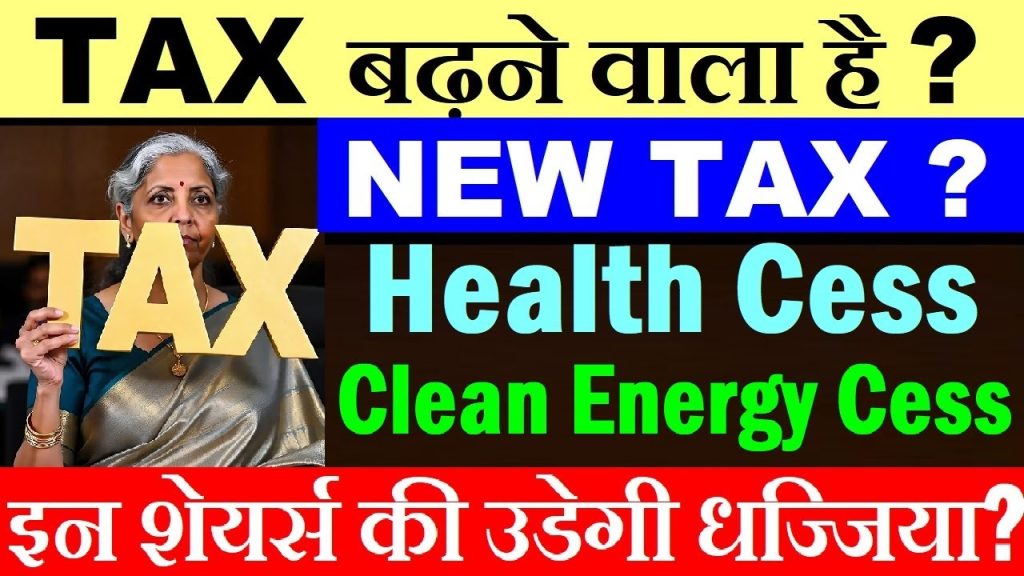
India’s taxation landscape is on the cusp of significant changes, with discussions around new taxes like the Health Cess and Clean Energy Cess, alongside modifications to the existing Goods and Services Tax (GST) Compensation Cess. These proposed changes, while not yet confirmed, could have far-reaching implications for businesses, consumers, and stock markets. This comprehensive guide explores the potential impact of these tax reforms, delving into their origins, objectives, and effects on industries like tobacco, luxury vehicles, and carbonated beverages. By understanding these changes, businesses and investors can better prepare for the future.
What Is the GST Compensation Cess?
The GST Compensation Cess, introduced in 2017 with the implementation of GST in India, was designed to address revenue shortfalls faced by states due to the transition from multiple state-specific indirect taxes to a unified GST framework. Before GST, states imposed their own taxes, leading to disparities and disputes. The GST aimed to create a “One Nation, One Tax” system, streamlining indirect taxation across India. However, this shift reduced direct revenue for states, as tax collections now flow to the central government, which redistributes funds to states.
To compensate states for any revenue losses, the GST Compensation Cess was introduced as an additional levy on specific goods and services, primarily “sin goods” (e.g., tobacco, cigarettes, pan masala) and luxury items (e.g., high-end vehicles and carbonated drinks). This cess, layered on top of the standard GST rate (often 28% for these items), ensures states receive funds to bridge the revenue gap.
Key Features of the GST Compensation Cess
- Purpose: Compensates states for revenue losses due to GST implementation.
- Duration: Initially set for five years (2017–2022), extended to 2026 due to economic disruptions caused by the COVID-19 pandemic.
- Targeted Goods: Primarily applies to sin goods (tobacco, cigarettes, pan masala), carbonated beverages, and luxury vehicles.
- Mechanism: Acts as an additional tax on top of GST, with proceeds directed to states.
The Compensation Cess was a critical tool to ensure states’ financial stability during the GST transition. However, with its expiration slated for March 31, 2026, the government is exploring new tax structures to replace or modify it.
Why Is the GST Compensation Cess Being Replaced?
As the GST Compensation Cess nears its expiration, reports suggest the government is considering replacing it with two new levies: the Health Cess and the Clean Energy Cess. While these proposals are still under discussion and not yet confirmed, they reflect the government’s intent to align taxation with public health and environmental goals. The potential introduction of these cesses could reshape the tax burden on specific industries, impacting businesses and consumers alike.
Reasons for the Proposed Change
- Expiring Compensation Cess: The current cess is set to end in 2026, necessitating a new framework to maintain revenue streams.
- Public Health Priorities: The Health Cess targets sin goods like tobacco and carbonated drinks, aiming to discourage consumption while generating revenue.
- Environmental Goals: The Clean Energy Cess focuses on fossil fuel-based vehicles, promoting cleaner alternatives like electric vehicles (EVs).
- Revenue Needs: With states still reliant on central funds, new cesses ensure continued financial support without disrupting the GST framework.
These proposed changes signal a shift toward purpose-driven taxation, balancing fiscal needs with societal benefits.
Exploring the Health Cess: Targeting Sin Goods
The Health Cess is a proposed tax aimed at goods deemed harmful to public health, such as tobacco products, cigarettes, pan masala, and carbonated beverages. These items, often categorized as sin goods, already face a 28% GST rate, with the Compensation Cess adding an extra layer of taxation. The Health Cess could either replace or supplement the existing cess, potentially increasing the tax burden on these products.
Which Industries Will Be Affected?
- Tobacco and Cigarettes: Companies like ITC, Godfrey Phillips, VST Industries, and Golden Tobacco could face higher costs, squeezing profit margins if the cess rate increases.
- Carbonated Beverages: Brands like Varun Beverages Limited (VBL), which produces PepsiCo products, may see elevated prices, potentially reducing consumer demand.
- Pan Masala and Related Products: Manufacturers in this segment could experience similar challenges, as higher taxes make these products less affordable.
Potential Impacts of the Health Cess
- Increased Prices: Higher taxes will likely raise the cost of sin goods, affecting consumer purchasing behavior.
- Reduced Demand: As prices rise, demand for tobacco and carbonated drinks may decline, impacting company revenues.
- Stock Market Effects: Companies in affected sectors may see stock price volatility, especially if the cess significantly alters profitability.
- Public Health Benefits: Higher prices could deter consumption of harmful products, aligning with government health initiatives.
For businesses, the Health Cess represents both a challenge and an opportunity. Companies may need to innovate, diversify product lines, or pass on costs to consumers, while investors should monitor how these firms adapt to the changing tax landscape.
The Clean Energy Cess: Promoting Sustainable Choices
The Clean Energy Cess targets fossil fuel-based vehicles, particularly luxury cars and SUVs, to encourage the adoption of renewable energy alternatives like electric vehicles. This cess aligns with India’s ambitious environmental goals, including reducing carbon emissions and promoting clean energy solutions.
Key Aspects of the Clean Energy Cess
- Targeted Products: Primarily affects petrol and diesel vehicles, especially high-end models like SUVs and luxury cars.
- Exemptions: Electric vehicles and other clean energy alternatives are likely to be exempt, incentivizing their adoption.
- Environmental Impact: By increasing the cost of polluting vehicles, the cess aims to reduce carbon emissions and promote sustainability.
Industries and Companies at Risk
- Automobile Sector: Luxury car manufacturers and SUV producers, such as Maruti Suzuki, Mahindra & Mahindra, and Tata Motors, may face higher taxes on specific models.
- Consumer Impact: Increased vehicle prices could dampen demand, particularly in the premium segment.
- Stock Market Implications: Companies heavily reliant on fossil fuel-based vehicles may experience stock price pressure, while EV manufacturers like Tata Motors (with its EV portfolio) could benefit.
The Clean Energy Cess underscores the government’s commitment to environmental sustainability, but it may challenge traditional automakers to pivot toward greener technologies.
How Will These Tax Changes Affect Businesses?
The proposed Health Cess and Clean Energy Cess, combined with potential revisions to the GST Compensation Cess, could significantly impact businesses in targeted sectors. Here’s a detailed look at the potential effects:
1. Increased Operational Costs
Higher taxes on sin goods and fossil fuel vehicles will raise production and distribution costs for affected industries. Companies may need to absorb these costs, reducing profit margins, or pass them on to consumers, risking lower sales volumes.
2. Shifts in Consumer Behavior
As prices rise, consumers may reduce consumption of taxed goods, such as cigarettes, carbonated drinks, and luxury vehicles. This could force companies to rethink pricing strategies or explore untaxed product categories.
3. Stock Market Volatility
Stocks of companies in affected sectors, such as ITC (tobacco), Varun Beverages (carbonated drinks), and luxury automakers, may face downward pressure if taxes erode profitability. Conversely, companies in untaxed or less-taxed segments, like EV manufacturers, could see gains.
4. Opportunities for Innovation
The Clean Energy Cess, in particular, creates opportunities for companies to invest in sustainable technologies. Automakers focusing on EVs or hybrid vehicles may gain a competitive edge, while tobacco and beverage companies could explore healthier product alternatives.
5. Regulatory Compliance Costs
Adapting to new tax structures may require businesses to update accounting systems, revise pricing models, and ensure compliance with revised regulations, adding to operational expenses.
Impact on Investors: Which Stocks to Watch?
The proposed tax changes could create winners and losers in the stock market. Investors should closely monitor companies in the following sectors:
Tobacco and Cigarette Companies
- ITC: A major player in India’s tobacco industry, ITC could face challenges if the Health Cess increases tax rates on cigarettes and related products.
- Godfrey Phillips: Another key tobacco company, Godfrey Phillips may see similar pressures on profitability.
- VST Industries and Golden Tobacco: Smaller players in the tobacco sector could face significant impacts due to their reliance on taxed products.
Carbonated Beverage Manufacturers
- Varun Beverages Limited (VBL): As a leading producer of carbonated drinks, VBL may face higher taxes, potentially affecting its margins and stock performance.
Automobile Sector
- Luxury and SUV Manufacturers: Companies like Mahindra & Mahindra, Maruti Suzuki, and Tata Motors (for their non-EV portfolios) could see increased costs for petrol and diesel vehicles.
- EV-Focused Companies: Firms investing in electric vehicles, such as Tata Motors and MG Motor, may benefit from exemptions under the Clean Energy Cess.
Strategic Investment Considerations
- Diversification: Investors should consider diversifying portfolios to include companies less exposed to these taxes, such as those in the EV or renewable energy sectors.
- Long-Term Outlook: Companies adapting to tax changes by innovating or entering untaxed markets may offer long-term growth potential.
- Monitoring GST Council Meetings: The GST Council’s decisions will be critical in determining the final tax structure. Investors should stay updated on meeting outcomes, particularly those scheduled before March 2026.
The Broader Economic Implications
Beyond individual industries, the proposed tax changes could have wider economic effects:
1. Inflationary Pressures
Higher taxes on consumer goods like cigarettes, carbonated drinks, and vehicles could contribute to inflation, particularly in urban markets where these products are popular.
2. Revenue Generation
The Health Cess and Clean Energy Cess could bolster government revenues, supporting infrastructure development, healthcare initiatives, and environmental programs.
3. Consumer Spending
Increased prices may reduce discretionary spending on taxed goods, potentially redirecting consumer budgets toward untaxed or less-taxed alternatives.