


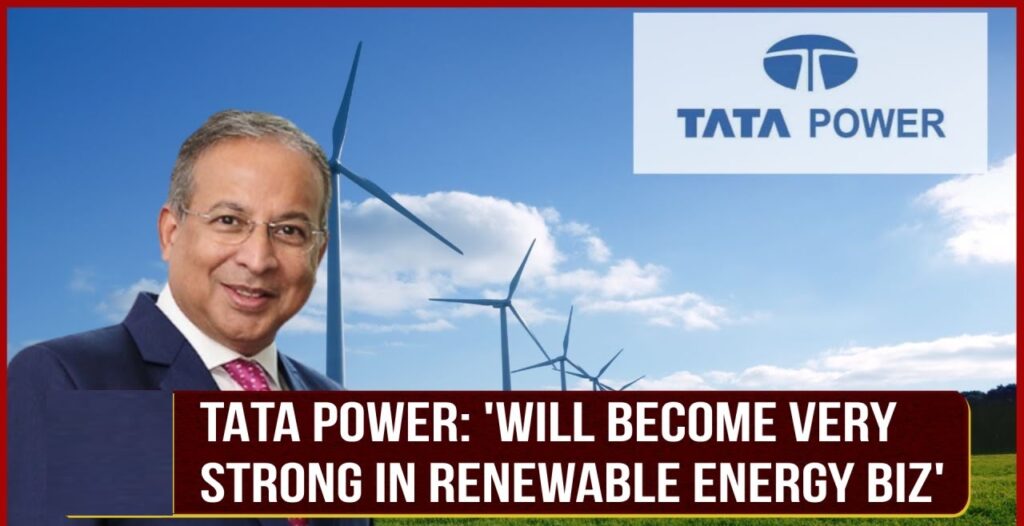
Tata Power share price, one of India’s largest integrated power companies, has forged a groundbreaking strategic partnership with Bhutan’s Druk Green Power Corporation (DGPC). This collaboration aims to develop 5,000 MW of clean energy projects, marking one of the largest cooperative clean energy initiatives between India and Bhutan. The partnership supports regional energy security and emphasizes a shared commitment to clean energy adoption.
A Milestone for Clean Energy Development
Tata Power and DGPC’s memorandum of understanding (MoU) signifies a major step toward enhancing Bhutan’s energy generation capacity. By 2040, Bhutan aims to achieve a total energy production capacity of 25,000 MW as part of its vision for energy security and regional integration. To diversify its energy portfolio beyond traditional hydropower, Bhutan is exploring solar and geothermal energy projects, leveraging this partnership for advanced project structuring and financing.
Key Features of the Strategic Partnership
Under the support of the Royal Government of Bhutan and the Indian government, this collaboration is set to become one of Asia’s largest clean energy ventures. With over 15 years of cooperation, Tata Power and DGPC have established a strong track record in energy sector initiatives. This partnership enhances Tata Power’s reputation as a preferred clean energy partner in the region while showcasing Bhutan’s significant hydropower potential and its role in regional energy security.
Prominent figures, including Bhutan’s Prime Minister Dasho Tshering Tobgay, Energy and Natural Resources Minister Lyonpo Loknath Sharma, Tata Sons Chairman N. Chandrasekaran, and other senior officials, attended the MoU signing ceremony held in Thimphu.
Projects Under Development
The partnership will oversee the development of renewable energy projects totaling 5,000 MW. Key initiatives include:
- Dorjilung Hydropower Project (1,125 MW)
- Gongri Reservoir Project (740 MW)
- Jeri Pump Storage Project (1,800 MW)
- Chamkharchu 4 Project (364 MW)
Additionally, Tata Power Renewable Energy Limited (TPREL), a subsidiary of Tata Power, will develop 500 MW of solar projects. This collaboration follows Tata Power’s earlier acquisition of a 40% stake in Bhutan’s 600 MW Kholongchhu Hydropower Project, a venture requiring an investment of over INR 69 billion.
A Legacy of Cooperation and Innovation
Tata Power’s association with DGPC began in 2008 with the development of the Dagachhu Hydropower Plant, Bhutan’s first public-private partnership in the hydropower sector. Tata Power also operates the Tala Transmission Line, which delivers clean electricity from Bhutan to India, demonstrating the long-standing energy cooperation between the two nations.
According to Dr. Praveer Sinha, CEO and Managing Director of Tata Power, “Our partnership with DGPC strengthens Tata Power’s position as a leading clean energy partner. Together, we aim to harness Bhutan’s hydropower potential, addressing growing energy demands in both countries with reliable, round-the-clock clean energy.”
Driving Renewable Energy Growth
Tata Power has positioned itself as a leader in the renewable energy sector, with a green portfolio exceeding 12.9 GW (6.4 GW operational and 6.5 GW under construction). The company plans to expand its renewable energy capacity to 70% of its total portfolio by 2030, leveraging over a century of experience in hydropower generation.
This partnership also aligns with Bhutan’s goals of maximizing its renewable energy resources for economic growth and long-term energy security. Dasho Chewang Rinzin, Managing Director of DGPC, expressed confidence in the collaboration, emphasizing its importance in achieving Bhutan’s aspirations.
Regional Energy Integration and Economic Benefits
Bhutan’s hydropower resources complement India’s energy demand patterns, particularly during peak summer months. Bhutan benefits economically from exporting surplus energy to India while addressing its own rising power needs. Additionally, this cooperation supports job creation, infrastructure development, and Bhutan’s economic growth, projected to reach a 7.2% growth rate by FY2025.
Strengthening Energy Security in South Asia
As regional energy integration progresses, Bhutan’s investments in hydropower are becoming increasingly significant. Initiatives like Bangladesh’s agreement to import electricity from Nepal via India highlight the growing opportunities for energy cooperation in South Asia.
The Tata Power-DGPC partnership not only symbolizes a new era in clean energy development but also showcases the potential of strategic collaborations to create a sustainable, interconnected energy future for the region.