


Introduction
Tata Motors Share News Today: Complete Analysis of Stock Performance, Demerger Plans, , one of India’s leading automotive manufacturers, continues to make headlines with significant developments in its business strategy and stock performance. Today’s market session witnessed notable movements in Tata Motors shares, accompanied by crucial announcements regarding the company’s future plans and potential risks that investors should carefully consider.
Tata Motors Stock Performance Today: Market Analysis
Current Market Scenario
The Indian stock market experienced a challenging trading session today, with the BSE Sensex closing at 81,691 points, marking a substantial decline of 823 points or approximately 1%. This broader market weakness significantly impacted automotive stocks, particularly affecting Tata Motors’ performance.
Tata Motors Share Price Movement
Tata Motors shares faced considerable pressure in today’s trading session, closing at approximately ₹714-715, representing a decline of nearly 3% from the previous session. The stock opened positively but failed to maintain momentum as broader market sentiment turned negative.
Key performance metrics for today’s session:
- Opening price: ₹737 (approximately)
- Closing price: ₹714-715
- Intraday low: ₹711
- Decline: 2.89-2.98%
- Maximum intraday decline: 3.37%
Nifty Auto Index Impact
The Nifty Auto index experienced a more severe decline compared to the broader market, falling by 393 points to close at 2,341 levels. This 1.65% decline in the auto sector index directly influenced Tata Motors’ stock performance, as sectoral sentiment plays a crucial role in individual stock movements.
Four Major Risks Identified by HSBC: Critical Analysis
Risk Assessment Overview
Leading brokerage firm HSBC has identified four significant downside risks for Tata Motors, particularly affecting its Jaguar Land Rover (JLR) division. These risks require careful consideration by investors and market participants.
First Risk: Currency Fluctuation Impact
British Pound Strength Against US Dollar
HSBC warns that a 1% appreciation in the British Pound against the US Dollar could severely impact Jaguar Land Rover’s margins by approximately 20%. This currency risk stems from JLR’s operational structure and revenue exposure to different currencies.
Implications for Investors:
- High sensitivity to currency movements
- Potential margin compression
- Need for effective hedging strategies
Second Risk: New Model Design Challenges
Brand Image and Sales Vulnerability
The introduction of new vehicle models carries inherent risks related to design flaws or market acceptance issues. Any significant problems with new model launches could adversely affect:
- Brand reputation and consumer trust
- Sales volumes across product lines
- Long-term market positioning
Third Risk: Incentive Pressure in Key Markets
Market-Specific Challenges
HSBC highlights concerns about higher-than-expected incentive requirements in crucial markets including:
- United States mainland
- China
- European markets
These increased incentives could significantly pressure Jaguar Land Rover’s profit margins and overall profitability.
Fourth Risk: Electric Vehicle Sales Performance
Range Rover Electric Vehicle Concerns
The upcoming electric vehicle lineup from Range Rover faces uncertainty regarding sales performance. Poor sales of these electric models could substantially impact:
- Overall profitability metrics
- Market share in the luxury EV segment
- Future investment returns
Tata Motors’ Ambitious Expansion Plans: 30 New Models by 2030
Strategic Business Transformation
Tata Motors has announced an aggressive expansion strategy, planning to launch 30 new models over the coming years. This comprehensive plan demonstrates the company’s commitment to regaining market share and strengthening its competitive position.
Detailed Product Launch Strategy
New Model Launches (2025-2030):
- 7 completely new car models
- 23 facelift variants of existing models
- Strategic focus on multiple vehicle segments
Key Upcoming Launches:
- Tiago 2025 (expected to boost sales significantly)
- Altroz facelift variant
- Tata Curvv (second half of 2026)
- Enhanced versions of Harrier and Safari
- Nexon CNG variants
Market Share Objectives
Tata Motors has set ambitious market share targets:
- 2027 Target: 16% market share in passenger vehicles
- 2028-2030 Target: 18-20% market share
- Current Focus: Achieving double-digit margins
Investment Commitment
The company plans to invest between ₹300-350 billion (₹30,000-35,000 crores) to support this expansion strategy, demonstrating significant financial commitment to growth objectives.
Electric Vehicle Segment: Challenges and Opportunities
Market Share Decline Analysis
Tata Motors once dominated India’s electric vehicle market with approximately 73% market share. However, this dominance has declined to around 39% due to increased competition from other manufacturers launching multiple EV models.
Competitive Landscape Changes
Factors Contributing to Market Share Loss:
- Increased competition from new entrants
- Diverse model offerings from competitors
- Pricing pressures in the EV segment
- Changing consumer preferences
Recovery Strategy
Tata Motors is implementing a comprehensive strategy to regain EV market leadership:
- Launching new electric vehicle models
- Improving existing EV technology
- Competitive pricing strategies
- Enhanced charging infrastructure partnerships
Demerger Plans: Strategic Separation for Enhanced Value
Demerger Announcement Details
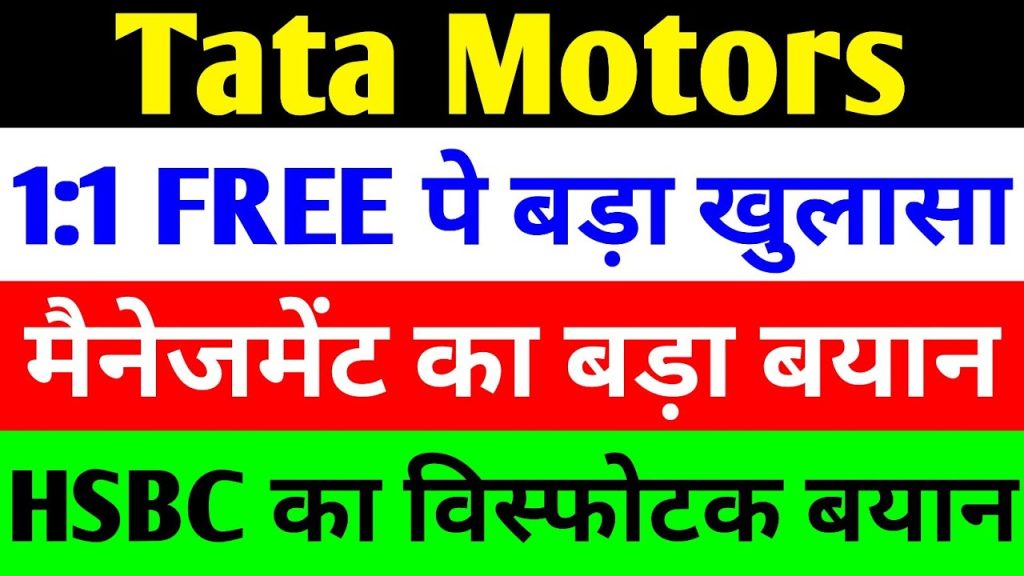
Tata Motors Chairman N. Chandrasekaran has confirmed that the company’s demerger into two separate entities represents a long-term strategic decision designed to benefit both businesses and shareholders.
Demerger Structure and Timeline
Proposed Structure:
- Commercial Vehicle Division (separate entity)
- Passenger Vehicle Division (separate entity)
- Timeline: Expected completion by second half of 2025
Shareholder Benefits
Direct Benefits to Investors:
- One additional share for every existing share held
- Separate valuation for each business segment
- Enhanced focus on core competencies
- Improved operational efficiency
Strategic Rationale
The demerger will enable:
- Independent strategic decision-making for each division
- Focused resource allocation
- Better market positioning for each segment
- Enhanced shareholder value creation
Financial Performance and Debt Reduction Strategy
Current Financial Position
Tata Motors has successfully transitioned from significant losses to profitability, demonstrating effective operational improvements and strategic execution.
Debt Reduction Plans
Key Financial Objectives:
- Achieve debt-free status within 2 years
- Maintain strong cash flow generation
- Optimize capital structure
Profitability Improvements
The company has shown consistent improvement in:
- Operating margins
- Revenue growth
- Cost management
- Working capital optimization
CNG Segment Performance: Bright Spot in Portfolio
CNG Market Leadership
Despite challenges in other segments, Tata Motors has demonstrated exceptional performance in the CNG vehicle segment, achieving 53% growth in this category.
Market Opportunities
CNG Segment Advantages:
- Growing environmental consciousness
- Government policy support
- Cost-effective fuel alternative
- Expanding infrastructure
Strategic Focus Areas
Tata Motors continues to invest in:
- CNG technology development
- Product range expansion
- Market penetration strategies
- Customer acquisition programs
Competitive Analysis and Market Positioning
Commercial Vehicle Segment
According to HSBC analysis, Tata Motors’ commercial vehicle business currently trades at a 15% discount compared to competitor Ashok Leyland, primarily due to:
- Market dominance concerns
- Margin pressures
- Competitive intensity
Passenger Vehicle Segment
The passenger vehicle division trades at approximately 20% discount to segment leader Maruti Suzuki, indicating potential value opportunities for investors.
Competitive Advantages
Tata Motors’ Strengths:
- Diverse product portfolio
- Strong brand recognition
- Extensive dealer network
- Manufacturing capabilities
- Research and development investments
Industry Outlook and Future Prospects
Market Projections
2025 Outlook: Moderate growth expected in the automotive industry 2026 Outlook: Slow industry growth anticipated, but Tata Motors may outperform due to new product launches
Growth Drivers
Key Factors Supporting Future Growth:
- New model launches
- Electric vehicle adoption
- CNG segment expansion
- Export market opportunities
- Digital transformation initiatives
Risk Mitigation Strategies
Tata Motors is implementing comprehensive risk management through:
- Diversified product portfolio
- Geographic market expansion
- Technology investments
- Strategic partnerships
- Operational efficiency improvements
Investment Considerations and Analyst Recommendations
HSBC’s Overall Assessment
Despite identifying four major risks, HSBC maintains a bullish outlook on Tata Motors, citing:
- Strong fundamental business prospects
- Effective management strategy
- Market recovery potential
- Demerger value creation
Potential Catalysts
Positive Factors for Stock Performance:
- Successful demerger execution
- New product launch success
- Market share recovery
- Margin improvement
- Debt reduction achievement
Risk Factors to Monitor
Key Risks for Investors:
- Currency fluctuation impact
- Competitive pressure
- Economic slowdown effects
- Raw material price volatility
- Regulatory changes
Technical Analysis and Price Targets
Historical Performance Context
Tata Motors reached a record high of ₹1,179.05 on July 30, 2024, but has since declined by approximately 53.9% to current levels. The stock hit a low of ₹542.55 on April 7, 2025, before recovering to current levels.
Support and Resistance Levels
Key Technical Levels:
- Support: ₹700-710 range
- Resistance: ₹750-760 range
- Long-term target: Recovery toward ₹800+ levels
Recovery Potential
The stock has shown resilience by recovering from its April 2025 lows, indicating potential for further upward movement based on:
- Fundamental improvements
- Strategic initiatives
- Market sentiment recovery
ESG Considerations and Sustainability Initiatives
Environmental Commitments
Tata Motors continues to focus on sustainable mobility solutions through:
- Electric vehicle development
- Emission reduction technologies
- Sustainable manufacturing practices
- Circular economy initiatives
Social Responsibility
The company maintains strong social responsibility commitments via:
- Community development programs
- Employee welfare initiatives
- Safety standard improvements
- Skill development programs
Governance Standards
Strong corporate governance practices include:
- Transparent reporting
- Board diversity
- Risk management frameworks
- Stakeholder engagement
Conclusion and Future Outlook
Tata Motors stands at a critical juncture in its corporate evolution. The company’s ambitious expansion plans, combined with the strategic demerger initiative, position it for potential significant value creation. While HSBC has identified legitimate risks that require monitoring, the overall strategic direction appears promising.
The planned launch of 30 new models by 2030, coupled with substantial investment commitments, demonstrates management’s confidence in the company’s future prospects. The demerger will provide shareholders with enhanced value through focused business operations and potentially improved valuations for both entities.
Investors should carefully consider both the opportunities and risks associated with Tata Motors investment. The company’s transition from losses to profitability, combined with debt reduction plans and market share recovery strategies, creates a compelling investment narrative.
However, currency risks, competitive pressures, and execution challenges remain significant factors that could impact performance. The success of new product launches and the effectiveness of the demerger process will be crucial determinants of future stock performance.
For long-term investors, Tata Motors presents an opportunity to participate in India’s automotive sector growth while benefiting from the company’s strategic transformation. The combination of traditional automotive expertise with electric vehicle innovation, supported by strong financial planning, creates a foundation for sustainable growth.
Disclaimer: This analysis is for educational purposes only. Investors should conduct their own research and consult with financial advisors before making investment decisions. Stock market investments carry inherent risks, and past performance does not guarantee future results.