


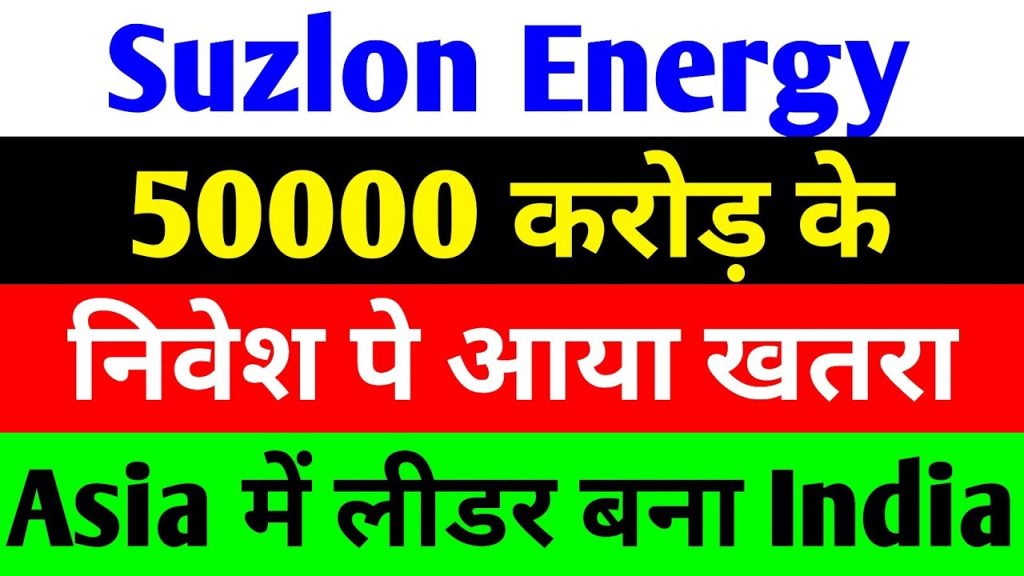
India’s renewable energy sector is at a pivotal moment, with companies like Suzlon Energy leading the charge toward a sustainable future. As global demand for clean energy surges and government policies align with ambitious climate goals, Suzlon stands out as a key player in the wind energy market. Despite recent market volatility and regulatory challenges, the company’s strategic positioning, robust order book, and alignment with India’s “Make in India” initiative make it a compelling case for investors and industry watchers. This article delves into Suzlon Energy’s latest developments, market performance, and the broader renewable energy landscape, offering insights into why the company is poised for long-term success.
Suzlon Energy’s Market Resilience: Defying the Downturn
On May 12, 2025, India’s stock market witnessed significant turbulence, with the BSE Sensex closing at 81,448, down 1,228 points or 1.55%. The Nifty Energy index also slumped, closing at 34,549, a decline of 1,885 points or 0.53%. Amid this bearish sentiment, Suzlon Energy’s stock shone brightly, closing at ₹57.65, up 1.23%. Intraday trading saw the stock hit a high of ₹58, reflecting strong investor confidence despite the broader market’s downturn.
This resilience underscores Suzlon’s unique position in the renewable energy sector. While profit booking weighed on the market following a previous day’s rally—driven by a ceasefire in India-Pakistan tensions—Suzlon’s stock defied the trend. Analysts attribute this to positive market sentiment toward small- and mid-cap stocks, particularly in the renewable energy space, where Suzlon is a frontrunner.
Clarifying Market Rumors: Suzlon’s Transparency
A significant update from Suzlon Energy came in response to unusual market activity on May 12, 2025. At 9:30 AM, the stock experienced a sharp price movement accompanied by high trading volumes, prompting the stock exchange to seek clarification. Suzlon promptly issued a statement, confirming that the price surge was not driven by any company-specific events, announcements, or media reports. Instead, the movement was attributed to market dynamics, possibly due to large-scale buying by institutional investors or fund houses.
This transparency reinforces Suzlon’s commitment to corporate governance, reassuring investors that the company operates with clarity and accountability. By addressing rumors swiftly, Suzlon mitigated speculation and maintained trust, a critical factor in sustaining investor confidence in a volatile market.
Why Suzlon Energy Is Thriving: Key Growth Drivers
Suzlon’s recent performance is no fluke—it’s the result of several strategic and market-driven factors that position the company for sustained growth. Below, we explore the key drivers behind Suzlon’s success.
1. Government Support for Renewable Energy
India’s government is doubling down on its renewable energy ambitions, targeting 500 gigawatts (GW) of capacity by 2030 to meet rising electricity demand sustainably. Wind energy, a cornerstone of this vision, benefits from robust policy support, including subsidies, tax incentives, and streamlined project approvals. Suzlon, as one of India’s largest wind turbine manufacturers, is well-positioned to capitalize on this push.
The Ministry of New and Renewable Energy (MNRE) has set aggressive targets, and Suzlon’s expertise in wind energy solutions aligns perfectly with these goals. New project announcements and government-backed initiatives are creating a favorable environment for companies like Suzlon to secure large-scale contracts.
2. Strong Order Book and New Projects
Suzlon’s ability to secure new wind energy projects is a testament to its operational strength and market reputation. Recent reports highlight the company’s growing order book, with contracts spanning both domestic and international markets. These projects not only boost revenue but also enhance investor sentiment, as they signal long-term growth potential.
The company’s focus on innovation—developing high-efficiency turbines suited to India’s diverse wind conditions—further strengthens its competitive edge. By consistently winning bids for large-scale wind farms, Suzlon is cementing its role as a leader in the global renewable energy transition.
3. Rising Demand for Clean Energy
Globally, the shift toward clean energy is accelerating, driven by climate change concerns and the need to reduce carbon emissions. In India, renewable energy demand is surging, with wind and solar power accounting for a significant share of new capacity additions. Suzlon’s business model, centered on wind energy, taps into this growing market, attracting both domestic and foreign investors.
The company’s ability to deliver cost-effective, reliable wind energy solutions has earned it a loyal customer base and a strong market presence. As businesses and governments prioritize sustainability, Suzlon’s offerings are increasingly in demand.
4. Positive Market Sentiment
Despite short-term market fluctuations, the renewable energy sector enjoys strong investor confidence, particularly in small- and mid-cap stocks like Suzlon. Analysts note that the sector’s long-term growth prospects, coupled with government backing, make it a safe bet for investors seeking exposure to India’s green economy.
Suzlon’s stock performance reflects this optimism. Even on days when the broader market falters, the company’s shares often hold steady or gain, driven by positive sentiment and expectations of future growth.
Navigating Regulatory Challenges: The “Make in India” Mandate
While Suzlon is riding a wave of opportunity, the renewable energy sector faces regulatory hurdles that could impact growth. In April 2017, the Indian government introduced a “Make in India” mandate, requiring all wind energy project components—such as blades, towers, gearboxes, and generators—to be manufactured locally. This rule, reinforced by a draft amendment issued on April 17, 2025, by the MNRE, aims to boost domestic manufacturing and reduce reliance on imports.
However, the mandate poses challenges for some companies, particularly those dependent on imported components like large gearboxes, which are not yet widely produced in India. Industry players have raised concerns that strict enforcement could delay projects worth approximately ₹50,000 crore, putting significant investments at risk.
Suzlon’s Competitive Advantage
Unlike its competitors, Suzlon is well-prepared to navigate this regulatory shift. The company has long embraced the “Make in India” initiative, manufacturing nearly all its wind turbine components domestically. This strategic foresight shields Suzlon from the disruptions facing rivals, particularly those relying on imports from countries like China.
Industry experts suggest that Suzlon’s localized supply chain gives it a competitive edge, enabling faster project execution and compliance with government norms. While other companies lobby for exemptions or relaxed rules—such as a one-year grace period for projects up to 50 turbines or 200 megawatts—Suzlon is already ahead of the curve.
Government’s Balancing Act
The government faces pressure to balance its “Make in India” goals with the renewable energy sector’s growth needs. Industry stakeholders argue that a temporary relaxation of the local manufacturing mandate could prevent project delays and protect investments. The MNRE is reportedly considering these demands, with potential exemptions under discussion to ensure the sector’s momentum isn’t derailed.
For Suzlon, any policy adjustments are unlikely to disrupt operations, given its established domestic manufacturing capabilities. However, a more flexible regulatory framework could benefit the broader industry, fostering competition and innovation.
India’s Leadership in Climate Action: A Global Perspective
India’s role in global climate action is gaining widespread recognition, with the country emerging as a leader in Asia’s energy transition. At a recent event in Singapore, Helen Clarkson, CEO of the Climate Group, praised India’s progress in renewable energy, highlighting its ambitious targets and achievements. According to MNRE data, India’s renewable energy capacity reached 220 GW by the end of FY 2025, with solar and wind energy contributing 48% of the total.
This milestone underscores India’s commitment to decarbonization and energy security. Clarkson emphasized that Asia, led by India, has the potential to address both economic and climate challenges by prioritizing clean technologies and renewable energy. India’s advancements in wind and solar power are setting a benchmark for the region, attracting global investment and fostering innovation.
For companies like Suzlon, this global spotlight translates into increased opportunities. As India’s renewable energy sector grows, Suzlon is poised to benefit from rising demand, government support, and international partnerships.
Analyst Insights: Suzlon’s Long-Term Potential
Financial analysts remain optimistic about Suzlon’s future, citing its improving financial health and strategic initiatives. HDFC Securities, in a recent report, recommended a “hold” strategy for long-term investors, noting the company’s expanding capacity and strong project pipeline. Analysts believe Suzlon’s focus on operational efficiency and innovation will drive profitability in the coming years.
The company’s ability to secure new orders, coupled with its alignment with government policies, positions it for sustained growth. However, analysts caution investors to conduct thorough research or consult financial advisors before making investment decisions, given the inherent risks of market volatility.
Suzlon’s Role in India’s Renewable Energy Future
Suzlon Energy is more than just a wind turbine manufacturer—it’s a key player in India’s journey toward a sustainable, low-carbon future. The company’s ability to thrive in a challenging market environment, coupled with its proactive approach to regulatory compliance, sets it apart from competitors. As India aims to achieve 500 GW of renewable energy capacity by 2030, Suzlon’s expertise, innovation, and localized supply chain will be critical to meeting these targets.
Key Takeaways for Investors
- Market Resilience: Suzlon’s ability to outperform during market downturns reflects strong investor confidence and sector-specific tailwinds.
- Regulatory Advantage: The company’s adherence to “Make in India” norms positions it favorably amid tightening regulations.
- Growth Opportunities: A robust order book, government support, and rising clean energy demand create a positive outlook for Suzlon.
- Global Recognition: India’s leadership in climate action enhances Suzlon’s visibility and attractiveness to international investors.
Conclusion: A Bright Future for Suzlon Energy
Suzlon Energy is at the forefront of India’s renewable energy revolution, leveraging its expertise, innovation, and strategic alignment with national policies to drive growth. Despite market volatility and regulatory challenges, the company’s resilience, transparency, and focus on sustainability make it a standout performer in the renewable energy sector. As India accelerates its transition to clean energy, Suzlon is well-positioned to power the nation’s future while delivering value to investors.
For those considering investment in Suzlon or the broader renewable energy market, thorough research and professional advice are essential. The sector’s long-term potential is undeniable, and Suzlon’s track record suggests it will play a pivotal role in shaping India’s green economy. Stay informed, stay strategic, and seize the opportunities in this dynamic industry.