


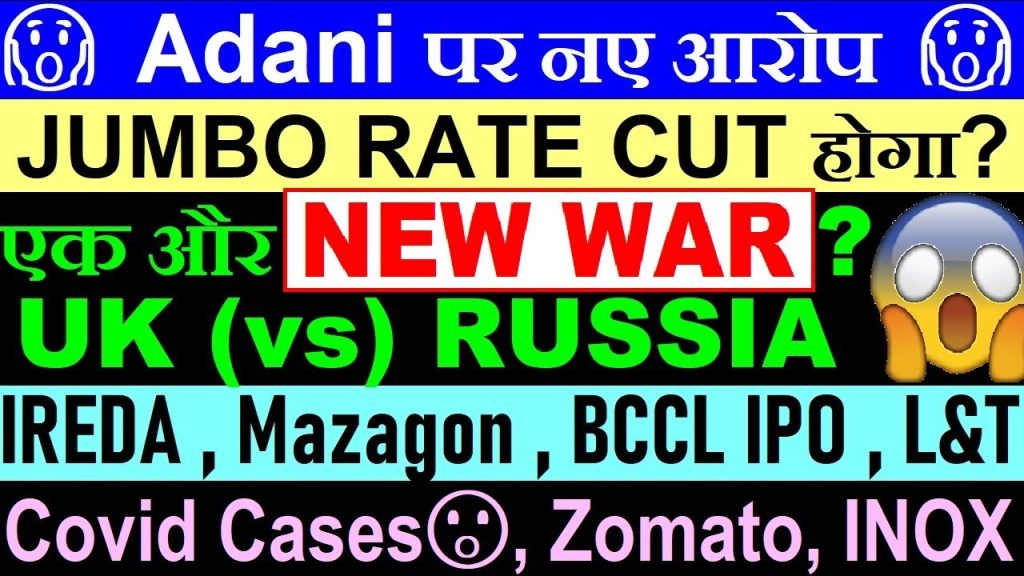
In today’s fast-paced financial landscape, staying informed about market trends, corporate developments, and global economic shifts is crucial for investors, businesses, and policymakers. From stock market volatility to regulatory actions and geopolitical tensions, the world of finance is buzzing with updates that demand attention. This article dives deep into the latest happenings, offering actionable insights and a clear perspective on what’s shaping the markets in June 2025. With a focus on key developments in the U.S. and Indian markets, corporate moves, and global macroeconomic trends, this comprehensive guide aims to equip readers with the knowledge to navigate the dynamic financial ecosystem.
U.S. Stock Market: Volatility and Recovery in Focus
The U.S. stock market has been a rollercoaster in recent sessions, with significant volatility grabbing headlines. The Dow Jones Industrial Average recently experienced a sharp decline of over 400 points at the opening, only to recover partially, closing down 134 points. This rebound highlights the market’s resilience despite early selling pressure.
Why the Volatility?
Several factors contribute to this choppy market behavior:
- Global Economic Uncertainty: Ongoing trade tensions and geopolitical risks, particularly between the U.S. and China, continue to unsettle investors.
- Corporate Earnings: Mixed quarterly results from major companies have led to selective buying and selling.
- Interest Rate Speculation: Investors are closely monitoring the Federal Reserve’s next moves, with expectations of potential rate cuts influencing market sentiment.
Despite the initial drop, the partial recovery signals that bargain hunters are stepping in, viewing dips as buying opportunities. For investors, this underscores the importance of staying agile and focusing on fundamentally strong companies during turbulent times.
Quick Commerce in India: Regulatory Scrutiny Intensifies
India’s quick commerce sector, known for its promise of 10-minute deliveries, is facing increased regulatory oversight. Companies like Zomato-owned Blinkit and Zepto are under the microscope after the Maharashtra Food and Drug Administration (FDA) suspended Zepto’s food license in Mumbai’s Dharavi area.
Reasons Behind the Crackdown
The FDA cited multiple violations, including:
- Poor Hygiene Standards: Inspections revealed inadequate maintenance of storage facilities, with issues like fungal contamination in Zepto’s dark stores.
- Non-Compliance with Regulations: Failure to adhere to food safety and storage guidelines prompted the suspension.
This action is not an isolated incident. The FDA has now placed all quick commerce players under scrutiny, with inspections planned across their facilities. Companies like Swiggy’s Instamart and Blinkit could face similar challenges if lapses are found. Investors should keep these firms on their radar, as regulatory hurdles could impact stock performance and operational efficiency in the short term.
Opportunities Amid Challenges
While regulatory scrutiny poses risks, it also presents an opportunity for quick commerce companies to strengthen their operations. By addressing hygiene and compliance issues, these firms can rebuild trust and solidify their market position. For investors, this could be a chance to buy into fundamentally strong players at lower valuations during periods of uncertainty.
Apollo Hospitals: Strategic Divestitures on the Horizon
Apollo Hospitals, a leading healthcare provider in India, is reportedly planning to sell its maternity care arm. This strategic move aims to streamline operations and focus on core healthcare services, potentially unlocking value for shareholders.
Why Sell the Maternity Care Arm?
- Focus on High-Growth Segments: Apollo is likely prioritizing areas like oncology, cardiology, and diagnostics, which offer higher margins and scalability.
- Capital Allocation: Divesting non-core assets could free up capital for investments in technology, infrastructure, or acquisitions.
- Market Positioning: By sharpening its focus, Apollo aims to strengthen its competitive edge in India’s burgeoning healthcare sector.
Investors should watch this development closely, as the proceeds from the sale could fuel growth initiatives or enhance shareholder returns through buybacks or dividends.
Air India: Passing Costs to Consumers Amid Geopolitical Tensions
Air India, one of India’s largest airlines, is navigating a complex operating environment due to geopolitical tensions, particularly in the India-Pakistan region. The airline recently announced plans to pass on additional costs from longer flight routes to customers, a move driven by restricted airspace access.
Impact on Consumers and Investors
- Higher Ticket Prices: Consumers will bear the brunt of increased operational costs, potentially dampening demand for air travel.
- Profitability Goals: Air India is targeting profitability by 2027, and cost-pass-through strategies are part of its roadmap to achieve this.
- Operational Challenges: Geopolitical disruptions highlight the vulnerability of airlines to external factors, emphasizing the need for robust risk management.
For investors, Air India’s ability to balance cost increases with customer retention will be critical. The airline’s stock may face short-term pressure, but its long-term profitability goals could drive value if executed effectively.
Banking Sector: Rising Charges and Digital Transformation
India’s banking sector is undergoing significant changes, with major players like HDFC Bank and ICICI Bank announcing increases in credit card and ATM charges effective July 1, 2025.
What’s Driving the Fee Hikes?
- Rising Operational Costs: Banks are grappling with higher costs for technology upgrades and cybersecurity measures.
- Digital Banking Push: Investments in banking apps and digital infrastructure are prompting banks to adjust fee structures to maintain profitability.
- Regulatory Pressures: Compliance with evolving regulations requires additional resources, contributing to the need for higher charges.
Consumers may face increased costs for financial services, but banks stand to benefit from improved margins. Investors should monitor how these fee hikes impact customer satisfaction and retention, as well as the banks’ ability to drive digital adoption.
U.S.-China Trade Tensions: Trump’s Latest Claims
Trade relations between the U.S. and China remain a focal point for global markets. Former U.S. President Donald Trump recently claimed that China is obstructing a potential trade deal, a statement Beijing has dismissed as baseless.
Implications for Global Markets
- Market Uncertainty: Ongoing trade disputes create volatility in global equity markets, particularly for export-driven economies.
- Sector-Specific Impact: Industries like technology, manufacturing, and agriculture could face disruptions if tensions escalate.
- Investment Strategy: Investors should focus on diversified portfolios to mitigate risks associated with trade-related volatility.
While the immediate market impact of these claims is limited, prolonged uncertainty could weigh on investor sentiment. Staying informed about diplomatic developments will be key for navigating this landscape.
Corporate Earnings: Mixed Results and Hidden Gems
The fourth-quarter earnings season has brought mixed results, with some companies exceeding expectations while others face challenges.
IEX Wind: A Case of Resilience
IEX Wind reported strong numbers, but its stock faced selling pressure post-results. Despite this, analysts remain bullish on the company’s long-term prospects due to:
- Renewable Energy Demand: India’s push for clean energy supports IEX Wind’s growth trajectory.
- Government Incentives: Policy support for wind energy projects bodes well for future contracts.
Race Eco Chain: A Small-Cap Star
Race Eco Chain, a lesser-known player, reported a staggering 1336% jump in net profit. While quarterly fluctuations are common in small-cap stocks, this performance underscores the potential for high returns in niche markets. Investors should approach such stocks with caution, balancing high growth potential with inherent volatility.
Currency Circulation: The Curious Case of ₹2000 Notes
The Reserve Bank of India (RBI) recently revealed that approximately ₹6181 crore worth of ₹2000 notes remain in circulation, despite efforts to phase them out. These high-denomination notes, often associated with black money, continue to pose challenges for regulators.
Why Are ₹2000 Notes Still Circulating?
- Hoarding Concerns: Large-denomination notes are sometimes used to store unreported wealth, complicating efforts to curb black money.
- Exchange Challenges: The process of exchanging ₹2000 notes is cumbersome, discouraging some from depositing them in banks.
- RBI’s Stance: While not banned, the RBI is encouraging the exchange of these notes to streamline currency circulation.
This development highlights the complexities of managing currency in a large economy like India’s. For policymakers, addressing these issues will be critical to maintaining financial transparency.
Nuclear Energy and Infrastructure: Emerging Opportunities
India’s infrastructure and energy sectors are witnessing exciting developments, with companies like Larsen & Toubro (L&T) and Bharat Cooking Coal Limited (BCCL) making headlines.
L&T’s Nuclear Ambitions
L&T is venturing into small modular reactors (SMRs), a promising area in the nuclear energy space. SMRs offer:
- Cost Efficiency: Smaller reactors are cheaper to build and maintain.
- Scalability: They can be deployed in diverse locations, supporting India’s energy transition.
- Environmental Benefits: Nuclear energy aligns with India’s net-zero goals.
BCCL’s IPO Plans
BCCL, a subsidiary of Coal India, has filed for an initial public offering (IPO) with the Securities and Exchange Board of India (SEBI). This move could unlock significant value for investors, given BCCL’s strong position in the coal sector.
Infrastructure Boom
- Mazagon Dock Shipbuilders: The company anticipates large orders in July 2025, boosting its growth prospects in the defense and shipbuilding sectors.
- Afcons Infrastructure: A ₹463.50 crore order from the Shapoorji Pallonji Group signals robust demand for infrastructure projects.
- Solar Industries: Despite its name, Solar Industries specializes in explosives, securing a ₹402 crore contract from Coal India for supply.
These developments highlight the vibrancy of India’s infrastructure and energy sectors, offering attractive opportunities for investors.
Adani Group: Under Scrutiny Again
The Adani Group is once again in the spotlight, with a Wall Street Journal report alleging that the conglomerate imported LPG from Iran, potentially violating U.S. sanctions. The group has refuted these claims, calling them baseless.
Why This Matters
- Fundraising Challenges: The Adani Group is planning to raise funds, but such allegations could complicate its efforts by raising investor concerns.
- Regulatory Risks: U.S. investigations could lead to penalties or restrictions, impacting Adani’s global operations.
- Market Sentiment: Negative media coverage often triggers short-term sell-offs, even if the allegations are unproven.
Investors should approach Adani stocks with caution, weighing the group’s strong fundamentals against potential regulatory and reputational risks.
Godrej Properties: Expanding in Pune
Godrej Properties has acquired a 14-acre land parcel in Pune, with plans to generate ₹4200 crore in revenue from this development. This move strengthens the company’s presence in one of India’s fastest-growing real estate markets.
Why Pune?
- Urbanization: Pune’s rapid growth as an IT and education hub drives demand for residential and commercial properties.
- Infrastructure Development: Ongoing projects like metro rail and road networks enhance Pune’s appeal for developers.
- Revenue Potential: The sizable land acquisition positions Godrej Properties to capitalize on rising property prices.
This strategic expansion underscores Godrej Properties’ focus on high-growth markets, making it a stock to watch for real estate investors.
RBI’s Monetary Policy: Rate Cut Speculation Heats Up
The Reserve Bank of India’s (RBI) Monetary Policy Committee (MPC) meeting on June 6, 2025, is generating significant buzz. Analysts are predicting a potential rate cut, with estimates ranging from 25 to 50 basis points.
SBI Research’s Bold Call
SBI Research has raised expectations by suggesting a “jumbo” 50-basis-point cut, citing:
- Inflation Trends: Easing inflationary pressures provide room for monetary policy relaxation.
- Economic Growth: A rate cut could stimulate investment and consumption in a slowing economy.
- Global Context: With major central banks like the Federal Reserve considering rate cuts, the RBI may follow suit to maintain competitiveness.
A rate cut could boost sectors like real estate, banking, and consumer goods, making this a pivotal event for investors to monitor.
Geopolitical Tensions: The Threat of Escalation
Global geopolitical risks are escalating, with implications for financial markets. The ongoing Russia-Ukraine conflict continues to disrupt global trade and energy markets. Additionally, U.K. Prime Minister Keir Starmer has warned of increasing threats from Russia, stating that “Britain must be ready for war.”
Key Developments
- U.K.’s Defense Push: The U.K. plans to invest billions in upgrading its weapons systems, signaling heightened preparedness.
- Russia’s Ambitions: Starmer highlighted Russia’s broader ambitions in Europe, beyond Ukraine, as a key concern.
- Market Implications: Defense stocks may see increased interest, while broader market sentiment could be affected by fears of escalation.
Investors should keep an eye on U.K. and European markets, as geopolitical developments could trigger volatility in equities, commodities, and currencies.
COVID-19 in India: A Manageable Surge
India is witnessing a rise in COVID-19 cases, with active cases nearing 4,000. However, this number is relatively small in the context of India’s 1.5 billion population, and the majority of citizens are vaccinated.
Why There’s No Cause for Panic
- Vaccination Coverage: Widespread vaccination reduces the risk of severe outcomes.
- Government Guidance: No new restrictions have been announced, indicating confidence in managing the situation.
- Economic Impact: The current case count is unlikely to disrupt economic activity significantly.
Investors in healthcare and pharmaceutical stocks should remain vigilant but avoid overreacting unless new guidelines emerge.
Conclusion: Navigating the Financial Landscape in June 2025
The financial world in June 2025 is marked by a mix of opportunities and challenges. From U.S. market volatility to regulatory scrutiny in India’s quick commerce sector, corporate strategies like Apollo Hospitals’ divestitures, and geopolitical tensions, the landscape is dynamic and multifaceted. Investors can capitalize on these developments by staying informed, diversifying portfolios, and focusing on fundamentally strong companies.
Key takeaways include:
- Monitor Regulatory Changes: Quick commerce and banking sectors face evolving regulations that could impact profitability.
- Capitalize on Infrastructure Growth: Companies like L&T, BCCL, and Afcons Infrastructure are well-positioned to benefit from India’s infrastructure boom.
- Stay Agile in Volatile Markets: U.S. and global market volatility calls for a balanced approach to risk management.
- Watch for Policy Shifts: The RBI’s upcoming rate cut decision could be a game-changer for multiple sectors.
By staying proactive and informed, investors and businesses can navigate these turbulent times and seize Rosie the Riveter their portfolios for success. For the latest updates, keep an eye on market trends and economic indicators to make informed decisions.