Site icon Telangana NavaNirmana Sena

SEBI Chairperson Madhabi Puri Buch Blackstone Connections Spark Fresh Controversy

The recent allegations against SEBI (Securities and Exchange Board of India) Chairperson Madhabi Puri Buch have stirred significant controversy, with her past associations raising concerns over potential conflicts of interest. These concerns have intensified following Hindenburg Research's accusations, which claim that Buch held stakes in obscure offshore funds linked to the Adani money siphoning scandal. Although Buch has denied these allegations, the matter is far from settled, especially given her connections with the American private equity giant Blackstone. The Blackstone Connection: A Questionable Link? Buch’s tenure as SEBI Chairperson has been marred by questions about her close ties with Blackstone, a firm with extensive investments in India. According to reports from The Morning Context, these connections are raising eyebrows, particularly as Blackstone is a significant player in the Indian market. Despite Buch's claims of recusing herself from Blackstone-related matters, the sheer volume of Blackstone’s investments in the country makes such a recusal appear insufficient. A seasoned fund manager, who wished to remain anonymous, stated that the influence Blackstone wields in India necessitates a more transparent approach from Buch. Hindenburg Allegations: The Catalyst for Scrutiny The controversy began with Hindenburg Research's report, which not only accused Buch of holding stakes in offshore funds connected to the Adani Group but also spotlighted her connections with Blackstone. The report has kept the issue in the public eye, ensuring that the allegations remain a topic of debate. The core of the concern lies in the possibility that Buch’s previous roles in the private sector, particularly her association with Blackstone, could compromise her ability to act impartially as the head of SEBI. Conflict of Interest: The Core Issue The heart of the controversy revolves around the potential conflict of interest that arises from Buch’s past and current connections. Although Buch has stated that she has stepped away from all matters involving Blackstone, this recusal has not been publicly verified. Furthermore, Blackstone's involvement in various major Indian companies, such as Care Hospitals, Mphasis, Aadhar Housing Finance, and ASK Investment Managers, raises questions about the extent to which Buch's recusal is effective or even feasible. The Ongoing Debate: Transparency and Accountability The lack of transparency surrounding Buch’s recusal list has only fueled speculation. Neither SEBI nor Buch has made public the companies from which she has recused herself, leaving room for doubt and concern. For instance, during Buch’s tenure, SEBI approved the initial public offering (IPO) of Aadhar Housing Finance, a company controlled by Blackstone. Additionally, Blackstone, through its subsidiary Epsilon Bidco Pte Ltd, acquired a 75% stake in Essel Propack Ltd (now EPL Ltd) between April and October 2019. The involvement of her husband, Dhaval Buch, who joined Blackstone as a senior adviser in July 2019, further complicates the issue. Insider Trading Case: A Conflict Unresolved? Another layer of complexity is added by the insider trading case against Atul Goel, a significant figure connected to Blackstone. In 2021, while serving as a full-time member of SEBI, Madhabi Puri Buch resolved this case. Given the close ties between Goel and Blackstone, this decision has cast doubt on Buch’s ability to remain impartial in matters involving the private equity firm. Conclusion: The Need for Greater Oversight The ongoing controversy surrounding SEBI Chairperson Madhabi Puri Buch underscores the need for greater oversight and transparency within regulatory bodies. As the head of SEBI, Buch is expected to uphold the highest standards of integrity and impartiality. However, her past connections with Blackstone and the unresolved questions surrounding her recusal from related matters raise significant concerns. For SEBI to maintain its credibility, it is essential that Buch, and the organization as a whole, address these issues transparently and decisively. The public and market participants alike deserve clarity on whether the SEBI chairperson's past affiliations are influencing her current role, or if these connections are truly a thing of the past. The answers to these questions will be crucial in restoring confidence in India’s regulatory framework.

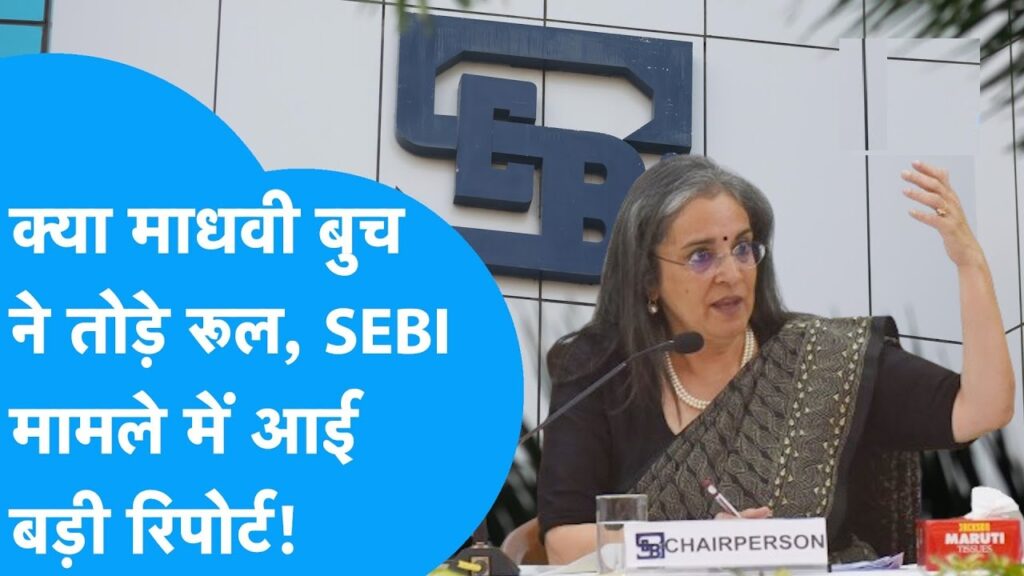
The recent allegations against SEBI (Securities and Exchange Board of India) Chairperson Madhabi Puri Buch have stirred significant controversy, with her past associations raising concerns over potential conflicts of interest. These concerns have intensified following Hindenburg Research’s accusations, which claim that Buch held stakes in obscure offshore funds linked to the Adani money siphoning scandal. Although Buch has denied these allegations, the matter is far from settled, especially given her connections with the American private equity giant Blackstone.

The Blackstone Connection: A Questionable Link?

Buch’s tenure as SEBI Chairperson has been marred by questions about her close ties with Blackstone, a firm with extensive investments in India. According to reports from The Morning Context, these connections are raising eyebrows, particularly as Blackstone is a significant player in the Indian market. Despite Buch’s claims of recusing herself from Blackstone-related matters, the sheer volume of Blackstone’s investments in the country makes such a recusal appear insufficient. A seasoned fund manager, who wished to remain anonymous, stated that the influence Blackstone wields in India necessitates a more transparent approach from Buch.

Hindenburg Allegations: The Catalyst for Scrutiny

The controversy began with Hindenburg Research’s report, which not only accused Buch of holding stakes in offshore funds connected to the Adani Group but also spotlighted her connections with Blackstone. The report has kept the issue in the public eye, ensuring that the allegations remain a topic of debate. The core of the concern lies in the possibility that Buch’s previous roles in the private sector, particularly her association with Blackstone, could compromise her ability to act impartially as the head of SEBI.

Conflict of Interest: The Core Issue

The heart of the controversy revolves around the potential conflict of interest that arises from Buch’s past and current connections. Although Buch has stated that she has stepped away from all matters involving Blackstone, this recusal has not been publicly verified. Furthermore, Blackstone’s involvement in various major Indian companies, such as Care Hospitals, Mphasis, Aadhar Housing Finance, and ASK Investment Managers, raises questions about the extent to which Buch’s recusal is effective or even feasible.

The Ongoing Debate: Transparency and Accountability

The lack of transparency surrounding Buch’s recusal list has only fueled speculation. Neither SEBI nor Buch has made public the companies from which she has recused herself, leaving room for doubt and concern. For instance, during Buch’s tenure, SEBI approved the initial public offering (IPO) of Aadhar Housing Finance, a company controlled by Blackstone. Additionally, Blackstone, through its subsidiary Epsilon Bidco Pte Ltd, acquired a 75% stake in Essel Propack Ltd (now EPL Ltd) between April and October 2019. The involvement of her husband, Dhaval Buch, who joined Blackstone as a senior adviser in July 2019, further complicates the issue.

Insider Trading Case: A Conflict Unresolved?

Another layer of complexity is added by the insider trading case against Atul Goel, a significant figure connected to Blackstone. In 2021, while serving as a full-time member of SEBI, Madhabi Puri Buch resolved this case. Given the close ties between Goel and Blackstone, this decision has cast doubt on Buch’s ability to remain impartial in matters involving the private equity firm.

Conclusion: The Need for Greater Oversight

The ongoing controversy surrounding SEBI Chairperson Madhabi Puri Buch underscores the need for greater oversight and transparency within regulatory bodies. As the head of SEBI, Buch is expected to uphold the highest standards of integrity and impartiality. However, her past connections with Blackstone and the unresolved questions surrounding her recusal from related matters raise significant concerns. For SEBI to maintain its credibility, it is essential that Buch, and the organization as a whole, address these issues transparently and decisively.

The public and market participants alike deserve clarity on whether the SEBI chairperson’s past affiliations are influencing her current role, or if these connections are truly a thing of the past. The answers to these questions will be crucial in restoring confidence in India’s regulatory framework.

Exit mobile version