


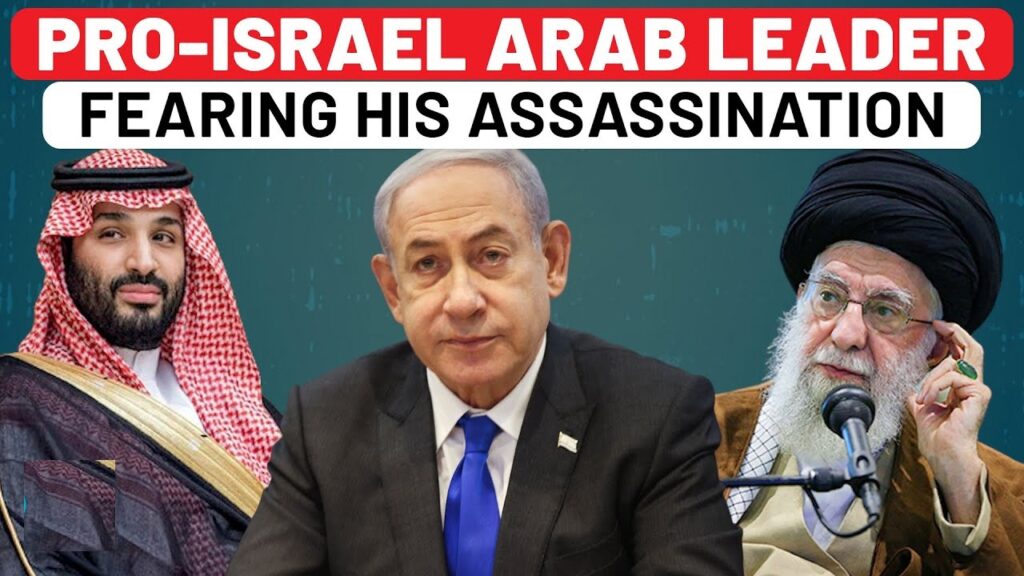
Saudi Crown Prince Mohammed bin Salman’s Fears of Assassination Cast Shadows Over Israel Normalization Talks
The Crucial Role of Palestinian Statehood in Saudi-Israel Normalization
Crown Prince Mohammed bin Salman (MBS) of Saudi Arabia has highlighted the essential inclusion of a concrete plan for Palestinian statehood as a non-negotiable element in any potential normalization deal with Israel. His concerns aren’t just diplomatic; they are personal. MBS has cited the assassination of Egyptian President Anwar Sadat in 1981 by Islamist militants following his peace accord with Israel as a stark reminder of the risks involved.
MBS has publicly stated his willingness to resign from his role as the guardian of Islam’s most sacred sites if he cannot address what he sees as the most pressing issue of justice in the region. “Saudis care deeply about this, and the entire Middle Eastern public is equally invested,” he said, underlining the significant political and social weight this issue holds.
Gaza Conflict’s Impact on Saudi-Israel Normalization Talks
The recent escalation of violence in Gaza has severely disrupted the ongoing normalization discussions between Saudi Arabia and Israel. On October 7, Hamas militants launched a devastating attack on southern Israel, killing nearly 1,200 people and taking 251 hostages. This outbreak of violence has complicated the already delicate diplomatic negotiations, making it more challenging for the U.S. and Saudi Arabia to move forward with their plans.
Reports suggest that MBS has expressed serious concerns about his personal safety if he proceeds with the normalization deal without securing significant concessions for the Palestinians. His fears have added a new layer of complexity to the negotiations, which were already fraught with geopolitical tensions.
The Intersection of U.S.-Saudi Negotiations and Political Timing
Despite the risks, MBS remains determined to push forward with the normalization process, viewing it as vital to Saudi Arabia’s future. However, sources within the U.S. Congress indicate that a formal agreement on Israel-Saudi normalization is unlikely to be reached before the upcoming November presidential election. There are currently no plans for Senate approval before its recess, further delaying the process.
Nahal Toosi, a senior international affairs journalist at Politico, has suggested that MBS might be leveraging the assassination threat to pressure U.S. officials into securing more favorable terms from Israel. This tactic, while risky, reflects the high stakes involved for both MBS and the broader region.
Challenges in the Path to Normalization: U.S. and Israeli Perspectives
Israeli Prime Minister Benjamin Netanyahu has long sought normalization with Saudi Arabia as part of his broader regional strategy. However, his steadfast opposition to the establishment of a Palestinian state remains a significant barrier. The Biden administration, on the other hand, has confirmed that Saudi Arabia seeks the development of a civilian nuclear facility and U.S. security guarantees in exchange for full diplomatic recognition of Israel.
In a bid to strengthen Saudi-U.S. relations, the White House has recently resumed offensive weapons shipments to Saudi Arabia, lifting a moratorium imposed in 2021. This move is part of a broader effort to involve Riyadh in ending the hostilities in Gaza and countering the growing influence of Iran in the region.
Geopolitical Dynamics and the Future of Saudi-Israel Normalization
The prospects for Saudi-Israel normalization appeared promising before the outbreak of the Gaza conflict on October 7. Prior to the violence, two Israeli ministers had made notable visits to Saudi Arabia, signaling a potential breakthrough in relations. However, the subsequent escalation in Gaza has cast doubt on the future of these talks, as the region grapples with the ongoing crisis.
As the U.S. and Saudi Arabia navigate these complex geopolitical dynamics, the path to normalization remains uncertain. MBS’s next steps will likely involve a strategic blend of diplomatic negotiations and public relations efforts aimed at advancing the normalization agenda. This may include continued engagement with U.S. officials to secure the necessary concessions and assurances, as well as managing public opinion across the Middle East to mitigate potential backlash.
Balancing Security, Economic Interests, and Regional Stability
For MBS, the normalization of relations with Israel is not just a political maneuver; it is a strategic imperative for Saudi Arabia’s long-term security and economic interests. However, achieving this goal requires careful balancing of Saudi Arabia’s domestic and regional priorities. MBS must navigate the delicate interplay between advancing Saudi-Israeli ties and maintaining the kingdom’s role as a leader in the Arab and Muslim worlds.
Moreover, the ongoing conflict in Gaza has intensified Arab sentiment against Israel, making it even more critical for any deal to address Palestinian statehood credibly. Without this, any normalization agreement could provoke widespread anger and instability across the region, undermining the very goals it seeks to achieve.
Conclusion: The Road Ahead for Saudi-Israel Normalization
As MBS continues to navigate the treacherous waters of Middle Eastern diplomacy, his concerns about personal safety underscore the broader risks associated with Saudi-Israel normalization. The inclusion of a clear path to Palestinian statehood remains a critical component of any potential deal, not only to secure regional support but also to protect MBS from the kind of violent retribution that has befallen leaders in the past.
The future of Saudi-Israel normalization is fraught with challenges, from geopolitical tensions and domestic pressures to the unpredictable dynamics of the ongoing Gaza conflict. However, with careful strategy and international cooperation, MBS may yet succeed in forging a path forward that balances Saudi Arabia’s ambitions with the demands of regional stability and justice.