


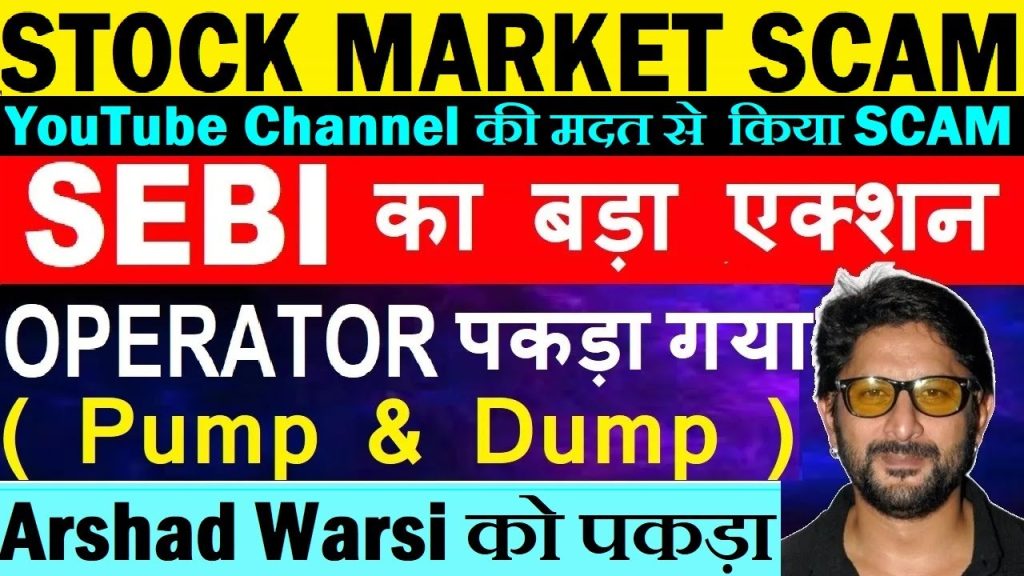
Introduction to the Sadhna Broadcast Scam
The Indian stock market, a dynamic arena for wealth creation, is not immune to fraudulent activities. One such case that shook the financial world was the Sadhna Broadcast scam, which led to a high-profile investigation by the Securities and Exchange Board of India (SEBI). This scandal, involving Bollywood actor Arshad Warsi, his wife, and 57 others, exposed a sophisticated pump-and-dump scheme that manipulated stock prices to deceive retail investors. SEBI’s decisive action resulted in a five-year ban from the securities market for those involved, highlighting the regulator’s commitment to protecting investors. This article delves into the intricacies of the Sadhna Broadcast scam, SEBI’s response, and critical lessons for investors to avoid falling prey to similar schemes.
What is a Pump-and-Dump Scheme?
A pump-and-dump scheme is an illegal practice where fraudsters artificially inflate a stock’s price by spreading misleading or exaggerated information, only to sell their shares at the peak, leaving retail investors with worthless stocks when the price crashes. This manipulation preys on the greed and lack of due diligence among novice investors, often amplified through social media platforms like YouTube, WhatsApp, or even traditional media in the past.
How Pump-and-Dump Schemes Work
- Initial Accumulation: Perpetrators buy large quantities of a low-priced stock, often from a lesser-known company like Sadhna Broadcast.
- Hype Creation: False or exaggerated news about the stock’s potential is disseminated through various channels, such as social media, fake analyst reports, or influencer endorsements.
- Price Surge: Retail investors, lured by promises of astronomical returns, rush to buy the stock, driving its price up.
- Dumping Shares: The orchestrators sell their shares at the inflated price, reaping massive profits.
- Price Collapse: Once the selling begins, the stock price plummets, leaving retail investors with significant losses.
In the Sadhna Broadcast case, the stock was manipulated through a combination of stock splits to lower its price and YouTube videos promoting unrealistic price targets, making it appear attractive to small investors.
The Role of Arshad Warsi in the Sadhna Broadcast Scam
Arshad Warsi, a well-known Bollywood actor famous for roles in films like Munna Bhai M.B.B.S., found himself entangled in this financial scandal. SEBI’s investigation revealed that Warsi, his wife, and several others were involved in purchasing large volumes of Sadhna Broadcast shares before orchestrating a campaign to inflate the stock price. The scheme relied heavily on YouTube channels that promoted the stock with exaggerated claims, such as predicting it would skyrocket to targets of ₹100, ₹200, or even ₹1,000 from a low base price.
SEBI’s Findings
- Stock Manipulation: The group engaged in pump-and-dump activities, creating an artificial rally in Sadhna Broadcast’s stock price.
- Illegal Gains: The perpetrators earned substantial profits by selling their shares at inflated prices, leaving retail investors trapped with devalued stocks.
- YouTube’s Role: Several YouTube channels were used to spread misleading information, exploiting the platform’s reach to target unsuspecting investors.
SEBI’s thorough investigation culminated in a five-year ban on Arshad Warsi, his wife, and 57 others from participating in the securities market. The regulator also imposed penalties to recover the illegal gains made through this scheme.
SEBI’s Role as the Market Watchdog
The Securities and Exchange Board of India (SEBI) serves as the guardian of India’s financial markets, ensuring transparency, fairness, and investor protection. In the Sadhna Broadcast case, SEBI’s proactive approach demonstrated its commitment to cracking down on market manipulations.
How SEBI Uncovered the Scam
- Tip-Offs and Complaints: SEBI often receives alerts from investors or market participants about suspicious activities.
- Detailed Investigation: The regulator conducted an in-depth probe to verify the allegations, analyzing trading patterns, shareholding data, and promotional activities.
- Action Taken: After confirming the pump-and-dump scheme, SEBI imposed a five-year ban and financial penalties on the perpetrators.
This case underscores SEBI’s critical role in maintaining market integrity and protecting retail investors from fraudulent schemes.
The Mechanics of the Sadhna Broadcast Scam
The Sadhna Broadcast scam was not a spontaneous event but a carefully orchestrated scheme that unfolded over several years. Here’s a detailed breakdown of how it was executed:
Stock Splits to Attract Investors
To make Sadhna Broadcast shares appear affordable, the company executed stock splits, reducing the share price to as low as ₹5 or ₹10. Low-priced stocks are particularly appealing to retail investors, who often equate affordability with potential for high returns. This tactic created a perception of accessibility, drawing in novice investors with limited market knowledge.
YouTube as a Tool for Manipulation
YouTube played a pivotal role in amplifying the scam. Multiple channels were created to promote Sadhna Broadcast, posting videos with bold claims about the stock’s future performance. These videos often featured:
- Exaggerated price targets (e.g., “This stock will hit ₹1,000!”).
- False narratives about the company’s fundamentals or upcoming developments.
- Urgent calls to action, urging viewers to buy immediately to avoid missing out.
These videos were strategically promoted through advertisements, appearing prominently when users opened YouTube, further increasing their reach.
The Retail Investor Trap
Retail investors, particularly beginners, are often driven by emotion and the fear of missing out (FOMO). The promise of quick riches from a low-priced stock like Sadhna Broadcast was irresistible. As more investors bought into the hype, the stock price surged, creating a self-fulfilling prophecy—until the orchestrators dumped their shares, causing the price to collapse.
Historical Context of Stock Market Scams
Stock market scams are not a new phenomenon. The Sadhna Broadcast case is just one example in a long history of fraudulent schemes designed to exploit retail investors.
Past Methods of Manipulation
- Newspapers: In the pre-digital era, fraudsters used newspapers to spread false information about stocks, claiming endorsements from prominent figures to lure investors.
- SMS and Phone Calls: With the advent of mobile technology, scammers began using bulk SMS and cold calls to promote dubious stocks, promising guaranteed returns.
- Social Media: Platforms like YouTube, WhatsApp, and Telegram have become modern tools for scammers, offering a wider reach and the ability to target specific demographics.
The Evolution of Scams
The methods may have changed, but the core motive remains the same: greed. Scammers exploit the human desire for quick wealth, adapting their tactics to leverage new technologies. The Sadhna Broadcast scam, for instance, capitalized on the popularity of YouTube and the trust that retail investors place in online content.
The Role of Social Media in Modern Scams
Social media platforms have revolutionized how information is disseminated, but they’ve also created new avenues for fraud. In the Sadhna Broadcast case, YouTube was a key enabler, allowing scammers to reach millions of viewers with minimal effort.
Why Social Media is Effective for Scams
- Wide Reach: Platforms like YouTube have billions of users, making it easy to target a large audience.
- Low Cost: Creating and promoting content is relatively inexpensive compared to traditional media.
- Anonymity: Scammers can operate behind fake accounts or channels, making it harder to trace their activities.
- Trust Factor: Many retail investors trust online content, especially when it appears professional or is endorsed by a familiar face.
SEBI’s Response to Social Media Scams
Recognizing the growing threat of social media-driven scams, SEBI has taken steps to curb misleading promotions:
- Collaborating with platforms like YouTube to remove fraudulent content.
- Issuing guidelines for influencers and content creators to disclose financial interests.
- Educating investors about the risks of acting on unverified information.
The Future of Stock Market Scams: The Role of AI
As technology advances, so do the methods used by scammers. The next frontier in stock market fraud is likely to involve artificial intelligence (AI), which can create highly convincing fake content to deceive investors.
AI-Powered Scams
- Deepfake Videos: Scammers could create realistic videos featuring celebrities or influential figures promoting fake stocks or cryptocurrencies. For example, a deepfake video of a cricketer or politician claiming to have invested in a stock could mislead thousands of investors.
- Automated Bots: AI-powered bots can flood social media with fake reviews, comments, or posts to create a false sense of demand for a stock.
- Personalized Targeting: AI algorithms can analyze user data to identify vulnerable investors and tailor scams to their interests.
SEBI’s Challenges in the AI Era
As AI-driven scams become more sophisticated, SEBI faces new challenges in regulating the market:
- Detection: Identifying fake content, such as deepfake videos, requires advanced technology and expertise.
- Speed: AI scams can spread rapidly, requiring swift action to mitigate damage.
- Education: Investors need to be educated about the risks of AI-generated content and how to verify information.
Lessons for Retail Investors
The Sadhna Broadcast scam offers valuable lessons for retail investors looking to navigate the stock market safely:
Focus on Fundamentals
Rather than chasing low-priced stocks with unrealistic price targets, investors should prioritize companies with strong fundamentals:
- Business Model: Understand the company’s operations, revenue streams, and growth potential.
- Management Quality: Research the track record of the company’s promoters and management team.
- Financial Health: Analyze balance sheets, profit margins, and debt levels to assess the company’s stability.
Beware of Hype
Promises of quick riches or guaranteed returns are red flags. If a stock is being heavily promoted on social media or through unsolicited messages, proceed with caution.
Conduct Due Diligence
Before investing, verify the source of any information:
- Cross-check claims with reputable financial websites or SEBI’s official resources.
- Avoid acting on tips from unknown YouTube channels, WhatsApp groups, or Telegram channels.
- Consult a certified financial advisor for guidance.
Trust Yourself
Ultimately, the best defense against scams is self-reliance. Trust your research and instincts, and avoid making decisions based solely on external recommendations.
SEBI’s Ongoing Efforts to Protect Investors
SEBI has implemented several measures to safeguard retail investors and maintain market integrity:
- Stricter Regulations: Enhanced rules for stock promoters and influencers to disclose conflicts of interest.
- Investor Education: Campaigns to raise awareness about common scams and the importance of due diligence.
- Technology Upgrades: Investing in tools to detect and prevent market manipulations, including AI-driven monitoring systems.
The Broader Implications of the Sadhna Broadcast Scam
The Sadhna Broadcast scam is a stark reminder that no industry is immune to fraud. From cricket match-fixing to job recruitment scams, the tactics may vary, but the motive—exploiting greed—remains constant. This case also highlights the vulnerability of retail investors, who often lack the knowledge or resources to identify fraudulent schemes.
Impact on Investor Confidence
High-profile scams like Sadhna Broadcast can erode trust in the stock market, discouraging new investors from participating. SEBI’s swift action in this case helps restore confidence by demonstrating that regulators are vigilant and capable of holding perpetrators accountable.
The Need for Continuous Vigilance
As scammers adapt to new technologies, investors and regulators must stay one step ahead. This requires a combination of education, regulatory oversight, and technological innovation to ensure a fair and transparent market.
How to Protect Yourself from Stock Market Scams
To avoid falling victim to scams like Sadhna Broadcast, follow these practical steps:
Verify Information Sources
- Use trusted financial news outlets like Moneycontrol, Economic Times, or Bloomberg Quint.
- Check SEBI’s official website for alerts and advisories about suspicious companies or activities.
- Avoid acting on unsolicited tips from social media or messaging apps.
Understand Market Risks
- Accept that losses are part of investing, but they should result from market dynamics, not scams.
- Be skeptical of promises of guaranteed returns or “can’t-miss” opportunities.
Stay Educated
- Attend SEBI’s investor awareness programs or online webinars.
- Read books on stock market investing, such as The Intelligent Investor by Benjamin Graham, to build a strong foundation.
- Follow reputable financial influencers who emphasize education over sensationalism.
Conclusion
The Sadhna Broadcast scam, involving Bollywood actor Arshad Warsi and a network of manipulators, serves as a cautionary tale for retail investors. By leveraging YouTube and stock splits, the perpetrators created an artificial rally that trapped unsuspecting investors, only to dump their shares and walk away with illegal profits. SEBI’s decisive action—banning 59 individuals, including Warsi, for five years—demonstrates the regulator’s commitment to protecting the market. However, this case also underscores the importance of investor education and vigilance. By focusing on fundamentals, conducting due diligence, and avoiding the allure of quick riches, investors can protect themselves from falling prey to pump-and-dump schemes and other financial frauds. As the stock market evolves, staying informed and skeptical will be key to navigating its opportunities and risks successfully.