Site icon Telangana NavaNirmana Sena

Reliance Power and Reliance Infra Stock Crash, NCLT Auction Shock and Anil Ambani’s Next Move

On June 3, 2025, the Indian stock market witnessed a dramatic plunge in the shares of Reliance Power and Reliance Infrastructure (Reliance Infra), two flagship companies under the Anil Ambani-led Reliance Group. Both stocks plummeted by approximately 5%, sparking widespread concern among investors and market analysts. The catalyst for this sharp decline was an unexpected decision by the National Company Law Tribunal (NCLT) to approve insolvency proceedings against Reliance Infra, the promoter company holding a significant 23% stake in Reliance Power. This article dives deep into the reasons behind the stock crash, the implications of the NCLT’s ruling, Anil Ambani’s response, and the future outlook for both companies. We’ll also explore the broader context of their financial recovery and ambitious plans, such as the Dhirubhai Ambani Defence City project. Understanding the Reliance Power and Reliance Infra Stock Plunge A Shocking 5% Drop in a Single Day The stock market opened on June 3, 2025, with Reliance Power and Reliance Infra shares taking a severe hit. Reliance Power, which had reached an intraday high of ₹62, closed at ₹58.88, marking a 5% decline. Similarly, Reliance Infra, which had hit ₹359 intraday, ended the day at around ₹341, reflecting a 4.3% drop. This sudden downturn erased gains from a 52-week high achieved just a day earlier, halting the bullish momentum both companies had enjoyed. The NCLT’s Bombshell Decision The primary trigger for this market upheaval was the NCLT’s Mumbai bench approving a bankruptcy petition filed by IDBI Trusteeship Services Limited against Reliance Infra. The tribunal’s decision to initiate the Corporate Insolvency Resolution Process (CIRP) and appoint Tahseen Fatima Khatri as the Interim Resolution Professional (IRP) sent shockwaves through the market. The petition stemmed from an alleged default on a ₹88 crore payment, a surprisingly small amount for a company valued in the thousands of crores. This move raised eyebrows, as Reliance Infra had recently achieved a debt-free status, a significant milestone after years of financial turmoil. The NCLT’s order to potentially auction off Reliance Infra for a mere ₹88 crore seemed disproportionate, leading to speculation and confusion among investors. The Anil Ambani Empire: A Tale of Triumph and Turmoil From Multibagger to Market Crash Reliance Infra has been a standout performer in recent years, evolving from a low of ₹10 during the COVID-19 era to a multibagger stock. Its remarkable 1500% growth over the past five years showcased its resilience and potential. Similarly, Reliance Power, a subsidiary of Reliance Infra, had been gaining traction with consistent government contracts and a debt-free balance sheet. However, the NCLT’s ruling disrupted this upward trajectory, casting doubts on the stability of Anil Ambani’s business empire. Anil Ambani’s Financial Struggles Anil Ambani’s journey has been fraught with challenges. Once a titan of Indian industry, his companies, including Reliance Communications, Reliance Home Finance, and Reliance Capital, faced severe financial distress, with many slipping out of his control. Reliance Infra and Reliance Power emerged as the last bastions of his conglomerate, both painstakingly restored to debt-free status. The NCLT’s decision, therefore, was a bitter blow, threatening to undo years of recovery efforts. Dissecting the NCLT Ruling: What Went Wrong? The ₹88 Crore Controversy The crux of the issue lies in a ₹88 crore claim by IDBI Trusteeship Services Limited, which accused Reliance Infra of defaulting on an operational debt. According to the NCLT bench, comprising Judicial Member KR Sajiv Kumar and Technical Member Sanjiv Dutt, the operational creditor successfully established the existence of a payable debt, deeming Reliance Infra a defaulter. This ruling paved the way for insolvency proceedings, a decision that many analysts found perplexing given the company’s recent financial achievements. Reliance Infra’s Defense Reliance Infra swiftly countered the NCLT’s order, asserting that it would have no material impact on its business operations or those of its subsidiaries, including Reliance Power. In an exchange filing, the company clarified that it had already settled the disputed amount, paying ₹92.68 crore to Dhurser Solar Power Project Limited under an energy purchase agreement. This payment, according to Reliance Infra, resolved the claim, rendering the NCLT’s action unnecessary. The company announced its intention to appeal the decision at the National Company Law Appellate Tribunal (NCLAT), seeking to overturn the NCLT’s order dated May 30, 2025. Reliance Infra argued that the insolvency proceedings were unwarranted, as no outstanding dues remained. Market Impact: Why Did Reliance Power Suffer? The Ripple Effect on Reliance Power As the promoter company, Reliance Infra’s troubles directly impacted Reliance Power, which saw its stock price tumble alongside its parent. The 23% stake held by Reliance Infra in Reliance Power meant that any adverse developments in the former would inevitably affect the latter. Investors, rattled by the prospect of Reliance Infra’s potential auction, offloaded shares in both companies, leading to the observed 5% drop. A Temporary Setback or a Long-Term Concern? The market’s reaction was swift, but was it justified? The ₹88 crore claim pales in comparison to the thousands of crores in debt that Reliance Infra and Reliance Power have successfully cleared. The companies’ robust financial recovery, coupled with their strategic investments, suggests that this could be a temporary hiccup rather than a structural collapse. Anil Ambani’s Strategic Response Appealing the NCLT Order Anil Ambani and his team are not taking the NCLT’s decision lying down. By filing an appeal with the NCLAT, Reliance Infra aims to challenge the insolvency proceedings and protect its debt-free status. The company’s proactive stance and transparent communication with investors signal confidence in its ability to navigate this crisis. Continued Focus on Growth Despite the market turmoil, Reliance Infra remains committed to its ambitious projects. The company is investing ₹5000 crore in the Dhirubhai Ambani Defence City (DADC) in Ratnagiri, Maharashtra, a 1000-acre greenfield project poised to become India’s largest private-sector defense initiative. This venture, focused on ammunition exports and defense manufacturing, underscores Reliance Infra’s long-term vision and resilience. Reliance Power, too, continues to secure government tenders, bolstering its position in the energy sector. These developments highlight the companies’ ability to look beyond short-term market fluctuations and focus on sustainable growth. Analyzing the Shareholding Pattern Institutional Confidence in Reliance Infra A closer look at Reliance Infra’s shareholding pattern reveals strong institutional backing, which could support its recovery. As of March 2025, foreign institutional investors (FIIs) increased their stake from 8.38% in September 2024 to 11.35%, signaling robust confidence in the company’s prospects. Domestic institutional investors (DIIs) also marginally raised their holding to 1.25%, while mutual funds maintained a steady presence. Promoter Stability and Public Selling The promoter holding in Reliance Infra stands at a stable 16.50%, with no pledged shares—a significant achievement given the company’s history of financial restructuring. However, the general public’s shareholding dropped from 73.84% in September 2024 to 70.90% in March 2025, indicating some retail investor sell-offs. This shift suggests that institutional investors are capitalizing on the dip, potentially positioning themselves for future gains. The Bigger Picture: Reliance Group’s Financial Turnaround From Debt-Ridden to Debt-Free Reliance Infra’s journey to a debt-free status is nothing short of remarkable. In FY 2025, the company cleared ₹300 crore in debt, contributing to a total debt repayment of ₹3300 crore. This financial discipline has positioned Reliance Infra and Reliance Power as attractive investment opportunities, despite the recent setback. Strategic Investments in Defense and Energy The Dhirubhai Ambani Defence City project is a game-changer for Reliance Infra. By establishing a major defense manufacturing hub, the company is tapping into India’s growing defense sector, which is increasingly open to private participation. Similarly, Reliance Power’s focus on renewable energy and government contracts aligns with India’s push for sustainable energy solutions. What’s Next for Reliance Power and Reliance Infra? Navigating the NCLT Challenge The immediate priority for Anil Ambani is to overturn the NCLT’s order through the NCLAT appeal. A successful resolution could restore investor confidence and stabilize both companies’ stock prices. Given Reliance Infra’s claim of having settled the ₹88 crore dispute, the appeal has a strong chance of success. Long-Term Growth Prospects Looking ahead, Reliance Infra and Reliance Power are well-positioned for growth. The defense city project, coupled with Reliance Power’s energy contracts, offers significant upside potential. The companies’ debt-free status and institutional backing further enhance their attractiveness to investors seeking long-term value. Investor Advice: Proceed with Caution While the long-term outlook for Reliance Infra and Reliance Power remains promising, investors should exercise caution. The NCLT ruling has introduced short-term volatility, and the outcome of the NCLAT appeal will be critical. Consulting a financial advisor and conducting thorough research are essential before making investment decisions. Why This Matters for Investors A Test of Resilience The recent stock crash is a test of Reliance Infra and Reliance Power’s resilience. Their ability to navigate the NCLT challenge and maintain their growth trajectory will determine their future in the market. For investors, this presents both a risk and an opportunity, as the companies’ strong fundamentals could lead to significant gains once the dust settles. Institutional Backing as a Positive Signal The increasing stake of FIIs and DIIs in Reliance Infra suggests that institutional investors see value in the stock despite the current turmoil. This could encourage retail investors to hold or accumulate shares during the dip, anticipating a recovery. Conclusion: A Temporary Storm or a Lasting Crisis? The 5% stock crash of Reliance Power and Reliance Infra on June 3, 2025, was a jolting reminder of the volatility inherent in the market. The NCLT’s decision to initiate insolvency proceedings against Reliance Infra over a ₹88 crore claim seems disproportionate, especially given the company’s debt-free status and ambitious growth plans. Anil Ambani’s swift response, including an appeal to the NCLAT, demonstrates his determination to protect his business empire. For investors, the current situation offers a chance to reassess the potential of Reliance Infra and Reliance Power. With strong institutional backing, strategic investments in defense and energy, and a proven track record of overcoming financial challenges, both companies are likely to emerge stronger. However, prudent investors should stay informed, monitor the NCLAT proceedings, and consult financial experts before making moves. The Anil Ambani saga is far from over. As Reliance Infra and Reliance Power chart their path forward, their ability to weather this storm will shape their legacy in India’s corporate landscape. Disclaimer: This article is for educational purposes only and does not constitute financial advice. Always consult a financial advisor and conduct your own research before investing.

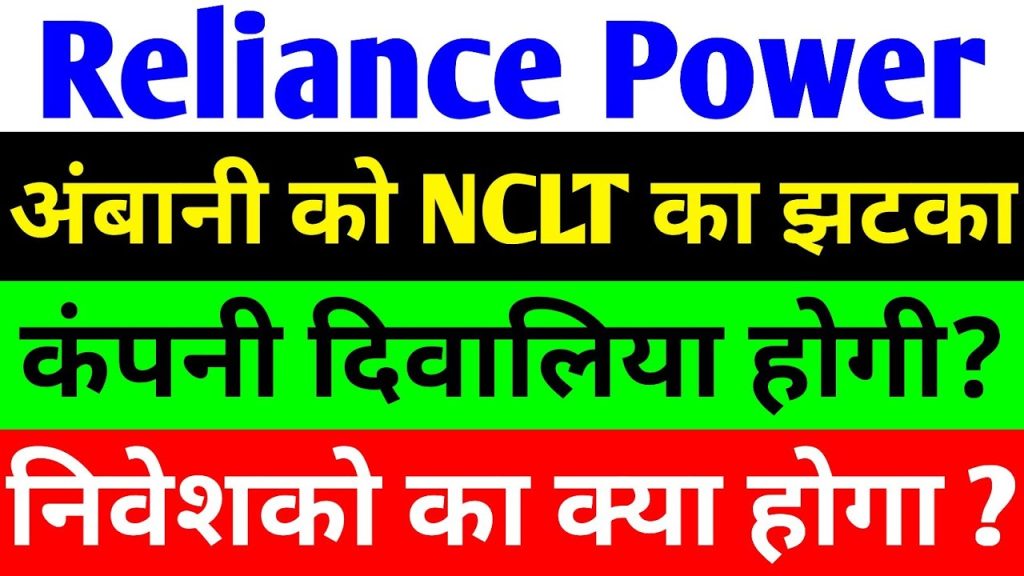
On June 3, 2025, the Indian stock market witnessed a dramatic plunge in the shares of Reliance Power and Reliance Infrastructure (Reliance Infra), two flagship companies under the Anil Ambani-led Reliance Group. Both stocks plummeted by approximately 5%, sparking widespread concern among investors and market analysts. The catalyst for this sharp decline was an unexpected decision by the National Company Law Tribunal (NCLT) to approve insolvency proceedings against Reliance Infra, the promoter company holding a significant 23% stake in Reliance Power. This article dives deep into the reasons behind the stock crash, the implications of the NCLT’s ruling, Anil Ambani’s response, and the future outlook for both companies. We’ll also explore the broader context of their financial recovery and ambitious plans, such as the Dhirubhai Ambani Defence City project.

Understanding the Reliance Power and Reliance Infra Stock Plunge

A Shocking 5% Drop in a Single Day

The stock market opened on June 3, 2025, with Reliance Power and Reliance Infra shares taking a severe hit. Reliance Power, which had reached an intraday high of ₹62, closed at ₹58.88, marking a 5% decline. Similarly, Reliance Infra, which had hit ₹359 intraday, ended the day at around ₹341, reflecting a 4.3% drop. This sudden downturn erased gains from a 52-week high achieved just a day earlier, halting the bullish momentum both companies had enjoyed.

The NCLT’s Bombshell Decision

The primary trigger for this market upheaval was the NCLT’s Mumbai bench approving a bankruptcy petition filed by IDBI Trusteeship Services Limited against Reliance Infra. The tribunal’s decision to initiate the Corporate Insolvency Resolution Process (CIRP) and appoint Tahseen Fatima Khatri as the Interim Resolution Professional (IRP) sent shockwaves through the market. The petition stemmed from an alleged default on a ₹88 crore payment, a surprisingly small amount for a company valued in the thousands of crores.

This move raised eyebrows, as Reliance Infra had recently achieved a debt-free status, a significant milestone after years of financial turmoil. The NCLT’s order to potentially auction off Reliance Infra for a mere ₹88 crore seemed disproportionate, leading to speculation and confusion among investors.

The Anil Ambani Empire: A Tale of Triumph and Turmoil

From Multibagger to Market Crash

Reliance Infra has been a standout performer in recent years, evolving from a low of ₹10 during the COVID-19 era to a multibagger stock. Its remarkable 1500% growth over the past five years showcased its resilience and potential. Similarly, Reliance Power, a subsidiary of Reliance Infra, had been gaining traction with consistent government contracts and a debt-free balance sheet. However, the NCLT’s ruling disrupted this upward trajectory, casting doubts on the stability of Anil Ambani’s business empire.

Anil Ambani’s Financial Struggles

Anil Ambani’s journey has been fraught with challenges. Once a titan of Indian industry, his companies, including Reliance Communications, Reliance Home Finance, and Reliance Capital, faced severe financial distress, with many slipping out of his control. Reliance Infra and Reliance Power emerged as the last bastions of his conglomerate, both painstakingly restored to debt-free status. The NCLT’s decision, therefore, was a bitter blow, threatening to undo years of recovery efforts.

Dissecting the NCLT Ruling: What Went Wrong?

The ₹88 Crore Controversy

The crux of the issue lies in a ₹88 crore claim by IDBI Trusteeship Services Limited, which accused Reliance Infra of defaulting on an operational debt. According to the NCLT bench, comprising Judicial Member KR Sajiv Kumar and Technical Member Sanjiv Dutt, the operational creditor successfully established the existence of a payable debt, deeming Reliance Infra a defaulter. This ruling paved the way for insolvency proceedings, a decision that many analysts found perplexing given the company’s recent financial achievements.

Reliance Infra’s Defense

Reliance Infra swiftly countered the NCLT’s order, asserting that it would have no material impact on its business operations or those of its subsidiaries, including Reliance Power. In an exchange filing, the company clarified that it had already settled the disputed amount, paying ₹92.68 crore to Dhurser Solar Power Project Limited under an energy purchase agreement. This payment, according to Reliance Infra, resolved the claim, rendering the NCLT’s action unnecessary.

The company announced its intention to appeal the decision at the National Company Law Appellate Tribunal (NCLAT), seeking to overturn the NCLT’s order dated May 30, 2025. Reliance Infra argued that the insolvency proceedings were unwarranted, as no outstanding dues remained.

Market Impact: Why Did Reliance Power Suffer?

The Ripple Effect on Reliance Power

As the promoter company, Reliance Infra’s troubles directly impacted Reliance Power, which saw its stock price tumble alongside its parent. The 23% stake held by Reliance Infra in Reliance Power meant that any adverse developments in the former would inevitably affect the latter. Investors, rattled by the prospect of Reliance Infra’s potential auction, offloaded shares in both companies, leading to the observed 5% drop.

A Temporary Setback or a Long-Term Concern?

The market’s reaction was swift, but was it justified? The ₹88 crore claim pales in comparison to the thousands of crores in debt that Reliance Infra and Reliance Power have successfully cleared. The companies’ robust financial recovery, coupled with their strategic investments, suggests that this could be a temporary hiccup rather than a structural collapse.

Anil Ambani’s Strategic Response

Appealing the NCLT Order

Anil Ambani and his team are not taking the NCLT’s decision lying down. By filing an appeal with the NCLAT, Reliance Infra aims to challenge the insolvency proceedings and protect its debt-free status. The company’s proactive stance and transparent communication with investors signal confidence in its ability to navigate this crisis.

Continued Focus on Growth

Despite the market turmoil, Reliance Infra remains committed to its ambitious projects. The company is investing ₹5000 crore in the Dhirubhai Ambani Defence City (DADC) in Ratnagiri, Maharashtra, a 1000-acre greenfield project poised to become India’s largest private-sector defense initiative. This venture, focused on ammunition exports and defense manufacturing, underscores Reliance Infra’s long-term vision and resilience.

Reliance Power, too, continues to secure government tenders, bolstering its position in the energy sector. These developments highlight the companies’ ability to look beyond short-term market fluctuations and focus on sustainable growth.

Analyzing the Shareholding Pattern

Institutional Confidence in Reliance Infra

A closer look at Reliance Infra’s shareholding pattern reveals strong institutional backing, which could support its recovery. As of March 2025, foreign institutional investors (FIIs) increased their stake from 8.38% in September 2024 to 11.35%, signaling robust confidence in the company’s prospects. Domestic institutional investors (DIIs) also marginally raised their holding to 1.25%, while mutual funds maintained a steady presence.

Promoter Stability and Public Selling

The promoter holding in Reliance Infra stands at a stable 16.50%, with no pledged shares—a significant achievement given the company’s history of financial restructuring. However, the general public’s shareholding dropped from 73.84% in September 2024 to 70.90% in March 2025, indicating some retail investor sell-offs. This shift suggests that institutional investors are capitalizing on the dip, potentially positioning themselves for future gains.

The Bigger Picture: Reliance Group’s Financial Turnaround

From Debt-Ridden to Debt-Free

Reliance Infra’s journey to a debt-free status is nothing short of remarkable. In FY 2025, the company cleared ₹300 crore in debt, contributing to a total debt repayment of ₹3300 crore. This financial discipline has positioned Reliance Infra and Reliance Power as attractive investment opportunities, despite the recent setback.

Strategic Investments in Defense and Energy

The Dhirubhai Ambani Defence City project is a game-changer for Reliance Infra. By establishing a major defense manufacturing hub, the company is tapping into India’s growing defense sector, which is increasingly open to private participation. Similarly, Reliance Power’s focus on renewable energy and government contracts aligns with India’s push for sustainable energy solutions.

What’s Next for Reliance Power and Reliance Infra?

Navigating the NCLT Challenge

The immediate priority for Anil Ambani is to overturn the NCLT’s order through the NCLAT appeal. A successful resolution could restore investor confidence and stabilize both companies’ stock prices. Given Reliance Infra’s claim of having settled the ₹88 crore dispute, the appeal has a strong chance of success.

Long-Term Growth Prospects

Looking ahead, Reliance Infra and Reliance Power are well-positioned for growth. The defense city project, coupled with Reliance Power’s energy contracts, offers significant upside potential. The companies’ debt-free status and institutional backing further enhance their attractiveness to investors seeking long-term value.

Investor Advice: Proceed with Caution

While the long-term outlook for Reliance Infra and Reliance Power remains promising, investors should exercise caution. The NCLT ruling has introduced short-term volatility, and the outcome of the NCLAT appeal will be critical. Consulting a financial advisor and conducting thorough research are essential before making investment decisions.

Why This Matters for Investors

A Test of Resilience

The recent stock crash is a test of Reliance Infra and Reliance Power’s resilience. Their ability to navigate the NCLT challenge and maintain their growth trajectory will determine their future in the market. For investors, this presents both a risk and an opportunity, as the companies’ strong fundamentals could lead to significant gains once the dust settles.

Institutional Backing as a Positive Signal

The increasing stake of FIIs and DIIs in Reliance Infra suggests that institutional investors see value in the stock despite the current turmoil. This could encourage retail investors to hold or accumulate shares during the dip, anticipating a recovery.

Conclusion: A Temporary Storm or a Lasting Crisis?

The 5% stock crash of Reliance Power and Reliance Infra on June 3, 2025, was a jolting reminder of the volatility inherent in the market. The NCLT’s decision to initiate insolvency proceedings against Reliance Infra over a ₹88 crore claim seems disproportionate, especially given the company’s debt-free status and ambitious growth plans. Anil Ambani’s swift response, including an appeal to the NCLAT, demonstrates his determination to protect his business empire.

For investors, the current situation offers a chance to reassess the potential of Reliance Infra and Reliance Power. With strong institutional backing, strategic investments in defense and energy, and a proven track record of overcoming financial challenges, both companies are likely to emerge stronger. However, prudent investors should stay informed, monitor the NCLAT proceedings, and consult financial experts before making moves.

The Anil Ambani saga is far from over. As Reliance Infra and Reliance Power chart their path forward, their ability to weather this storm will shape their legacy in India’s corporate landscape.

Disclaimer: This article is for educational purposes only and does not constitute financial advice. Always consult a financial advisor and conduct your own research before investing.

Exit mobile version