


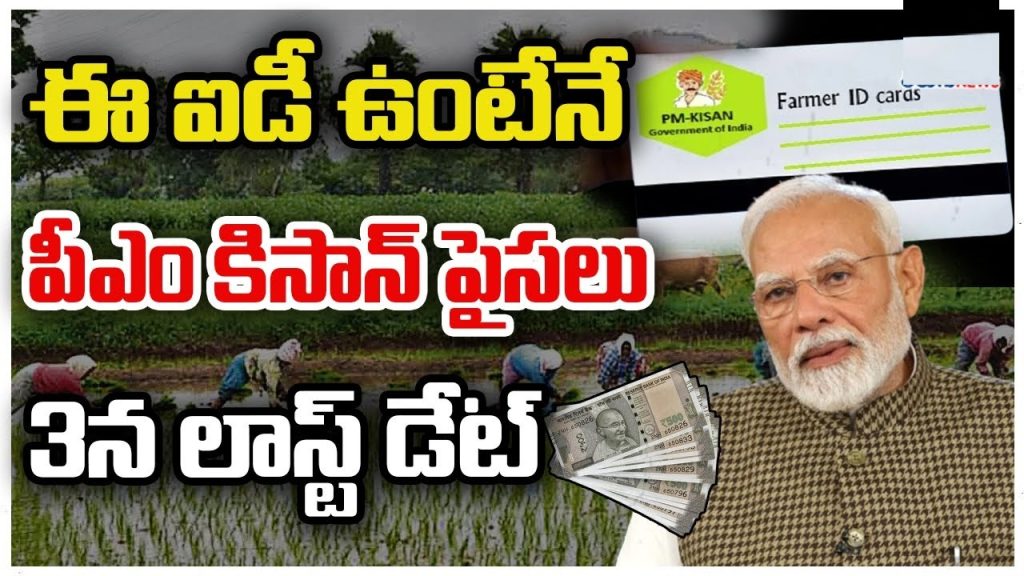
The agricultural landscape in India is undergoing a transformative shift with the introduction of the PM Kisan Payments by Applying for Your Farmer ID Card Before June 3rd, a revolutionary initiative by the Central Government, implemented in collaboration with state governments like Telangana. This unique 11-digit digital identification system aims to streamline farming processes, enhance access to government schemes, and bring a digital revolution to the agricultural sector. With the registration deadline set for June 3rd, 2025, farmers across the nation must act swiftly to secure their Farmer ID Card and unlock its benefits. In this comprehensive guide, we explore the significance of the Farmer ID Card, its features, benefits, and how it empowers farmers to thrive in a digital era.
What is the Farmer ID Card?
The Farmer ID Card is a digital identification tool designed to provide every farmer in India with a unique 11-digit ID. This ID serves as a centralized repository of critical information, including the farmer’s personal details, land ownership records, crop cultivation data, and more. Linked to the Aadhaar card, the Farmer ID Card creates a seamless digital profile that simplifies access to government schemes and agricultural services.
By digitizing essential farming data, the Farmer ID Card enables farmers to manage their agricultural activities more efficiently while ensuring transparency and accountability in government interactions. This initiative is a cornerstone of India’s push toward agricultural modernization, aiming to empower farmers with technology-driven solutions.
Key Features of the Farmer ID Card
The Farmer ID Card is packed with features that make it an indispensable tool for modern farmers. Here’s a breakdown of its core components:
- Unique 11-Digit ID: Each farmer receives a distinct identification number, ensuring no overlap or duplication.
- Aadhaar Integration: The ID links directly to the farmer’s Aadhaar card, creating a verified and secure digital identity.
- Comprehensive Data Storage: The card records the farmer’s name, mobile number, land ownership details (via passbook), land type, survey numbers, and crop cultivation history.
- One-Click Access: Farmers can access their complete agricultural profile with a single click, making it easier to monitor and manage their data.
- Scheme Eligibility: The ID is mandatory for accessing key government programs like PM Kisan Samman Nidhi, Soil Health Card, and Fasal Bima Yojana.
These features collectively enhance the efficiency of agricultural processes, reduce paperwork, and ensure farmers receive timely support from government initiatives.
Why the Farmer ID Card Matters
The Farmer ID Card is more than just a digital ID—it’s a gateway to a more organized, transparent, and efficient agricultural ecosystem. By digitizing farmer data, the government aims to address long-standing challenges in the sector, such as delayed access to subsidies, lack of accurate land records, and inefficiencies in scheme distribution. Here’s why the Farmer ID Card is a game-changer:
Streamlining Government Schemes
The Farmer ID Card is a prerequisite for accessing several Central Government schemes, including:
- PM Kisan Samman Nidhi: A financial support scheme providing farmers with annual monetary assistance.
- Soil Health Card: A program offering soil testing and recommendations to improve crop yields.
- Fasal Bima Yojana: A crop insurance scheme to protect farmers against losses due to natural calamities.
By linking these schemes to the Farmer ID Card, the government ensures that benefits reach the intended recipients without intermediaries, reducing corruption and delays.
Driving Digital Transformation in Agriculture
The Farmer ID Card is a pivotal step toward digitizing India’s agricultural sector. With all farming-related data stored in a centralized digital platform, farmers can access real-time information about their land, crops, and subsidies. This digital transformation also enables the government to collect accurate data on agricultural practices, land usage, and farmer demographics, paving the way for data-driven policy decisions.
Empowering Farmers with Transparency
One of the biggest advantages of the Farmer ID Card is its ability to provide transparency. Farmers can view their land records, crop history, and scheme eligibility online, eliminating the need for manual paperwork or reliance on intermediaries. This transparency fosters trust between farmers and the government, ensuring fair distribution of resources.
How to Apply for the Farmer ID Card
With the registration deadline approaching on June 3rd, 2025, farmers must act quickly to secure their Farmer ID Card. The application process is straightforward, designed to be accessible even for farmers in rural areas. Below is a step-by-step guide to applying for the Farmer ID Card:
Step 1: Visit the Nearest Agricultural Office or Online Portal
Farmers can apply for the Farmer ID Card through their local Agricultural Extension Office or via the official government portal. The Central Government has launched a dedicated online platform to facilitate registrations, ensuring farmers in remote areas can apply without traveling long distances.
Step 2: Gather Required Documents
To complete the registration, farmers need to provide the following documents:
- Aadhaar card
- Mobile number
- Land ownership documents (passbook)
- Details of crops cultivated
- Survey numbers and land type information
Having these documents ready will streamline the application process and prevent delays.
Step 3: Submit Your Application
At the Agricultural Extension Office, trained officers will assist farmers in filling out the application form and uploading their details to the digital platform. For online applications, farmers can log into the official portal, enter their details, and upload scanned copies of their documents.
Step 4: Receive Your Farmer ID Card
Once the application is processed, farmers will receive their unique 11-digit Farmer ID Card. This ID will be linked to their Aadhaar card and can be accessed digitally or as a physical card, depending on the state’s implementation.
Step 5: Verify and Update Details
After receiving the Farmer ID Card, farmers should verify their details to ensure accuracy. Any discrepancies in land records, crop details, or personal information should be reported to the Agricultural Extension Office for correction.
Benefits of the Farmer ID Card for Indian Farmers
The Farmer ID Card offers a wide range of benefits that empower farmers and enhance their agricultural practices. Here are some of the key advantages:
Instant Access to Government Support
With the Farmer ID Card, farmers can quickly access government schemes and subsidies without navigating complex bureaucratic processes. For example, in the event of crop damage due to natural disasters, farmers can use their ID to apply for compensation, which is processed digitally for faster disbursal.
Simplified Record-Keeping
The Farmer ID Card eliminates the need for manual record-keeping by storing all relevant data in a digital format. Farmers can access their land ownership details, crop history, and scheme eligibility at any time, reducing the risk of lost documents or errors.
Enhanced Crop Insurance and Compensation
The integration of the Farmer ID Card with schemes like Fasal Bima Yojana ensures that farmers receive timely crop insurance payouts. In case of crop failure or damage, the digital records linked to the ID provide accurate data for compensation claims.
Data-Driven Agricultural Insights
The Farmer ID Card enables the government to collect comprehensive data on farming activities across India. This data can be used to analyze crop patterns, land usage, and farmer demographics, leading to better agricultural policies and support systems.
Reduced Dependency on Intermediaries
By providing direct access to government schemes and digital records, the Farmer ID Card reduces the role of middlemen, ensuring that farmers receive the full benefits of subsidies and support programs.
The Role of Telangana in Implementing the Farmer ID Card
The Telangana government has taken proactive steps to implement the Farmer ID Card initiative, aligning with the Central Government’s vision of a digitally empowered agricultural sector. Here’s how Telangana is leading the way:
Training Agricultural Extension Officers
The Telangana government has trained Agricultural Extension Officers to facilitate the registration process. These officers are equipped to assist farmers in completing their applications, ensuring that even those with limited digital literacy can participate.
Seamless Coordination with the Central Government
Telangana’s agricultural department works closely with the Central Government to ensure smooth implementation of the Farmer ID Card project. By sharing farmer data and coordinating registration efforts, the state is helping to create a unified national database.
Promoting Digital Literacy Among Farmers
To ensure the success of the Farmer ID Card, Telangana is promoting digital literacy among farmers. Workshops and training sessions are being conducted to familiarize farmers with the online portal and the benefits of digital record-keeping.
Challenges and Solutions for Farmer ID Card Adoption
While the Farmer ID Card holds immense potential, its adoption faces certain challenges. Addressing these issues is crucial to ensuring the initiative’s success.
Challenge 1: Digital Literacy
Many farmers, especially in rural areas, may lack the digital literacy needed to navigate the online portal or understand the benefits of the Farmer ID Card.
Solution: The government is conducting awareness campaigns and training programs to educate farmers about the initiative. Agricultural Extension Officers are also available to assist with registrations.
Challenge 2: Access to Technology
Not all farmers have access to smartphones or the internet, which could hinder their ability to apply for the Farmer ID Card online.
Solution: The government has set up registration centers at Agricultural Extension Offices, where farmers can apply in person. Mobile registration vans are also being deployed in remote areas.
Challenge 3: Data Accuracy
Inaccurate or incomplete data could undermine the effectiveness of the Farmer ID Card, leading to issues with scheme eligibility or compensation claims.
Solution: The government has implemented strict verification processes to ensure data accuracy. Farmers are encouraged to review their details and report any discrepancies promptly.
The Future of Farming with the Farmer ID Card
The Farmer ID Card is poised to revolutionize Indian agriculture by bringing transparency, efficiency, and accessibility to the sector. As the initiative expands nationwide, it will create a comprehensive digital database of farmers, enabling the government to make informed decisions and provide targeted support.
A Step Toward Precision Agriculture
By collecting detailed data on crops, land types, and farming practices, the Farmer ID Card paves the way for precision agriculture. Farmers can receive tailored recommendations for soil health, crop selection, and irrigation, leading to higher yields and sustainable practices.
Empowering Small and Marginal Farmers
Small and marginal farmers, who often struggle to access government schemes, will benefit significantly from the Farmer ID Card. The digital platform ensures that even farmers with limited resources can claim their rightful benefits.
Strengthening Agricultural Policy
The data collected through the Farmer ID Card will provide valuable insights into India’s agricultural landscape. Policymakers can use this data to design schemes that address the specific needs of farmers, such as subsidies for drought-resistant crops or support for organic farming.
How to Maximize the Benefits of Your Farmer ID Card
To make the most of the Farmer ID Card, farmers should take the following steps:
- Register Before the Deadline: Ensure you complete your registration by June 3rd, 2025, to avoid missing out on government schemes.
- Keep Your Details Updated: Regularly check your Farmer ID Card details to ensure accuracy, especially if you change crops or acquire new land.
- Explore Available Schemes: Use your Farmer ID Card to apply for schemes like PM Kisan Samman Nidhi, Soil Health Card, and Fasal Bima Yojana.
- Leverage Digital Tools: Familiarize yourself with the online portal to access real-time data and manage your agricultural activities efficiently.
- Stay Informed: Attend government-organized workshops or consult Agricultural Extension Officers to stay updated on new features and benefits.
Conclusion: Embrace the Digital Farming Revolution
The Farmer ID Card is a transformative tool that empowers Indian farmers to thrive in a rapidly evolving agricultural landscape. By providing a unique digital identity, streamlining access to government schemes, and promoting transparency, the Farmer ID Card is set to redefine farming in India. With the registration deadline fast approaching on June 3rd, 2025, now is the time for farmers to act and secure their place in this digital revolution.
Don’t miss out on the opportunity to unlock the full potential of your farming journey. Register for your Farmer ID Card today and take the first step toward a more prosperous and sustainable future in agriculture.