Site icon Telangana NavaNirmana Sena

Paetongtarn Shinawatra Thailand New Prime Minister

Thailand's political landscape has always been tumultuous, but the recent appointment of Paetongtarn Shinawatra as Prime Minister marks a new chapter in the nation's history. At just 37 years old, Paetongtarn, also known by her nickname Ung Ing, steps into the highest office with little governing experience, yet carries the weight of a powerful political dynasty. Her ascension to power comes at a time of profound political unrest, raising questions about her ability to lead a nation facing multiple challenges. The Heir to a Political Dynasty Paetongtarn Shinawatra is no stranger to the complexities of Thai politics. As the youngest child of Thaksin Shinawatra, a former Prime Minister who was ousted in a coup in 2006, she inherits a legacy deeply intertwined with the country's political fabric. Thaksin's influence in Thai politics is undeniable, having founded political parties like Pheu Thai, which have consistently won elections even after his exile due to corruption charges. Paetongtarn's political pedigree extends beyond her father. Her uncle-in-law, Somchai Wongsawat, also served as Prime Minister before being removed by the Constitutional Court in 2008. This lineage positions Paetongtarn at the center of a political dynasty that has shaped Thailand's modern history, for better or worse. Paetongtarn’s Political Journey Despite her deep-rooted connections, Paetongtarn is relatively new to the political scene. She formally joined the Pheu Thai Party in 2021 and quickly rose to prominence, becoming the party's chief advisor. Her political ascent was fueled by her proposals focused on addressing the needs of regular citizens, which resonated with the electorate ahead of the 2022 general elections. However, her meteoric rise is not without its challenges. Paetongtarn's lack of experience in government positions her as a political newcomer in a role traditionally occupied by seasoned politicians. Before her appointment, she served as CEO of a major hotel and real estate development company, SC Asset Corporation, where she was the largest shareholder. To comply with Thai law, she will need to relinquish her business roles and divest her shares, a significant shift from her previous life. A Polarized Political Climate Paetongtarn’s appointment as Prime Minister is a reflection of Thailand's deeply polarized political climate. The Pheu Thai Party, once seen as the progressive opposition, now faces competition from the newly emerged Move Forward Party, which has gained significant traction, particularly among younger voters. This shift has left Pheu Thai in a precarious position, no longer the clear choice for those seeking change. The parliamentary vote that secured Paetongtarn's position as Prime Minister largely followed party lines, with little deviation. However, the support she garnered may not be as robust as it appears. The defection of some opposition members to her side, while a minor victory, highlights the fragility of her coalition. Moreover, her family name, once a powerful asset, now serves as both her greatest strength and her most significant liability. The Shadow of Thaksin Shinawatra Thaksin Shinawatra's shadow looms large over Paetongtarn’s premiership. His influence in Thai politics has been both a blessing and a curse for his successors. Thaksin openly referred to Paetongtarn's aunt, Yingluck Shinawatra, who also served as Prime Minister before being ousted, as his "clone." This label now hangs over Paetongtarn, potentially undermining her legitimacy as an independent leader. Thaksin's return to Thailand last year after years of exile has rekindled old divisions. His reputation, once bolstered by his early success in office, has been tarnished by his long absence and continued meddling in Thai politics. Paetongtarn’s close association with her father raises concerns that she may struggle to establish her identity as a leader separate from her family’s controversial legacy. The Challenges Ahead As Paetongtarn Shinawatra takes the helm, she faces a nation divided. On one side, younger voters have rallied behind the Move Forward Party, which positions itself as the true progressive alternative. On the other, the conservative establishment remains skeptical of Paetongtarn’s ability to govern independently of her father's influence. Thailand's political instability is a recurring theme, with successive governments being toppled by coups, court orders, and public protests. Paetongtarn’s leadership will be tested by her ability to navigate these treacherous waters. Her success will depend on her capacity to unite a fragmented electorate and address the concerns of both the progressive youth and the conservative establishment. Conclusion Paetongtarn Shinawatra’s rise to power is a significant moment in Thailand's political history. As the youngest Prime Minister in the country's history, she carries the weight of her family's legacy while facing the daunting task of leading a nation in turmoil. Whether she can transcend her role as a political heir and establish herself as a capable leader remains to be seen. What is certain is that her journey will shape the future of Thailand, for better or for worse.

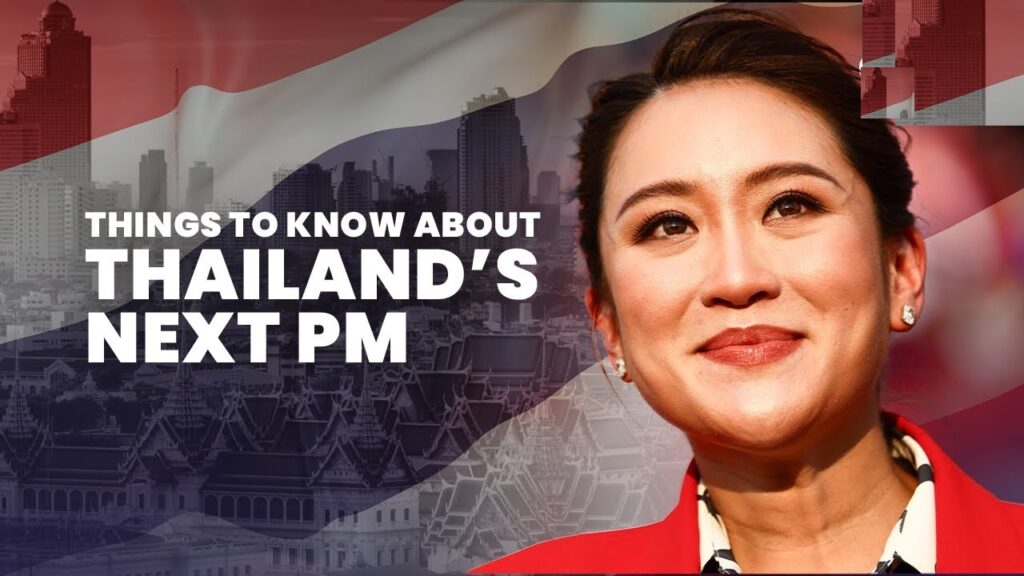
Thailand’s political landscape has always been tumultuous, but the recent appointment of Paetongtarn Shinawatra as Prime Minister marks a new chapter in the nation’s history. At just 37 years old, Paetongtarn, also known by her nickname Ung Ing, steps into the highest office with little governing experience, yet carries the weight of a powerful political dynasty. Her ascension to power comes at a time of profound political unrest, raising questions about her ability to lead a nation facing multiple challenges.

The Heir to a Political Dynasty

Paetongtarn Shinawatra is no stranger to the complexities of Thai politics. As the youngest child of Thaksin Shinawatra, a former Prime Minister who was ousted in a coup in 2006, she inherits a legacy deeply intertwined with the country’s political fabric. Thaksin’s influence in Thai politics is undeniable, having founded political parties like Pheu Thai, which have consistently won elections even after his exile due to corruption charges.

Paetongtarn’s political pedigree extends beyond her father. Her uncle-in-law, Somchai Wongsawat, also served as Prime Minister before being removed by the Constitutional Court in 2008. This lineage positions Paetongtarn at the center of a political dynasty that has shaped Thailand’s modern history, for better or worse.

Paetongtarn’s Political Journey

Despite her deep-rooted connections, Paetongtarn is relatively new to the political scene. She formally joined the Pheu Thai Party in 2021 and quickly rose to prominence, becoming the party’s chief advisor. Her political ascent was fueled by her proposals focused on addressing the needs of regular citizens, which resonated with the electorate ahead of the 2022 general elections.

However, her meteoric rise is not without its challenges. Paetongtarn’s lack of experience in government positions her as a political newcomer in a role traditionally occupied by seasoned politicians. Before her appointment, she served as CEO of a major hotel and real estate development company, SC Asset Corporation, where she was the largest shareholder. To comply with Thai law, she will need to relinquish her business roles and divest her shares, a significant shift from her previous life.

A Polarized Political Climate

Paetongtarn’s appointment as Prime Minister is a reflection of Thailand’s deeply polarized political climate. The Pheu Thai Party, once seen as the progressive opposition, now faces competition from the newly emerged Move Forward Party, which has gained significant traction, particularly among younger voters. This shift has left Pheu Thai in a precarious position, no longer the clear choice for those seeking change.

The parliamentary vote that secured Paetongtarn’s position as Prime Minister largely followed party lines, with little deviation. However, the support she garnered may not be as robust as it appears. The defection of some opposition members to her side, while a minor victory, highlights the fragility of her coalition. Moreover, her family name, once a powerful asset, now serves as both her greatest strength and her most significant liability.

The Shadow of Thaksin Shinawatra

Thaksin Shinawatra’s shadow looms large over Paetongtarn’s premiership. His influence in Thai politics has been both a blessing and a curse for his successors. Thaksin openly referred to Paetongtarn’s aunt, Yingluck Shinawatra, who also served as Prime Minister before being ousted, as his “clone.” This label now hangs over Paetongtarn, potentially undermining her legitimacy as an independent leader.

Thaksin’s return to Thailand last year after years of exile has rekindled old divisions. His reputation, once bolstered by his early success in office, has been tarnished by his long absence and continued meddling in Thai politics. Paetongtarn’s close association with her father raises concerns that she may struggle to establish her identity as a leader separate from her family’s controversial legacy.

The Challenges Ahead

As Paetongtarn Shinawatra takes the helm, she faces a nation divided. On one side, younger voters have rallied behind the Move Forward Party, which positions itself as the true progressive alternative. On the other, the conservative establishment remains skeptical of Paetongtarn’s ability to govern independently of her father’s influence.

Thailand’s political instability is a recurring theme, with successive governments being toppled by coups, court orders, and public protests. Paetongtarn’s leadership will be tested by her ability to navigate these treacherous waters. Her success will depend on her capacity to unite a fragmented electorate and address the concerns of both the progressive youth and the conservative establishment.

Conclusion

Paetongtarn Shinawatra’s rise to power is a significant moment in Thailand’s political history. As the youngest Prime Minister in the country’s history, she carries the weight of her family’s legacy while facing the daunting task of leading a nation in turmoil. Whether she can transcend her role as a political heir and establish herself as a capable leader remains to be seen. What is certain is that her journey will shape the future of Thailand, for better or for worse.

Exit mobile version