Site icon Telangana NavaNirmana Sena

Online Gaming Law 2025: Balancing E Sports Growth Against Real Money Gaming Ban

India's Online Gaming Law 2025: Balancing E-Sports Growth Against Real Money Gaming Ban and Industry Turmoil India's digital landscape has undergone a seismic shift with the passage of the Online Gaming Bill 2025. This landmark legislation promises to elevate e-sports to new heights while slamming the door on real money gaming platforms. As gamers, investors, and policymakers grapple with the changes, questions arise about addiction risks, economic fallout, and the future of a multi-billion-dollar sector. In this comprehensive guide, we explore the intricacies of India's online gaming regulations, their impact on youth gaming addiction, and the path forward for sustainable digital entertainment. Understanding the Core of India's Online Gaming Bill 2025 Lawmakers in India recently approved a transformative bill that reshapes the online gaming ecosystem. The government aims to foster positive aspects of gaming, such as e-sports and educational games, while eradicating the perils associated with real money wagering. This move comes amid rising concerns over financial ruin, mental health crises, and even national security threats linked to certain platforms. The bill, which received swift parliamentary approval, establishes clear distinctions between skill-based competitive gaming and chance-driven money games. E-sports enthusiasts now have reason to celebrate, as the legislation pledges government-backed initiatives to nurture this burgeoning field. Officials plan to create dedicated training academies and host national tournaments, positioning India as a global contender in virtual arenas. However, the ban on real money gaming has sparked widespread discontent among young users and industry stakeholders. Platforms that allow players to wager and win cash based on elements of luck face outright prohibition. This includes popular fantasy sports apps and card games where chance plays a pivotal role. The government justifies this stringent approach by highlighting the surge in debt traps, addictive behaviors, and tragic suicides attributed to these games. To enforce compliance, the bill introduces severe penalties. Companies offering banned games could face up to three years in prison or fines reaching ₹1 crore. Celebrities and influencers endorsing such platforms risk two years behind bars or ₹50 lakh penalties. Even banks facilitating transactions for these apps encounter similar repercussions, with offenses classified as cognizable and non-bailable. This means law enforcement can act swiftly, seizing assets and making arrests without prior warrants. The rapid passage of the bill—introduced in the Lok Sabha and cleared in the Rajya Sabha within hours—raises eyebrows about the lack of debate. Critics argue that such haste undermines democratic processes, especially for an industry valued at over ₹2 lakh crore. Yet, supporters view it as a decisive step to protect vulnerable populations from exploitation. The Rise and Fall of Real Money Gaming in India: A ₹2 Lakh Crore Industry on the Brink Real money gaming in India didn't emerge overnight; it exploded into a powerhouse sector over the past decade. From fantasy cricket leagues to poker apps, these platforms captivated millions with the allure of quick wins. Today, more than 400 companies operate in this space, employing around 2 lakh people directly and indirectly. Skilled professionals—from software developers to marketing experts—have built careers here, contributing to an industry worth over $4 billion and growing at 20% annually. Investments poured in, totaling over ₹25,000 crore, with projections suggesting the market could double in five years. Government coffers benefited too, raking in ₹20,000 to ₹30,000 crore in taxes each year. User numbers tell an even more compelling story: 55 crore registered players, with 10 crore engaging daily and growth rates hitting 10% yearly. High-profile endorsements amplified this boom. Cricket stars, Bollywood icons, and social media influencers promoted apps like Dream11 and My11Circle. Their ads blanketed IPL matches, stadiums, and digital spaces, normalizing real money play as harmless fun. Former players lent credibility, portraying these games as skill-based contests rather than gambles. But beneath the glamour lurks a darker narrative. Platforms cleverly rebrand betting as "contests" or "team-building exercises." Users start small—perhaps ₹10 or ₹20, equivalent to a roadside tea—but soon spiral into deeper involvement. The psychology is insidious: wins fuel overconfidence, convincing players of their expertise, while losses trigger "recovery mode," prompting riskier bets to recoup funds. Government data reveals the toll: 45 crore Indians have lost ₹20,000 crore on these apps. Debt spirals have pushed many into desperation, with reports of students and young adults resorting to crime or suicide. Apps exploit behavioral patterns, sending targeted notifications to encourage more spending. Like casinos, the house always wins—platforms take a cut regardless of outcomes. National security adds another layer of concern. Some apps link to money laundering, terror funding, and foreign influences, including Chinese entities. The Mahadev app scandal exemplified how illicit operations siphon funds abroad, prompting governmental scrutiny. State-level actions foreshadowed the national ban. Tamil Nadu attempted prohibitions in 2021 and 2023, though courts intervened. The central government amended IT rules in 2021 for self-regulation, but infighting among stakeholders doomed the effort. A 28% GST hike in 2023 aimed to curb growth, yet protests from investors like Tiger Global and Sequoia fell on deaf ears. Supreme Court cases linger, but the new bill signals a pivot from taxation to outright enforcement. E-Sports Promotion in India: A Bright Spot Amid the Crackdown While the ban casts shadows over real money gaming, the bill shines a spotlight on e-sports. Defined as competitive, skill-based games in virtual environments—like Call of Duty or Free Fire—these receive official recognition. The government commits to building infrastructure, including a National E-Sports Authority to regulate and promote the sector. This authority will oversee tournaments, set standards, and foster talent development. Training academies will equip aspiring gamers with skills, potentially creating jobs in coaching, event management, and tech support. National events could draw international attention, boosting India's soft power and tourism. For casual gamers, the law encourages safe, educational platforms that emphasize fun without financial stakes. This aligns with global trends where e-sports generate billions, from sponsorships to merchandise. India's young demographic—over 50% under 25—positions it perfectly to lead in this arena. Experts predict this focus could mitigate addiction by channeling energy into productive gaming. Schools and communities might integrate e-sports into curricula, teaching teamwork, strategy, and digital literacy. Success stories from countries like South Korea, where e-sports stars earn celebrity status, inspire optimism. However, challenges remain. Funding for academies and events must materialize, and inclusivity—ensuring access for rural and female gamers—is crucial. Without robust implementation, the promise of e-sports growth might fizzle. Youth Gaming Addiction in India: The Human Cost Behind the Ban Addiction to online games isn't mere hype; it's a crisis ravaging families across India. Real money platforms prey on vulnerabilities, turning entertainment into obsession. Users feel empowered, selecting teams based on stats and knowledge, but external variables—like weather or injuries—introduce uncontrollable chance. The dopamine rush from wins creates a false sense of control. "I'm not gambling; I'm strategizing," players tell themselves. Yet, statistics paint a grim picture: more users on fantasy apps (23 crore claimed by one platform) than demat accounts (20 crore), indicating a shift from traditional investments to risky bets. Losses accumulate subtly. A ₹200 defeat prompts another entry to "break even," escalating to thousands. Apps algorithmically nudge users, promising assured victories. Government reports link this to widespread debt, with borrowers turning to high-interest loans or illegal lenders. Tragic outcomes abound. Suicides among addicted youth make headlines, often involving students who squander tuition fees or family savings. Crime rates rise as desperation leads to theft or fraud. Mental health experts classify gaming addiction as a disorder, akin to substance abuse, with symptoms including withdrawal, anxiety, and social isolation. Social media amplifies the issue, with influencers glamorizing wins while downplaying risks. Families report strained relationships, neglected studies, and health declines from excessive screen time. In rural areas, where financial literacy is low, the impact hits hardest, exacerbating poverty cycles. The bill addresses this by banning addictive elements, but critics question if it goes far enough. Education campaigns on responsible gaming could complement the law, teaching users to recognize warning signs. Government's Rationale for the Real Money Gaming Ban: Prioritizing Society Over Revenue Officials defend the ban as a necessary safeguard for societal welfare. IT Minister Ashwini Vaishnaw emphasized rising debts, addictions, and suicides during the bill's introduction. National security concerns, including terror links and money laundering, elevated the issue beyond economics. The government prioritizes public health over fiscal gains, even acknowledging potential revenue losses of ₹20,000-30,000 crore. This stance contrasts with everyday experiences, like high petrol prices or tolls, where revenue seems paramount. Yet, here, protecting youth from ruin takes precedence. By classifying offenses as serious, the law deters operators and enablers. Banks' prohibition from processing transactions starves platforms of funds, while non-bailable status ensures swift justice. Comparisons to global bans in countries like China, where gaming limits curb addiction, bolster the rationale. India aims to prevent a full-blown epidemic, learning from loan app scandals involving foreign entities. Skeptics argue the approach is overly paternalistic, ignoring personal freedoms. However, with 10 crore daily players, the scale demands intervention. Industry's Response to India's Online Gaming Regulations: Anger, Adaptation, and Legal Battles Stakeholders in the real money gaming sector express outrage over the ban's abruptness. They lament the absence of consultations, viewing the hasty passage as undemocratic. "How can a thriving industry be dismantled without stakeholder input?" asks one executive. Comparisons to regulated vices like alcohol and tobacco fuel arguments. These cause proven harm—health issues, addictions—yet operate under licenses with ad restrictions and warnings. Why not apply similar frameworks to gaming, with KYC, deposit limits, and anti-laundering measures? Job losses loom large, with mass layoffs threatening 2 lakh livelihoods. The IT sector's downturn compounds fears, as displaced workers struggle for reemployment. Alternatives abound: licensing could generate revenue while protecting users. Successful models in the UK and Australia demonstrate regulated growth, with oversight ensuring fairness. Many companies pledge compliance, shuttering real money features, but whisper of court challenges or overseas shifts. Apps like Dream11 and Winzo pivot to international markets, risking investor losses and policy uncertainty signals. This echoes crypto's fate, where bans birthed black markets. Industry warns of underground operations evading controls, harming uneducated users and eroding government authority. Global Practices in Online Gaming Regulation: Lessons for India Worldwide, nations tackle online gaming diversely, offering blueprints for India. The UK employs a licensing system via the Gambling Commission, mandating responsible practices like self-exclusion and age verification. This balances revenue (billions in taxes) with protection. Australia's Interactive Gambling Act bans online poker and casinos but allows sports betting under strict rules. Limits on ads and promotions curb youth exposure. In the US, states vary: Nevada thrives on regulated gambling, while others prohibit it. Fantasy sports often escape bans as "skill games," a distinction India could refine. Europe's GDPR influences data protection in gaming, preventing exploitation. Sweden imposes deposit caps and bonuses restrictions to combat addiction. Asia presents contrasts: South Korea promotes e-sports while limiting minors' playtime. China enforces curfews and spending limits, reducing addiction rates. India could hybridize these: promote e-sports like Korea, regulate like the UK, and enforce limits like China. This might salvage jobs and revenue without blanket bans. Legal experts predict Supreme Court scrutiny, potentially mandating consultations or modifications. Future Implications of the Online Gaming Law: Opportunities and Risks As the bill becomes law post-presidential assent, India's gaming future bifurcates. E-sports could flourish, creating stars and industries. Casual gaming might boom, fostering creativity and education. Yet, risks persist. Black markets could emerge, driving activities underground with no safeguards. Desperate players might turn to unregulated foreign apps, exposing them to fraud. Economic fallout includes investor flight, denting India's startup appeal. Policy flip-flops—from crypto to gaming—erode trust. Positively, the ban could spur innovation in non-monetary games, like VR education or social platforms. Job transitions to e-sports or tech could mitigate losses. Society benefits from reduced addictions, potentially lowering suicides and debts. Awareness campaigns could normalize healthy gaming. Long-term, balanced regulation might prevail if courts intervene. India stands at a crossroads: protect citizens or stifle growth? The answer shapes digital India's trajectory. Navigating Responsible Gaming in a Post-Ban Era Post-ban, individuals must adopt responsible habits. Set time limits, avoid financial ties, and seek help for addictions via helplines. Parents play key roles, monitoring children's play and encouraging offline activities. Schools can integrate digital literacy, teaching risk discernment. Developers shift to skill-focused games, monetizing via ads or subscriptions. This sustains jobs while aligning with laws. Government must monitor enforcement, adapting based on feedback. Collaborations with NGOs could support affected workers. Conclusion: Striking a Balance in India's Digital Gaming Revolution India's Online Gaming Bill 2025 marks a bold pivot toward safer digital spaces. By championing e-sports and banning real money risks, it addresses urgent societal ills. Yet, the human and economic costs demand nuanced implementation. As debates rage, one truth emerges: gaming's future hinges on responsibility. With thoughtful regulation, India can lead globally, harnessing technology for empowerment rather than exploitation.

India’s digital landscape has undergone a seismic shift with the passage of the Online Gaming Bill 2025. This landmark legislation promises to elevate e-sports to new heights while slamming the door on real money gaming platforms. As gamers, investors, and policymakers grapple with the changes, questions arise about addiction risks, economic fallout, and the future of a multi-billion-dollar sector. In this comprehensive guide, we explore the intricacies of India’s online gaming regulations, their impact on youth gaming addiction, and the path forward for sustainable digital entertainment.

Understanding the Core of India’s Online Gaming Bill 2025

Lawmakers in India recently approved a transformative bill that reshapes the online gaming ecosystem. The government aims to foster positive aspects of gaming, such as e-sports and educational games, while eradicating the perils associated with real money wagering. This move comes amid rising concerns over financial ruin, mental health crises, and even national security threats linked to certain platforms.

The bill, which received swift parliamentary approval, establishes clear distinctions between skill-based competitive gaming and chance-driven money games. E-sports enthusiasts now have reason to celebrate, as the legislation pledges government-backed initiatives to nurture this burgeoning field. Officials plan to create dedicated training academies and host national tournaments, positioning India as a global contender in virtual arenas.

However, the ban on real money gaming has sparked widespread discontent among young users and industry stakeholders. Platforms that allow players to wager and win cash based on elements of luck face outright prohibition. This includes popular fantasy sports apps and card games where chance plays a pivotal role. The government justifies this stringent approach by highlighting the surge in debt traps, addictive behaviors, and tragic suicides attributed to these games.

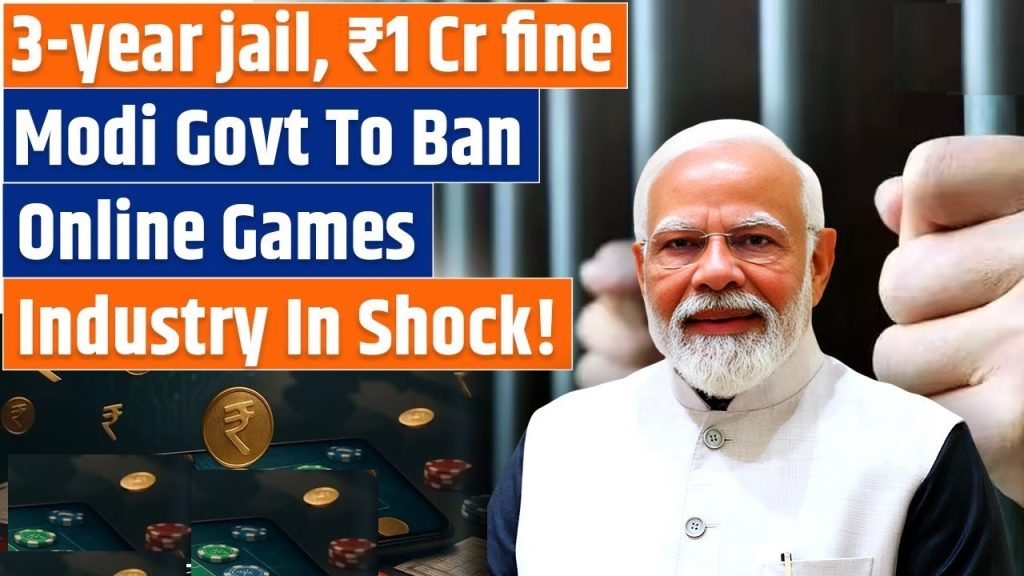
To enforce compliance, the bill introduces severe penalties. Companies offering banned games could face up to three years in prison or fines reaching ₹1 crore. Celebrities and influencers endorsing such platforms risk two years behind bars or ₹50 lakh penalties. Even banks facilitating transactions for these apps encounter similar repercussions, with offenses classified as cognizable and non-bailable. This means law enforcement can act swiftly, seizing assets and making arrests without prior warrants.

The rapid passage of the bill—introduced in the Lok Sabha and cleared in the Rajya Sabha within hours—raises eyebrows about the lack of debate. Critics argue that such haste undermines democratic processes, especially for an industry valued at over ₹2 lakh crore. Yet, supporters view it as a decisive step to protect vulnerable populations from exploitation.

The Rise and Fall of Real Money Gaming in India: A ₹2 Lakh Crore Industry on the Brink

Real money gaming in India didn’t emerge overnight; it exploded into a powerhouse sector over the past decade. From fantasy cricket leagues to poker apps, these platforms captivated millions with the allure of quick wins. Today, more than 400 companies operate in this space, employing around 2 lakh people directly and indirectly. Skilled professionals—from software developers to marketing experts—have built careers here, contributing to an industry worth over $4 billion and growing at 20% annually.

Investments poured in, totaling over ₹25,000 crore, with projections suggesting the market could double in five years. Government coffers benefited too, raking in ₹20,000 to ₹30,000 crore in taxes each year. User numbers tell an even more compelling story: 55 crore registered players, with 10 crore engaging daily and growth rates hitting 10% yearly.

High-profile endorsements amplified this boom. Cricket stars, Bollywood icons, and social media influencers promoted apps like Dream11 and My11Circle. Their ads blanketed IPL matches, stadiums, and digital spaces, normalizing real money play as harmless fun. Former players lent credibility, portraying these games as skill-based contests rather than gambles.

But beneath the glamour lurks a darker narrative. Platforms cleverly rebrand betting as “contests” or “team-building exercises.” Users start small—perhaps ₹10 or ₹20, equivalent to a roadside tea—but soon spiral into deeper involvement. The psychology is insidious: wins fuel overconfidence, convincing players of their expertise, while losses trigger “recovery mode,” prompting riskier bets to recoup funds.

Government data reveals the toll: 45 crore Indians have lost ₹20,000 crore on these apps. Debt spirals have pushed many into desperation, with reports of students and young adults resorting to crime or suicide. Apps exploit behavioral patterns, sending targeted notifications to encourage more spending. Like casinos, the house always wins—platforms take a cut regardless of outcomes.

National security adds another layer of concern. Some apps link to money laundering, terror funding, and foreign influences, including Chinese entities. The Mahadev app scandal exemplified how illicit operations siphon funds abroad, prompting governmental scrutiny.

State-level actions foreshadowed the national ban. Tamil Nadu attempted prohibitions in 2021 and 2023, though courts intervened. The central government amended IT rules in 2021 for self-regulation, but infighting among stakeholders doomed the effort. A 28% GST hike in 2023 aimed to curb growth, yet protests from investors like Tiger Global and Sequoia fell on deaf ears. Supreme Court cases linger, but the new bill signals a pivot from taxation to outright enforcement.

E-Sports Promotion in India: A Bright Spot Amid the Crackdown

While the ban casts shadows over real money gaming, the bill shines a spotlight on e-sports. Defined as competitive, skill-based games in virtual environments—like Call of Duty or Free Fire—these receive official recognition. The government commits to building infrastructure, including a National E-Sports Authority to regulate and promote the sector.

This authority will oversee tournaments, set standards, and foster talent development. Training academies will equip aspiring gamers with skills, potentially creating jobs in coaching, event management, and tech support. National events could draw international attention, boosting India’s soft power and tourism.

For casual gamers, the law encourages safe, educational platforms that emphasize fun without financial stakes. This aligns with global trends where e-sports generate billions, from sponsorships to merchandise. India’s young demographic—over 50% under 25—positions it perfectly to lead in this arena.

Experts predict this focus could mitigate addiction by channeling energy into productive gaming. Schools and communities might integrate e-sports into curricula, teaching teamwork, strategy, and digital literacy. Success stories from countries like South Korea, where e-sports stars earn celebrity status, inspire optimism.

However, challenges remain. Funding for academies and events must materialize, and inclusivity—ensuring access for rural and female gamers—is crucial. Without robust implementation, the promise of e-sports growth might fizzle.

Youth Gaming Addiction in India: The Human Cost Behind the Ban

Addiction to online games isn’t mere hype; it’s a crisis ravaging families across India. Real money platforms prey on vulnerabilities, turning entertainment into obsession. Users feel empowered, selecting teams based on stats and knowledge, but external variables—like weather or injuries—introduce uncontrollable chance.

The dopamine rush from wins creates a false sense of control. “I’m not gambling; I’m strategizing,” players tell themselves. Yet, statistics paint a grim picture: more users on fantasy apps (23 crore claimed by one platform) than demat accounts (20 crore), indicating a shift from traditional investments to risky bets.

Losses accumulate subtly. A ₹200 defeat prompts another entry to “break even,” escalating to thousands. Apps algorithmically nudge users, promising assured victories. Government reports link this to widespread debt, with borrowers turning to high-interest loans or illegal lenders.

Tragic outcomes abound. Suicides among addicted youth make headlines, often involving students who squander tuition fees or family savings. Crime rates rise as desperation leads to theft or fraud. Mental health experts classify gaming addiction as a disorder, akin to substance abuse, with symptoms including withdrawal, anxiety, and social isolation.

Social media amplifies the issue, with influencers glamorizing wins while downplaying risks. Families report strained relationships, neglected studies, and health declines from excessive screen time. In rural areas, where financial literacy is low, the impact hits hardest, exacerbating poverty cycles.

The bill addresses this by banning addictive elements, but critics question if it goes far enough. Education campaigns on responsible gaming could complement the law, teaching users to recognize warning signs.

Government’s Rationale for the Real Money Gaming Ban: Prioritizing Society Over Revenue

Officials defend the ban as a necessary safeguard for societal welfare. IT Minister Ashwini Vaishnaw emphasized rising debts, addictions, and suicides during the bill’s introduction. National security concerns, including terror links and money laundering, elevated the issue beyond economics.

The government prioritizes public health over fiscal gains, even acknowledging potential revenue losses of ₹20,000-30,000 crore. This stance contrasts with everyday experiences, like high petrol prices or tolls, where revenue seems paramount. Yet, here, protecting youth from ruin takes precedence.

By classifying offenses as serious, the law deters operators and enablers. Banks’ prohibition from processing transactions starves platforms of funds, while non-bailable status ensures swift justice.

Comparisons to global bans in countries like China, where gaming limits curb addiction, bolster the rationale. India aims to prevent a full-blown epidemic, learning from loan app scandals involving foreign entities.

Skeptics argue the approach is overly paternalistic, ignoring personal freedoms. However, with 10 crore daily players, the scale demands intervention.

Industry’s Response to India’s Online Gaming Regulations: Anger, Adaptation, and Legal Battles

Stakeholders in the real money gaming sector express outrage over the ban’s abruptness. They lament the absence of consultations, viewing the hasty passage as undemocratic. “How can a thriving industry be dismantled without stakeholder input?” asks one executive.

Comparisons to regulated vices like alcohol and tobacco fuel arguments. These cause proven harm—health issues, addictions—yet operate under licenses with ad restrictions and warnings. Why not apply similar frameworks to gaming, with KYC, deposit limits, and anti-laundering measures?

Job losses loom large, with mass layoffs threatening 2 lakh livelihoods. The IT sector’s downturn compounds fears, as displaced workers struggle for reemployment.

Alternatives abound: licensing could generate revenue while protecting users. Successful models in the UK and Australia demonstrate regulated growth, with oversight ensuring fairness.

Many companies pledge compliance, shuttering real money features, but whisper of court challenges or overseas shifts. Apps like Dream11 and Winzo pivot to international markets, risking investor losses and policy uncertainty signals.

This echoes crypto’s fate, where bans birthed black markets. Industry warns of underground operations evading controls, harming uneducated users and eroding government authority.

Global Practices in Online Gaming Regulation: Lessons for India

Worldwide, nations tackle online gaming diversely, offering blueprints for India. The UK employs a licensing system via the Gambling Commission, mandating responsible practices like self-exclusion and age verification. This balances revenue (billions in taxes) with protection.

Australia’s Interactive Gambling Act bans online poker and casinos but allows sports betting under strict rules. Limits on ads and promotions curb youth exposure.

In the US, states vary: Nevada thrives on regulated gambling, while others prohibit it. Fantasy sports often escape bans as “skill games,” a distinction India could refine.

Europe’s GDPR influences data protection in gaming, preventing exploitation. Sweden imposes deposit caps and bonuses restrictions to combat addiction.

Asia presents contrasts: South Korea promotes e-sports while limiting minors’ playtime. China enforces curfews and spending limits, reducing addiction rates.

India could hybridize these: promote e-sports like Korea, regulate like the UK, and enforce limits like China. This might salvage jobs and revenue without blanket bans.

Legal experts predict Supreme Court scrutiny, potentially mandating consultations or modifications.

Future Implications of the Online Gaming Law: Opportunities and Risks

As the bill becomes law post-presidential assent, India’s gaming future bifurcates. E-sports could flourish, creating stars and industries. Casual gaming might boom, fostering creativity and education.

Yet, risks persist. Black markets could emerge, driving activities underground with no safeguards. Desperate players might turn to unregulated foreign apps, exposing them to fraud.

Economic fallout includes investor flight, denting India’s startup appeal. Policy flip-flops—from crypto to gaming—erode trust.

Positively, the ban could spur innovation in non-monetary games, like VR education or social platforms. Job transitions to e-sports or tech could mitigate losses.

Society benefits from reduced addictions, potentially lowering suicides and debts. Awareness campaigns could normalize healthy gaming.

Long-term, balanced regulation might prevail if courts intervene. India stands at a crossroads: protect citizens or stifle growth? The answer shapes digital India’s trajectory.

Navigating Responsible Gaming in a Post-Ban Era

Post-ban, individuals must adopt responsible habits. Set time limits, avoid financial ties, and seek help for addictions via helplines.

Parents play key roles, monitoring children’s play and encouraging offline activities. Schools can integrate digital literacy, teaching risk discernment.

Developers shift to skill-focused games, monetizing via ads or subscriptions. This sustains jobs while aligning with laws.

Government must monitor enforcement, adapting based on feedback. Collaborations with NGOs could support affected workers.

Conclusion: Striking a Balance in India’s Digital Gaming Revolution

India’s Online Gaming Bill 2025 marks a bold pivot toward safer digital spaces. By championing e-sports and banning real money risks, it addresses urgent societal ills. Yet, the human and economic costs demand nuanced implementation.

As debates rage, one truth emerges: gaming’s future hinges on responsibility. With thoughtful regulation, India can lead globally, harnessing technology for empowerment rather than exploitation.

Exit mobile version