



India continues to grapple with alarming rates of violence against its most vulnerable populations. The latest National Crime Records Bureau (NCRB) data for 2023 reveals a disturbing reality that demands immediate attention from policymakers, law enforcement, and society at large. Having analyzed crime statistics for over a decade, I can confidently state that while reporting mechanisms have improved, the fundamental safety concerns for women and children across Indian states remain deeply entrenched. This comprehensive analysis examines the NCRB Data 2025 state-wise patterns, offering critical insights into crimes against women and children that every stakeholder must understand to drive meaningful reform.
Official emblem and logo of India’s National Crime Records Bureau (NCRB) representing authoritative data source chahalacademy
Understanding the Scale: National Crime Statistics Overview
The magnitude of crimes against women and children in India becomes starkly apparent when we examine the latest NCRB data. In 2023, India recorded 4,48,211 crimes against women, representing a marginal increase from 4,45,256 cases in 2022. This translates to approximately 51 crimes against women every hour across the nation. Even more alarming, 1,77,335 crimes against children were registered, meaning 488 children became victims of crime daily.
The national crime rate for women stands at 66.2 incidents per lakh female population, while children face a crime rate of 39.9 per lakh child population. These statistics represent more than mere numbers; they reflect the lived experiences of millions who continue to face violence, exploitation, and injustice in their daily lives.
What particularly concerns me after years of analyzing these patterns is the consistency of certain crime categories. Cruelty by husband or relatives under Section 498A continues to dominate, accounting for 1,33,676 cases with a rate of 19.7 per lakh women. This means domestic violence remains the single largest threat to women’s safety, occurring within the supposed sanctuary of their homes.


Top 10 Indian states by total number of crimes against women in 2023, based on NCRB data
State-Wise Analysis: The Geographical Divide of Violence
States with Highest Absolute Numbers
Uttar Pradesh maintains its unfortunate position as the state with the highest absolute number of crimes against women, recording 66,381 cases in 2023. However, my analysis reveals a crucial distinction often overlooked in media coverage: UP’s crime rate per lakh female population stands at 58.6, significantly below the national average of 66.2.
Following UP, Maharashtra reported 47,101 cases, Rajasthan 45,450 cases, West Bengal 34,691 cases, and Madhya Pradesh 32,342 cases. These five states collectively account for approximately 50.2% of all crimes against women registered nationally.
Crime Rate Analysis: The True Picture
When we adjust for population density, a different narrative emerges. Delhi leads with the highest crime rate at 133.6 cases per lakh women, more than double the national average. Telangana follows with 124.9, Rajasthan with 114.8, Odisha with 112.4, and Haryana with 110.3.
This disparity between absolute numbers and crime rates highlights a critical analytical point I’ve observed throughout my career: populous states will naturally report higher absolute numbers, but the per capita risk tells the real story of women’s safety.
Children Under Threat: POCSO and Beyond
The situation for children presents equally disturbing trends. Delhi again leads with the highest crime rate against children at 128.5 per lakh child population. The capital reported 7,769 crimes against children in 2023, including 1,757 cases under the POCSO Act.
Telangana’s data reveals particularly concerning patterns. The state recorded 6,113 crimes against children, marking an 8.02% increase from 2022. Most alarmingly, 3,154 cases were registered under the POCSO Act, with kidnapping and abduction accounting for 1,753 cases. What disturbs me most is Telangana’s dubious distinction of recording 76 cases of procuration of minor girls under Section 366A—38 times more than Kerala and 15 times more than Karnataka.

Top 10 Indian states by crime rate against children per lakh population in 2023, based on NCRB data
Metropolitan Cities: Urban Violence Hotspots
Metropolitan areas present concentrated pockets of violence that demand special attention. Delhi consistently ranks highest across multiple crime categories, reporting 13,366 crimes against women and 7,769 crimes against children in 2023.
Mumbai follows with 6,025 crimes against women and 3,110 crimes against children, while Bengaluru recorded 4,870 crimes against women and 1,982 crimes against children. These figures underscore how urbanization, while bringing opportunities, has also created new vulnerabilities and crime patterns.
In Delhi, rape cases under POCSO saw an 18% increase, rising from 890 cases in 2022 to 1,052 in 2023. This trend particularly troubles me because it suggests that despite increased awareness and legal frameworks, the protection of children in urban areas remains inadequate.
Crime Categories: Breaking Down the Violence
Domestic Violence: The Hidden Epidemic
The persistence of domestic violence remains India’s most shameful open secret. Cruelty by husband or relatives continues to dominate crime statistics, representing 29.8% of all crimes against women. In my analysis, this category alone accounts for more cases than all other violent crimes combined.
The geographical distribution of domestic violence cases reveals interesting patterns. While UP reports the highest absolute numbers, states like Telangana show disproportionately high rates when adjusted for population. Telangana recorded 10,518 cases of cruelty by husband or relatives in 2023, contributing significantly to its high overall crime rate.
Sexual Violence: Rape and Assault Patterns
Rape cases totaled 29,670 in 2023, with 28,821 involving women aged 18 and above and 849 involving minors. What concerns me most is the age distribution: 708 rape survivors in Delhi were between 18-30 years, highlighting the vulnerability of young women.
Assault on women with intent to outrage modesty recorded 83,891 cases nationwide with a rate of 12.4 per lakh women. In metropolitan cities, Delhi led with 1,791 cases, followed by Mumbai with 1,672 and Bengaluru with 1,163.

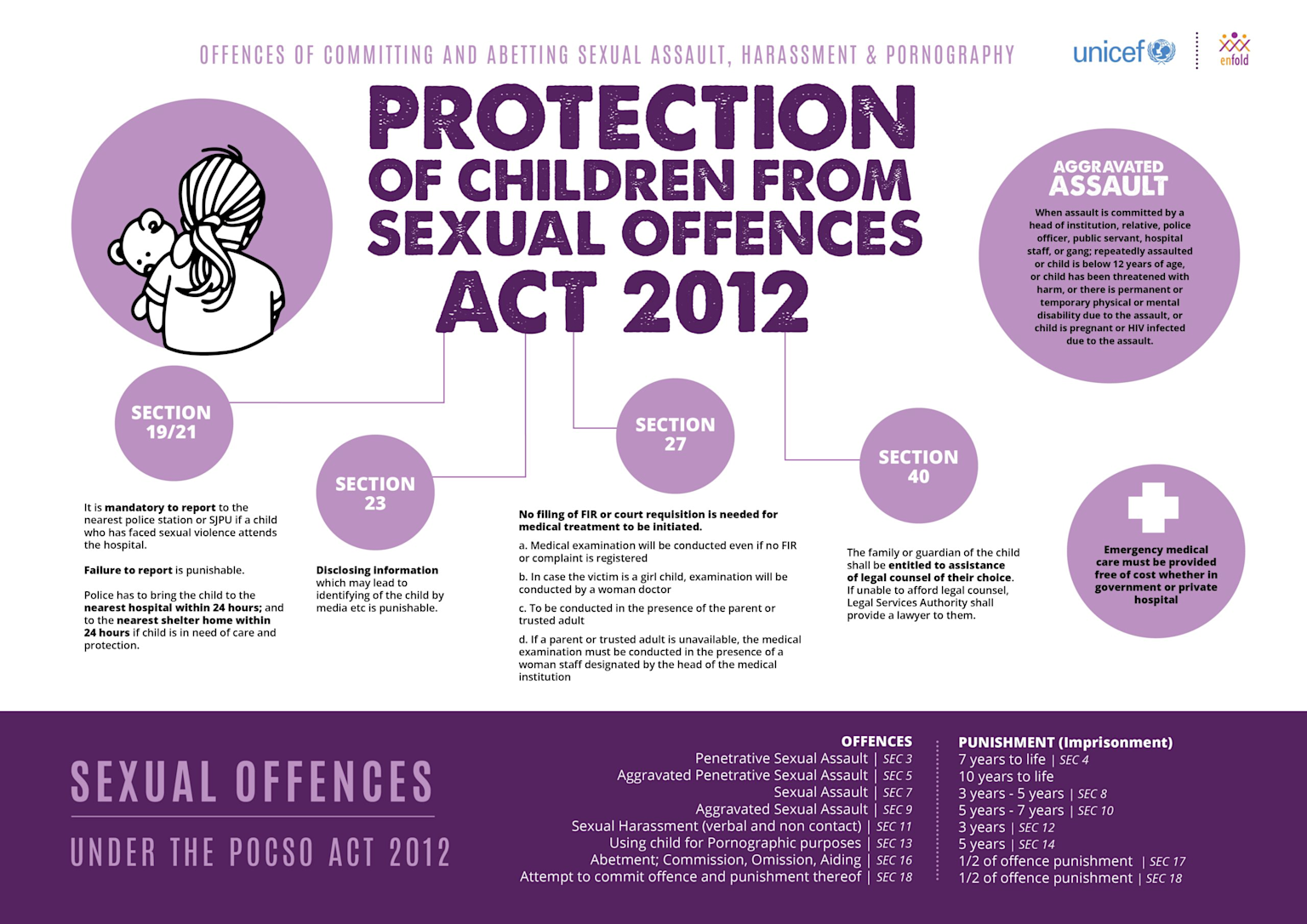
Summary of key provisions and offences under the Protection of Children from Sexual Offences Act 2012 in India, promoting child safety and mandatory reporting enfoldindia
Kidnapping and Human Trafficking
Kidnapping and abduction of women showed alarming increases, with 88,605 cases recorded nationally at a rate of 13.1 per lakh women. Delhi reported the highest numbers with 5,681 kidnapping cases, followed by Mumbai with 1,798.
The human trafficking data reveals particularly disturbing trends. Delhi alone reported 151 women targeted in 44 trafficking cases and 82 cases involving 746 children. These numbers likely represent only the tip of the iceberg, as trafficking often goes unreported.
POCSO Act Implementation: Protecting Children
The Protection of Children from Sexual Offences Act has become a crucial tool in addressing crimes against children. Nationally, POCSO cases have increased significantly, with states like Telangana reporting 3,154 cases and Delhi recording 1,757 cases.
What particularly concerns me is the pattern of POCSO cases in metropolitan areas. Hyderabad recorded 508 POCSO cases, while Telangana ranked sixth nationally in child pornography cases with 74 incidents. These statistics suggest that urban areas, despite better law enforcement infrastructure, continue to struggle with child protection.
Chargesheeting and Conviction Patterns
The efficiency of the justice system varies dramatically across states. The national chargesheeting rate for crimes against women stands at 77.6%, but state-wise variations are significant. Telangana leads with an 88.1% chargesheeting rate, well above the national average.
However, high chargesheeting rates don’t necessarily translate to convictions. My analysis of judicial data reveals that conviction rates vary from 95% in Mizoram to just 15% in Assam. This disparity highlights systemic issues in the criminal justice system that require urgent attention.
Regional Disparities and Emerging Patterns
North vs South: Different Crime Profiles
Northern states generally show higher absolute numbers but varying crime rates. UP’s relatively low crime rate of 58.6 compared to its massive population demonstrates that large numbers don’t always indicate higher risk. However, states like Haryana (110.3) and Rajasthan (114.8) show concerning per capita rates.
Southern states present mixed patterns. Kerala, despite its reputation for social progress, reports significant crime numbers with 16,025 cases against women. Telangana’s high crime rate of 124.9 places it second nationally, raising questions about urbanization’s impact on crime.
Eastern and Western Contrasts
West Bengal’s 34,691 cases represent a slight decrease from previous years, while Maharashtra’s 47,101 cases show the challenges facing India’s most industrialized state. Gujarat’s relatively low numbers of 7,731 cases suggest different socio-economic factors at play.
Eastern states like Odisha show high crime rates of 112.4, while Bihar’s lower rate of 34.0 may reflect under-reporting rather than actual safety. These regional variations highlight the complex interplay between development, urbanization, and crime patterns.
Cybercrime and Digital Age Threats
The digital revolution has created new categories of crimes against women and children. Cybercrimes against women increased by 31.2% in 2023, with most cases related to fraud and online harassment. However, Delhi reported relatively fewer cybercrime cases with just 36 incidents, while Bengaluru led with 127 cases and Hyderabad recorded 53 cases.
Child pornography cases represent a growing concern, with Telangana ranking sixth nationally with 74 cases and Hyderabad topping all metropolitan cities with 15 cases. These numbers likely underrepresent the actual scale of digital exploitation affecting children.
Impact of COVID-19 and Post-Pandemic Trends
The post-pandemic period has shown interesting crime patterns. Overall crime rates have returned to pre-2020 levels, with some categories showing increases. Domestic violence cases show persistent high numbers, suggesting that pandemic-related stress and economic pressures continue to impact family dynamics.
Child abuse cases have increased by 9.2%, which may reflect both actual increases and improved reporting mechanisms following increased awareness during the pandemic. The role of online education and increased digital exposure in facilitating crimes against children requires urgent attention.
Law Enforcement Response and Challenges
Police Infrastructure and Response
The chargesheeting rate improvements across several states indicate enhanced police capacity. Telangana’s 88.1% rate and Delhi’s 69.9% rate for women’s crime cases show systematic improvements in case preparation.
However, significant challenges remain. Nearly one-third of cases remain under investigation nationally, indicating resource constraints and systemic bottlenecks. Police training programs and resource allocation continue to require substantial improvements.
Specialized Units and Initiatives
The establishment of women’s helplines, pink booths, and specialized investigation units has contributed to improved reporting and response. Delhi police credit active patrolling and expanded pink booths for the reduction in certain crime categories.
Digital policing initiatives and surveillance infrastructure investments have shown positive results in metropolitan areas. However, rural areas continue to struggle with basic infrastructure and trained personnel.
Socio-Economic Factors and Root Causes
Poverty and Crime Correlation
My analysis reveals strong correlations between economic distress and certain crime categories. States with higher poverty rates often show different crime patterns, with property crimes and domestic violence showing particular sensitivity to economic conditions.
Migration patterns also influence crime statistics. States receiving large migrant populations often show increased crime rates, reflecting both actual increases and improved detection capabilities in urban areas.
Educational Impact
States with higher literacy rates don’t necessarily show lower crime rates, but they often demonstrate better reporting mechanisms and higher chargesheeting rates. Kerala’s high crime rate of 86.1 may partly reflect better reporting culture rather than actual higher incidence.
Educational interventions targeting gender sensitization and child protection awareness show promising results in several states, though measuring direct causal impact remains challenging.
Recommendations and Way Forward
Immediate Policy Interventions
Based on my analysis of NCRB Data 2025 state-wise patterns, several immediate interventions are crucial:
Enhanced Resource Allocation: States with high crime rates like Delhi, Telangana, and Rajasthan require immediate resource augmentation for specialized units dealing with women’s and children’s crimes.
Technology Integration: Digital case management systems and real-time crime mapping can significantly improve response times and investigation quality.
Interstate Coordination: Given the interstate nature of many crimes, particularly trafficking and kidnapping, enhanced coordination mechanisms are essential.
Long-term Structural Reforms
Judicial System Strengthening: The vast disparities in conviction rates demand systematic judicial reforms, including specialized courts and judge training programs.
Community Engagement: Grassroots awareness programs and community policing initiatives have shown positive results and require scaling up.
Prevention Focus: Moving beyond reactive responses to preventive strategies requires sustained commitment to education, economic empowerment, and social change.
Conclusion: Charting a Path Forward
The NCRB Data 2025 state-wise analysis reveals a complex landscape of violence against women and children that defies simple solutions. While some states have made significant progress in reporting and response mechanisms, the overall picture remains deeply concerning.
The persistence of domestic violence as the dominant crime category highlights the need for fundamental shifts in social attitudes and support systems. The rising crimes against children, particularly under POCSO, demand immediate attention to protection mechanisms and preventive strategies.
Metropolitan cities like Delhi, despite better infrastructure and resources, continue to show alarming crime rates, suggesting that urbanization without adequate social support systems creates new vulnerabilities.
As we move forward, the focus must shift from merely recording crime to actively preventing it. The NCRB data should serve not just as statistical record but as a call to action for comprehensive reforms in law enforcement, judicial systems, and social structures.
Every statistic in this analysis represents a life disrupted, a family devastated, and a community failed. The time for incremental change has passed; what we need now is transformative action that addresses root causes while strengthening immediate response capabilities.
The safety of women and children is not just a law and order issue—it’s a measure of our civilization’s progress. The NCRB Data 2025 state-wise trends show we have a long way to go, but they also provide the roadmap for getting there.
Frequently Asked Questions
Q1: Which state has the highest crime rate against women according to NCRB 2025 data?
According to NCRB 2023 data (latest available), Delhi has the highest crime rate against women at 133.6 cases per lakh female population, followed by Telangana at 124.9 and Rajasthan at 114.8. While Uttar Pradesh reports the highest absolute numbers (66,381 cases), its crime rate of 58.6 per lakh women is below the national average of 66.2.
Q2: What are the most common types of crimes against children as per NCRB data?
The most prevalent crimes against children include cases under the POCSO Act (Protection of Children from Sexual Offences), kidnapping and abduction, and various forms of assault. Delhi leads with the highest crime rate against children at 128.5 per lakh child population, with 1,757 POCSO cases and 5,648 kidnapping cases reported in 2023.
Q3: How do NCRB crime statistics help in understanding state-wise safety for women and children?
NCRB statistics provide both absolute numbers and crime rates per lakh population, offering a comprehensive view of safety across states. The data reveals that high absolute numbers don’t always indicate higher risk—states like UP have high total cases but lower per capita rates due to large populations. This helps policymakers allocate resources more effectively and identify states requiring immediate intervention based on actual risk levels rather than just raw numbers.