


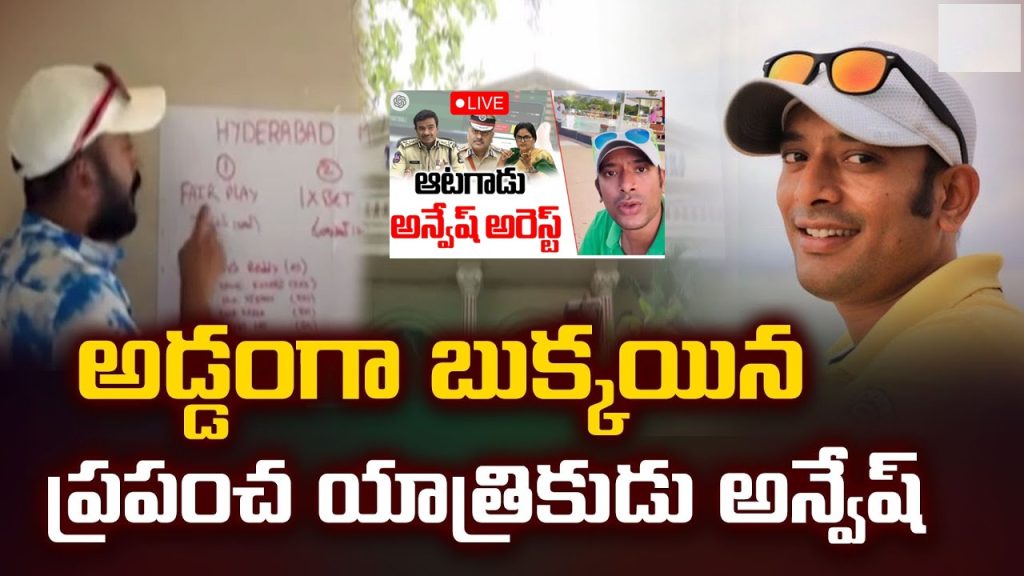
Introduction to the Anvesh Controversy
The digital landscape thrives on influencers who shape public opinion, but what happens when those influencers cross legal and ethical lines? Anvesh, a Visakhapatnam-based YouTuber with 2.4 million subscribers on his “Naa Anveshana” channel, has built a reputation for his humorous travel vlogs and socially conscious content. Recently, however, his focus shifted to exposing the promotion of betting apps in Telangana, a topic that has sparked both admiration and controversy. His latest video, which alleged that high-ranking Telangana officials, including the Director General of Police (DGP) Jitender and several IAS officers, were involved in a Rs 300 crore betting app scam, ignited a firestorm. The Cyberabad Cybercrime Police responded swiftly, filing a suo motu case against Anvesh for disseminating what they call “baseless and defamatory” claims. This article unpacks the layers of this controversy, examining the allegations, the legal proceedings, and the broader implications for influencers and digital content creation.
The Rise of Naa Anveshana: Anvesh’s Journey to Fame
Before diving into the controversy, it’s essential to understand Anvesh’s background and the platform that propelled him to stardom. Anvesh launched “Naa Anveshana” as a travel vlogging channel, documenting his adventures across India and beyond with a unique blend of humor and cultural commentary. His relatable persona and engaging storytelling quickly amassed a loyal following, with 2.4 million YouTube subscribers and 2 million Instagram followers. His content often resonates with Telugu-speaking audiences, blending entertainment with social awareness.
In recent months, Anvesh pivoted to addressing social issues, particularly the proliferation of online betting apps in Telangana and Andhra Pradesh. His campaign against these apps gained traction, earning praise from some quarters, including former police commissioner VC Sajjanar, who has championed the #SayNoToBettingApps movement. However, this shift also placed Anvesh in the crosshairs of legal and public scrutiny, setting the stage for the current controversy.
Why Betting Apps Are a Hot-Button Issue in Telangana
Online betting apps have become a growing concern in Telangana, where they are banned under the Telangana Gaming Act of 2017. Despite the ban, these platforms continue to operate covertly, often promoted through social media influencers and celebrities. Reports suggest that transactions worth thousands of crores have occurred through these apps, leading to financial ruin for many users, particularly young adults. The Telangana government has cracked down on such promotions, with Chief Minister Revanth Reddy announcing the formation of a Special Investigation Team (SIT) to probe the issue.
Anvesh’s videos aimed to expose this ecosystem, naming Tollywood actors, influencers, and even a betting app called “Govinda” that allegedly exploited religious sentiments. His efforts initially garnered support, but his latest allegations against senior officials crossed a line, prompting legal action and widespread criticism.
The Allegations That Sparked the Case
In a now-infamous video, Anvesh claimed that Telangana DGP Jitender, Hyderabad Metro Rail Managing Director NVS Reddy, and IAS officers Shanti Kumari, Dana Kishore, and Vikas Raj were complicit in a Rs 300 crore betting app scam. He alleged that these officials accepted bribes to allow the promotion of betting apps through advertisements on Hyderabad Metro Rail premises. Anvesh further claimed that transactions worth Rs 1,000 crore had occurred through these apps, implicating not only officials but also Tollywood celebrities and social media influencers.
These explosive accusations lacked concrete evidence, according to the Cyberabad Police, who labeled them “completely false and misleading.” The video’s release coincided with heightened scrutiny of betting app promotions, following a Telangana High Court notice to Hyderabad Metro Rail Limited (HMRL) for hosting such advertisements. HMRL promptly removed the ads, but Anvesh’s claims escalated the controversy, drawing the ire of authorities.
The Legal Response: Cyberabad Police Take Action
On May 4, 2025, the Cyberabad Cybercrime Police registered a First Information Report (FIR) against Anvesh, acting on a complaint by A. Naveen Kumar, a constable in the social media cell of the Cyberabad Police Commissionerate. The FIR accused Anvesh of spreading unverified information that damaged the credibility of senior officials and incited public distrust in the government. The police also suggested that the video contained “anti-national undertones” and posed a threat to public order.
The case was filed under various sections of the Bharatiya Nyaya Sanhita, the Telangana Gaming Act, and the Information Technology Act, reflecting the severity of the allegations. The police’s swift response underscores the government’s commitment to curbing misinformation, especially in a state grappling with the societal impact of illegal betting apps.
Social Media Backlash: A Divided Audience
Anvesh’s allegations have polarized his audience, sparking heated debates across YouTube, Instagram, and X. While some fans applaud his boldness in tackling a sensitive issue, others criticize him for reckless sensationalism. Posts on X, such as one from @TNewsTelugu on May 4, 2025, highlighted the case’s registration, while @Hyderabad_Mail noted the controversy’s viral spread. Many netizens expressed disappointment, arguing that Anvesh’s credibility as an influencer has taken a hit.
Critics have also pointed to inconsistencies in Anvesh’s content. While he condemns betting apps, some of his earlier videos contained explicit or double-meaning dialogues, which detractors label as “crude” or “inappropriate.” These videos, often addressing topics like prostitution, have fueled accusations of hypocrisy, with users questioning how Anvesh justifies such content while positioning himself as a social crusader.
The Role of Influencer Responsibility
The Anvesh controversy raises critical questions about the responsibilities of social media influencers. With a massive following, influencers like Anvesh wield significant influence over public opinion. However, this power comes with the duty to verify information and avoid spreading unverified claims. The Cyberabad Police’s action against Anvesh serves as a warning to influencers to tread carefully when addressing sensitive topics.
The backlash also highlights the double-edged sword of social media fame. While Anvesh’s campaign against betting apps initially earned him praise, his latest video has alienated some supporters and drawn legal scrutiny. This case underscores the need for influencers to balance activism with accountability, ensuring their content aligns with ethical and legal standards.
The Broader Context: Telangana’s Crackdown on Betting Apps
Anvesh’s case is part of a larger crackdown on betting app promotions in Telangana. In recent months, the Hyderabad and Cyberabad Police have filed cases against numerous celebrities and influencers, including Tollywood stars like Rana Daggubati, Vijay Devarakonda, and Prakash Raj, for endorsing illegal betting platforms. These actions followed complaints from citizens and public interest litigations, such as one that prompted the Telangana High Court to address metro-based betting ads.
The government’s response has been multifaceted, combining legal action with public awareness campaigns. VC Sajjanar’s #SayNoToBettingApps initiative has gained traction, encouraging influencers to create awareness videos. Chief Minister Revanth Reddy’s announcement of an SIT to investigate the betting app ecosystem signals a zero-tolerance approach to this “organized international crime.”
The Impact of Betting Apps on Society
The proliferation of betting apps has had devastating consequences in Telangana, with reports of financial losses, family distress, and even suicides linked to gambling addiction. These apps often lure users with promises of tax-free winnings and easy money, exploiting vulnerable populations. Anvesh’s initial efforts to expose this issue resonated with many, but his recent allegations have shifted focus to his own credibility.
The Telangana government’s aggressive stance aims to dismantle the financial networks behind these apps and hold promoters accountable. However, the challenge lies in navigating the complex interplay of legal, social, and technological factors that enable these platforms to thrive.
What’s Next for Anvesh?
As the legal proceedings unfold, all eyes are on Anvesh and the Cyberabad Police. Will Anvesh be summoned to Hyderabad for questioning? Can he substantiate his claims with evidence? The answers to these questions will shape the trajectory of this controversy and Anvesh’s future as an influencer.
Anvesh’s next moves will be crucial. He could choose to double down on his allegations, potentially escalating the legal battle, or issue a public apology to mitigate the damage. Either way, the case has already tarnished his reputation, with many fans questioning his judgment. The outcome of the investigation will also set a precedent for how authorities handle similar cases involving influencers and misinformation.
Lessons for Content Creators
The Anvesh controversy offers valuable lessons for content creators:
- Verify Before You Amplify: Always substantiate claims with credible evidence, especially when targeting public figures or institutions.
- Align Content with Values: Ensure your content reflects the principles you advocate, avoiding contradictions that undermine credibility.
- Understand Legal Boundaries: Familiarize yourself with laws related to defamation, misinformation, and online content to avoid legal repercussions.
- Engage Responsibly: Use your platform to foster constructive dialogue rather than sensationalism or division.
The Role of Social Media Platforms in Curbing Misinformation
The Anvesh case also highlights the role of platforms like YouTube in managing controversial content. While YouTube provides a stage for creators to reach millions, it also bears responsibility for moderating content that violates community guidelines or spreads misinformation. The platform’s algorithms often amplify sensational videos, which can exacerbate controversies like this one.
YouTube could take proactive steps, such as flagging unverified claims or promoting fact-checked content, to mitigate the spread of misinformation. Collaborating with local authorities to address region-specific issues, like betting app promotions in Telangana, could further enhance platform accountability.
Conclusion: Navigating the Fine Line Between Activism and Accountability
Anvesh’s journey from a beloved travel vlogger to a controversial figure underscores the complexities of digital influence. His campaign against betting apps began with noble intentions but veered into murky territory with unverified allegations. The resulting legal action and public backlash serve as a cautionary tale for influencers navigating the intersection of activism and accountability.
As Telangana continues its crackdown on betting apps, the Anvesh controversy highlights the broader societal stakes. From protecting vulnerable communities to upholding the integrity of public institutions, the fight against illegal betting requires collective effort. For Anvesh, the path forward involves rebuilding trust and demonstrating a commitment to responsible content creation. For his audience and fellow creators, the case is a reminder to critically evaluate the voices they follow and the causes they champion.
In a world where a single video can spark a movement or a scandal, the Anvesh controversy is a stark reminder of the power—and peril—of digital influence. As the investigation progresses, the outcome will reverberate beyond Telangana, shaping the future of influencer culture and online accountability.