


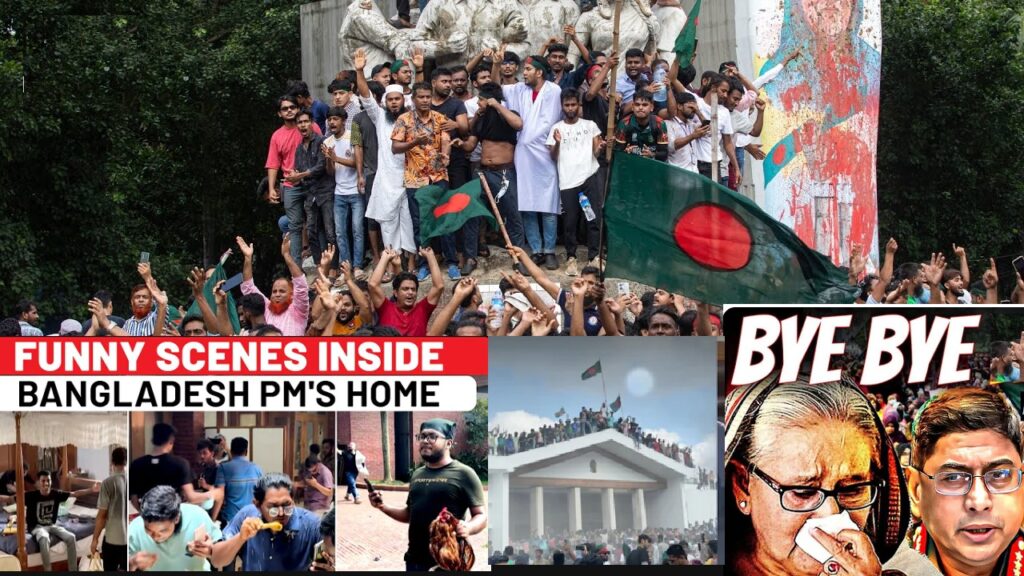
Bangladesh is on the cusp of monumental change as long-time leader Sheikh Hasina exits the political stage. Her departure marks the end of an era and the beginning of new challenges and opportunities for this South Asian nation. In this article, we will explore the events leading to Hasina’s resignation, the role of student protests, and what the future may hold for Bangladesh in terms of governance and democracy.

The Last Days of Sheikh Hasina’s Rule
Sheikh Hasina’s tenure as the Prime Minister of Bangladesh has been fraught with controversy and allegations of authoritarianism. Her rule came to a dramatic end on August 5, 2024, when she fled the country amidst widespread protests and civil unrest. Hasina’s government had become increasingly unpopular due to policies that many saw as unjust, including a controversial quota system for government jobs.
The Controversial Quota System
The quota system reintroduced by Hasina allocated 30% of government jobs to the descendants of freedom fighters, despite their minuscule presence in the population. This move was perceived as an attempt to place her loyalists in key positions, causing outrage among students and citizens who demanded merit-based opportunities. The students’ demand for reform led to massive protests that the government initially tried to suppress with force.
Escalation of Student Protests
Student protests have historically played a significant role in Bangladesh’s political landscape, and this time was no different. Students took to the streets, demanding an end to the quota system and expressing their frustration with Hasina’s autocratic rule. The government responded with severe crackdowns, leading to tragic violence and loss of life. Reports suggest that the Awami League’s student wing, along with law enforcement, used brutal force against protesters, resulting in numerous casualties.
The Role of the Army
As the situation escalated, the Bangladesh Army played a pivotal role in the unfolding drama. Initially, there were concerns that the military might side with the government, but as tensions rose, the army chose not to fire on protesters. This decision proved critical, as it signaled a shift in power dynamics and ultimately led to Hasina’s resignation.
Army’s Neutral Stance
The army’s refusal to label the protesters as terrorists and its decision to refrain from violence highlighted the growing divide between Hasina and the military establishment. On August 3, the Army Chief announced that the military would stand with the people, further isolating Hasina and hastening her departure from office.
The Aftermath: A New Beginning for Bangladesh
With Hasina’s resignation, Bangladesh stands at a crossroads. The immediate challenge is to restore order and ensure a peaceful transition to an interim government. The army has stepped in to stabilize the situation, but questions remain about the future of governance in Bangladesh.
Formation of an Interim Government
The army has announced the formation of an interim government tasked with restoring peace and organizing free and fair elections. This government must address the deep-seated issues that led to the protests, including systemic corruption and the lack of political freedom.
The Rise of Student Power
The student movement that played a crucial role in ousting Hasina is now seen as a potential force for change. Many hope that these young leaders will help shape the future of Bangladesh by participating in the interim government and advocating for democratic reforms.
Challenges Ahead for Bangladesh
While the departure of Sheikh Hasina offers hope for a more democratic Bangladesh, significant challenges remain. The interim government must navigate a complex political landscape, balancing the demands of various factions and ensuring stability.
Potential Threats from Fundamentalist Forces
One of the major concerns is the potential rise of fundamentalist forces in the power vacuum created by Hasina’s exit. Bangladesh has a history of political instability and extremist influence, and the new leadership must work to prevent these elements from gaining ground.
Maintaining Regional and International Relations
Another critical aspect is managing Bangladesh’s foreign relations, particularly with India. Sheikh Hasina was considered an ally by India, and her departure may alter the geopolitical dynamics in the region. The interim government must also address concerns related to Bangladesh’s relationships with Pakistan and China.
The Path Forward: Embracing Democratic Change
As Bangladesh transitions into this new phase, the focus must be on building a strong democratic foundation that empowers its citizens and promotes inclusivity.
Encouraging Political Participation
One of the key steps is to encourage political participation from diverse groups, including students, women, and minorities. This inclusivity will be essential in creating a representative government that reflects the will of the people.
Strengthening Democratic Institutions
Reforming and strengthening democratic institutions is crucial for ensuring accountability and transparency. This includes a free press, an independent judiciary, and a robust electoral system that prevents manipulation and fosters genuine competition.
Investing in Education and Employment
Bangladesh’s future success also depends on addressing the socio-economic challenges faced by its youth. With a significant portion of the population being young and unemployed, the government must prioritize education and job creation to harness this demographic dividend effectively.
Conclusion: Hope for a Democratic Bangladesh
The departure of Sheikh Hasina marks a significant turning point in Bangladesh’s history. While challenges remain, there is a renewed sense of hope and determination among the people to build a democratic and prosperous nation. By embracing change and fostering inclusive governance, Bangladesh can move towards a brighter future, where its citizens have a voice and the opportunity to shape their destiny.