


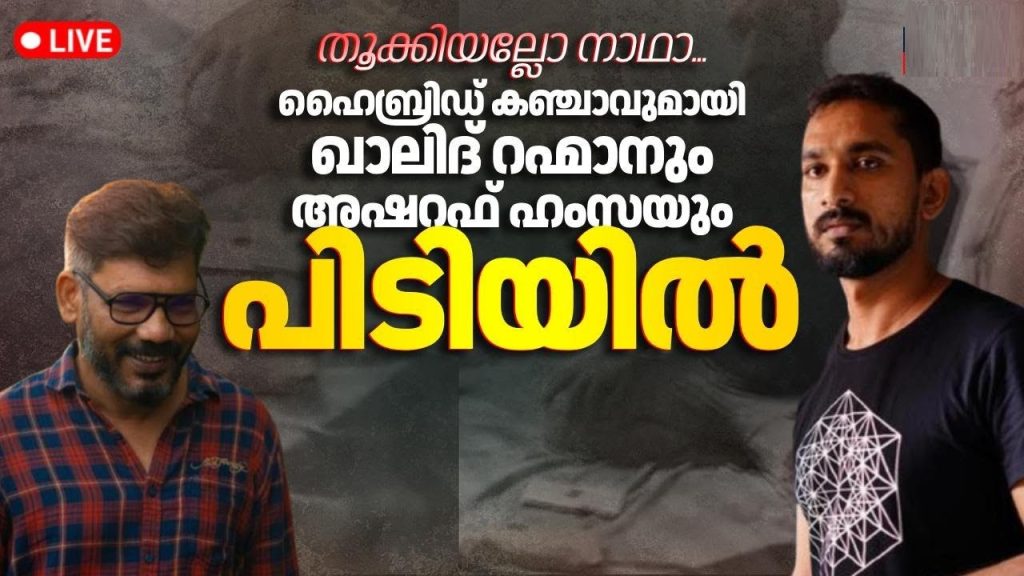
The Malayalam film industry faces a significant controversy as the Film Employees Federation of Kerala (FEFKA) takes decisive action against directors Khalid Rahman and Ashraf Hamsa, arrested in Kochi with hybrid cannabis. This incident has sparked widespread discussion, raising questions about drug use in the cinema industry and the accountability of its prominent figures. This comprehensive article delves into the incident, FEFKA’s response, the legal implications, and the broader impact on the Malayalam film industry, offering unique insights to inform and engage readers.
Understanding the Incident: Directors Arrested in Kochi
On a late night in Kochi, the Excise Department apprehended directors Khalid Rahman and Ashraf Hamsa, along with a third individual, in possession of 1.6 grams of hybrid cannabis. Acting on a tip-off, the authorities conducted a raid at the Grand Bay flat complex near Goshree Bridge around 11 PM. The suspects were found with the illicit substance and drug paraphernalia, prepared for use. Following their arrest, the trio underwent medical examinations and were released on station bail due to the small quantity of cannabis seized.
This incident marks a troubling moment for the Malayalam film industry, as it involves well-known figures like Khalid Rahman, celebrated for films such as Anuraga Karikkin Vellam and Unda, and Ashraf Hamsa, a recognized name in the industry. The arrests have prompted FEFKA to issue directives to the Directors’ Union, signaling a firm stance against drug-related offenses within the industry.
Key Details of the Arrest:
- Location: Grand Bay flat complex, Kochi
- Time: Approximately 11 PM
- Substance: 1.6 grams of hybrid cannabis
- Outcome: Station bail granted due to the small quantity
FEFKA’s Response: A Call for Accountability
FEFKA, the governing body representing film industry workers in Kerala, has taken a proactive approach to address the situation. The federation instructed the Directors’ Union to initiate disciplinary measures against Khalid Rahman and Ashraf Hamsa. FEFKA’s leadership emphasized that once a case is registered, swift action will follow, reinforcing their zero-tolerance policy toward drug-related misconduct.
Khalid Rahman’s membership in FEFKA has been confirmed, ensuring that the organization will proceed with disciplinary actions against him. However, Ashraf Hamsa’s status remains unclear, with FEFKA conducting further investigations to determine his affiliation. This distinction highlights the federation’s commitment to due process while addressing the allegations.
FEFKA’s Stance on Drug Offenses:
- Immediate action upon case registration
- Disciplinary measures for members involved in illegal activities
- Ongoing investigations to clarify membership status
This is not the first instance of FEFKA addressing drug-related issues. Previously, a makeup artist was apprehended with cannabis, prompting a similar response. The federation’s consistent approach underscores its dedication to maintaining the industry’s integrity.
Legal Implications: Understanding Station Bail and Drug Laws
The decision to grant station bail to Khalid Rahman, Ashraf Hamsa, and their accomplice stems from the small quantity of cannabis seized—1.6 grams. Under Indian law, specifically the Narcotic Drugs and Psychotropic Substances (NDPS) Act, offenses involving small quantities of cannabis (less than 1 kilogram) are eligible for bail. This legal provision allowed the trio to be released without immediate incarceration, though the case remains active.
The Excise Department has registered a case against the individuals and plans to expand its investigation. Authorities aim to trace the source of the cannabis, focusing on the supply chain and potential intermediaries. The third individual, Shalif Mohammed, reportedly received the substance from a middleman near the flat, prompting further inquiries to dismantle the distribution network.
Key Legal Points:
- NDPS Act: Governs drug-related offenses in India
- Small Quantity Threshold: Less than 1 kilogram allows for bail
- Ongoing Investigation: Focus on supply chain and intermediaries
The legal proceedings will likely influence the disciplinary actions taken by FEFKA and the Directors’ Union, as the outcome of the case could impact the directors’ professional standing.
The Role of the Flat: A Connection to Sameer Thahir
A significant revelation in the investigation is the ownership of the flat where the arrests occurred. The property belongs to Sameer Thahir, a renowned cinematographer and director known for films like Bangalore Days and Kali. According to the Excise Department, the flat served as a hub for film-related discussions but had allegedly become a center for drug use. Evidence suggests that drug consumption was a regular occurrence at the location, raising concerns about its misuse.
The Excise Department plans to summon Sameer Thahir for questioning to clarify his involvement, if any, in the incident. While there is no direct evidence implicating Thahir, the association of his property with illicit activities has drawn scrutiny. This development highlights the need for vigilance in managing spaces used by industry professionals.
Implications for Sameer Thahir:
- Potential questioning by the Excise Department
- Scrutiny over the misuse of his property
- Broader industry implications for property management
Expanding the Investigation: Targeting Film Industry Spaces
The arrests have prompted the Excise Department to broaden its investigation, with a focus on film industry spaces, including film sets. There have been longstanding calls to address drug use in such environments, and this incident has intensified those demands. Authorities aim to identify and disrupt any networks facilitating drug distribution within the industry.
The investigation’s expansion reflects a growing concern about substance abuse in the Malayalam film industry. By targeting film sets and related spaces, the Excise Department seeks to send a strong message that drug-related activities will not be tolerated, regardless of the individuals involved.
Focus Areas of the Investigation:
- Film sets and industry-related locations
- Supply chain and intermediaries
- Preventive measures to curb drug use
The Broader Impact on the Malayalam Film Industry
The arrests of Khalid Rahman and Ashraf Hamsa have far-reaching implications for the Malayalam film industry, which has long been celebrated for its artistic excellence and storytelling. The incident risks tarnishing the industry’s reputation, prompting stakeholders to address systemic issues related to substance abuse.
1. Reputation and Public Perception The involvement of high-profile directors in a drug-related case could erode public trust in the industry. Fans and audiences may question the integrity of their favorite filmmakers, necessitating a robust response from industry bodies like FEFKA to restore confidence.
2. Professional Consequences For Khalid Rahman and Ashraf Hamsa, the incident could lead to professional setbacks. FEFKA’s disciplinary actions may include suspension or expulsion from the organization, limiting their ability to work on future projects. Additionally, the ongoing legal case could result in further repercussions, depending on the investigation’s findings.
3. Industry Reforms The controversy has sparked discussions about the need for reforms within the Malayalam film industry. These include stricter oversight of film sets, mandatory drug testing for crew members, and awareness campaigns to educate professionals about the risks of substance abuse. FEFKA’s proactive stance could pave the way for such initiatives.
4. Impact on Upcoming Projects Khalid Rahman, known for his critically acclaimed films, may face delays or cancellations of upcoming projects due to the controversy. Similarly, Ashraf Hamsa’s career trajectory could be affected, depending on the outcome of FEFKA’s actions and the legal proceedings.
Addressing Drug Use in the Film Industry: A Call to Action
The incident underscores the need for a comprehensive approach to tackle drug use in the film industry. While the arrests of Khalid Rahman and Ashraf Hamsa have brought the issue to the forefront, it is essential to address the root causes and implement preventive measures.
Proposed Solutions:
- Industry-Wide Policies: Establish clear guidelines on drug use, with penalties for violations.
- Education and Awareness: Conduct workshops to educate industry professionals about the dangers of substance abuse.
- Support Systems: Provide counseling and rehabilitation programs for individuals struggling with addiction.
- Collaboration with Authorities: Work closely with law enforcement to monitor and prevent drug-related activities on film sets.
By adopting these measures, the Malayalam film industry can demonstrate its commitment to maintaining a safe and professional environment for all its members.
The Role of FEFKA in Shaping Industry Standards
FEFKA’s response to the incident highlights its critical role in upholding industry standards. As the representative body for film workers, FEFKA has the authority to enforce disciplinary measures and advocate for reforms. Its swift action in this case sends a clear message that drug-related offenses will face consequences, regardless of an individual’s status.
FEFKA’s leadership must balance accountability with fairness, ensuring that disciplinary actions are based on evidence and due process. The federation’s ongoing investigations into Ashraf Hamsa’s membership status and its collaboration with the Directors’ Union demonstrate a commitment to transparency.
FEFKA’s Responsibilities:
- Enforce disciplinary measures
- Advocate for industry reforms
- Maintain transparency in investigations
Public Reaction and Media Coverage
The arrests have generated significant media attention, with news outlets and social media platforms buzzing with reactions. Fans of Khalid Rahman have expressed shock and disappointment, while others have called for a thorough investigation to uncover the truth. The incident has also sparked debates about the prevalence of drug use in the film industry and the need for stricter regulations.
Social media platforms, particularly X, have seen a mix of opinions, with some users defending the directors and others condemning their actions. The polarized reactions underscore the complexity of the issue and the need for a balanced approach in addressing it.
Key Public Sentiments:
- Shock and disappointment among fans
- Calls for stricter regulations
- Debates over accountability and fairness
Conclusion: A Turning Point for the Malayalam Film Industry
The arrests of Khalid Rahman and Ashraf Hamsa mark a critical moment for the Malayalam film industry. FEFKA’s decisive response, coupled with the Excise Department’s ongoing investigation, signals a commitment to addressing drug-related issues head-on. As the industry navigates this controversy, it has an opportunity to implement reforms that strengthen its integrity and reputation.
By fostering a culture of accountability, transparency, and support, the Malayalam film industry can emerge stronger from this incident. The actions taken by FEFKA, the Directors’ Union, and law enforcement will play a pivotal role in shaping the industry’s future, ensuring that it remains a beacon of creativity and professionalism.
Call to Action: Stay informed about developments in this case and support initiatives to create a drug-free film industry. Share your thoughts on how the industry can address these challenges and promote a positive environment for all its members.