Site icon Telangana NavaNirmana Sena

Jio Financial Services Share Updates and Innovative Financial Solutions

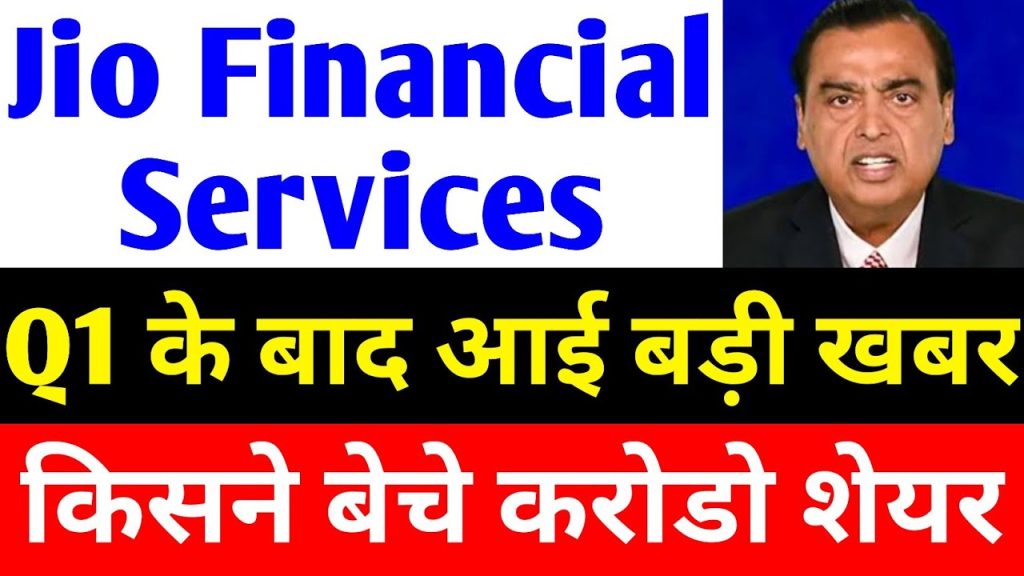
Jio Financial Services continues to make waves in India's dynamic financial landscape as we move through 2025. This powerhouse, born from the Reliance Industries ecosystem, blends cutting-edge technology with accessible financial products. Investors and consumers alike keep a close eye on its stock performance, innovative offerings like low-cost ITR filing, and strategic partnerships that promise growth. In this comprehensive guide, we dive deep into the latest developments, analyzing how Jio Financial positions itself as a market leader. Whether you seek stock insights or details on new services, this article equips you with everything you need to know about Jio Financial Services in 2025. Jio Financial Services Stock Price and Performance in 2025: A Detailed Breakdown Jio Financial Services stock captures significant attention from investors in 2025. As of August 21, 2025, the stock trades at approximately Rs 323.85 on both BSE and NSE, marking a slight dip of about 1.5% from the previous close. This minor decline reflects broader market fluctuations, but the overall trajectory shows resilience. The stock opened at Rs 329.00 on NSE, with a day range between Rs 322.55 and Rs 329.45. Over the past week, it posted a return of -0.65%, indicating a subtle downward trend, yet it remains 10.79% below its 52-week high of Rs 363.00. Looking back, Jio Financial Services has demonstrated impressive growth since its listing in August 2023. The stock's all-time high reached Rs 394.70, while the low hit Rs 198.65, showcasing volatility typical of a young fintech player. Market capitalization stands strong at Rs 205,746 crore, underscoring its position as a large-cap entity in the financial sector. Trading volume remains robust, with an average 20-day volume of over 15 million shares and delivery percentage at 38.43%, signaling healthy investor interest. Analysts offer mixed but optimistic views. For instance, Deven Choksey recommended a buy at Rs 307.25 with a target of Rs 325 in July 2025. KRChoksey echoed this sentiment earlier in the year, targeting Rs 286 from Rs 260.15. Community sentiment on platforms like Moneycontrol leans heavily toward "Buy," with 83% of users favoring it. This positivity stems from the company's expansion into diverse sectors, including banking, insurance, and wealth management. In the first quarter of FY26 (ending June 2025), Jio Financial reported a consolidated net profit of Rs 325 crore, up 3.8% year-over-year from Rs 313 crore. Revenue surged 47% to Rs 612 crore, driven by higher interest income and operational efficiencies. Operating profit reached Rs 254.73 crore, with margins at an impressive 91%. These figures highlight the company's ability to scale amid economic challenges. Compared to peers, Jio Financial's price-to-earnings ratio of 126.50 towers above the sector average of 28.19, suggesting premium valuation due to growth expectations. Its price-to-book ratio of 1.51 and low debt-to-equity of 0.03 indicate a solid balance sheet. ROE at 1.30% remains modest, but improvements in profit margins signal potential upside. Investors should monitor upcoming events, such as the Annual General Meeting on August 28, 2025, where discussions on fund raising and dividends could influence the stock. With promoter holding steady at 47.12%, stability persists. Mutual Fund Investments in Jio Financial Services: July 2025 Insights Mutual funds play a pivotal role in shaping Jio Financial Services' stock narrative. In July 2025, a whopping 107 mutual funds ramped up their investments in the company, contrasting with just 46 that exited positions. This net buying spree resulted in an addition of approximately 5.15 million shares, reflecting strong institutional confidence. Quant Mutual Fund, led by Sandeep Tandon, made headlines by reducing its stake significantly. The fund offloaded about 1.53 crore shares, bringing its holding down to 14.94 crore from 16.47 crore in June. This move aligned with Quant's broader portfolio adjustments, including cuts in stocks like Reliance Industries and HDFC Life Insurance. Despite this, Quant Small Cap Fund increased its overall exposure to Jio Financial, holding 6.04 crore shares by July end. HDFC Mutual Fund also tweaked its position, reducing stakes in Jio Financial while boosting holdings in 24 other stocks, such as Adani Enterprises and HDFC Bank. PPFAS Mutual Fund, on the other hand, added to its portfolio, increasing shares from 50.54 lakh to 53.86 lakh. This influx of mutual fund money underscores Jio Financial's appeal as a growth story. The company's foray into mutual funds via the Jio BlackRock joint venture further fuels this interest. In early July 2025, Jio BlackRock launched its first New Fund Offers (NFOs) for overnight, liquid, and money market funds, following SEBI approvals. This partnership with BlackRock aims to disrupt the sector with low-cost, digital-first products, targeting small-ticket investors. Industry experts predict that such institutional backing will stabilize the stock amid volatility. With total mutual fund shareholding contributing to the company's 47.1% promoter stake, Jio Financial emerges as a favorite for long-term portfolios. Revolutionary ITR Filing Plans by Jio Financial: Affordable and Accessible Options in 2025 Jio Financial Services revolutionizes tax filing with its ultra-affordable plans in 2025. The standout offering? A self-filing ITR plan at just Rs 24, partnered with TaxBuddy. This game-changer targets simple returns, allowing users to file ITR-1 independently via the JioFinance app. Users benefit from minimal costs for nil or zero ITRs, especially those with straightforward Form-16 transactions. However, it lacks CA guidance, making it unsuitable for complex cases like capital gains or foreign investments. For those needing support, Jio offers a Rs 999 plan with tax manager assistance, ideal for incomes under Rs 50 lakh. Charges escalate for higher incomes, up to Rs 1,250. Competitors like TaxWin (Rs 49) and MyITReturn (Rs 99) provide similar self-filing options, but Jio's pricing undercuts them significantly. The extended deadline for FY 2024-25 ITRs to September 15, 2025, gives users ample time to explore these tools. Data privacy raises concerns. Under the Digital Personal Data Protection Act 2023, Jio must clarify data retention and sharing policies. Critics worry about potential data harvesting for cross-selling insurance or loans. Jio counters this by emphasizing secure, user-controlled processes, but clearer guidelines could boost adoption. This initiative aligns with Jio's digital transformation strategy, making financial services inclusive. As more guidelines emerge, expect wider acceptance among young taxpayers. Strategic Partnerships Driving Jio Financial Services' Growth in 2025 Partnerships form the backbone of Jio Financial Services' expansion strategy in 2025. The most notable is the 50:50 reinsurance joint venture with Allianz, announced in July. This collaboration combines Jio's tech prowess with Allianz's global expertise, targeting general and life insurance opportunities. The Jio BlackRock alliance continues to thrive, securing SEBI nods for five passive funds in July. Focusing on low-cost equity and debt products, it aims to capture India's burgeoning mutual fund market by year-end. Jio also ventures into wealth management with a new subsidiary, investing Rs 1 lakh initially. This move complements its NBFC operations, where AUM reached Rs 11,665 crore in Q1 FY26. These tie-ups enhance Jio's ecosystem, from broking to insurance, positioning it as a one-stop financial hub. Future plans include sustainable practices, like reducing carbon emissions by 30% by 2025. In-Depth Financial Analysis: Strengths, Limitations, and Key Metrics for Jio Financial Services Jio Financial Services boasts robust financial health in 2025. Profit after tax margin climbed 8.20%, while operating income grew at a three-year CAGR of 75.6%. Profit growth over the past three years hit 48.38%, with sales rising to Rs 2,238 crore in TTM. Net profit for March 2024 stood at Rs 1,625 crore, up from Rs 165 crore, with EPS at Rs 2.55. The company declared its first 20% dividend, rewarding shareholders. Limitations persist: ROE at 1.45% and ROC at 1.72% lag peers, while provisions surged 250%. Expenses climbed to Rs 576 crore, impacting margins. Despite these, operating profit increased to Rs 1,661 crore, and profit before tax reached Rs 1,965 crore. With low debt and strong revenue growth, Jio Financial eyes substantial upside. Future Outlook for Jio Financial Services: Opportunities and Challenges Ahead Jio Financial Services gears up for a stellar future in 2025 and beyond. Analysts forecast share prices around Rs 331 by year-end, driven by digital expansions. The Ambanis plan to infuse Rs 16,000 crore, bolstering operations. Challenges include regulatory hurdles and data privacy issues, but opportunities in insurance and mutual funds abound. As India digitizes finance, Jio's innovative approach could propel it to market leadership. In conclusion, Jio Financial Services embodies innovation and growth. Investors should conduct thorough research or consult advisors before diving in, as market dynamics evolve rapidly.

Jio Financial Services continues to make waves in India’s dynamic financial landscape as we move through 2025. This powerhouse, born from the Reliance Industries ecosystem, blends cutting-edge technology with accessible financial products. Investors and consumers alike keep a close eye on its stock performance, innovative offerings like low-cost ITR filing, and strategic partnerships that promise growth. In this comprehensive guide, we dive deep into the latest developments, analyzing how Jio Financial positions itself as a market leader. Whether you seek stock insights or details on new services, this article equips you with everything you need to know about Jio Financial Services in 2025.

Jio Financial Services Stock Price and Performance in 2025: A Detailed Breakdown

Jio Financial Services stock captures significant attention from investors in 2025. As of August 21, 2025, the stock trades at approximately Rs 323.85 on both BSE and NSE, marking a slight dip of about 1.5% from the previous close. This minor decline reflects broader market fluctuations, but the overall trajectory shows resilience. The stock opened at Rs 329.00 on NSE, with a day range between Rs 322.55 and Rs 329.45. Over the past week, it posted a return of -0.65%, indicating a subtle downward trend, yet it remains 10.79% below its 52-week high of Rs 363.00.

Looking back, Jio Financial Services has demonstrated impressive growth since its listing in August 2023. The stock’s all-time high reached Rs 394.70, while the low hit Rs 198.65, showcasing volatility typical of a young fintech player. Market capitalization stands strong at Rs 205,746 crore, underscoring its position as a large-cap entity in the financial sector. Trading volume remains robust, with an average 20-day volume of over 15 million shares and delivery percentage at 38.43%, signaling healthy investor interest.

Analysts offer mixed but optimistic views. For instance, Deven Choksey recommended a buy at Rs 307.25 with a target of Rs 325 in July 2025. KRChoksey echoed this sentiment earlier in the year, targeting Rs 286 from Rs 260.15. Community sentiment on platforms like Moneycontrol leans heavily toward “Buy,” with 83% of users favoring it. This positivity stems from the company’s expansion into diverse sectors, including banking, insurance, and wealth management.

In the first quarter of FY26 (ending June 2025), Jio Financial reported a consolidated net profit of Rs 325 crore, up 3.8% year-over-year from Rs 313 crore. Revenue surged 47% to Rs 612 crore, driven by higher interest income and operational efficiencies. Operating profit reached Rs 254.73 crore, with margins at an impressive 91%. These figures highlight the company’s ability to scale amid economic challenges.

Compared to peers, Jio Financial’s price-to-earnings ratio of 126.50 towers above the sector average of 28.19, suggesting premium valuation due to growth expectations. Its price-to-book ratio of 1.51 and low debt-to-equity of 0.03 indicate a solid balance sheet. ROE at 1.30% remains modest, but improvements in profit margins signal potential upside.

Investors should monitor upcoming events, such as the Annual General Meeting on August 28, 2025, where discussions on fund raising and dividends could influence the stock. With promoter holding steady at 47.12%, stability persists.

Mutual Fund Investments in Jio Financial Services: July 2025 Insights

Mutual funds play a pivotal role in shaping Jio Financial Services’ stock narrative. In July 2025, a whopping 107 mutual funds ramped up their investments in the company, contrasting with just 46 that exited positions. This net buying spree resulted in an addition of approximately 5.15 million shares, reflecting strong institutional confidence.

Quant Mutual Fund, led by Sandeep Tandon, made headlines by reducing its stake significantly. The fund offloaded about 1.53 crore shares, bringing its holding down to 14.94 crore from 16.47 crore in June. This move aligned with Quant’s broader portfolio adjustments, including cuts in stocks like Reliance Industries and HDFC Life Insurance. Despite this, Quant Small Cap Fund increased its overall exposure to Jio Financial, holding 6.04 crore shares by July end.

HDFC Mutual Fund also tweaked its position, reducing stakes in Jio Financial while boosting holdings in 24 other stocks, such as Adani Enterprises and HDFC Bank. PPFAS Mutual Fund, on the other hand, added to its portfolio, increasing shares from 50.54 lakh to 53.86 lakh.

This influx of mutual fund money underscores Jio Financial’s appeal as a growth story. The company’s foray into mutual funds via the Jio BlackRock joint venture further fuels this interest. In early July 2025, Jio BlackRock launched its first New Fund Offers (NFOs) for overnight, liquid, and money market funds, following SEBI approvals. This partnership with BlackRock aims to disrupt the sector with low-cost, digital-first products, targeting small-ticket investors.

Industry experts predict that such institutional backing will stabilize the stock amid volatility. With total mutual fund shareholding contributing to the company’s 47.1% promoter stake, Jio Financial emerges as a favorite for long-term portfolios.

Revolutionary ITR Filing Plans by Jio Financial: Affordable and Accessible Options in 2025

Jio Financial Services revolutionizes tax filing with its ultra-affordable plans in 2025. The standout offering? A self-filing ITR plan at just Rs 24, partnered with TaxBuddy. This game-changer targets simple returns, allowing users to file ITR-1 independently via the JioFinance app.

Users benefit from minimal costs for nil or zero ITRs, especially those with straightforward Form-16 transactions. However, it lacks CA guidance, making it unsuitable for complex cases like capital gains or foreign investments. For those needing support, Jio offers a Rs 999 plan with tax manager assistance, ideal for incomes under Rs 50 lakh. Charges escalate for higher incomes, up to Rs 1,250.

Competitors like TaxWin (Rs 49) and MyITReturn (Rs 99) provide similar self-filing options, but Jio’s pricing undercuts them significantly. The extended deadline for FY 2024-25 ITRs to September 15, 2025, gives users ample time to explore these tools.

Data privacy raises concerns. Under the Digital Personal Data Protection Act 2023, Jio must clarify data retention and sharing policies. Critics worry about potential data harvesting for cross-selling insurance or loans. Jio counters this by emphasizing secure, user-controlled processes, but clearer guidelines could boost adoption.

This initiative aligns with Jio’s digital transformation strategy, making financial services inclusive. As more guidelines emerge, expect wider acceptance among young taxpayers.

Strategic Partnerships Driving Jio Financial Services’ Growth in 2025

Partnerships form the backbone of Jio Financial Services’ expansion strategy in 2025. The most notable is the 50:50 reinsurance joint venture with Allianz, announced in July. This collaboration combines Jio’s tech prowess with Allianz’s global expertise, targeting general and life insurance opportunities.

The Jio BlackRock alliance continues to thrive, securing SEBI nods for five passive funds in July. Focusing on low-cost equity and debt products, it aims to capture India’s burgeoning mutual fund market by year-end.

Jio also ventures into wealth management with a new subsidiary, investing Rs 1 lakh initially. This move complements its NBFC operations, where AUM reached Rs 11,665 crore in Q1 FY26.

These tie-ups enhance Jio’s ecosystem, from broking to insurance, positioning it as a one-stop financial hub. Future plans include sustainable practices, like reducing carbon emissions by 30% by 2025.

In-Depth Financial Analysis: Strengths, Limitations, and Key Metrics for Jio Financial Services

Jio Financial Services boasts robust financial health in 2025. Profit after tax margin climbed 8.20%, while operating income grew at a three-year CAGR of 75.6%. Profit growth over the past three years hit 48.38%, with sales rising to Rs 2,238 crore in TTM.

Net profit for March 2024 stood at Rs 1,625 crore, up from Rs 165 crore, with EPS at Rs 2.55. The company declared its first 20% dividend, rewarding shareholders.

Limitations persist: ROE at 1.45% and ROC at 1.72% lag peers, while provisions surged 250%. Expenses climbed to Rs 576 crore, impacting margins.

Despite these, operating profit increased to Rs 1,661 crore, and profit before tax reached Rs 1,965 crore. With low debt and strong revenue growth, Jio Financial eyes substantial upside.

Future Outlook for Jio Financial Services: Opportunities and Challenges Ahead

Jio Financial Services gears up for a stellar future in 2025 and beyond. Analysts forecast share prices around Rs 331 by year-end, driven by digital expansions. The Ambanis plan to infuse Rs 16,000 crore, bolstering operations.

Challenges include regulatory hurdles and data privacy issues, but opportunities in insurance and mutual funds abound. As India digitizes finance, Jio’s innovative approach could propel it to market leadership.

In conclusion, Jio Financial Services embodies innovation and growth. Investors should conduct thorough research or consult advisors before diving in, as market dynamics evolve rapidly.

Exit mobile version