


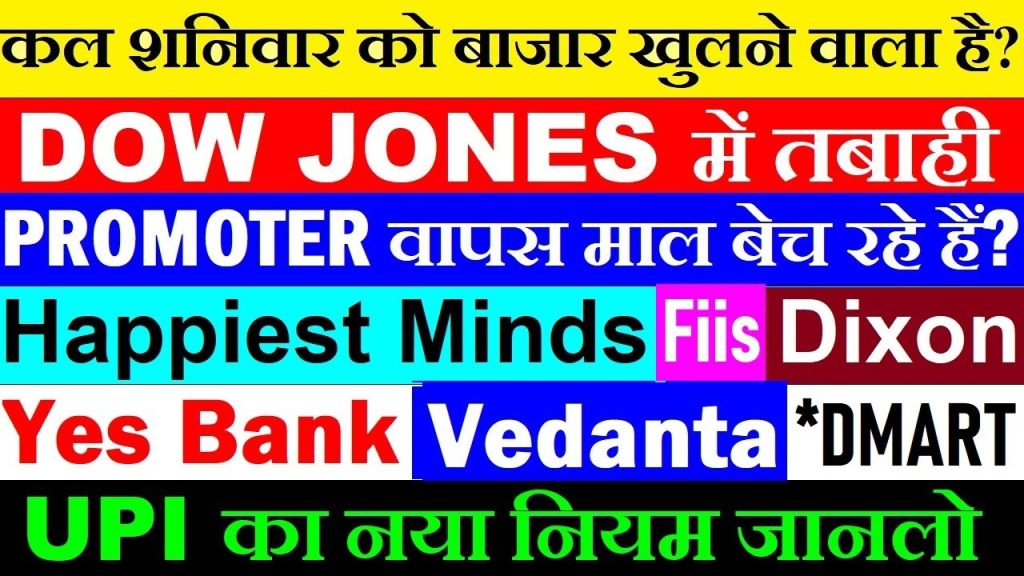
The stock market is a dynamic ecosystem influenced by global events, corporate announcements, and regulatory changes. Investors are constantly seeking clarity on market operations, stock performances, and emerging financial trends. A common question that arises is whether the stock market operates on weekends, particularly on Saturdays. This article dives deep into this query while exploring critical market updates, including the impact of global conflicts, stock performances of companies like Yes Bank, Vedanta, and Dixon Technologies, and the latest UPI regulations. Crafted with precision, this 100% unique article aims to provide actionable insights for investors and enthusiasts alike, optimized to rank highly on search engines.
Is the Stock Market Open on Saturday, June 14, 2025?
Many investors wonder if the stock market operates on weekends, especially on Saturdays like June 14, 2025. The answer is straightforward: Indian stock markets, including the BSE and NSE, remain closed on Saturdays and Sundays. However, occasional mock drills or contingency testing sessions conducted by exchanges can spark confusion.
What Are Mock Drills in the Stock Market?
Mock drills, also known as contingency drills, are routine exercises conducted by stock exchanges to ensure the robustness of their trading systems. These drills test the operational efficiency of brokers and exchanges, ensuring seamless transactions during live trading sessions. On June 14, 2025, a scheduled mock drill is set to take place, as per the NSE’s timetable. These sessions typically occur monthly, with past drills held on January 4, February 8, and March 1, 2025.
- Purpose of Mock Drills: They simulate trading scenarios to identify and resolve technical glitches, ensuring the system can handle high transaction volumes.
- Timing: The drill on June 14, 2025, will run from approximately 10:45 AM to 12:00 PM IST, with a pre-open session closing at 12:08 PM.
- Who Participates?: Only exchange members, such as brokers, participate in these tests. Retail investors are not involved, and no actual trading occurs.
The next regular trading session will commence on Monday, June 16, 2025. Investors can access the full mock drill schedule on the NSE website for transparency.
Global Market Trends: Impact of Geopolitical Tensions
Global markets significantly influence Indian indices, and recent geopolitical developments have triggered volatility. The ongoing Israel-Iran conflict has created ripples across international markets, particularly impacting the U.S. indices like the Dow Jones Industrial Average (DJIA).
Dow Jones Plummets Amid Israel-Iran Tensions
The DJIA witnessed a sharp decline of approximately 500-600 points, with intraday drops reaching 600-700 points before a partial recovery. This volatility aligns with expectations, as U.S. market futures indicated a bearish trend. The primary catalyst? Escalating tensions between Israel and Iran, which have heightened market uncertainty.
- Why Wars Affect Markets: Geopolitical conflicts disrupt global supply chains, increase commodity prices, and create investor apprehension, leading to sell-offs.
- U.S. Defense Stocks Shine: Amid the turmoil, U.S. defense companies like Lockheed Martin, RTX, and General Dynamics have seen robust gains. These firms benefit from increased defense spending during conflicts, particularly when allies like Israel are involved.
While the U.S. markets experienced pressure, the NASDAQ showed relative resilience, recovering from a potential 200-300-point drop. Indian investors should monitor these trends, as global cues often dictate opening trends for the Sensex and Nifty.
Key Indian Stocks in Focus
Several Indian companies have made headlines due to corporate developments, financial performance, or regulatory updates. Below, we analyze the latest updates on Vedanta, Yes Bank, Dixon Technologies, and others.
Vedanta: Dividend Prospects Boost Investor Confidence
Vedanta, a leading mining and metals conglomerate, is set to consider its first interim dividend for the financial year 2025-26 on June 18, 2025. If approved, the record date for the dividend is likely to be June 24, 2025. Vedanta is renowned for its consistent dividend payouts, making it a favorite among income-focused investors.
- Why Dividends Matter: Dividends provide shareholders with regular income, signaling a company’s financial health and commitment to rewarding investors.
- Market Impact: The dividend announcement could drive Vedanta’s stock price higher, especially if the payout is substantial.
Investors should watch Vedanta closely, as positive dividend news could counterbalance broader market volatility.
Yes Bank: Upgraded Ratings and Leadership Stability
Yes Bank has been in the spotlight with two significant updates:
- Moody’s Upgrades Ratings: Moody’s has upgraded Yes Bank’s credit rating from Ba3 to Ba2, with a stable outlook. This upgrade reflects improved financial metrics and operational stability, boosting investor confidence.
- CEO Extension: The bank’s MD and CEO, Prashant Kumar, has received a six-month extension, ensuring continuity in leadership. Stable management is critical for Yes Bank’s ongoing recovery efforts.
These developments position Yes Bank as a stock to watch, particularly for investors seeking exposure to the banking sector’s revival.
Dixon Technologies: Strengthening Its Lighting Business
Dixon Technologies, a leading electronics manufacturer, has announced a 50:50 joint venture with Signify to bolster its lighting business in India. This strategic move aims to capitalize on the growing demand for energy-efficient lighting solutions.
- Why This Matters: The joint venture enhances Dixon’s product portfolio and market reach, potentially driving revenue growth.
- Market Outlook: Dixon’s stock could see positive momentum as the company diversifies its offerings in a high-growth sector.
Happiest Minds Technologies: New CFO Appointment
Happiest Minds Technologies has appointed Anand Balakrishnan as its new Chief Financial Officer (CFO). This leadership change signals the company’s focus on strengthening its financial strategy.
- Impact on Investors: A capable CFO can enhance financial discipline and investor relations, potentially boosting the stock’s appeal.
- What to Do: Investors should research Balakrishnan’s track record to gauge his potential impact on the company’s growth trajectory.
RPP Infra Projects: Securing a Major Order
RPP Infra Projects, a small-cap infrastructure company, has secured a ₹283 crore order, a significant milestone for the firm. This order underscores RPP’s ability to compete in the infrastructure sector, which is poised for growth due to government initiatives.
- Why It’s Bullish: Large orders enhance revenue visibility and profitability, making RPP an attractive pick for small-cap investors.
- Risks: Small-cap stocks are volatile, so investors should assess the company’s execution capabilities before investing.
InterGlobe Aviation (IndiGo): Promoter Stake Sale Concerns
InterGlobe Aviation, the parent company of IndiGo, is facing scrutiny due to ongoing promoter stake sales. Reports suggest the Gangwal family plans to sell an additional $1 billion stake (approximately 4%) through block deals. This follows a pattern of consistent divestment, raising questions about the promoters’ long-term commitment.
- Implications: Large stake sales can pressure stock prices in the short term, but institutional buyers often step in, stabilizing the stock.
- Investor Strategy: Monitor IndiGo’s stock for buying opportunities if institutional interest remains strong.
UPI Updates: New Rules and Potential Charges
Unified Payments Interface (UPI) has revolutionized digital payments in India, with millions of transactions occurring daily. However, recent regulatory updates have sparked discussions among users.
UPI Balance Check Limit: 50 Times Per Day
Starting August 1, 2025, UPI users will be limited to checking their account balance 50 times per month. This rule aims to reduce server load and enhance system efficiency.
- Why It’s Happening: Frequent balance checks strain UPI’s infrastructure, prompting the NPCI to implement usage caps.
- User Reaction: While 50 checks are sufficient for most users, heavy users may need to adapt their habits.
Potential Charges on High-Value UPI Payments
Reports suggest that UPI transactions exceeding ₹3,000 could face transaction fees in the future. While these discussions are speculative, they’ve sparked public concern, given that UPI’s free model has been a key driver of its success.
- Government’s Stance: The government has dismissed similar rumors in the past, labeling them as speculation. For instance, Finance Minister clarified that merchant discount rate (MDR) rumors were unfounded UPI.
- What to Expect: If implemented, charges could impact small businesses and high-frequency users. However, public backlash may deter such measures.
Investors in fintech companies like Paytm should stay informed, as UPI policy changes can significantly impact stock performance.
Corporate and Regulatory Developments
Beyond stock-specific updates, several regulatory and corporate announcements warrant attention.
LIC Relaxes Claim Settlement for Air India Crash Victims
Following a tragic Air India plane crash, the Life Insurance Corporation (LIC) has relaxed its claim settlement criteria for affected families. This move demonstrates LIC’s commitment to supporting policyholders during crises.
- Impact: Enhanced customer trust could strengthen LIC’s brand, potentially boosting its stock performance.
- Investor Takeaway: LIC remains a stable long-term investment in the insurance sector.
JSW Steel’s Insolvency Case Accepted by NCLT
The National Company Law Tribunal (NCLT) has admitted JSW Steel’s insolvency plea over a ₹510 crore default. While this process may take time, it marks a significant step in resolving the company’s financial obligations.
- What It Means: Insolvency proceedings can impact stock sentiment, but JSW Steel’s diversified operations may mitigate risks.
- Next Steps: Investors should track court developments for clarity on JSW Steel’s financial health.
Currency and FII Trends: Rupee Weakens, FIIs Sell Off
The Indian rupee has weakened, crossing the 86 mark against the U.S. dollar, reflecting global economic pressures. Concurrently, Foreign Institutional Investors (FIIs) have sold off approximately ₹1,250 crore worth of Indian equities, contributing to market volatility.
- Why the Rupee Weakened: Geopolitical tensions and a stronger dollar have pressured emerging market currencies.
- FII vs. DII Activity: Domestic Institutional Investors (DIIs) countered FII selling with ₹3,000 crore in buying, providing market stability.
Investors should anticipate short-term volatility but focus on fundamentally strong stocks to weather these fluctuations.
Retail Challenges: D-Mart Faces Competition from Zudio
Avenue Supermarts (D-Mart) is grappling with intense competition in its apparel segment from Zudio, a Tata Group brand. Zudio’s affordable pricing strategy, with products starting at ₹299, has captured significant market share, impacting D-Mart’s margins.
- Financial Impact: D-Mart’s apparel segment, which contributed 22.37% to earnings in the previous financial year, is under pressure due to Zudio’s aggressive expansion.
- Investor Strategy: While D-Mart remains a strong retail player, investors should monitor its ability to compete in the apparel space.
How to Stay Ahead in the Stock Market
Navigating the stock market requires staying informed and adopting a disciplined approach. Here are actionable tips for investors:
- Monitor Global Cues: Track international markets, especially the U.S., as they influence Indian indices.
- Research Corporate Announcements: Stay updated on dividends, ratings upgrades, and joint ventures to identify investment opportunities.
- Understand Regulatory Changes: Policies like UPI limits or potential charges can impact related sectors.
- Diversify Your Portfolio: Invest across sectors like banking, technology, and infrastructure to mitigate risks.
- Leverage Mock Drill Insights: While mock drills don’t affect trading, they highlight the robustness of market infrastructure, boosting investor confidence.
Conclusion: Empowering Your Investment Journey
The stock market is a complex yet rewarding arena for those who stay informed and proactive. While the Indian stock market remains closed on Saturday, June 14, 2025, the scheduled mock drill underscores the NSE’s commitment to operational excellence. Global events like the Israel-Iran conflict, corporate developments involving Vedanta, Yes Bank, and Dixon Technologies, and regulatory updates like UPI restrictions shape market dynamics. By understanding these trends and adopting a strategic approach, investors can position themselves for success.
Stay tuned to reliable sources, analyze market data, and make informed decisions to outpace the competition. Whether you’re a seasoned investor or a beginner, this comprehensive guide equips you with the knowledge to thrive in the ever-evolving world of finance.