


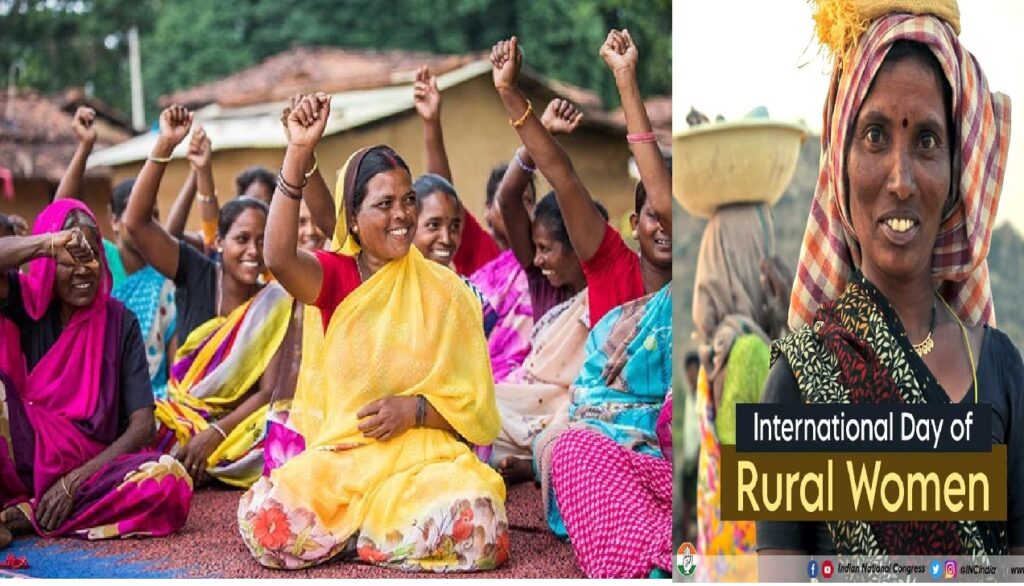
The International Day of Rural Women and National Women Farmer’s Day (Rashtriya Mahila Kisan Diwas), observed on October 15, serve to honor the invaluable contributions of rural women to agriculture, rural development, and poverty eradication. These two significant days, declared by the United Nations and the Government of India respectively, emphasize the need for recognizing rural women’s vital roles in shaping sustainable futures.
The Origins of the International Day of Rural Women and National Women Farmer’s Day
The International Day of Rural Women was officially established by the United Nations General Assembly in 2007, aimed at highlighting rural women’s contributions to their families, communities, and the global economy. It is also a call to promote gender equality and empower women to overcome challenges that hinder their development, such as limited access to resources, education, and healthcare.
On the other hand, Rashtriya Mahila Kisan Diwas, initiated in 2016 by the Government of India’s Ministry of Agriculture, celebrates the immense role of women in agricultural practices, from sowing to harvesting and everything in between. This day serves as a platform to highlight their indispensable contribution to India’s agricultural output.
Key Roles of Rural Women in Agriculture and Rural Development
Rural women are the backbone of agricultural production and food security. Globally, 43% of the agricultural labor force consists of women, contributing significantly to food production, household sustenance, and rural economies. In developing countries like India, rural women perform a wide array of tasks, including planting, fertilizing, weeding, and harvesting crops, as well as managing livestock and collecting resources like water and firewood.
Despite these contributions, rural women often remain underrepresented and undervalued in decision-making processes, agricultural policies, and economic development strategies. This disparity is further compounded by gender-based challenges such as land ownership restrictions, unequal access to resources, and lower wages compared to their male counterparts.
Significance of the International Day of Rural Women
The International Day of Rural Women draws global attention to the critical need for empowering rural women through education, skill development, and economic opportunities. By addressing issues like land ownership rights, equitable access to financial resources, and modern farming technology, governments and organizations can create a more inclusive and supportive environment for rural women.
This day also acknowledges the challenges that rural women face, such as poverty, discrimination, and limited access to healthcare, and aligns with global goals for sustainable development. Through collective efforts, rural women’s roles in agricultural resilience, food security, and community well-being can be strengthened.
Challenges Faced by Rural Women in Agriculture
Despite their essential contributions, rural women face numerous challenges that restrict their productivity and livelihood potential. Some of the key barriers include:
- Lack of Land Ownership: Many rural women lack legal rights to own or inherit land, limiting their access to essential resources.
- Limited Access to Credit: Without land ownership or formal employment, women often find it challenging to obtain financial support or loans.
- Inefficient Farming Tools: Most agricultural machinery is designed for men, making it difficult for women to operate them effectively.
- Increased Workload: Rural women juggle multiple responsibilities, including household chores and caregiving, which adds to their work burden with minimal compensation.
- Wage Disparity: Women farmers are often paid less than their male counterparts, even for the same work.
Government Initiatives to Support Women Farmers
Recognizing the pivotal role of women in agriculture, the Indian Government has implemented several schemes to promote the welfare of women farmers. These initiatives aim to ensure that at least 30% of the budget under various agricultural programs is allocated to women beneficiaries. Some notable programs include:
- Mahila Kisan Sashaktikaran Pariyojana (MKSP): Aims to empower women in agriculture through training and skill development.
- National Mission on Sustainable Agriculture: Focuses on enhancing productivity while ensuring sustainability in agricultural practices.
- DAY-NRLM (Deendayal Antyodaya Yojana – National Rural Livelihoods Mission): Provides financial and technical assistance to rural women for self-employment and entrepreneurship.
These programs strive to address the systemic exclusion of women from agricultural benefits and services while promoting their active participation in the economy.
The Role of Rural Women in Environmental Sustainability and Climate Resilience
Rural women are not only central to agriculture but also play a crucial role in environmental conservation and climate resilience. They act as custodians of natural resources, employing traditional knowledge and sustainable farming practices to preserve biodiversity and combat environmental degradation. Their day-to-day involvement in managing water resources, conserving forests, and sustaining ecosystems makes them essential actors in climate adaptation strategies.
As climate change continues to impact rural communities, the role of women in building climate resilience becomes even more critical. Through sustainable land management and resource conservation, they help their communities adapt to erratic weather patterns, soil erosion, and declining agricultural yields.
Health, Well-Being, and Unpaid Care Work
In addition to their agricultural roles, rural women are often the primary caregivers in their households, managing healthcare, education, and nutrition for their families. They provide unpaid care work, such as caring for children, the elderly, and the sick, which remains unrecognized and undervalued in most economies. This burden of unpaid care work adds to their overall workload and limits their opportunities for personal and professional growth.
Building a More Equitable Future for Rural Women
The International Day of Rural Women and National Women Farmer’s Day call for immediate action to address the barriers faced by rural women and ensure that they have equal access to resources, opportunities, and rights. By focusing on gender equality and empowerment, these observances inspire governments, organizations, and individuals to support initiatives that uplift rural women and promote their roles in sustainable development.
To achieve these goals, it is essential to:
- Promote legal reforms to ensure equal land ownership rights for women.
- Increase investment in education, healthcare, and infrastructure in rural areas.
- Support women’s access to financial services and agricultural resources.
- Recognize and value unpaid care work, ensuring fair wages for women in caregiving roles.
Conclusion: Celebrating Rural Women’s Role in a Sustainable Future
As we celebrate the International Day of Rural Women and National Women Farmer’s Day, it is crucial to remember the indispensable role that rural women play in shaping sustainable communities and economies. Empowering these women through policy reforms, education, and economic opportunities will not only improve their lives but also contribute to the global fight against poverty, food insecurity, and climate change.
By recognizing their contributions and addressing their challenges, we can work toward a more equitable and sustainable future where rural women thrive alongside their communities.