Site icon Telangana NavaNirmana Sena

Indian Astronaut Sunita Williams Trapped in Space Amid Boeing Starliner Disaster

In a series of unforeseen events, Indian-origin astronaut Sunita Williams finds herself stuck in space following a major malfunction on Boeing’s Starliner spacecraft. The incident has shaken NASA, Boeing, and space enthusiasts worldwide, shedding light on the risks involved in manned space missions. What was supposed to be an eight-day mission to the International Space Station (ISS) has now turned into an extended stay for Williams and her fellow astronaut. The Boeing Starliner Mission: A Critical Test On June 5, 2024, Boeing’s Starliner spacecraft launched from the United States for a routine trip to the ISS. This mission, known as the Boeing Crew Flight Test (CFT), was designed to assess the capabilities of the Starliner, marking a significant milestone for Boeing as they aimed to become the second private company, after SpaceX, to develop a human orbital spacecraft. However, the mission encountered serious complications. After a successful docking at the ISS, the spacecraft faced multiple system failures, leaving the astronauts stranded. The spacecraft, still in its developmental phase, was intended to be Boeing’s answer to SpaceX’s success, but it now faces a daunting challenge. Starliner’s Mechanical Failures: A Closer Look The Starliner spacecraft encountered multiple issues, starting with helium leaks and faulty thrusters. Despite these concerns, the launch proceeded on June 5. Once the spacecraft reached the ISS, it was discovered that five out of 28 thrusters were malfunctioning. This prompted the mission commander, Butch Wilmore, to take manual control and reset the systems in coordination with ground engineers. The thrusters resumed function, but the recurring technical issues raised red flags. Engineers later identified that the spacecraft’s thrusters were overheating due to direct sunlight exposure, causing them to malfunction. While tests conducted in the absence of sunlight showed normal operations, concerns remained over the Starliner’s ability to safely return the astronauts to Earth. Extended Stay at the International Space Station Sunita Williams, alongside fellow astronaut Barry Wilmore, now faces an extended stay at the ISS. Originally scheduled for an eight-day mission, NASA has confirmed that the astronauts will remain at the station for up to eight months. The decision was made to prioritize their safety while Boeing and NASA work to resolve the Starliner’s technical problems. Despite being stranded, Williams and Wilmore are not in immediate danger. The ISS, a massive 350-foot-long structure, is well-equipped to sustain its crew with ample food, water, oxygen, and other essentials. The station features six sleeping areas, two bathrooms, a gym, and even a 360-degree viewing window. With these facilities, the astronauts can live comfortably and continue their scientific research. Life at the ISS: Research and Experiments The ISS is not merely a safe haven for the stranded astronauts; it serves as a hub for ongoing scientific research. Sunita Williams and Barry Wilmore, both highly experienced astronauts, have joined Expedition 71 and 72, working on cutting-edge experiments. These include studies on space botany, fluid shifts in microgravity, algae-based life support systems, and research on neurodegenerative diseases and therapies. Williams, known for her extensive experience in space, has already spent 322 days in orbit prior to this mission. As an astronaut of Indian origin, she follows in the footsteps of Kalpana Chawla, inspiring millions. Her current mission continues to add to her rich legacy in space exploration. Boeing Starliner: A Troubled Spacecraft Boeing’s Starliner was expected to rival SpaceX’s Crew Dragon in the commercial spaceflight market. The Starliner, officially named the Crew Space Transportation-100 (CST-100), is designed to transport astronauts to and from the ISS. It boasts a seating capacity for seven astronauts and operates in Earth’s orbit at speeds exceeding 28,000 kilometers per hour. However, the spacecraft’s series of failures have cast a shadow over Boeing’s aspirations. Engineers have struggled to pinpoint the root cause of the problems, and multiple leaks, malfunctions, and overheating issues have put the future of the Starliner program in jeopardy. Safety Measures and Future Plans Given the challenges with the Starliner, NASA has decided to use SpaceX’s Crew Dragon to safely return the astronauts. The Crew Dragon has a proven track record, having successfully transported astronauts to and from the ISS on multiple occasions. Sunita Williams and Barry Wilmore are expected to return to Earth in February 2025 aboard SpaceX’s spacecraft. NASA’s decision highlights the importance of prioritizing astronaut safety and avoiding the potential dangers of sending the astronauts back on the malfunctioning Starliner. Lessons Learned: Boeing’s Setback in Space Exploration Boeing’s Starliner program has encountered numerous setbacks, from delayed launches to system failures. The initial launch, scheduled for May 6, 2024, was delayed due to a faulty pressure valve. Further complications, including helium leaks and thruster issues, have raised questions about Boeing’s ability to deliver a reliable spacecraft for manned missions. Despite these challenges, Boeing remains committed to resolving the technical issues and ensuring the Starliner’s safe return to Earth. The company, along with NASA, is conducting extensive tests to identify the root cause of the failures and prevent similar incidents in the future. Conclusion: The Road Ahead for Boeing and NASA The Boeing Starliner disaster serves as a stark reminder of the complexities and risks involved in space exploration. While Sunita Williams and her fellow astronauts are safe for now, their prolonged stay in space underscores the need for rigorous testing and safety measures in manned space missions. As Boeing works to rectify the issues with the Starliner, NASA’s decision to rely on SpaceX’s Crew Dragon highlights the importance of having multiple options for crewed spaceflights. The incident will undoubtedly shape the future of commercial space travel, with safety remaining the top priority. For now, the world watches as Boeing and NASA work tirelessly to bring their astronauts home safely.

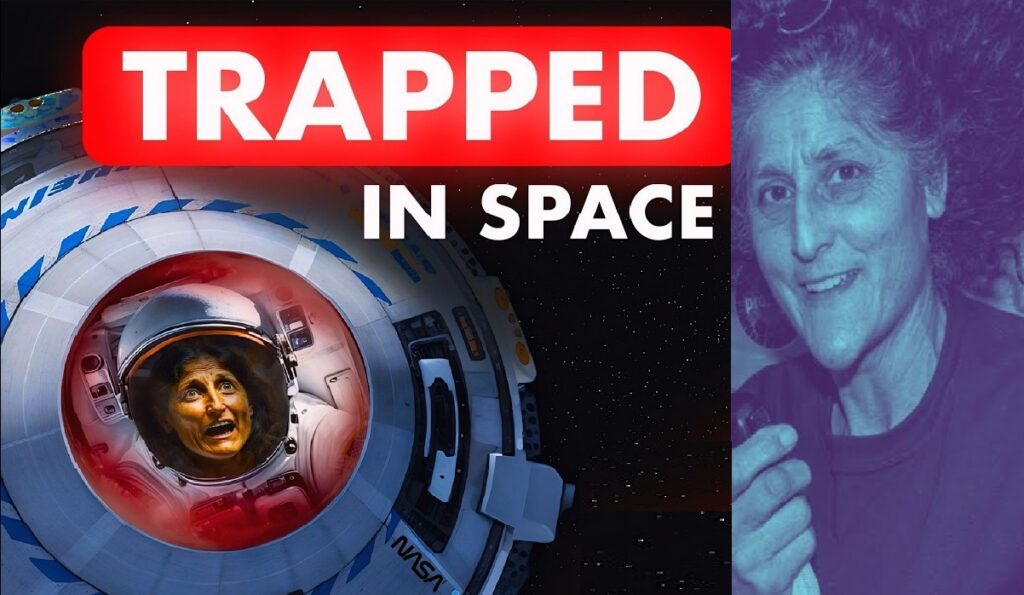
In a series of unforeseen events, Indian-origin astronaut Sunita Williams finds herself stuck in space following a major malfunction on Boeing’s Starliner spacecraft. The incident has shaken NASA, Boeing, and space enthusiasts worldwide, shedding light on the risks involved in manned space missions. What was supposed to be an eight-day mission to the International Space Station (ISS) has now turned into an extended stay for Williams and her fellow astronaut.

The Boeing Starliner Mission: A Critical Test

On June 5, 2024, Boeing’s Starliner spacecraft launched from the United States for a routine trip to the ISS. This mission, known as the Boeing Crew Flight Test (CFT), was designed to assess the capabilities of the Starliner, marking a significant milestone for Boeing as they aimed to become the second private company, after SpaceX, to develop a human orbital spacecraft.

However, the mission encountered serious complications. After a successful docking at the ISS, the spacecraft faced multiple system failures, leaving the astronauts stranded. The spacecraft, still in its developmental phase, was intended to be Boeing’s answer to SpaceX’s success, but it now faces a daunting challenge.

Starliner’s Mechanical Failures: A Closer Look

The Starliner spacecraft encountered multiple issues, starting with helium leaks and faulty thrusters. Despite these concerns, the launch proceeded on June 5. Once the spacecraft reached the ISS, it was discovered that five out of 28 thrusters were malfunctioning. This prompted the mission commander, Butch Wilmore, to take manual control and reset the systems in coordination with ground engineers. The thrusters resumed function, but the recurring technical issues raised red flags.

Engineers later identified that the spacecraft’s thrusters were overheating due to direct sunlight exposure, causing them to malfunction. While tests conducted in the absence of sunlight showed normal operations, concerns remained over the Starliner’s ability to safely return the astronauts to Earth.

Extended Stay at the International Space Station

Sunita Williams, alongside fellow astronaut Barry Wilmore, now faces an extended stay at the ISS. Originally scheduled for an eight-day mission, NASA has confirmed that the astronauts will remain at the station for up to eight months. The decision was made to prioritize their safety while Boeing and NASA work to resolve the Starliner’s technical problems.

Despite being stranded, Williams and Wilmore are not in immediate danger. The ISS, a massive 350-foot-long structure, is well-equipped to sustain its crew with ample food, water, oxygen, and other essentials. The station features six sleeping areas, two bathrooms, a gym, and even a 360-degree viewing window. With these facilities, the astronauts can live comfortably and continue their scientific research.

Life at the ISS: Research and Experiments

The ISS is not merely a safe haven for the stranded astronauts; it serves as a hub for ongoing scientific research. Sunita Williams and Barry Wilmore, both highly experienced astronauts, have joined Expedition 71 and 72, working on cutting-edge experiments. These include studies on space botany, fluid shifts in microgravity, algae-based life support systems, and research on neurodegenerative diseases and therapies.

Williams, known for her extensive experience in space, has already spent 322 days in orbit prior to this mission. As an astronaut of Indian origin, she follows in the footsteps of Kalpana Chawla, inspiring millions. Her current mission continues to add to her rich legacy in space exploration.

Boeing Starliner: A Troubled Spacecraft

Boeing’s Starliner was expected to rival SpaceX’s Crew Dragon in the commercial spaceflight market. The Starliner, officially named the Crew Space Transportation-100 (CST-100), is designed to transport astronauts to and from the ISS. It boasts a seating capacity for seven astronauts and operates in Earth’s orbit at speeds exceeding 28,000 kilometers per hour.

However, the spacecraft’s series of failures have cast a shadow over Boeing’s aspirations. Engineers have struggled to pinpoint the root cause of the problems, and multiple leaks, malfunctions, and overheating issues have put the future of the Starliner program in jeopardy.

Safety Measures and Future Plans

Given the challenges with the Starliner, NASA has decided to use SpaceX’s Crew Dragon to safely return the astronauts. The Crew Dragon has a proven track record, having successfully transported astronauts to and from the ISS on multiple occasions.

Sunita Williams and Barry Wilmore are expected to return to Earth in February 2025 aboard SpaceX’s spacecraft. NASA’s decision highlights the importance of prioritizing astronaut safety and avoiding the potential dangers of sending the astronauts back on the malfunctioning Starliner.

Lessons Learned: Boeing’s Setback in Space Exploration

Boeing’s Starliner program has encountered numerous setbacks, from delayed launches to system failures. The initial launch, scheduled for May 6, 2024, was delayed due to a faulty pressure valve. Further complications, including helium leaks and thruster issues, have raised questions about Boeing’s ability to deliver a reliable spacecraft for manned missions.

Despite these challenges, Boeing remains committed to resolving the technical issues and ensuring the Starliner’s safe return to Earth. The company, along with NASA, is conducting extensive tests to identify the root cause of the failures and prevent similar incidents in the future.

Conclusion: The Road Ahead for Boeing and NASA

The Boeing Starliner disaster serves as a stark reminder of the complexities and risks involved in space exploration. While Sunita Williams and her fellow astronauts are safe for now, their prolonged stay in space underscores the need for rigorous testing and safety measures in manned space missions.

As Boeing works to rectify the issues with the Starliner, NASA’s decision to rely on SpaceX’s Crew Dragon highlights the importance of having multiple options for crewed spaceflights. The incident will undoubtedly shape the future of commercial space travel, with safety remaining the top priority.

For now, the world watches as Boeing and NASA work tirelessly to bring their astronauts home safely.

Exit mobile version