


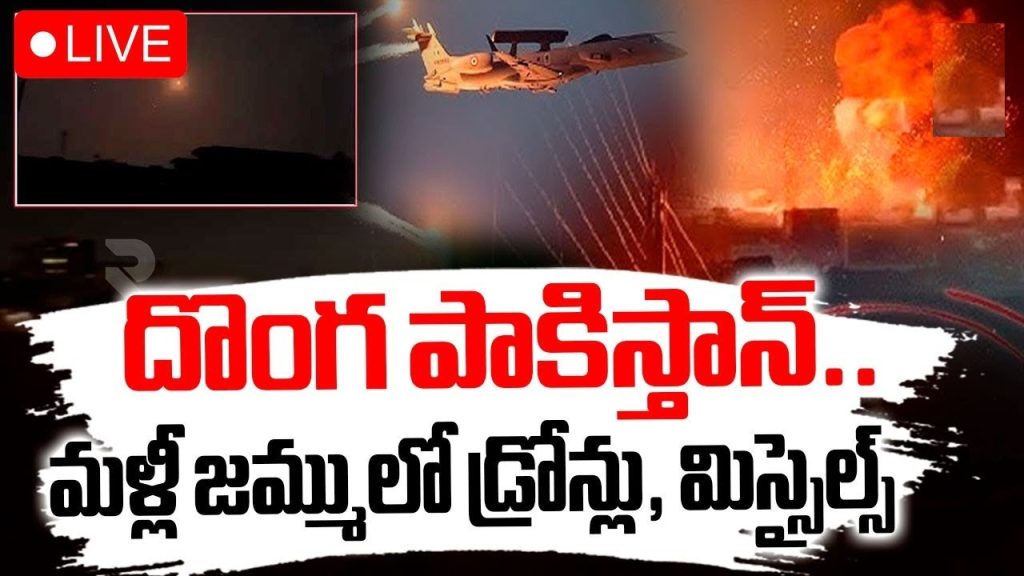
In a shocking turn of events, the fragile ceasefire between India and Pakistan, brokered just hours ago, appears to be unraveling. On May 10, 2025, deafening explosions echoed through Srinagar, the summer capital of Jammu and Kashmir, raising alarm among residents and prompting urgent questions about the stability of the peace agreement. Jammu and Kashmir Chief Minister Omar Abdullah took to social media, exclaiming, “What the hell just happened to the ceasefire? Explosions heard across Srinagar!!!” His words captured the confusion and fear gripping the region as tensions between the nuclear-armed neighbors escalated once again.

This article delves into the recent ceasefire violations, the context of the Srinagar explosions, and the broader implications for India-Pakistan relations. From the historical roots of the conflict to the latest developments, we explore what’s at stake and what the future holds for peace in the region.
The Fragile Ceasefire: A Brief Overview
On May 10, 2025, India and Pakistan announced a US-mediated ceasefire to halt days of intense military clashes along the Line of Control (LoC). The agreement, effective from 5:00 PM IST, aimed to de-escalate tensions following India’s Operation Sindoor, a series of airstrikes targeting alleged terrorist infrastructure in Pakistan and Pakistan-administered Kashmir. The operation was launched in response to the April 22, 2025, Pahalgam terror attack, which claimed 26 lives, including 25 tourists.
The ceasefire, hailed as a step toward peace, was confirmed by India’s Foreign Secretary Vikram Misri and Pakistan’s Foreign Minister Ishaq Dar. US President Donald Trump announced the truce on his Truth Social platform, crediting his administration for brokering the deal. However, mere hours after the agreement, reports of explosions in Srinagar and continued shelling in border districts cast doubt on its effectiveness.
Key Points of the Ceasefire Agreement
- Immediate Halt to Hostilities: Both nations agreed to stop all firing and military actions on land, sea, and air.
- Diplomatic Talks: High-level discussions were scheduled for May 12, 2025, to address underlying issues.
- US Mediation: The United States, with support from Saudi Arabia and Turkey, facilitated the negotiations.
Despite these commitments, the ceasefire appears to be under severe strain, with violations reported across Jammu and Kashmir, particularly in Srinagar.
Srinagar Explosions: What Happened?
On the morning of May 10, 2025, Srinagar was jolted by multiple explosions, some near critical locations like the Srinagar International Airport and army headquarters. Residents reported hearing loud blasts around 5:00 AM, followed by additional explosions at 11:45 AM near Dal Lake and Lasjan. The incidents triggered panic, with electricity outages and air raid sirens adding to the chaos.
Details of the Explosions
- Locations Targeted: Blasts were reported in Lal Chowk, BB Cantt, Safapora, and near Dal Lake, a major tourist attraction.
- Nature of Attacks: Preliminary reports suggest the explosions may have resulted from Pakistani drones or projectiles. A missile-like object landed in Dal Lake, and fragments of an unidentified projectile were recovered in Lasjan.
- Response from Security Forces: India’s air defense systems, including the S-400 and Barak-8 missile platforms, were activated to intercept drones. The Border Security Force (BSF) was granted authority to retaliate against violations.
Jammu and Kashmir Chief Minister Omar Abdullah’s social media post highlighted the gravity of the situation, questioning the ceasefire’s validity. His statement, “This is no ceasefire. The air defense units in the middle of Srinagar just opened up,” underscored the immediate activation of India’s defense mechanisms.
Casualties and Damage
While official confirmation on casualties remains pending, the explosions caused significant disruption. A blackout was enforced in Srinagar, and residents were advised to stay indoors. The recovery of debris from Dal Lake and Lasjan is under analysis, with authorities investigating whether the objects were part of a coordinated attack.
The Context: Why Did the Ceasefire Fail?
The ceasefire’s collapse can be traced to a combination of historical animosities, recent provocations, and ongoing mistrust between India and Pakistan. The roots of the conflict lie in the 1947 partition of British India, which created the disputed region of Jammu and Kashmir. Decades of wars, insurgencies, and ceasefire violations have kept tensions high.
The Pahalgam Attack and Operation Sindoor
The immediate trigger for the current crisis was the April 22, 2025, terror attack in Pahalgam, which killed 26 people. India attributed the attack to Pakistan-based militant groups Lashkar-e-Taiba (LeT) and Jaish-e-Mohammed (JeM). In response, India launched Operation Sindoor on May 7, 2025, conducting precision airstrikes on nine alleged terrorist sites in Pakistan and Pakistan-administered Kashmir.
- India’s Claims: The strikes targeted LeT and JeM camps, resulting in 80–90 terrorist casualties.
- Pakistan’s Response: Pakistan condemned the strikes as an “act of war,” reporting civilian deaths and retaliating with drone and missile attacks on Indian military installations.
The operation heightened tensions, with Pakistan deploying 300–400 Turkish-made Asisguard Songar drones on May 8–9, targeting cities like Srinagar, Jammu, and Pathankot. India’s advanced air defense systems neutralized most threats, but the attacks underscored Pakistan’s willingness to escalate.
Ceasefire Violations
Despite the May 10 ceasefire, Pakistan reportedly continued shelling in border districts like Rajouri, Poonch, and Akhnoor. The death of Raj Kumar Thapa, Additional District Development Commissioner of Rajouri, in a shelling incident on May 10, further inflamed tensions. India accused Pakistan of using drones with high-explosive payloads to target civilian areas, a tactic described as a “new low” by Indian officials.
The Role of External Actors
The involvement of international players has added complexity to the India-Pakistan conflict. The United States played a pivotal role in mediating the ceasefire, with President Trump and Secretary of State Marco Rubio facilitating talks. However, some Indian leaders, including AIMIM chief Asaduddin Owaisi, expressed concerns about the “internationalization” of the Kashmir issue, insisting it remains India’s internal matter.
Global Reactions
- United States: Vice President JD Vance praised the Trump administration’s efforts, emphasizing de-escalation.
- China: Pakistan’s Foreign Minister Ishaq Dar consulted with Chinese counterpart Wang Yi, who reaffirmed China’s support for Pakistan’s sovereignty.
- Bangladesh: Chief Advisor Muhammad Yunus welcomed the ceasefire and upcoming talks.
- Saudi Arabia and Turkey: Both nations supported the US-led mediation efforts.
The global community has urged both nations to sustain the ceasefire, with UK Foreign Secretary David Lammy stating, “De-escalation is in everybody’s interest.” However, continued violations risk undermining diplomatic efforts.
Implications for Jammu and Kashmir
The ceasefire violations and Srinagar explosions have profound implications for Jammu and Kashmir, a region already grappling with decades of conflict. The recent escalation has disrupted daily life, tourism, and economic activities.
Impact on Civilians
- Fear and Displacement: Residents in Srinagar, Uri, and Baramulla reported panic and sleepless nights due to explosions and blackouts. In Uri, many have migrated to safer areas.
- Casualties: The death of civilians and officials, like Raj Kumar Thapa, highlights the human cost of the conflict.
- Economic Disruption: The suspension of the Indian Premier League (IPL) and closure of 32 airports until May 15, 2025, reflect the broader economic impact.
Security Measures
The Jammu and Kashmir government has implemented stringent measures to address the crisis:
- High Alert: Border districts like Rajasthan and Punjab are on high alert, with blackouts and movement restrictions in place.
- Enhanced Security: The Central Industrial Security Force (CISF) has expanded its role at civil airports to counter threats.
- Counter-Terrorism Operations: Searches at over 30 locations in Srinagar target terror-support networks linked to the Pahalgam attack.
The Path Forward: Can Peace Be Restored?
Restoring peace between India and Pakistan requires addressing both immediate and long-term challenges. The ceasefire violations underscore the need for robust monitoring mechanisms and sustained diplomatic engagement.
Short-Term Solutions
- Strengthening the Ceasefire: Both nations must enforce the agreement through regular DGMO-level talks and third-party oversight.
- Countering Violations: India’s layered air defense grid, including S-400 and Barak-8 systems, has proven effective, but proactive measures are needed to deter drone attacks.
- Humanitarian Measures: Ensuring civilian safety through early warning systems and safe zones is critical.
Long-Term Strategies
- Diplomatic Dialogue: The scheduled May 12, 2025, talks must address terrorism, border security, and Kashmir’s status.
- Regional Cooperation: Involving neutral mediators like the UN or ASEAN could reduce mistrust.
- Economic Incentives: Reviving trade and cultural exchanges could foster goodwill.
Why This Matters Globally
The India-Pakistan conflict has far-reaching implications beyond South Asia. As nuclear-armed neighbors, their escalation risks catastrophic consequences. The involvement of global powers like the US and China highlights the conflict’s potential to reshape geopolitical alliances.
Key Global Concerns
- Nuclear Risk: Both nations possess nuclear arsenals, raising fears of miscalculation.
- Regional Stability: Instability in South Asia affects trade routes, energy markets, and counter-terrorism efforts.
- Humanitarian Crisis: Continued violence could displace millions, straining international aid systems.
Conclusion: A Call for De-Escalation
The explosions in Srinagar on May 10, 2025, serve as a stark reminder of the fragility of peace between India and Pakistan. Omar Abdullah’s question—“What the hell just happened to the ceasefire?”—echoes the sentiments of millions seeking stability in a region scarred by conflict. While the US-mediated ceasefire offered hope, its violations underscore the deep-seated challenges of mistrust and terrorism.
As India and Pakistan prepare for diplomatic talks on May 12, the world watches closely. Sustained dialogue, robust security measures, and international support are essential to prevent further escalation. For the people of Jammu and Kashmir, caught in the crossfire, peace remains an urgent priority.