Site icon Telangana NavaNirmana Sena

India Boycott of Turkey Impacting Trade, Travel, and Culture

Introduction to the Boycott Turkey Movement India’s call to boycott Turkey has gained momentum, transitioning from social media activism to concrete actions across various sectors. The movement stems from Turkey’s public support for Pakistan during India’s “Operation Sindoor,” a targeted military operation aimed at dismantling terrorist infrastructure in Pakistan and Pakistan-occupied Kashmir. Turkey’s backing, coupled with allegations of supplying drones used in retaliatory strikes, has ignited widespread outrage in India. As a result, the #BoycottTurkey campaign has emerged as a powerful expression of national sentiment, urging citizens and businesses to shun Turkish products, services, and collaborations. This article delves into the catalysts of the boycott, its impact on India’s economy and cultural landscape, and the broader implications for bilateral relations. By examining the actions of retailers, academic institutions, and industries, we uncover how India is redefining its relationship with Turkey in the name of national security. Why India Is Boycotting Turkey Geopolitical Tensions Fueling the Conflict The boycott’s roots lie in Turkey’s alignment with Pakistan during a period of heightened India-Pakistan tensions. India’s “Operation Sindoor” targeted terrorist bases, a move that Pakistan countered with drone strikes allegedly involving Turkish-supplied equipment. This perceived betrayal has led to accusations that Turkey supports anti-India activities, prompting a strong backlash. Indian citizens, businesses, and policymakers view Turkey’s actions as a direct challenge to national security. Social media platforms have amplified these sentiments, with #BoycottTurkey trending as a rallying cry for economic and diplomatic disengagement. The campaign reflects India’s resolve to prioritize sovereignty over commercial ties. National Security Concerns Take Center Stage National security has emerged as the driving force behind the boycott. India’s aviation security authority, the Bureau of Civil Aviation Security, revoked the clearance of Celebi Aviation, a Turkish ground-handling firm operating at nine major Indian airports, including Mumbai, Delhi, and Bengaluru. This decision underscores the government’s stance that no foreign entity compromising India’s interests will be tolerated. Similarly, academic institutions like Jawaharlal Nehru University (JNU) have severed ties with Turkish universities, citing national security and respect for India’s armed forces. These actions signal a broader shift where security concerns override economic and cultural engagements. Economic Impacts of the Boycott Major Retailers Halt Turkish Brand Sales India’s leading online retailers, Myntra and Ajio, have suspended the sale of Turkish clothing brands such as Koton, LC Waikiki, and Mavi. These platforms have removed Turkish products from their listings, responding to public demand and diplomatic pressures. Myntra’s spokesperson confirmed that the decision aligns with the ongoing tensions, while Reliance, Ajio’s parent company, has closed its Turkish office, further solidifying the boycott. This move has significant implications for India’s retail sector, which has historically imported substantial volumes of Turkish textiles. By halting these sales, retailers are not only supporting the boycott but also signaling a shift toward promoting domestic or alternative international brands. Trade Associations Call for a Complete Ban The All India Traders’ Confederation (CAIT) and the All India Marble Traders Association have urged businesses to cease importing Turkish goods, including processed marble, which accounts for approximately ₹5,500 crore annually. Traders have begun canceling shipments, and exporters are refusing to engage with Turkish companies. This coordinated effort aims to reduce India’s reliance on Turkish imports, which totaled $10–12 billion in bilateral trade in FY23 and FY24. The boycott’s economic impact extends beyond marble and textiles. Industries are exploring domestic substitutes and alternative suppliers from countries like Italy and Vietnam, potentially reshaping India’s import landscape. Tourism and Aviation Sectors Join the Movement The boycott has also disrupted tourism and aviation ties. Indian travel agencies are discouraging trips to Turkey, a popular destination for its historical sites and scenic landscapes. The Confederation of All India Traders has called for a complete halt to tourism-related business with Turkey and Azerbaijan, another nation perceived as supporting Pakistan. In the aviation sector, Celebi Aviation’s exclusion from Indian airports has sent ripples through Turkey’s business community. The company’s shares in Istanbul have declined, reflecting the financial toll of India’s actions. These developments highlight the boycott’s far-reaching economic consequences. Cultural and Academic Repercussions Bollywood Bans Filming in Turkey Turkey has long been a favored filming location for Bollywood, thanks to its picturesque settings and lenient regulations. However, the All India Cine Workers Association has imposed a ban on shooting films, TV series, and digital content in Turkey. This decision affects an industry that has contributed significantly to Turkey’s tourism revenue, as Indian productions often attract fans to visit filming locations. By redirecting shoots to domestic or alternative international locations, Bollywood is aligning with the boycott while promoting India’s own scenic destinations. This shift could bolster domestic tourism and reduce Turkey’s appeal as a filming hub. Universities Sever Academic Ties Academic institutions are also distancing themselves from Turkey. JNU has terminated its memorandum of understanding with Inonu University, emphasizing national security and solidarity with India’s armed forces. Jamia Millia Islamia has declared it will avoid future collaborations with Turkish institutions, and Delhi University is reviewing its partnerships. These actions reflect a broader trend where India’s academic community is prioritizing national interests. By suspending exchange programs and joint research, universities are reinforcing the boycott’s cultural dimension. Public Sentiment and Social Media’s Role #BoycottTurkey Trends Nationwide Social media has played a pivotal role in amplifying the boycott. The hashtag #BoycottTurkey has trended across platforms, with users sharing lists of Turkish brands to avoid and urging retailers to stop selling their products. This digital activism has translated into real-world actions, as seen in the decisions of Myntra, Ajio, and Reliance. Public sentiment is overwhelmingly in favor of the boycott, with citizens expressing pride in India’s firm stance. The campaign has also sparked discussions about self-reliance, encouraging consumers to support Indian-made goods and reduce dependence on foreign imports. Grassroots Movements Gain Traction Grassroots organizations and trade bodies have mobilized to sustain the boycott’s momentum. The CAIT has launched awareness campaigns to educate businesses about the importance of severing ties with Turkey. Local traders are actively promoting alternatives, such as Indian textiles and marble, to fill the gap left by Turkish imports. These efforts highlight the boycott’s grassroots nature, where ordinary citizens and small businesses are driving change alongside major corporations and government bodies. Challenges and Opportunities for India Economic Challenges of the Boycott While the boycott sends a strong message, it poses challenges for India’s economy. Turkish imports, particularly in textiles and marble, have been cost-effective, and finding immediate substitutes may increase costs for businesses and consumers. Retailers like Myntra and Ajio may face short-term revenue losses as they transition to new suppliers. Additionally, the boycott could strain India’s diplomatic relations with other nations that maintain strong ties with Turkey. Navigating these complexities will require strategic planning to balance economic and geopolitical priorities. Opportunities for Self-Reliance The boycott presents an opportunity for India to bolster its domestic industries. By promoting Indian textiles, marble, and other goods, the government and businesses can reduce reliance on imports and strengthen the “Make in India” initiative. Investments in local manufacturing and innovation could yield long-term economic benefits. Furthermore, the boycott opens doors to new trade partnerships. Countries like Vietnam, Italy, and Brazil could fill the gap left by Turkish suppliers, fostering diversified supply chains and reducing India’s exposure to geopolitical risks. What’s Next for India-Turkey Relations? Potential for Escalation If tensions persist, India may expand the boycott to include additional sectors, such as technology and defense. The government could impose stricter trade sanctions or further restrict Turkish companies’ operations in India. Such measures would deepen the economic and diplomatic rift, potentially prompting Turkey to retaliate. The boycott’s symbolic value could also inspire other nations to reassess their ties with Turkey, especially if India successfully substitutes Turkish imports with domestic or alternative sources. This ripple effect could amplify the boycott’s global impact. Pathways to Resolution While the boycott reflects India’s firm stance, diplomatic channels remain open for de-escalation. Dialogue between Indian and Turkish officials could address the underlying issues, such as Turkey’s support for Pakistan. A resolution would require mutual concessions, including Turkey’s commitment to neutrality in India-Pakistan disputes. In the meantime, India is likely to continue strengthening its domestic industries and forging new trade alliances. The boycott has set a precedent for how India responds to perceived threats, signaling that national security will always take precedence. Conclusion: A Unified Stand for National Interest India’s boycott of Turkey is more than a reaction to geopolitical tensions—it is a coordinated effort to prioritize national security and sovereignty. From retailers like Myntra and Ajio to academic institutions and Bollywood, every sector is contributing to a unified stand against Turkey’s actions. While the boycott presents economic challenges, it also offers opportunities for self-reliance and new global partnerships. As the #BoycottTurkey movement continues to shape India’s economic and cultural landscape, it underscores the power of collective action. Whether through social media campaigns, trade bans, or cultural shifts, India is sending a clear message: national interest comes first. The road ahead may be complex, but India’s resolve remains unwavering. FAQs Why is India boycotting Turkey? India is boycotting Turkey due to its support for Pakistan during “Operation Sindoor,” which targeted terrorist infrastructure. Allegations of Turkish-supplied drones used in retaliatory strikes have further fueled the boycott. Which sectors are affected by the boycott? The boycott impacts retail (textiles), trade (marble), tourism, aviation, academia, and entertainment (Bollywood). Which retailers have stopped selling Turkish brands? Myntra and Ajio have halted sales of Turkish clothing brands like Koton, LC Waikiki, and Mavi. How is Bollywood contributing to the boycott? Bollywood has banned filming in Turkey, redirecting productions to domestic or alternative international locations. What are the economic implications of the boycott? The boycott may increase costs for businesses but also encourages self-reliance and new trade partnerships with countries like Vietnam and Italy.

Introduction to the Boycott Turkey Movement

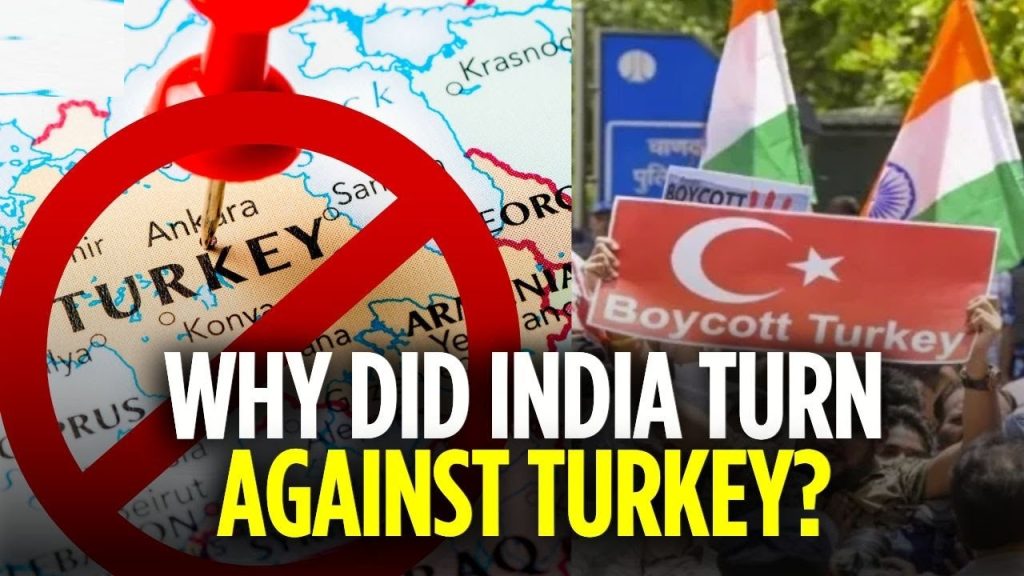
India’s call to boycott Turkey has gained momentum, transitioning from social media activism to concrete actions across various sectors. The movement stems from Turkey’s public support for Pakistan during India’s “Operation Sindoor,” a targeted military operation aimed at dismantling terrorist infrastructure in Pakistan and Pakistan-occupied Kashmir. Turkey’s backing, coupled with allegations of supplying drones used in retaliatory strikes, has ignited widespread outrage in India. As a result, the #BoycottTurkey campaign has emerged as a powerful expression of national sentiment, urging citizens and businesses to shun Turkish products, services, and collaborations.

This article delves into the catalysts of the boycott, its impact on India’s economy and cultural landscape, and the broader implications for bilateral relations. By examining the actions of retailers, academic institutions, and industries, we uncover how India is redefining its relationship with Turkey in the name of national security.

Why India Is Boycotting Turkey

Geopolitical Tensions Fueling the Conflict

The boycott’s roots lie in Turkey’s alignment with Pakistan during a period of heightened India-Pakistan tensions. India’s “Operation Sindoor” targeted terrorist bases, a move that Pakistan countered with drone strikes allegedly involving Turkish-supplied equipment. This perceived betrayal has led to accusations that Turkey supports anti-India activities, prompting a strong backlash.

Indian citizens, businesses, and policymakers view Turkey’s actions as a direct challenge to national security. Social media platforms have amplified these sentiments, with #BoycottTurkey trending as a rallying cry for economic and diplomatic disengagement. The campaign reflects India’s resolve to prioritize sovereignty over commercial ties.

National Security Concerns Take Center Stage

National security has emerged as the driving force behind the boycott. India’s aviation security authority, the Bureau of Civil Aviation Security, revoked the clearance of Celebi Aviation, a Turkish ground-handling firm operating at nine major Indian airports, including Mumbai, Delhi, and Bengaluru. This decision underscores the government’s stance that no foreign entity compromising India’s interests will be tolerated.

Similarly, academic institutions like Jawaharlal Nehru University (JNU) have severed ties with Turkish universities, citing national security and respect for India’s armed forces. These actions signal a broader shift where security concerns override economic and cultural engagements.

Economic Impacts of the Boycott

Major Retailers Halt Turkish Brand Sales

India’s leading online retailers, Myntra and Ajio, have suspended the sale of Turkish clothing brands such as Koton, LC Waikiki, and Mavi. These platforms have removed Turkish products from their listings, responding to public demand and diplomatic pressures. Myntra’s spokesperson confirmed that the decision aligns with the ongoing tensions, while Reliance, Ajio’s parent company, has closed its Turkish office, further solidifying the boycott.

This move has significant implications for India’s retail sector, which has historically imported substantial volumes of Turkish textiles. By halting these sales, retailers are not only supporting the boycott but also signaling a shift toward promoting domestic or alternative international brands.

Trade Associations Call for a Complete Ban

The All India Traders’ Confederation (CAIT) and the All India Marble Traders Association have urged businesses to cease importing Turkish goods, including processed marble, which accounts for approximately ₹5,500 crore annually. Traders have begun canceling shipments, and exporters are refusing to engage with Turkish companies. This coordinated effort aims to reduce India’s reliance on Turkish imports, which totaled $10–12 billion in bilateral trade in FY23 and FY24.

The boycott’s economic impact extends beyond marble and textiles. Industries are exploring domestic substitutes and alternative suppliers from countries like Italy and Vietnam, potentially reshaping India’s import landscape.

Tourism and Aviation Sectors Join the Movement

The boycott has also disrupted tourism and aviation ties. Indian travel agencies are discouraging trips to Turkey, a popular destination for its historical sites and scenic landscapes. The Confederation of All India Traders has called for a complete halt to tourism-related business with Turkey and Azerbaijan, another nation perceived as supporting Pakistan.

In the aviation sector, Celebi Aviation’s exclusion from Indian airports has sent ripples through Turkey’s business community. The company’s shares in Istanbul have declined, reflecting the financial toll of India’s actions. These developments highlight the boycott’s far-reaching economic consequences.

Cultural and Academic Repercussions

Bollywood Bans Filming in Turkey

Turkey has long been a favored filming location for Bollywood, thanks to its picturesque settings and lenient regulations. However, the All India Cine Workers Association has imposed a ban on shooting films, TV series, and digital content in Turkey. This decision affects an industry that has contributed significantly to Turkey’s tourism revenue, as Indian productions often attract fans to visit filming locations.

By redirecting shoots to domestic or alternative international locations, Bollywood is aligning with the boycott while promoting India’s own scenic destinations. This shift could bolster domestic tourism and reduce Turkey’s appeal as a filming hub.

Universities Sever Academic Ties

Academic institutions are also distancing themselves from Turkey. JNU has terminated its memorandum of understanding with Inonu University, emphasizing national security and solidarity with India’s armed forces. Jamia Millia Islamia has declared it will avoid future collaborations with Turkish institutions, and Delhi University is reviewing its partnerships.

These actions reflect a broader trend where India’s academic community is prioritizing national interests. By suspending exchange programs and joint research, universities are reinforcing the boycott’s cultural dimension.

Public Sentiment and Social Media’s Role

#BoycottTurkey Trends Nationwide

Social media has played a pivotal role in amplifying the boycott. The hashtag #BoycottTurkey has trended across platforms, with users sharing lists of Turkish brands to avoid and urging retailers to stop selling their products. This digital activism has translated into real-world actions, as seen in the decisions of Myntra, Ajio, and Reliance.

Public sentiment is overwhelmingly in favor of the boycott, with citizens expressing pride in India’s firm stance. The campaign has also sparked discussions about self-reliance, encouraging consumers to support Indian-made goods and reduce dependence on foreign imports.

Grassroots Movements Gain Traction

Grassroots organizations and trade bodies have mobilized to sustain the boycott’s momentum. The CAIT has launched awareness campaigns to educate businesses about the importance of severing ties with Turkey. Local traders are actively promoting alternatives, such as Indian textiles and marble, to fill the gap left by Turkish imports.

These efforts highlight the boycott’s grassroots nature, where ordinary citizens and small businesses are driving change alongside major corporations and government bodies.

Challenges and Opportunities for India

Economic Challenges of the Boycott

While the boycott sends a strong message, it poses challenges for India’s economy. Turkish imports, particularly in textiles and marble, have been cost-effective, and finding immediate substitutes may increase costs for businesses and consumers. Retailers like Myntra and Ajio may face short-term revenue losses as they transition to new suppliers.

Additionally, the boycott could strain India’s diplomatic relations with other nations that maintain strong ties with Turkey. Navigating these complexities will require strategic planning to balance economic and geopolitical priorities.

Opportunities for Self-Reliance

The boycott presents an opportunity for India to bolster its domestic industries. By promoting Indian textiles, marble, and other goods, the government and businesses can reduce reliance on imports and strengthen the “Make in India” initiative. Investments in local manufacturing and innovation could yield long-term economic benefits.

Furthermore, the boycott opens doors to new trade partnerships. Countries like Vietnam, Italy, and Brazil could fill the gap left by Turkish suppliers, fostering diversified supply chains and reducing India’s exposure to geopolitical risks.

What’s Next for India-Turkey Relations?

Potential for Escalation

If tensions persist, India may expand the boycott to include additional sectors, such as technology and defense. The government could impose stricter trade sanctions or further restrict Turkish companies’ operations in India. Such measures would deepen the economic and diplomatic rift, potentially prompting Turkey to retaliate.

The boycott’s symbolic value could also inspire other nations to reassess their ties with Turkey, especially if India successfully substitutes Turkish imports with domestic or alternative sources. This ripple effect could amplify the boycott’s global impact.

Pathways to Resolution

While the boycott reflects India’s firm stance, diplomatic channels remain open for de-escalation. Dialogue between Indian and Turkish officials could address the underlying issues, such as Turkey’s support for Pakistan. A resolution would require mutual concessions, including Turkey’s commitment to neutrality in India-Pakistan disputes.

In the meantime, India is likely to continue strengthening its domestic industries and forging new trade alliances. The boycott has set a precedent for how India responds to perceived threats, signaling that national security will always take precedence.

Conclusion: A Unified Stand for National Interest

India’s boycott of Turkey is more than a reaction to geopolitical tensions—it is a coordinated effort to prioritize national security and sovereignty. From retailers like Myntra and Ajio to academic institutions and Bollywood, every sector is contributing to a unified stand against Turkey’s actions. While the boycott presents economic challenges, it also offers opportunities for self-reliance and new global partnerships.

As the #BoycottTurkey movement continues to shape India’s economic and cultural landscape, it underscores the power of collective action. Whether through social media campaigns, trade bans, or cultural shifts, India is sending a clear message: national interest comes first. The road ahead may be complex, but India’s resolve remains unwavering.

FAQs

Why is India boycotting Turkey?
India is boycotting Turkey due to its support for Pakistan during “Operation Sindoor,” which targeted terrorist infrastructure. Allegations of Turkish-supplied drones used in retaliatory strikes have further fueled the boycott.

Which sectors are affected by the boycott?
The boycott impacts retail (textiles), trade (marble), tourism, aviation, academia, and entertainment (Bollywood).

Which retailers have stopped selling Turkish brands?
Myntra and Ajio have halted sales of Turkish clothing brands like Koton, LC Waikiki, and Mavi.

How is Bollywood contributing to the boycott?
Bollywood has banned filming in Turkey, redirecting productions to domestic or alternative international locations.

What are the economic implications of the boycott?
The boycott may increase costs for businesses but also encourages self-reliance and new trade partnerships with countries like Vietnam and Italy.

Exit mobile version