Site icon Telangana NavaNirmana Sena

Impact of Global Tariffs and Stocks, EVs, and Corporate Moves in 2025

In the fast-paced world of global finance and trade, 2025 is shaping up to be a pivotal year. From escalating tariffs impacting international markets to groundbreaking corporate moves in India’s electric vehicle (EV) sector, the economic landscape is buzzing with activity. This article explores the latest market trends, corporate earnings, tariff implications, and emerging opportunities in key industries like EVs, finance, and shipbuilding. Whether you’re an investor, a market enthusiast, or simply curious about global economic shifts, this comprehensive guide unpacks the forces driving change and their potential impact on your portfolio. The Tariff Shockwave: How Global Trade Policies Are Reshaping Markets Understanding the New Tariff Landscape In 2025, tariffs have emerged as a dominant force in global trade. The United States has imposed a 30% tariff on goods from the European Union and Mexico, with an additional 35% tariff on Canada, effective from August 1, 2025. These measures, announced by the Trump administration, aim to protect domestic industries but have sparked concerns about their ripple effects. The American market experienced a 0.5%+ decline in response to these tariffs, reflecting investor unease about potential trade disruptions. Tariffs, by design, increase the cost of imported goods, which can lead to higher prices for consumers and strained international relations. The U.S. tariffs are part of a broader strategy to renegotiate trade terms, with the administration encouraging countries to align with its requirements to avoid or reduce these levies. For investors, this creates a volatile environment where strategic positioning is critical. Impact on Global Stock Markets The tariff announcements have sent shockwaves through global stock markets. In the U.S., financial institutions and brokerage firms are on high alert, anticipating challenges from increased trade costs. The American market’s decline underscores the immediate impact of protectionist policies. Meanwhile, Indian markets, while insulated to some extent, are not immune. Companies with exposure to international trade, particularly those reliant on U.S. markets, may face headwinds. Investors should monitor sectors like automotive, technology, and consumer goods, which are particularly vulnerable to tariff-related disruptions. Conversely, domestic-focused companies in India, such as those in the renewable energy or defense sectors, may find opportunities to capitalize on reduced foreign competition. Corporate Earnings: Q1 2025 Results Set the Stage Reliance Industries: A Key Player to Watch Reliance Industries, a titan in India’s corporate landscape, is set to release its Q1 2025 earnings on July 18, 2025. Historically, Reliance’s results, announced on Fridays, have been a bellwether for the Indian market. Investors eagerly await these numbers, as they provide insights into the performance of Reliance’s diverse portfolio, spanning energy, telecom, and retail. While specific data for Q1 2025 is yet to be disclosed, expectations are tempered due to mixed performances in other sectors. Reliance’s ability to navigate challenges in the finance and oil and consumable fuels segments will be critical. With competitors like HDFC Bank and ICICI Bank releasing their results on July 19, 2025, the following week promises to be a defining moment for India’s financial sector. IT Sector Struggles: A Reality Check The IT sector has faced headwinds in Q1 2025. Industry giants like TCS, Tata Elxsi, and Deloitte have reported underwhelming results, signaling a slowdown in demand for IT services. This trend suggests that investors may need to recalibrate expectations for IT stocks, which have traditionally been a safe haven. The lackluster performance could push capital toward other sectors, such as renewable energy or electric vehicles, where growth prospects remain robust. Electric Vehicles in India: Tesla’s Entry and Rising Competition Tesla’s Grand Arrival in Mumbai Tesla’s entry into India marks a transformative moment for the country’s electric vehicle (EV) market. On July 15, 2025, Tesla will launch its first showroom in Mumbai, introducing its premium electric cars to Indian consumers. Social media buzz, including videos showcasing Tesla vehicles outside the showroom, has amplified excitement around this launch. Tesla’s arrival intensifies competition in India’s EV sector, particularly in the premium segment. Established players like Tata Motors and Mahindra & Mahindra now face a formidable challenger. Tata Motors, once a dominant force with an 84-85% market share in EVs, has seen its share erode to 50-52%. Tesla’s premium offerings could further pressure Tata’s market position, especially in high-end models. Government Push for Electric Trucks Beyond passenger vehicles, the Indian government is promoting electric trucks through the PME Drive scheme, offering incentives of up to ₹9.6 lakh per vehicle. This initiative aims to accelerate the adoption of sustainable transport solutions in the logistics sector. Companies that invest in electric truck manufacturing could benefit from these subsidies, creating new investment opportunities in this niche but growing segment. Competitive Dynamics in the EV Market The EV market in India is becoming increasingly competitive. Mahindra & Mahindra is ramping up its efforts to capture market share, while Tata Motors grapples with declining dominance. The influx of global players like Tesla, combined with government incentives, is likely to spur innovation and drive down costs, benefiting consumers. For investors, EV-related stocks, including battery manufacturers and charging infrastructure providers, present compelling opportunities as India accelerates its transition to sustainable mobility. Shipbuilding and Defense: Mazagon Dock’s Strategic Wins Mazagon Dock’s Submarine Projects Mazagon Dock Shipbuilders, a key player in India’s defense sector, is poised for growth in 2025. The company has secured contracts to build two submarines this financial year, with an estimated cost of ₹70,000 crore. Additionally, the Scorpene submarine project, valued at ₹36,000 crore, underscores Mazagon Dock’s critical role in India’s defense infrastructure. These large-scale projects highlight the strategic importance of domestic defense manufacturing. While the contracts are limited in number, their scale ensures significant revenue potential. Investors looking for stable, long-term bets may find Mazagon Dock an attractive option, given its government-backed projects and growing order book. PVR Inox and BookMyShow: A Legal Victory Boosts Revenue Convenience Fees Get a Green Light PVR Inox, a leading name in India’s cinema industry, recently won a significant legal battle in the Bombay High Court. The court ruled in favor of PVR and BookMyShow, allowing them to charge convenience fees for online ticket bookings. This decision, which resolves a long-standing dispute, is a boon for both companies, enabling them to boost revenue without regulatory hurdles. For consumers, this may translate to higher ticket costs, but for PVR, it strengthens its financial position. As the company navigates a competitive entertainment landscape, this ruling provides a much-needed cushion. Investors should monitor PVR’s stock for potential upside, especially as the company leverages this win to enhance profitability. Adani Group’s Ambitious Expansion Plans A $100 Billion Investment Blueprint The Adani Group has unveiled a bold $100 billion capital expenditure (capex) plan over the next five years, signaling its intent to dominate sectors like infrastructure, energy, and logistics. This mega-plan reflects Adani’s confidence in India’s growth story and its ability to execute large-scale projects. However, the group faces scrutiny. Allegations from Voice Research have raised concerns about the financial health of Vedanta, a key Adani entity. Claims of a “Ponzi-like” business model have sparked debate, though Adani’s track record of delivering on ambitious plans suggests resilience. Investors should weigh the risks and rewards of Adani’s aggressive expansion, particularly in light of its exposure to global economic uncertainties. JSW Paints’ Strategic Acquisition Acquiring Axalta: A Game-Changer JSW Paints has made headlines with its acquisition of a 24% stake in Axalta, a leading global coatings company. The deal includes an open offer for Axalta shareholders, allowing them to exit at a favorable price. This strategic move strengthens JSW Paints’ position in the competitive paints industry, where it competes with giants like Asian Paints and Berger Paints. The acquisition has already driven a surge in JSW Paints’ stock price, reflecting investor optimism. For shareholders considering the open offer, the decision hinges on confidence in JSW’s management and long-term vision. This deal underscores the growing consolidation in India’s industrial sectors, offering investors a chance to capitalize on emerging synergies. Castrol India’s Tax Triumph A ₹4,131 Crore Victory Castrol India recently secured a major win in a ₹4,131 crore tax dispute, with the court ruling in its favor. This victory removes a significant financial burden, bolstering the company’s balance sheet. While Castrol has historically delivered steady but unspectacular growth, this development could pave the way for renewed investor interest. To achieve exponential growth, Castrol must focus on innovation and market expansion. The lubricants industry is evolving, with increasing demand for products tailored to electric vehicles. Castrol’s ability to adapt to these trends will determine its long-term trajectory. Suzlon Energy: A Renewable Energy Star Motilal Oswal’s Bullish Outlook Suzlon Energy, a leader in India’s renewable energy sector, is generating buzz after Motilal Oswal predicted a 24% upside in its stock price. This optimism stems from Suzlon’s strong position in the wind energy market, which is poised for growth as India doubles down on renewable energy targets. Suzlon’s focus on innovation and cost efficiency makes it a standout in the clean energy space. Investors seeking exposure to sustainable investments should consider Suzlon, particularly as government policies and global demand for renewables drive growth. Navigating the 2025 Market: Key Takeaways for Investors The global economic landscape in 2025 is marked by uncertainty and opportunity. From tariffs reshaping trade to Tesla’s entry into India, the forces at play are complex but rich with potential. Here’s how investors can navigate this dynamic environment: Diversify Across Sectors: With tariffs impacting global markets, diversify your portfolio to include domestic-focused companies like Mazagon Dock and Suzlon Energy. Monitor Corporate Earnings: Keep a close eye on Q1 2025 results from giants like Reliance, HDFC Bank, and ICICI Bank to gauge market sentiment. Bet on EVs and Renewables: The EV sector, led by players like Tesla and Mahindra, and the renewable energy space, with Suzlon at the forefront, offer long-term growth potential. Assess Risk in Conglomerates: While Adani Group presents ambitious plans, weigh the risks of external scrutiny and market volatility. Capitalize on Legal Wins: Companies like PVR Inox and Castrol India are poised for gains following favorable legal outcomes. Conclusion: Seizing Opportunities in a Transformative Year As we move deeper into 2025, the interplay of global tariffs, corporate earnings, and emerging industries like EVs and renewables will shape the investment landscape. By staying informed and agile, investors can position themselves to capitalize on opportunities while mitigating risks. Whether it’s Tesla’s bold entry into India, Adani’s mega-capex plans, or Suzlon’s renewable energy leadership, the year ahead promises to be a transformative one for markets and industries alike. Stay ahead of the curve by following market developments closely and aligning your investments with the trends driving the future. The global economy is evolving—make sure your portfolio evolves with it.

In the fast-paced world of global finance and trade, 2025 is shaping up to be a pivotal year. From escalating tariffs impacting international markets to groundbreaking corporate moves in India’s electric vehicle (EV) sector, the economic landscape is buzzing with activity. This article explores the latest market trends, corporate earnings, tariff implications, and emerging opportunities in key industries like EVs, finance, and shipbuilding. Whether you’re an investor, a market enthusiast, or simply curious about global economic shifts, this comprehensive guide unpacks the forces driving change and their potential impact on your portfolio.

The Tariff Shockwave: How Global Trade Policies Are Reshaping Markets

Understanding the New Tariff Landscape

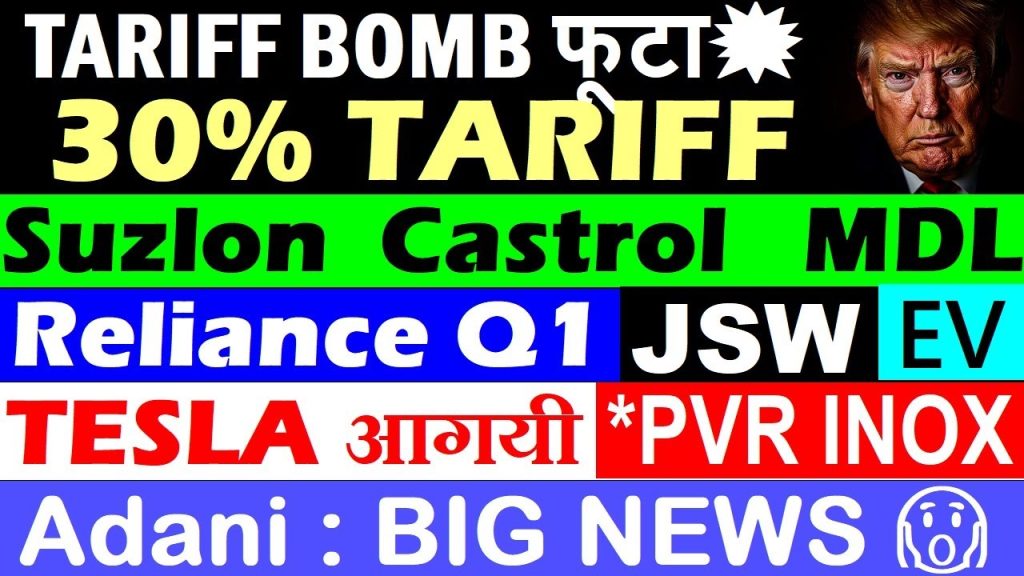
In 2025, tariffs have emerged as a dominant force in global trade. The United States has imposed a 30% tariff on goods from the European Union and Mexico, with an additional 35% tariff on Canada, effective from August 1, 2025. These measures, announced by the Trump administration, aim to protect domestic industries but have sparked concerns about their ripple effects. The American market experienced a 0.5%+ decline in response to these tariffs, reflecting investor unease about potential trade disruptions.

Tariffs, by design, increase the cost of imported goods, which can lead to higher prices for consumers and strained international relations. The U.S. tariffs are part of a broader strategy to renegotiate trade terms, with the administration encouraging countries to align with its requirements to avoid or reduce these levies. For investors, this creates a volatile environment where strategic positioning is critical.

Impact on Global Stock Markets

The tariff announcements have sent shockwaves through global stock markets. In the U.S., financial institutions and brokerage firms are on high alert, anticipating challenges from increased trade costs. The American market’s decline underscores the immediate impact of protectionist policies. Meanwhile, Indian markets, while insulated to some extent, are not immune. Companies with exposure to international trade, particularly those reliant on U.S. markets, may face headwinds.

Investors should monitor sectors like automotive, technology, and consumer goods, which are particularly vulnerable to tariff-related disruptions. Conversely, domestic-focused companies in India, such as those in the renewable energy or defense sectors, may find opportunities to capitalize on reduced foreign competition.

Corporate Earnings: Q1 2025 Results Set the Stage

Reliance Industries: A Key Player to Watch

Reliance Industries, a titan in India’s corporate landscape, is set to release its Q1 2025 earnings on July 18, 2025. Historically, Reliance’s results, announced on Fridays, have been a bellwether for the Indian market. Investors eagerly await these numbers, as they provide insights into the performance of Reliance’s diverse portfolio, spanning energy, telecom, and retail.

While specific data for Q1 2025 is yet to be disclosed, expectations are tempered due to mixed performances in other sectors. Reliance’s ability to navigate challenges in the finance and oil and consumable fuels segments will be critical. With competitors like HDFC Bank and ICICI Bank releasing their results on July 19, 2025, the following week promises to be a defining moment for India’s financial sector.

IT Sector Struggles: A Reality Check

The IT sector has faced headwinds in Q1 2025. Industry giants like TCS, Tata Elxsi, and Deloitte have reported underwhelming results, signaling a slowdown in demand for IT services. This trend suggests that investors may need to recalibrate expectations for IT stocks, which have traditionally been a safe haven. The lackluster performance could push capital toward other sectors, such as renewable energy or electric vehicles, where growth prospects remain robust.

Electric Vehicles in India: Tesla’s Entry and Rising Competition

Tesla’s Grand Arrival in Mumbai

Tesla’s entry into India marks a transformative moment for the country’s electric vehicle (EV) market. On July 15, 2025, Tesla will launch its first showroom in Mumbai, introducing its premium electric cars to Indian consumers. Social media buzz, including videos showcasing Tesla vehicles outside the showroom, has amplified excitement around this launch.

Tesla’s arrival intensifies competition in India’s EV sector, particularly in the premium segment. Established players like Tata Motors and Mahindra & Mahindra now face a formidable challenger. Tata Motors, once a dominant force with an 84-85% market share in EVs, has seen its share erode to 50-52%. Tesla’s premium offerings could further pressure Tata’s market position, especially in high-end models.

Government Push for Electric Trucks

Beyond passenger vehicles, the Indian government is promoting electric trucks through the PME Drive scheme, offering incentives of up to ₹9.6 lakh per vehicle. This initiative aims to accelerate the adoption of sustainable transport solutions in the logistics sector. Companies that invest in electric truck manufacturing could benefit from these subsidies, creating new investment opportunities in this niche but growing segment.

Competitive Dynamics in the EV Market

The EV market in India is becoming increasingly competitive. Mahindra & Mahindra is ramping up its efforts to capture market share, while Tata Motors grapples with declining dominance. The influx of global players like Tesla, combined with government incentives, is likely to spur innovation and drive down costs, benefiting consumers. For investors, EV-related stocks, including battery manufacturers and charging infrastructure providers, present compelling opportunities as India accelerates its transition to sustainable mobility.

Shipbuilding and Defense: Mazagon Dock’s Strategic Wins

Mazagon Dock’s Submarine Projects

Mazagon Dock Shipbuilders, a key player in India’s defense sector, is poised for growth in 2025. The company has secured contracts to build two submarines this financial year, with an estimated cost of ₹70,000 crore. Additionally, the Scorpene submarine project, valued at ₹36,000 crore, underscores Mazagon Dock’s critical role in India’s defense infrastructure.

These large-scale projects highlight the strategic importance of domestic defense manufacturing. While the contracts are limited in number, their scale ensures significant revenue potential. Investors looking for stable, long-term bets may find Mazagon Dock an attractive option, given its government-backed projects and growing order book.

PVR Inox and BookMyShow: A Legal Victory Boosts Revenue

Convenience Fees Get a Green Light

PVR Inox, a leading name in India’s cinema industry, recently won a significant legal battle in the Bombay High Court. The court ruled in favor of PVR and BookMyShow, allowing them to charge convenience fees for online ticket bookings. This decision, which resolves a long-standing dispute, is a boon for both companies, enabling them to boost revenue without regulatory hurdles.

For consumers, this may translate to higher ticket costs, but for PVR, it strengthens its financial position. As the company navigates a competitive entertainment landscape, this ruling provides a much-needed cushion. Investors should monitor PVR’s stock for potential upside, especially as the company leverages this win to enhance profitability.

Adani Group’s Ambitious Expansion Plans

A $100 Billion Investment Blueprint

The Adani Group has unveiled a bold $100 billion capital expenditure (capex) plan over the next five years, signaling its intent to dominate sectors like infrastructure, energy, and logistics. This mega-plan reflects Adani’s confidence in India’s growth story and its ability to execute large-scale projects.

However, the group faces scrutiny. Allegations from Voice Research have raised concerns about the financial health of Vedanta, a key Adani entity. Claims of a “Ponzi-like” business model have sparked debate, though Adani’s track record of delivering on ambitious plans suggests resilience. Investors should weigh the risks and rewards of Adani’s aggressive expansion, particularly in light of its exposure to global economic uncertainties.

JSW Paints’ Strategic Acquisition

Acquiring Axalta: A Game-Changer

JSW Paints has made headlines with its acquisition of a 24% stake in Axalta, a leading global coatings company. The deal includes an open offer for Axalta shareholders, allowing them to exit at a favorable price. This strategic move strengthens JSW Paints’ position in the competitive paints industry, where it competes with giants like Asian Paints and Berger Paints.

The acquisition has already driven a surge in JSW Paints’ stock price, reflecting investor optimism. For shareholders considering the open offer, the decision hinges on confidence in JSW’s management and long-term vision. This deal underscores the growing consolidation in India’s industrial sectors, offering investors a chance to capitalize on emerging synergies.

Castrol India’s Tax Triumph

A ₹4,131 Crore Victory

Castrol India recently secured a major win in a ₹4,131 crore tax dispute, with the court ruling in its favor. This victory removes a significant financial burden, bolstering the company’s balance sheet. While Castrol has historically delivered steady but unspectacular growth, this development could pave the way for renewed investor interest.

To achieve exponential growth, Castrol must focus on innovation and market expansion. The lubricants industry is evolving, with increasing demand for products tailored to electric vehicles. Castrol’s ability to adapt to these trends will determine its long-term trajectory.

Suzlon Energy: A Renewable Energy Star

Motilal Oswal’s Bullish Outlook

Suzlon Energy, a leader in India’s renewable energy sector, is generating buzz after Motilal Oswal predicted a 24% upside in its stock price. This optimism stems from Suzlon’s strong position in the wind energy market, which is poised for growth as India doubles down on renewable energy targets.

Suzlon’s focus on innovation and cost efficiency makes it a standout in the clean energy space. Investors seeking exposure to sustainable investments should consider Suzlon, particularly as government policies and global demand for renewables drive growth.

Navigating the 2025 Market: Key Takeaways for Investors

The global economic landscape in 2025 is marked by uncertainty and opportunity. From tariffs reshaping trade to Tesla’s entry into India, the forces at play are complex but rich with potential. Here’s how investors can navigate this dynamic environment:

  1. Diversify Across Sectors: With tariffs impacting global markets, diversify your portfolio to include domestic-focused companies like Mazagon Dock and Suzlon Energy.
  2. Monitor Corporate Earnings: Keep a close eye on Q1 2025 results from giants like Reliance, HDFC Bank, and ICICI Bank to gauge market sentiment.
  3. Bet on EVs and Renewables: The EV sector, led by players like Tesla and Mahindra, and the renewable energy space, with Suzlon at the forefront, offer long-term growth potential.
  4. Assess Risk in Conglomerates: While Adani Group presents ambitious plans, weigh the risks of external scrutiny and market volatility.
  5. Capitalize on Legal Wins: Companies like PVR Inox and Castrol India are poised for gains following favorable legal outcomes.

Conclusion: Seizing Opportunities in a Transformative Year

As we move deeper into 2025, the interplay of global tariffs, corporate earnings, and emerging industries like EVs and renewables will shape the investment landscape. By staying informed and agile, investors can position themselves to capitalize on opportunities while mitigating risks. Whether it’s Tesla’s bold entry into India, Adani’s mega-capex plans, or Suzlon’s renewable energy leadership, the year ahead promises to be a transformative one for markets and industries alike.

Stay ahead of the curve by following market developments closely and aligning your investments with the trends driving the future. The global economy is evolving—make sure your portfolio evolves with it.

Exit mobile version