


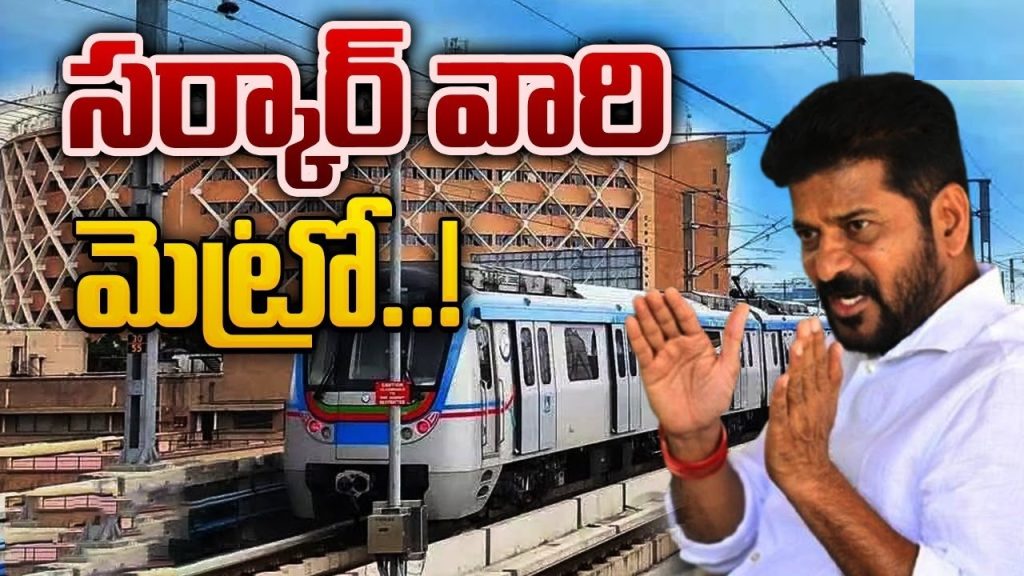
India’s bustling metropolises pulse with ambition, where skyscrapers pierce the sky and traffic snarls choke the arteries of progress. In this high-stakes urban drama, metro rail systems emerge as game-changers, slashing commute times and slashing carbon footprints. Yet, behind the sleek trains and elevated tracks lie tales of triumph laced with turmoil. Hyderabad and Mumbai, two economic powerhouses, spearhead this revolution through Public-Private Partnerships (PPPs)—innovative models blending government vision with corporate muscle. But as these projects mature, stark realities surface: ballooning debts, underwhelming ridership, and clashing operational gears. Hyderabad’s government swoops in with a full-throated takeover, while Mumbai opts for a surgical debt shuffle via national asset rescuers. This deep-dive article dissects these divergent paths, uncovers the financial fault lines, and extracts hard-won lessons for India’s metro future. Drawing from fresh 2025 updates, official dispatches, and expert analyses, we explore how these sagas reshape urban transit policy, ensuring your next ride isn’t just smooth but sustainable.
The Dawn of Metro Rail in Hyderabad and Mumbai: Forging PPP Foundations for Urban Connectivity
Cities like Hyderabad and Mumbai don’t just grow; they explode. Hyderabad, Telangana’s tech-savvy hub, grapples with a population surge from 6.8 million in 2011 to over 10 million today, fueling a desperate need for efficient transit. Mumbai, India’s financial nerve center, crams 21 million souls into a sliver of land, where local trains ferry 8 million daily like sardines in a can. Enter metro rails: elevated lifelines promising to decongest roads and democratize access.
Both cities embraced PPPs to fast-track these behemoths, sidestepping the fiscal black holes of full public funding. In PPPs, private players shoulder design, build, finance, and operations, transferring assets back to the state after a concession period—typically 30-35 years. This hybrid sparks innovation and efficiency, or so the theory goes. Hyderabad’s Metro Rail Limited (HMRL) inks its deal in 2008, birthing a 72-km Phase I network across three corridors: Miyapur to LB Nagar, JBS Parade Ground to Falaknuma, and Nagole to Raidurg. Mumbai counters with Line 1, a nimble 11.4-km east-west spine from Versova to Ghatkopar, operational since 2014.
These ventures ignite economic ripples. Hyderabad’s metro corridors sprout IT parks and malls, injecting vitality into suburbs like Hi-Tech City. Mumbai’s line slices through Andheri-Ghatkopar, a commute corridor once notorious for two-hour jams. Yet, PPPs demand precision: private partners chase returns via fares and ads, while governments provide land and viability gap funding (VGF)—subsidies bridging revenue shortfalls. Early optimism soared; projections painted ridership booms and break-even bliss. Reality, however, delivers a sharper sting, as we’ll unpack next.
Experts hail these as bold experiments. A 2025 Harvard case study spotlights Hyderabad’s grit amid initial flops, like the 2009 Maytas scandal that nearly derailed the project. Mumbai’s blueprint, meanwhile, draws from global icons like London’s PPPs, but local tweaks—like MMRDA’s 26% stake—aim to balance power. As India eyes 1,000 km of new metro tracks by 2030, these pioneers set the stage, blending promise with pitfalls.
Constructing Hyderabad Metro Phase I: Engineering Triumphs Amid Escalating Costs
Hyderabad’s metro doesn’t whisper; it roars into existence with audacious engineering. Larsen & Toubro (L&T), the consortium titan holding 90% equity, masterminds a fully elevated 72-km sprawl—India’s largest PPP metro feat. Signed in 2010 under the Design-Build-Finance-Operate-Transfer (DBFOT) model, the pact tasks L&T with everything from blueprints to ticket punches. The Telangana government chips in land and a sliver of equity, while the Centre’s VGF oils the wheels.
Construction kicks off amid fanfare in 2011, but Mother Nature and bureaucracy conspire against speed. Monsoon deluges flood sites, heritage tussles halt alignments near Charminar, and land grabs spark protests from displaced families. Costs, pegged at ₹14,132 crore in 2012, swell to ₹18,791 crore by 2019—blame scope tweaks, like adding crossovers, and inflation gnawing at steel prices. L&T pumps in nearly ₹19,000 crore, a Herculean lift for a firm juggling global gigs.
Trains glide in November 2017 on the first corridor, ferrying eager riders past Cyber Towers’ glow. By 2020, all 72 km hum alive, boasting 66 stations with Spanish-sourced coaches zipping at 80 km/h. Daily ops clock 18 hours, integrating smart cards for seamless hops. Ridership peaks at 500,000 in 2019, a solid start for a city weaning off two-wheelers.
But shadows loom. COVID-19 slams brakes in 2020, idling tracks for 169 days and slashing revenues 70%. Post-pandemic, free bus schemes lure budget riders away, capping metro patronage at 400,000-450,000 daily in 2025. Real estate windfalls—envisioned malls hugging stations—stutter, as developers balk at high premiums amid economic jitters. L&T’s vision endures, but the ledger bleeds.
Hyderabad Metro’s Financial Quagmire: Mounting Losses and Revenue Shortfalls Exposed
Numbers don’t lie, and Hyderabad Metro’s tell a grim tale. In FY 2024-25, ticket sales and ancillary hauls tally ₹1,108.5 crore—a 21% plunge from prior highs, as hybrid work siphons peak-hour crowds. Expenses? A voracious ₹1,733 crore beast, swollen by debt servicing on ₹13,000 crore borrowings. Net loss: ₹625 crore, up from ₹555 crore, stacking atop ₹6,000-6,600 crore in cumulative red ink.
L&T shoulders this solo, equity infusions drying up as returns evaporate. Annual revenues hover at ₹600 crore, mirroring losses in a cruel parity—fares at ₹10-60 per trip can’t outpace operational overheads like power (₹200 crore yearly) and maintenance (₹150 crore). Non-fare streams—ads on platforms, station naming rights—trickle ₹100 crore, far shy of the ₹300 crore dream.
Why the shortfall? Projections banked on 800,000 daily riders by 2025; reality clocks half that. Urban sprawl favors cars, with only 20% modal shift from buses. Telangana’s ₹4,305 crore bus subsidy blitz in 2024 diverts 30% potential users, per internal audits. Add delayed reimbursements—L&T claims ₹3,756-5,000 crore for overruns—and a stalled ₹900 crore soft loan (state owes ₹2,100 crore of ₹3,000 crore), and frustration festers.
Stakeholders scramble. L&T slashes staff 15% in 2023, trims energy via LED retrofits, yet the math defies. A 2025 Telangana Today op-ed warns: without ridership rocket-fuel, this golden goose lays leaden eggs. As debts compound at 10% interest, the PPP’s private promise frays.
Navigating Operational Mazes: Phase II Expansion Clashes with Phase I in Hyderabad
Hyderabad’s metro dreams don’t halt at Phase I; Phase II beckons with 163 km across eight corridors, budgeted at ₹24,000 crore. Routes like Miyapur-Patancheru and Shamirpet-RGIA airport promise to stitch suburbs into the core, but overlaps ignite chaos. Phase II(A)’s 76 km and II(B)’s 86 km dovetail Phase I lines, demanding unified signaling and ticketing.
L&T sounds alarms: separate operators breed fare fiascos. Imagine a commuter swiping for Phase I, then scrambling for Phase II cash—delays cascade, trust erodes. Scheduling snarls follow; mismatched timetables clog junctions. L&T balks at equity in Phase II sans integration, citing “unviable silos.”
Telangana probes via a high-level committee in October 2025, eyeing unified ops under state helm post-takeover. Tech fixes loom—RFID gates, API-linked apps—but costs add ₹1,000 crore. Riders cheer potential: seamless 200-km networks could spike usage 40%, per IIT Hyderabad models. Yet, without harmony, expansion risks redundancy, echoing Delhi’s disjointed lines.
L&T’s Strategic Retreat: Demanding Relief Amid Unsustainable Pressures
By mid-2025, L&T pens a missive to the Union Ministry, tendering its 90% stake. “Mounting losses and tepid support render Phase I untenable alongside Phase II,” it declares. Claims pile: unpaid overruns, opaque revenue splits, loan lapses. L&T invested ₹19,000 crore expecting 12% IRR; reality yields 4%, per filings.
Talks heat up. Chief Minister Revanth Reddy huddles with L&T brass in September 2025, forging an exit pact: state absorbs ₹13,000 crore debt, shells ₹2,000-2,100 crore for equity. Handover eyes FY26, with L&T easing ops till then. Relief washes over L&T, freeing capital for greener pastures like Saudi rails. Critics carp: this bows to private pressure, shortchanging public coffers.
Telangana’s Decisive Strike: Seizing Control of Hyderabad Metro for Seamless Growth
Telangana doesn’t dither; it charges. Cabinet greenlights the takeover in early October 2025, tasking Chief Secretary with orchestration. “This unlocks Phase II acceleration,” proclaims the release, erasing operator rifts.
Fiscal fallout? Stark. New bonds fund the debt binge, crimping borrowing headroom amid 3% fiscal deficit targets. Alternatives whisper: targeted subsidies, like Delhi’s fare caps, or VGF top-ups could buoy ridership sans full swallow. Recent bus allocations prove the playbook—₹4,305 crore yields 10% metro uptick via feeders.
Optimists eye upsides. State ops slash private margins, funneling savings to expansions. Projections: integrated Phase II lifts ridership to 1 million by 2030, revenues to ₹2,500 crore. Hyderabad’s metro morphs from PPP orphan to public powerhouse, but at what long-term toll?
Mumbai Metro Line 1: A Lean Powerhouse Carving Through the Maximum City
Mumbai packs punch in petite packages. Line 1, Mumbai Metro One Pvt Ltd (MMOPL)’s brainchild, spans 11.4 km with 12 stations, a ₹4,321 crore marvel opened in 2014. Reliance Infrastructure (74% stake) and MMRDA (26%) helm this DBFOT dance, initial costs leaping from ₹2,356 crore on elevation mandates and seismic safeguards.
Trains hum from 5:30 AM, whisking 450,000-500,000 daily across Andheri’s bustle to Ghatkopar’s grit. Fares ₹10-40 keep it accessible, non-fare perks like Versova station ads rake ₹50 crore yearly. Unlike Hyderabad’s sprawl, this corridor targets pinch points, slashing 60-minute bus slogs to 20.
Yet, cracks spiderweb. Projections eyed 600,000 riders; pandemics and work-from-home nibble 15%. Construction delays—tree felling rows, coastal regs—festered three years. Still, it thrives as Mumbai’s unsung hero, ferrying Bollywood hopefuls and bankers alike.
Mumbai Metro’s Debt Vortex: Arbitration Wars and Insolvency Shadows
MMOPL’s ledger unravels fast. By 2023, ₹2,658 crore bank debts loom, fares fetching ₹800 crore against ₹1,200 crore ops. Arbitration erupts: panel awards ₹992 crore for overruns, MMRDA contests, Bombay HC mandates ₹1,169 crore deposit in June 2025, half upfront by July.
Lenders pounce—SBI, IDBI initiate insolvency over ₹549 crore dues in 2023, paused by April 2024 settlements. Reliance, once debt-saddled, flips script: FY25 profits ₹4,938 crore, standalone debts zeroed via asset sales. MMOPL pleads for non-fare boosts—premium ads, retail leases—to stem bleeds, as September 2025 reports note.
The crisis spotlights PPP perils: rigid contracts ignore black swans like COVID, locking fares below viability.
Maharashtra’s Cautious Pivot: Acquisition Dreams Deferred to NARCL’s Embrace
Maharashtra flirts with rescue, then recoils. March 2024 cabinet nods ₹4,000 crore buyout of Reliance’s stake, MMRDA to gulp debts. Funds falter; mid-2024 reversal ensues. Enter NARCL, the “bad bank” behemoth: December 2024 snags ₹2,658 crore debt for ₹1,063 crore—a 60% haircut, easing MMOPL’s yoke.
This sidesteps state ledgers, leveraging central muscle. MMRDA’s 26% foothold grows clout, while July 2025 guarantees unlock ₹36,000 crore for six lines—JICA loans, no immediate outlay. Trade-off? NARCL’s recovery hinges on ops revival, risking taxpayer backstops if fares flop.
Reliance exhales, pivoting to EPC wins. Mumbai’s metro endures, but the NARCL net casts long shadows on PPP trust.
Side-by-Side Showdown: Dissecting Ownership, Scale, and Fiscal Scars in Hyderabad vs Mumbai Metros
| Aspect | Hyderabad Metro Phase I | Mumbai Metro Line 1 |
|---|---|---|
| Network Length | 72 km, 3 corridors, 66 stations | 11.4 km, 1 corridor, 12 stations |
| Cost (Final) | ₹18,791 crore | ₹4,321 crore |
| Ownership Split | L&T 90%, Telangana 10% (pre-takeover) | Reliance 74%, MMRDA 26% |
| Daily Ridership | 400,000-500,000 (2025) | 450,000-500,000 (2025) |
| Annual Revenue | ₹1,108 crore (FY24-25) | ~₹800 crore (est. 2025) |
| Debt Load | ₹13,000 crore (state-absorbed) | ₹2,658 crore (NARCL-acquired) |
| Govt Intervention | Full takeover (Sep 2025), ₹2,100 cr equity pay | Debt restructure via NARCL (Dec 2024); arb deposits |
| Ridership vs Projection | 50% of target (800k) | 75-80% of target (600k) |
Hyderabad dwarfs Mumbai in sprawl and spend, yet mirrors in middling masses—both hover at half a million, insufficient for debt dragons. Hyderabad’s losses eclipse ₹600 crore yearly; Mumbai’s teeter closer to balance pre-crisis. Interventions diverge: Telangana’s all-in gulp contrasts Maharashtra’s lender offload, sparing budgets short-term but seeding future strains.
Scale sways stakes. Hyderabad’s vastness amplifies integration woes; Mumbai’s focus eases ops but inflates per-km costs (₹3,790 crore/km vs Hyderabad’s ₹261 crore/km). Both underscore PPP’s Achilles: optimistic oracles on usage.
Decoding Revenue Riddles: Why PPP Projections Falter in Urban Metros
PPPs thrive on forecasts, but India’s metros feast on folly. Hyderabad and Mumbai banked on explosive growth—Hyderabad eyed 1.2 million by 2030 via IT booms; Mumbai on suburban influx. Reality rebuffs: remote work lingers, e-rickshaws nibble edges, free alternatives lure lows.
Non-fare fantasies flop harder. Station developments—Hyderabad’s stalled TOD (transit-oriented development) zones, Mumbai’s ad undershoots—promised 40% revenues. Global benchmarks shine: Singapore’s MRT nets 30% from retail; India’s stall at 10%.
Lessons crystallize. Contingency clauses must embed downside protections—fare escalators tied to CPI, ridership rebates. A 2025 LinkedIn analysis flags: “Traffic risk trumps all; bake in 20% buffers.” Delhi’s DMRC dodges via 100% public ops, revenues buoyed by property arms. HyMum lessons urge hybrid revenues: carbon credits, app-based upsells.
Risk Redistribution Realities: Balancing Private Boldness with Public Safeguards
PPPs pledge risk-sharing, but metros mock it. Private partners gulp construction gambles; governments inherit ops odysseys. Hyderabad’s L&T ate overruns; Telangana now digests defaults. Mumbai’s Reliance dodged equity exit via NARCL, offloading to ARC (asset reconstruction company) vaults.
2025 probes reveal patterns. A ResearchGate study dissects 10 PPP flops: 60% stem from allocation asymmetries—income risks dumped on privates sans backstops. Solutions surface: dynamic clauses, like Mumbai’s post-2025 non-fare hikes, or Hyderabad’s subsidy tiers.
Stakeholder symphony matters. Early buy-ins from locals—Hyderabad’s protest pacts, Mumbai’s community fares—curb litigation. Central nudges, via MoHUA guidelines, enforce “exit ramps” for faltering PPPs, blending takeovers with turnarounds.
Seamless Networks Ahead: Tackling Integration Imperatives in Expanding Metros
Expansion electrifies, but silos sabotage. Hyderabad’s Phase II tangle—overlaps sans unified ops—mirrors Mumbai’s Line 1-3A junctions, where fare apps glitch. 2025 Telangana committee blueprints: single-entity oversight, blockchain ticketing for splits.
Mumbai advances via MMRDA hubs, syncing 14 lines by 2030. Tech triumphs: AI dispatchers cut conflicts 50%, per NITI Aayog pilots. Cost? ₹500-1,000 crore per city, but ROI gleams—10% ridership lifts from fluidity.
Policy pivot: Mandate “network master plans” in bids, pre-defining integrations. Bengaluru’s near-miss—phased silos—warns: disunity doubles delays.
Fiscal Fortitude in Focus: Safeguarding State Coffers Amid Metro Mandates
Metros mesmerize, but munch budgets. Telangana’s ₹15,100 crore infusion (debt + equity) dents 2025-26 outlays, forcing capex trims elsewhere. Maharashtra dances deft: NARCL absorbs hits, guarantees greenlight multilaterals sans ledger loads.
Sustainability scripts: Revenue ramps via dynamic pricing (off-peak discounts), TOD mandates yielding ₹5,000 crore annuities. A 2025 IJFMR review of 10 failures urges: “Cap PPP scales at 50 km; mega via EPC hybrids.”
Taxpayer shields: Independent audits, sunset clauses post-concession. Both states eye these, with Telangana piloting fare-linked subsidies.
Extracting Wisdom from the Rails: Enduring Lessons from Hyderabad and Mumbai PPP Sagas
Hyderabad and Mumbai etch indelible inks. First, realism reigns: Temper ridership runes with data dives—GIS mapping, mobility surveys. Second, contracts crave clarity: Embed arbitration accelerators, revenue reconciliations.
Third, agility adapts: NARCL-like lifelines for mid-course corrects; takeovers as last resorts. A 2025 LinkedIn treatise tags: “PPPs falter on rigidity; infuse flex.” Fourth, equity elevates: Community stakes via bonds, ensuring buy-in.
Broader brush: India’s 20+ metros demand a PPP playbook 2.0—smaller pilots, public anchors. Kochi’s EPC success whispers alternatives; emulate.
Envisioning Tomorrow’s Tracks: Policy Blueprints for Resilient Urban Metros
Dawn breaks on reformed rails. Policymakers pencil VGF evolutions—outcome-tied, not lump-sum. Tech infusions: IoT for predictive maintenance, slashing costs 20%. Green mandates: Solar stations, EV feeders for net-zero vows.
Hyderabad accelerates Phase II under state sails, targeting 2030 completion. Mumbai weaves 200 km web, NARCL stabilizing Line 1 as blueprint. National Metro Mission 2025 eyes ₹2 lakh crore infusions, prioritizing hybrids.
Citizens gain: Faster builds, fairer fares, fluid flows. Yet, vigilance vital—PPPs propel, but prudence pilots.
In sum, Hyderabad’s takeover and Mumbai’s restructure spotlight PPP’s paradoxes: potent yet precarious. By heeding these harmonics—realistic revenues, shared risks, integrated visions—India’s metros vault from vulnerability to vanguard. Urban dreams deserve no less: tracks that transport, economies that thrive, cities that breathe. As 2025 fades, these twins trailblaze a transit tapestry woven with wisdom.