


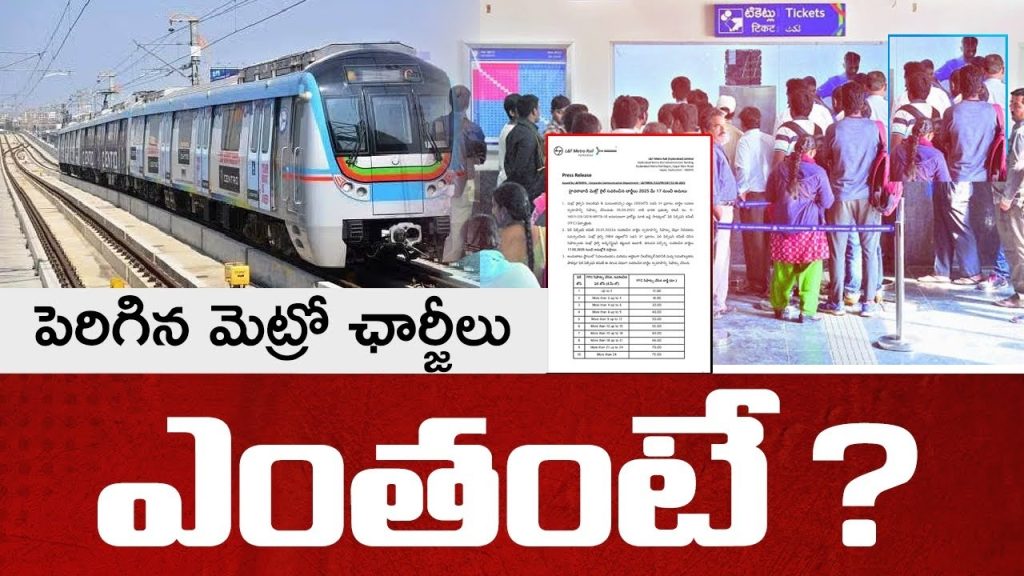
Introduction to Hyderabad Metro’s Fare Revision
Hyderabad Metro, operated by L&T Metro Rail Hyderabad Limited (L&TMRHL), serves as a critical transportation network, connecting key areas of the city with efficiency and convenience. As of May 17, 2025, commuters will notice a shift in ticket prices, with the minimum fare increasing by 20% from ₹10 to ₹12 and the maximum fare rising from ₹60 to ₹75. This adjustment, announced by L&TMRHL, aims to address operational costs while maintaining service quality.
This article dives into the specifics of the fare hike, offering a detailed breakdown of charges based on the number of stops traveled. We also calculate fares for popular routes across the Red, Blue, and Green Lines, ensuring you can plan your trips with clarity. Additionally, we explore the metro’s operational details, benefits of smart cards, and tips for cost-effective commuting.
Why the Hyderabad Metro Fare Hike Matters
The fare revision impacts lakhs of daily commuters who rely on the metro for work, education, and leisure. With three operational lines covering 69 km and 57 stations, the Hyderabad Metro is India’s third-longest metro network. The Red Line (Miyapur to LB Nagar), Blue Line (Nagole to Raidurg), and Green Line (JBS Parade Ground to MGBS) connect major hubs, making affordable pricing a priority for residents.
The fare hike reflects rising operational costs, including maintenance, electricity, and infrastructure upgrades. However, the increase has sparked discussions among commuters, with some expressing concerns about affordability. By understanding the new fare structure, you can make informed decisions to optimize your travel budget.
Hyderabad Metro’s New Fare Structure
The updated fare chart is based on the number of stops traveled, ensuring a transparent pricing model. Below is the revised fare structure effective from May 17, 2025:
- Up to 2 stops: ₹12
- 2 to 4 stops: ₹18
- 4 to 6 stops: ₹30
- 6 to 9 stops: ₹40
- 9 to 12 stops: ₹50
- 12 to 15 stops: ₹55
- 15 to 18 stops: ₹60
- 18 to 21 stops: ₹66
- 21 to 24 stops: ₹70
- Beyond 24 stops: ₹75
Smart card users benefit from a 10% discount on all fares, making it a cost-effective option for frequent travelers. Recharging your smart card is simple and can be done at metro stations or online, ensuring seamless travel.
Hyderabad Metro Lines and Key Stations
To calculate fares accurately, let’s first outline the stations on each line, as the number of stops determines the ticket price.
Red Line: Miyapur to LB Nagar (29.87 km, 27 stations)
The Red Line connects the northwestern suburb of Miyapur to the southern hub of LB Nagar, passing through bustling areas like Ameerpet and Secunderabad. Key stations include:
- Miyapur
- Kukatpally
- Dr. B.R. Ambedkar Balanagar
- Moosapet
- ESI Hospital
- Erragadda
- KPHB Colony
- JNTU College
- Bharat Nagar
- S R Nagar
- Ameerpet (interchange with Blue Line)
- Punjagutta
- MG Bus Station (interchange with Green Line)
- Secunderabad
- Dilsukhnagar
- LB Nagar
Blue Line: Nagole to Raidurg (29 km, 24 stations)
The Blue Line links the eastern area ofNagole to the IT corridor of Raidurg, serving tech hubs like HITEC City. Notable stations include:
- Nagole
- Begumpet
- Secunderabad
- Ameerpet (interchange with Red Line)
- Punjagutta
- HITEC City
- Raidurg
Green Line: JBS Parade Ground to MGBS (9.6 km, 9 stations)
The Green Line connects JBS Parade Ground to the MG Bus Station, facilitating travel through central Hyderabad. Key stations are:
- JBS Parade Ground
- Gandhi Hospital
- Sultan Bazaar
- Mettuguda
- MG Bus Station (interchange with Red Line)
- Musheerabad
- Malakpet
- Moosapet
Calculating Fares for Popular Routes
To help commuters plan their journeys, we’ve calculated fares for select routes across the Red, Blue, and Green Lines based on the new fare structure. The number of stops is approximate and may vary slightly depending on the exact route and interchange points. For precise stop counts, use the Hyderabad Metro’s official trip planner.
Red Line: Miyapur to LB Nagar
The Red Line spans 27 stations, making it one of the longest routes. Traveling from Miyapur to LB Nagar covers all 27 stops, falling into the “beyond 24 stops” category.
- Fare: ₹75
- Smart Card Fare: ₹67.50 (10% discount)
Sample Intermediate Routes:
- Miyapur to Ameerpet (10 stops): ₹50 (₹45 with smart card)
- Miyapur to Secunderabad (15 stops): ₹55 (₹49.50 with smart card)
- Ameerpet to LB Nagar (17 stops): ₹60 (₹54 with smart card)
Blue Line: Nagole to Raidurg
The Blue Line covers 24 stations, with a full journey from Nagole to Raidurg falling into the 21–24 stops bracket.
- Fare: ₹70
- Smart Card Fare: ₹63 (10% discount)
Sample Intermediate Routes:
- Nagole to Ameerpet (12 stops): ₹50 (₹45 with smart card)
- Nagole to HITEC City (18 stops): ₹60 (₹54 with smart card)
- Ameerpet to Raidurg (12 stops): ₹50 (₹45 with smart card)
Green Line: JBS Parade Ground to MGBS
The Green Line is shorter, with 9 stations, so a full journey from JBS Parade Ground to MGBS falls into the 6–9 stops category.
- Fare: ₹40
- Smart Card Fare: ₹36 (10% discount)
Sample Intermediate Routes:
- JBS Parade Ground to Sultan Bazaar (3 stops): ₹18 (₹16.20 with smart card)
- Mettuguda to MG Bus Station (4 stops): ₹30 (₹27 with smart card)
Interchange Stations and Their Impact on Fares
The Hyderabad Metro features key interchange stations that allow seamless transfers between lines:
- Ameerpet: Connects Red and Blue Lines
- MG Bus Station: Connects Red and Green Lines
- Secunderabad: Serves both Red and Blue Lines
When calculating fares for journeys involving interchanges, count the total number of stops across both lines. For example, traveling from Miyapur (Red Line) to HITEC City (Blue Line) via Ameerpet involves approximately 22 stops (10 from Miyapur to Ameerpet, 12 from Ameerpet to HITEC City).
- Fare: ₹70
- Smart Card Fare: ₹63
Always check the metro’s official route planner for exact stop counts, as interchange stations may slightly alter the total.
Hyderabad Metro Timings and Operational Details
The Hyderabad Metro operates from 6:00 AM to 11:00 PM daily, with the first train departing at 6:00 AM and the last train leaving terminal stations at 11:00 PM. Frequency varies by time of day, with trains running every 4–7 minutes during peak hours and every 10–15 minutes during off-peak hours.
For example:
- Red Line (Miyapur to LB Nagar): First train at 6:00 AM, last train at 10:00 PM, with a journey time of approximately 52 minutes.
- Blue Line (Nagole to Raidurg): First train at 6:30 AM from Nagole, last train at 10:30 PM.
- Green Line (JBS Parade Ground to MGBS): First train at 6:00 AM, last train at 10:00 PM.
These timings ensure commuters can rely on the metro for early morning commutes and late evening travel.
Benefits of Using a Smart Card
The Hyderabad Metro’s smart card offers a 10% discount on all fares, making it an attractive option for regular commuters. Additional benefits include:
- Convenience: No need to buy tickets for each trip.
- Recharge Flexibility: Top up your card at stations, ticket vending machines, or online.
- Cost Savings: For frequent travelers, the discount accumulates significantly over time.
For example, a daily round trip from Miyapur to Ameerpet (₹50 one way) costs ₹100 without a smart card but only ₹90 with one, saving ₹10 daily or ₹300 monthly (assuming 30 trips).
How the Fare Hike Affects Commuters
The fare increase has elicited mixed reactions. While some commuters understand the need for operational sustainability, others worry about the financial burden, especially for low-income groups. The minimum fare rise from ₹10 to ₹12 may seem modest, but for daily commuters traveling longer distances, the maximum fare of ₹75 (up from ₹60) adds up.
To mitigate the impact, consider these strategies:
- Use a Smart Card: Save 10% on every trip.
- Plan Shorter Routes: Combine metro travel with buses or autos for shorter segments to stay within lower fare brackets.
- Travel Off-Peak: Avoid peak-hour crowds and enjoy a more comfortable ride.
Comparing Hyderabad Metro Fares with Other Indian Metros
To put the fare hike in perspective, let’s compare Hyderabad’s new fares with other major Indian metro systems:
- Delhi Metro: Fares range from ₹10 to ₹60, with no recent revisions announced.
- Chennai Metro: Tickets cost ₹10 to ₹50, offering a more affordable maximum fare.
- Bengaluru Metro: Fares range from ₹10 to ₹90, with the highest maximum among major metros.
Hyderabad’s new maximum fare of ₹75 positions it between Delhi/Chennai and Bengaluru, reflecting its extensive network and operational costs. However, the 10% smart card discount keeps it competitive for regular users.
Future of Hyderabad Metro: Phase 2 and Beyond
The Hyderabad Metro is expanding with Phase 2, which will add new lines and stations to enhance connectivity. While Phase 1 covers 69 km, Phase 2 aims to extend the network to areas like Old City and additional suburbs, with an estimated cost of ₹18,114 crore.
The fare hike may support these expansion plans, ensuring the metro remains a sustainable and modern transport option. Commuters can expect improved accessibility and reduced road congestion as the network grows.
Tips for Navigating the Hyderabad Metro in 2025
To make the most of your metro experience, follow these tips:
- Download the Metro App: Access real-time train schedules, fare calculators, and route planners.
- Check Station Facilities: Major stations like Ameerpet and Secunderabad offer parking, food courts, and retail outlets.
- Avoid Peak Hours: Travel before 8:00 AM or after 7:00 PM to avoid crowds.
- Stay Updated: Follow L&TMRHL’s official website or social media for announcements on fares, timings, or service disruptions.
Conclusion: Plan Your Hyderabad Metro Journey with Confidence
The Hyderabad Metro’s fare hike, effective May 17, 2025, introduces a new pricing structure that impacts commuters across the Red, Blue, and Green Lines. With fares ranging from ₹12 to ₹75, understanding the stop-based pricing model is key to budgeting your travel. Smart card users can save 10%, while strategic route planning can further reduce costs.
This guide has provided a detailed breakdown of the new fares, calculated costs for popular routes, and offered practical tips for a seamless metro experience. As Hyderabad Metro continues to grow, staying informed ensures you can navigate the city efficiently and affordably. Whether you’re commuting to work, exploring the city, or heading to HITEC City’s tech hubs, the Hyderabad Metro remains a reliable and modern transport solution.
For the latest updates, visit the official Hyderabad Metro website or use their trip planner to calculate exact fares for your journey. Happy traveling