


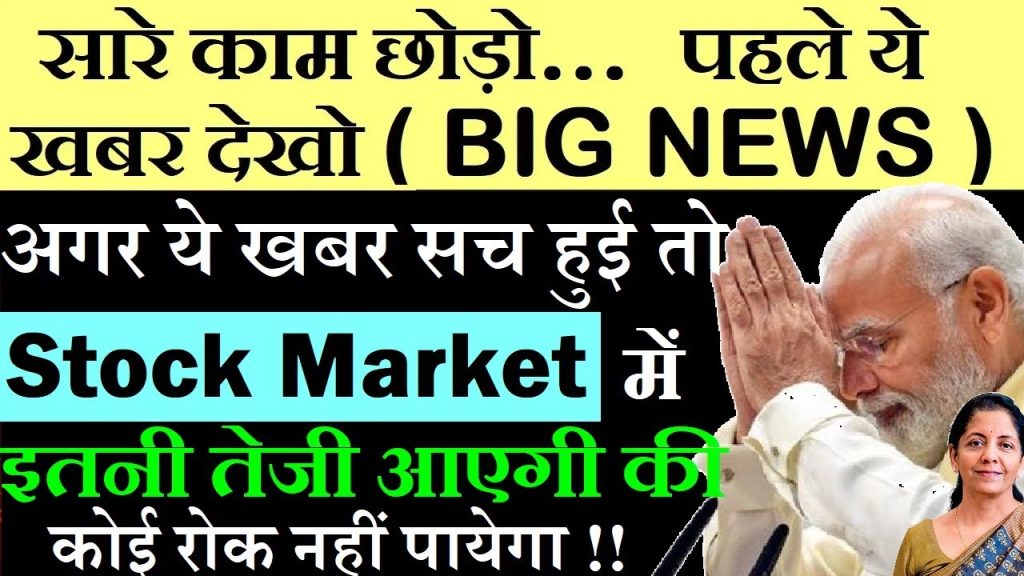
India’s Goods and Services Tax (GST) system has long been a cornerstone of the nation’s economic framework, simplifying taxation while aiming to boost revenue and ease business operations. However, recent buzz from Prime Minister Narendra Modi’s Independence Day speech on August 15 has ignited widespread discussions about imminent reforms. In his address, the PM hinted at a “Diwali gift” for the common man through GST modifications that could reduce the tax burden significantly. As we approach the festive season in 2025, speculations point toward a streamlined slab structure, potentially featuring just three rates: 5%, 18%, and 40%. This article dives deep into these rumored changes, their implications for everyday items, luxury goods, and the broader economy. Whether you’re a consumer in Mumbai, a business owner in Delhi, or an investor tracking stock markets in Bangalore, understanding these shifts could help you prepare for what’s ahead.
Understanding the Current GST Structure and the Need for Reforms
India introduced GST in 2017 as a unified tax regime to replace a patchwork of state and central levies. Today, it operates across multiple slabs: 0%, 5%, 12%, 18%, and 28%, with additional cess on certain luxury and sin goods. This multi-tier system aimed to make taxation progressive, taxing essentials lightly while imposing higher rates on non-essentials. However, critics argue it has become overly complex, leading to compliance challenges and uneven tax burdens.
Prime Minister Modi’s recent speech emphasized next-generation tax reforms as a festive boon, promising to ease the load on ordinary citizens. Reports suggest the government might rationalize slabs to just three, eliminating the 12% and 28% categories. This move aligns with the original “One Nation, One Tax” vision, potentially simplifying filings and boosting consumption. For urban centers like Chennai and Hyderabad, where consumer spending drives growth, such changes could stimulate local economies by making goods more affordable.
Experts from the Group of Ministers (GoM) have reportedly advised the GST Council on these adjustments. Their suggestions include merging slabs to reduce overlaps and enhance efficiency. As India eyes economic recovery post-pandemic, these reforms could inject vitality into sectors like retail and manufacturing, particularly in high-growth regions such as Gujarat and Maharashtra.
Rumored New GST Slabs: 5%, 18%, and 40% What’s Changing?
Sources indicate the government plans to introduce a three-slab GST system: 5% for essentials, 18% for standard goods, and 40% for luxury or harmful items. This overhaul would scrap the existing 12% and 28% slabs, redistributing products accordingly.
The 5% slab would likely cover basic necessities, expanding from its current scope to include many items previously taxed at 12%. Reports claim that 99% of goods in the 12% category might shift here, drastically lowering costs for consumers. Imagine butter, ghee, processed foods, almonds, and mobile phones becoming cheaper – a welcome relief for middle-class families in cities like Kolkata and Pune.
The 18% slab would serve as the middle ground, absorbing some items from the 28% category that aren’t deemed luxurious. This could include everyday durables like air conditioners and refrigerators, which currently face higher taxes despite their growing necessity in India’s hot climate.
Finally, the 40% slab targets “sin goods” – products that harm health or the environment. Tobacco products, such as cigarettes, would almost certainly move here, along with aerated drinks like sodas. This higher rate aims to discourage consumption while generating revenue for public health initiatives.
These changes stem from ongoing discussions in the GST Council, influenced by feedback from states and industries. For businesses operating across borders, from Rajasthan’s arid markets to Kerala’s coastal trade hubs, a simpler system could reduce administrative hassles and foster interstate commerce.
Impact on Sin Goods: Higher Taxes on Tobacco and Aerated Drinks
Governments worldwide use taxation to curb harmful habits, and India’s potential 40% GST slab fits this strategy perfectly. Sin goods, defined as items that pose health risks, would bear the brunt of these increases.
Take tobacco, for instance. Currently taxed at 28% plus cess, cigarettes and related products could jump to 40%, making them significantly pricier. This aligns with public health goals, as higher prices often reduce smoking rates, especially among youth in densely populated areas like Uttar Pradesh and Bihar. No one protests steep taxes on tobacco – it’s seen as a necessary deterrent. Smokers might grumble, but the broader society benefits from lower healthcare costs and improved air quality.
Aerated beverages, or carbonated drinks, follow suit. These fizzy sodas, already at 28%, might enter the 40% bracket due to their high sugar content and links to obesity and diabetes. Brands like Coca-Cola and Pepsi could see sales dip in health-conscious metros like Delhi and Bangalore, prompting them to innovate with healthier alternatives. However, this isn’t set in stone; it’s based on emerging reports and logical extensions of current trends.
Alcohol, surprisingly, stays out of GST’s purview. State governments control its taxation through excise duties, leading to variations across India. For example, Delhi’s recent policy tweaks highlighted how states like Tamil Nadu and Andhra Pradesh tailor alcohol taxes to local needs. This exclusion ensures GST reforms won’t touch liquor prices directly, maintaining revenue streams for state coffers.
Petrol and diesel also remain exempt from these changes. Despite early GST promises of including fuels, no reports suggest imminent inclusion. Fuel taxes continue under state VAT and central excise, keeping prices volatile but unchanged by slab rationalization. In fuel-dependent regions like Punjab and Haryana, this stability offers some respite amid reform uncertainties.
Shifting Items from 12% Slab: A Boon for Essentials and Processed Foods
The 12% slab’s potential elimination represents the most consumer-friendly aspect of these reforms. Reports assure that nearly all items here – about 99% – will drop to 5%, slashing costs and boosting affordability.
Consider everyday staples: butter and ghee, essential in Indian kitchens from Kashmir to Kanyakumari, could become cheaper, easing household budgets. Processed foods, including packaged snacks and ready-to-eat vegetables, would follow, benefiting busy urbanites in Mumbai and Chennai who rely on convenience items.
Nuts like almonds, often taxed at 12%, might join the 5% club, promoting healthier snacking without breaking the bank. Mobile phones, a necessity in digital India, could see price drops, accelerating adoption in rural areas of Madhya Pradesh and Odisha where connectivity drives development.
Fruit juices and coconut water (packaged) stand to gain, too. These hydrating options, popular in tropical states like Goa and Karnataka, would encourage consumption if taxes fall. Even quirky items like umbrellas, currently at 12%, could shift downward, providing minor but meaningful savings during monsoons.
The lone 1% of items that might rise to 18% or higher remains unidentified, but overall, this shift promises widespread relief. For sectors like FMCG (Fast-Moving Consumer Goods), companies such as Hindustan Unilever or Britannia could see stock surges as lower taxes spur demand. In export hubs like Gujarat, cheaper inputs might enhance competitiveness globally.
Reclassifying 28% Slab Items: Luxury Goods and Consumer Durables in Focus
The 28% slab houses a mix of luxury and semi-essential goods, and its dissolution could create winners and losers.
Luxury cars, priced at 50-70 lakhs or more, justify high taxes, but a move to 40% would further elevate costs, impacting affluent buyers in posh locales like Gurgaon and South Mumbai. Manufacturers like Mercedes or BMW might face sales slowdowns, though the ultra-rich segment often absorbs such hikes.
Motorcycles present a nuanced picture. High-end sports bikes (over 1000cc) could climb to 40%, while entry-level models (100-150cc) might drop to 18%. Industry leaders like Bajaj Auto have long advocated for segmentation based on engine capacity, arguing that taxing commuter bikes heavily burdens the average rider. If reforms address this, two-wheeler sales in traffic-choked cities like Bangalore and Hyderabad could boom.
Consumer durables, such as ACs and fridges, currently at 28%, deserve relief. These appliances have become essentials amid rising temperatures, yet high taxes keep them out of reach for many in arid Rajasthan or humid West Bengal. A shift to 18% would democratize access, stimulating white goods markets led by firms like LG and Samsung.
Sin goods in this slab, like cigarettes and sodas, likely head to 40%, as discussed earlier. This reclassification could reshape consumer behavior, pushing people toward healthier choices and benefiting wellness industries.
Market Reactions and Economic Implications of GST Reforms
Stock markets often react swiftly to policy hints, and these GST rumors are no exception. If reforms materialize as a Diwali surprise, expect bullish trends in sectors gaining from lower taxes.
FMCG stocks, tied to 12% items shifting to 5%, could rally. Imagine Nestle or ITC seeing gains as processed foods cheapen. Consumer durables firms might surge if ACs and fridges drop to 18%, boosting sales in summer hotspots like Ahmedabad and Jaipur.
Conversely, tobacco giants like ITC (in its cigarette arm) and sin goods producers could face pressure from 40% rates, leading to short-term dips. Luxury auto stocks, such as those of Tata Motors’ Jaguar Land Rover, might wobble.
Broader economically, simplified slabs could enhance compliance, reduce evasion, and increase revenue through higher volumes. For small businesses in tier-2 cities like Indore and Coimbatore, easier taxation means less paperwork and more focus on growth.
Inflation control remains key; lower taxes on essentials could curb price rises, benefiting low-income groups in Bihar and Uttar Pradesh. However, higher sin good taxes might add minor inflationary pressure in specific segments.
Investors should monitor GST Council meetings, expected soon, for confirmations. As India pushes toward a $5 trillion economy, these reforms could accelerate progress, particularly in manufacturing strongholds like Tamil Nadu.
Consumer Preparation: How to Navigate Potential GST Changes
As a consumer, stay informed and adaptable. Stock up on essentials if prices might rise, but avoid panic buying. For items like mobiles or processed foods, wait for official announcements to snag deals post-reform.
Businesses should audit inventories, reassess pricing, and consult tax experts. In e-commerce hubs like Bangalore, platforms like Flipkart could adjust dynamically to new slabs.
Health-conscious shifts might emerge; pricier sodas could boost demand for natural juices, favoring local producers in Maharashtra’s orchards.
Ultimately, these changes aim to empower the common man, as PM Modi promised. By reducing burdens on necessities and penalizing harms, the government fosters a balanced, progressive tax system.
Challenges and Criticisms: Is Three-Slab GST the Perfect Solution?
No reform is flawless. Critics worry that a 40% slab might fuel black markets for sin goods, especially in border states like Punjab. Merging slabs could cause short-term confusion, disrupting supply chains in logistics-heavy Gujarat.
States might resist if revenue dips, given GST’s shared nature. Southern powerhouses like Karnataka and Telangana, major contributors, will demand fair compensation.
Implementation timelines matter; rushed changes could lead to errors, as seen in GST’s initial rollout. The GoM’s role in fine-tuning suggestions will be crucial.
Despite hurdles, optimism prevails. A streamlined GST could position India as a more attractive investment destination, drawing FDI to tech corridors in Hyderabad and Pune.
Looking Ahead: Diwali 2025 and Beyond
As Diwali approaches, all eyes turn to the GST Council for clarity. If the three-slab system – 5%, 18%, 40% – becomes reality, it promises double festivities: cheaper goods for consumers and a revitalized economy.
From reducing tax burdens on butter and mobiles to hiking levies on cigarettes, these shifts reflect a maturing tax regime. Markets might witness volatility, but long-term gains in consumption and compliance seem assured.
Stay tuned for updates; subscribe to reliable financial channels and consult experts. In India’s diverse landscape, from Delhi’s bustling streets to Kerala’s serene backwaters, these reforms could unify prosperity under one tax umbrella.
This comprehensive overhaul not only honors the PM’s promise but also paves the way for sustainable growth. Whether it outpaces expectations or requires tweaks, one thing’s clear: GST’s evolution continues to shape India’s economic narrative.