


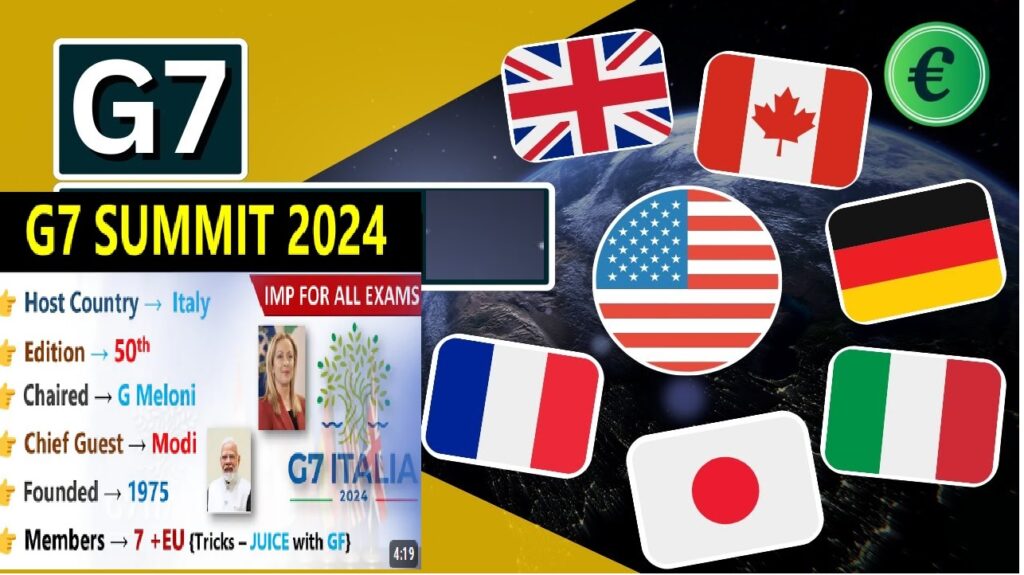
In the midst of escalating tensions in the Middle East, Italy has stepped up its diplomatic efforts to broker a peaceful solution. As the rotating president of the Group of Seven (G7), a coalition of major Western democracies, Italy has taken the lead in navigating the growing crisis between Israel and Iran. With Italy’s position as a major contributor to peacekeeping missions, particularly in Lebanon, the nation’s role is more crucial than ever. This article delves into the significance of Italy’s leadership, its strategy, and the impact of the G7’s united efforts in resolving the crisis.
Italy’s G7 Leadership and Response to the Middle East Conflict
Italy’s leadership within the G7 is pivotal during these critical times. Prime Minister Giorgia Meloni, in her capacity as chair of the G7, has been proactive in convening a meeting of G7 leaders to address the Middle East conflict, sparked by Iran’s missile attack on Israel. This call for an urgent diplomatic dialogue underscores Italy’s commitment to stabilizing the region through peaceful means. Meloni’s initiative reflects the G7’s collective responsibility to safeguard global security while promoting diplomacy.
Italy’s deep concerns about the escalating situation were echoed in Meloni’s statements to her cabinet, particularly regarding the destabilization of the Israeli-Lebanese border. This is a critical issue given the volatile history between Israel and Hezbollah, the militant group based in Lebanon. The G7 leaders’ meeting aims to craft a cohesive strategy to de-escalate tensions, focusing on Resolution 1701—a key United Nations mandate that halted the 2006 conflict between Israel and Hezbollah.
Italy’s Role in Peacekeeping and UNIFIL
One of Italy’s most significant contributions to Middle Eastern stability has been through its support of the United Nations Interim Force in Lebanon (UNIFIL). Italy plays a major role in this peacekeeping mission, aimed at monitoring the ceasefire between Israel and Hezbollah and maintaining peace along the border. Despite recent border violence, Italy remains steadfast in its commitment to UNIFIL, as confirmed by Italian Foreign Minister Antonio Tajani.
Tajani reassured the public that Italy would not withdraw its troops from UNIFIL, despite growing concerns for their safety. The government has, however, prepared contingency plans to evacuate civilians and troops should the situation deteriorate. Italy’s continued participation in UNIFIL reflects its dedication to peace in the region, even as tensions heighten.
Italy’s Diplomatic Push for U.N. Security Council Action
In her appeal to the United Nations, Prime Minister Meloni has called for the Security Council to strengthen the mandate of the UNIFIL mission. This request is aimed at bolstering security along the Israeli-Lebanese border, which remains a flashpoint for potential conflict. Italy’s push for U.N. intervention highlights the country’s broader diplomatic strategy—preventing further escalation while ensuring the safety of both its troops and regional civilians.
The Italian government’s stance emphasizes the importance of Resolution 1701 and calls for its full implementation to prevent any further destabilization. This resolution, which effectively ended the 2006 war, is critical in maintaining peace between Israel and Lebanon. Italy’s appeal to reinforce UNIFIL’s mandate underlines its commitment to multilateralism and reliance on international organizations like the U.N. to mediate conflicts.
G7’s Collective Response to Iran’s Attack on Israel
The G7’s response to Iran’s missile attack on Israel has been one of deep concern, urging all regional players to avoid further escalation. As the president of the G7, Italy has played a crucial role in shaping this response, advocating for a united front among the world’s most powerful democracies. Italy’s condemnation of Iran’s actions aligns with the G7’s broader goal of promoting peace and stability in the region.
Italy, along with its G7 counterparts, has expressed the urgency of reaching a ceasefire agreement in Gaza and securing the release of hostages. These objectives, aligned with U.N. Resolution 2735, are seen as vital steps towards de-escalation and long-term peace. The G7’s involvement signals a commitment to using diplomatic pressure and international consensus to resolve the conflict.
Italy’s Internal Preparations and Commitment to Civilian Safety
In addition to its international efforts, Italy has been preparing domestically for the potential fallout from the Middle East conflict. Prime Minister Meloni’s government has placed a task force on high alert, monitoring the situation closely and ready to take action to protect Italian citizens and military personnel in the region. This task force, composed of key government ministers and security officials, ensures that Italy is prepared for any eventualities, including evacuations.
Foreign Minister Tajani highlighted the importance of having evacuation plans in place, particularly for civilians in conflict zones. Italy’s internal preparations demonstrate its focus on safeguarding its citizens while continuing to play an active role in international peacekeeping.
Conclusion: Italy’s Key Role in Navigating the Middle East Crisis
Italy’s leadership within the G7 comes at a critical time for the Middle East. The country’s diplomatic efforts, led by Prime Minister Giorgia Meloni, are focused on de-escalating the conflict between Israel and Iran while maintaining peace along the Israeli-Lebanese border. Italy’s active participation in the UNIFIL mission and its appeals to the U.N. for strengthened mandates reflect its commitment to peace and stability in the region.
The G7’s unified response, driven by Italy’s leadership, underscores the importance of multilateral diplomacy in resolving international crises. As the situation continues to unfold, Italy remains a central player, striving for a diplomatic solution while ensuring the safety of its citizens and contributing to global security efforts.