


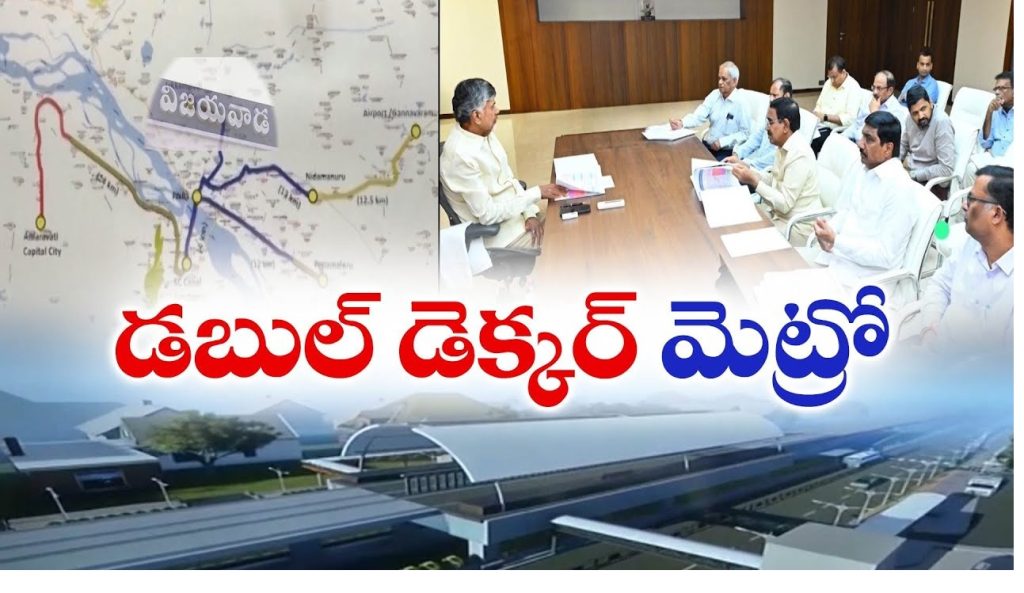
Urban transportation in India is undergoing a significant transformation, and Andhra Pradesh is at the forefront with its ambitious metro rail projects. The cities of Visakhapatnam and Vijayawada are set to adopt a cutting-edge double-decker metro model that promises to enhance connectivity while efficiently utilizing urban space. This article delves into the project’s details, its unique design, and the potential impact on urban mobility.
Overview of the Double-Decker Metro Projects
The proposed metro rail projects in Visakhapatnam and Vijayawada span a total length of 23.70 kilometers. The innovative double-decker model will include two levels—roads and flyovers below and metro tracks above—ensuring optimal use of vertical space.
- Visakhapatnam: The metro will cover a stretch of 19 kilometers, connecting Madhurawada to Thatichetlapalem and Gajuwaka to the Steel Plant.
- Vijayawada: A 4.70-kilometer stretch will link Ramavarappadu Ring to Nidamanuru.
The Andhra Pradesh Chief Minister has reviewed and approved these plans, which are designed to address urban traffic challenges while delivering modern, efficient transport solutions.
Key Features of the Double-Decker Model
The double-decker metro system integrates multiple layers of infrastructure:
- Roads at the Base Level: Catering to regular vehicular traffic.
- Flyovers at 10 Meters: Designed to alleviate congestion on busy highways.
- Metro Tracks at 18 Meters: Elevated tracks provide a seamless, uninterrupted transit experience.
This configuration not only maximizes vertical space but also mitigates the need for extensive land acquisition, a common challenge in urban development projects.
Government’s Role and Funding Strategy
Under the 2017 Metro Rail Policy, the Andhra Pradesh government has proposed that the central government cover 100% of the project funding. Similar to the 16-kilometer Kolkata Metro project, which received ₹8,565 crores entirely funded by the central government, Andhra Pradesh aims to secure comparable support for its metro initiatives.
Steps Taken:
- The Detailed Project Reports (DPRs) for both cities have been approved by the state government and submitted to the central government.
- Emphasis on compliance with both the Andhra Pradesh Reorganization Act and the 2017 Metro Rail Policy, which underscore central assistance for such projects.
Implementation Timeline and Expectations
The metro rail services in Visakhapatnam and Vijayawada are expected to be operational within four years. State authorities have been instructed to expedite the planning and execution processes to meet this ambitious timeline.
Focus Areas:
- Resolving traffic bottlenecks in high-density areas.
- Aligning with the national highway development plans, especially in regions where flyovers are integrated with the metro design.
- Ensuring sustainability and minimal disruption during construction.
Benefits of the Double-Decker Metro System
The double-decker metro system is a game-changer for urban transportation in Andhra Pradesh.
1. Space Optimization
By building vertically, the project reduces the land required for infrastructure, making it ideal for densely populated areas.
2. Traffic Decongestion
The combination of elevated flyovers and metro tracks ensures smoother traffic flow, especially in critical zones like highways and city centers.
3. Enhanced Connectivity
Efficient metro services will connect major hubs, promoting economic activity and reducing travel times.
4. Sustainable Urban Growth
Modern metro systems are eco-friendly and help reduce the carbon footprint by encouraging public transit over private vehicles.
Challenges and Solutions
Potential Hurdles:
- High Initial Costs: Securing full funding from the central government is crucial.
- Engineering Complexities: Constructing multiple layers of infrastructure in limited urban spaces.
- Public Disruption: Ensuring minimal inconvenience to residents during the construction phase.
Proposed Solutions:
- Leveraging advanced construction techniques to expedite timelines.
- Transparent communication with stakeholders to address concerns and foster support.
- Collaboration with experienced metro rail developers to mitigate risks.
Conclusion: A Step Toward Urban Transformation
The Visakhapatnam and Vijayawada metro rail projects embody a forward-thinking approach to urban transport. By adopting the double-decker model, Andhra Pradesh is not only addressing present challenges but also laying the groundwork for a sustainable future.
As these projects unfold, they are set to redefine urban mobility, inspire similar initiatives across the nation, and elevate the quality of life for residents. The countdown to a more connected, efficient, and vibrant Andhra Pradesh has begun.