


Ather Energy, a leading manufacturer of electric two-wheelers, recently found itself in the midst of an unexpected social media controversy. While the company had good intentions of celebrating Onam, Kerala’s beloved harvest festival, netizens were quick to point out a glaring error in their festive meal. The reason for the backlash? Chapati was included in the traditional Onam Sadhya, sparking disappointment and even outrage online.
Ather Energy’s Onam Sadhya Celebration Draws Attention for the Wrong Reasons
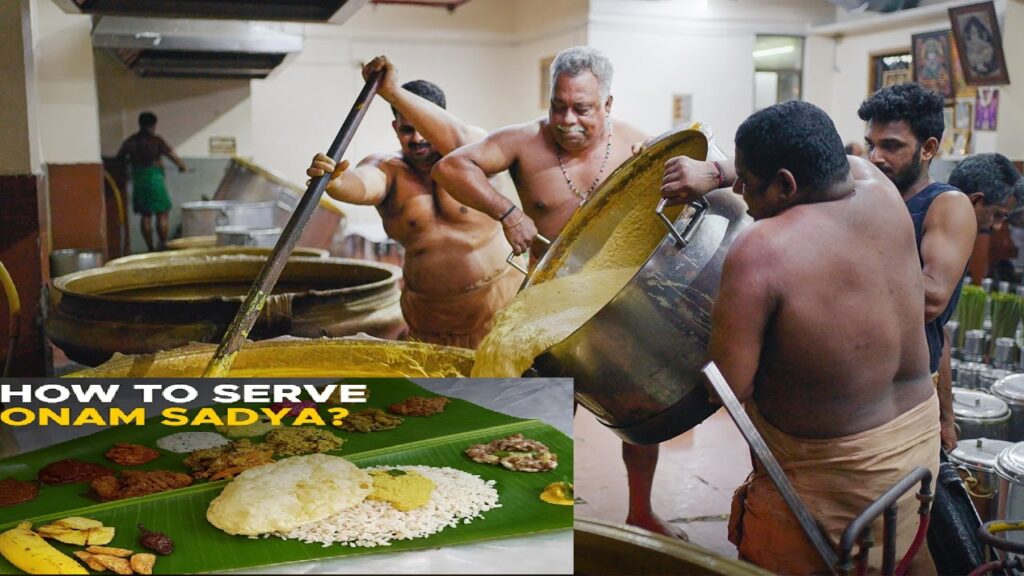
Onam is one of Kerala’s most significant cultural festivals, marked by family gatherings, colorful traditional attire, and, of course, the iconic Onam Sadhya. This grand feast, typically served on banana leaves, includes an assortment of 24 to 28 vegetarian dishes, with rice being a central part of the meal.
Ather Energy, like many companies celebrating cultural festivals with their employees, organized an Onam Sadhya for its staff at the office. The company co-founder, Tarun Mehta, shared photos of the celebration on X (formerly known as Twitter), highlighting the festive atmosphere, traditional Kerala attire, and the meal prepared for the occasion. However, the inclusion of chapati in place of rice stirred discontent among the online community.
Netizens React to Chapati in Onam Sadhya
Social media erupted shortly after the post went live, with many users criticizing the meal for straying from traditional norms. The image shared by Mehta showcased a few gravies, pickles, banana chips, and a banana—all common items in an Onam Sadhya. However, the sight of chapati instead of the usual Kerala matta rice immediately drew negative attention. Many netizens commented on the unusual addition, with one user remarking, “That’s not Onam Sadhya!”
The post quickly gained traction, racking up nearly 1.5 lakh views and generating a flood of comments. One user quipped, “There’s a limit,” while others labeled the meal as a “North Indian Onam” and jokingly referred to it as “Onam on a shoestring budget.” The outrage primarily stemmed from the fact that rice, especially Kerala’s famous brown rice or matta rice, is an essential component of an authentic Sadhya, and chapatis have no place in this traditional feast.
The Cultural Importance of Onam Sadhya
Onam Sadhya holds deep cultural and symbolic value for Keralites. The feast is more than just a meal; it represents Kerala’s rich culinary heritage and the spirit of togetherness. Each dish in the Sadhya has its own significance, and the meal is typically vegetarian, comprising dishes like sambar, avial, thoran, olan, and several types of pickles and chutneys, all served with rice. The inclusion of rice, especially matta rice, is not just a preference but a cultural staple for the people of Kerala.
The backlash Ather Energy faced highlights the importance of preserving cultural authenticity, especially during major celebrations like Onam. Netizens felt that the company’s version of the Sadhya missed the mark by substituting rice with chapati, which is more commonly associated with North Indian cuisine.
Chapati in Onam Sadhya: A Cultural Faux Pas or Simple Misunderstanding?
While some defended Ather Energy, suggesting that the chapati inclusion was likely an oversight or an attempt to cater to diverse dietary preferences, the majority of responses were critical. Kerala’s Onam Sadhya is steeped in tradition, and any deviation from the expected dishes can be seen as a cultural faux pas. For Keralites, the authenticity of the Sadhya is crucial, and the chapati in the meal struck a nerve for many.
The online backlash serves as a reminder of how closely people associate food with cultural identity. Even a well-meaning gesture, such as hosting an Onam celebration, can backfire if the traditions are not respected or properly understood.
The Importance of Cultural Sensitivity in Corporate Celebrations
As companies increasingly embrace cultural festivals to create a more inclusive environment, it’s crucial to approach these celebrations with sensitivity and respect for tradition. In a diverse country like India, where each region has its own unique customs and festivals, understanding the nuances of these celebrations becomes vital.
Ather Energy’s misstep with the chapati in the Onam Sadhya might serve as a learning experience for companies planning similar events. Paying attention to cultural details, especially when it comes to food, can go a long way in ensuring that celebrations are both meaningful and respectful.
Conclusion: A Lesson in Cultural Authenticity
Ather Energy’s Onam celebration may have started with good intentions, but it quickly became a topic of discussion for all the wrong reasons. The inclusion of chapati in the Sadhya sparked an online debate about the importance of preserving cultural authenticity, especially in corporate settings.
While the company may have intended to celebrate the festival with its employees, the backlash underscores how vital it is to honor traditions, especially when they hold deep significance for certain communities. As companies continue to embrace cultural diversity, taking the time to understand and respect these traditions will help ensure that celebrations are truly inclusive and appreciated.